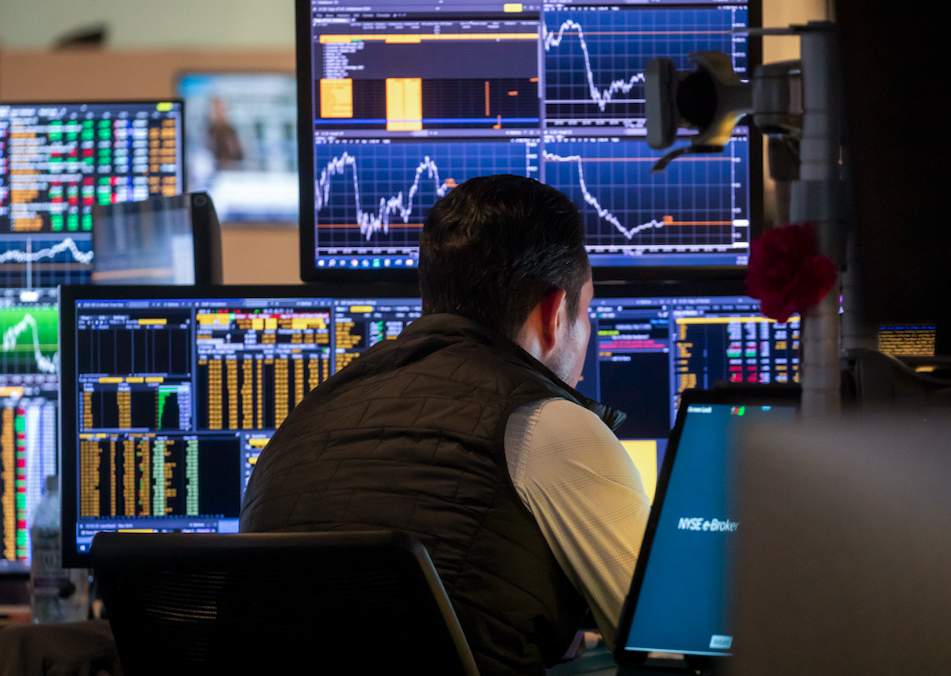
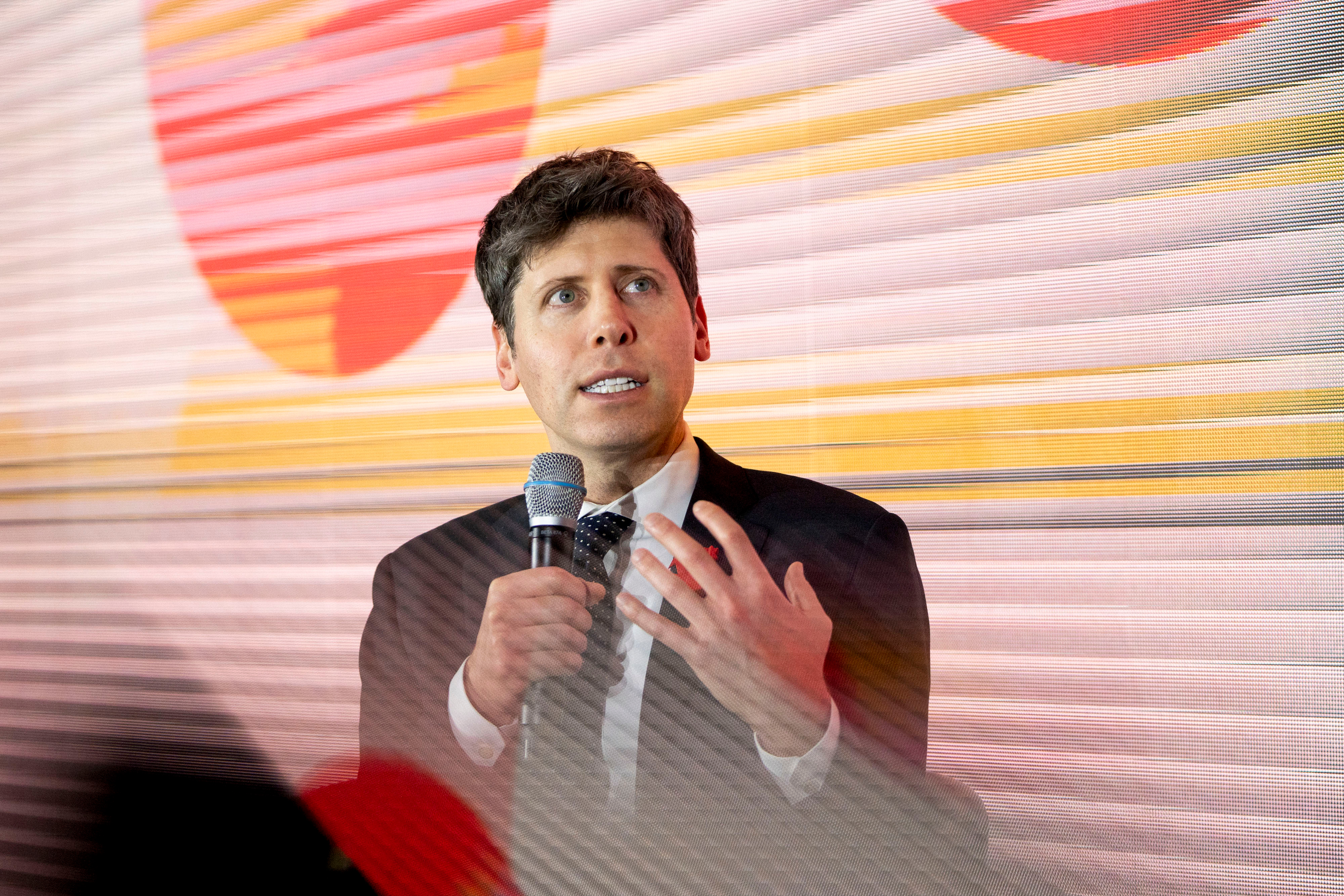
The IPO floodgates have swung open for breakthrough AI and crypto companies ready to shake up the market
If investors are mining for opportunities, the Sprott Gold Miners ETF (SGDM) should be on their list. The ETF is up over 70% this year. That confirms the momentum for the yellow metal has yet to wane and the latent upside by miners could be in its early stages.
There are hints that at least a few within the federal government are toying with the idea of revaluing U.S. gold reserves.
Trade deals demonstrate that tariffs are here to stay.
The popularity of lab-grown diamonds is making me question the beauty of markets, which is their ability to place a value on pretty much anything.
The U.S. economy is slowing down but don't expect a hard landing.
Despite ongoing tariff uncertainties and hawkish post FOMC meeting commentary towards the end of the month, US equities extended their rally into July amid resilient Q2 earnings, progress on trade negotiations, and improving consumer sentiment.
During a season when investor activity is typically in its summer doldrums, these two industry exchange-traded funds (ETFs) were hotter than July — the iShares U.S. Home Construction ETF (ITB) and the SPDR S&P Global Natural Resources ETF (GNR).
On this episode of the ETF of the Week podcast, VettaFi’s Head of Research Todd Rosenbluth discussed the Technology Select Sector SPDR Premium Income Fund (XLKI) with Chuck Jaffe of Money Life. The pair discussed several topics related to the fund to give investors a deeper understanding of the ETF overall.
We hope you find this alternative perspective based on forward-looking excess expected return helpful (and stress reducing) as you consider putting money to work in stock markets today and in the future.
Investor behaviors and preferences during the dot-com boom/bust and the current environment are similar. It's too early to label the recent speculative activity as a boom on the same scale as the late 1990s.
The central theme of “Our Dollar, Your Problem” is the global dominance of the U.S. dollar and what might dethrone it in the future. Rogoff’s concern about U.S. government debt and its possible effect on the value of the dollar is warranted.
Almost everything we think we know about the economy comes from initially flawed data. Jobs data, inflation data, spending data, production data, all of it is imperfect. There is no certainty in this business. But that doesn’t make the data useless.
As the specter of stagflation ripples through equity markets, investors are zeroing in on the upcoming consumer inflation report to see how close the dire economic scenario is to becoming a reality.
I understand the concerns about rising debt levels. However, the problem of rising debt levels for the U.S. is NOT a default but a continued degradation of economic growth. Let’s start this discussion with a basic fact—without continued increases in debt, there would be very little to no economic growth.
Jack McIntyre’s US global bond fund, aided by a slumping dollar, is posting one of the best performances in its almost two decades of existence. His challenge is convincing investors that it’s more than just a flash in the pan.
Christopher Harvey, head of equity strategy for Wells Fargo Securities LLC, has left the firm.
The Fed has long been criticized for reacting too slowly to economic developments, an inevitable consequence of relying on lagging government data. Now the Fed and BLS are likely to face even more pressure to catch up.
When it comes to fakes and dupes, of everything from Lululemon Athletica Inc. leggings to Dior handbags, imitations are most threatening when the real thing isn’t delivering.
Nvidia Corp. and Advanced Micro Devices Inc. agreed to pay 15% of their revenues from Chinese AI chip sales to the US government in a deal to secure export licenses, an unusual arrangement that may unnerve both US companies and Beijing.
Instead of pitching solutions or trying to impress prospects, you approached them like a doctor. You would ask thoughtful questions, listen deeply, and help them understand their challenges.
2025 has been historically turbulent for the dollar, with declines of a magnitude last observed during the global financial crisis
Most economists, including us, were wrong about the ‘ensuing’ recession back in 2022 and 2023 as the US Federal Reserve (Fed) increased interest rates to fight higher inflation.
Despite inflation pressure, tariffs and immigration policy are leading to slower job growth and consumer spending, which may prompt the Federal Reserve to cut interest rates soon.
Gold inflows into ETFs through the first half of 2025 hit levels not seen since the pandemic, and that trend continued through July.
The U.S. Dollar Index (DXY) has rebounded over the last month following its worst first half since its inception in 1973.
The Fed confronts a dilemma as hiring slows while inflation heats up.
Nvidia has been the star of the market over the past few years — a powerhouse that has reshaped artificial intelligence, gaming, and high-performance computing.
In the tidal wave of funds coming to market, a few ETF strategies stand out for their innovation or for notable opportunities they provide.
The likelihood of recession has declined during our three-year forecast period, as such we increased equity exposure.
This article breaks down the five main reasons financial advisors overwhelmingly prefer using crypto exchange-traded funds (ETFs) rather than recommending direct purchases of Bitcoin, Ethereum, or other tokens.
Today, let’s take a look at a company sitting at the center of all these technologies. It’s a great example of the outsized potential and the volatility that often come with investing in companies on the edge of big breakthroughs.
The ICE BofA Fixed Rate Preferred Index returned 1.45% in July, bringing YTD gains to 2.47%. The $25 par ICE BofA Core Plus Fixed Rate Preferred Securities Index rebounded with a 2.77% return, while ETF inflows exceeded $150 million.
Foreign equities investing is hot this year, and it’s clear to see why. U.S. equities face myriad challenges calling for diversification abroad.
ETF providers have been quick to launch a bevy of new active funds at a quickened pace given the current trend. The same can be said for fixed income allocation.
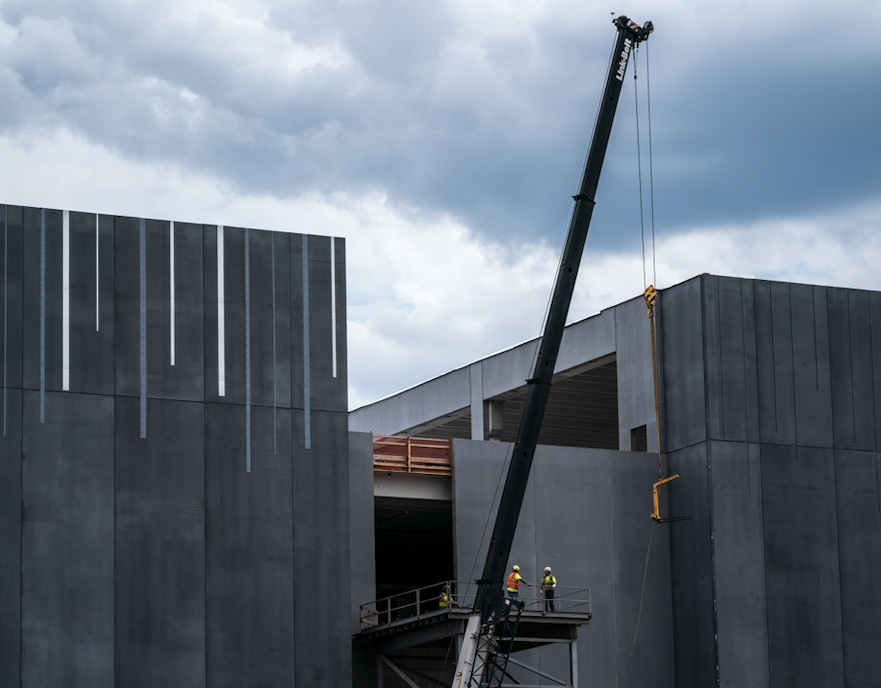
The AI hyperscalers that are spending hundreds of billions of dollars on data centers have dropped a windfall into the laps of the manufacturers, construction firms, building-materials makers and energy companies that make the build-out possible.
The United States has been on a remarkable run: exceptional growth and innovation, multiple structural advantages, and the financial market dominance to match.
Some of the world’s biggest investors in private equity are worried they could lose their special status as thousands of retail investors get invited into an asset class that had been reserved for sophisticated clients.
At a rooftop bar on Manhattan’s Lower East Side, roughly 150 quant researchers met with employees at the artificial-intelligence startup Anthropic who implored them to consider a life away from Wall Street.
Green firms in the US have found something of a lifeline in artificial intelligence after being bogged down by high interest rates, shrinking funding and, more recently, President Donald Trump’s sharp rollback of support.
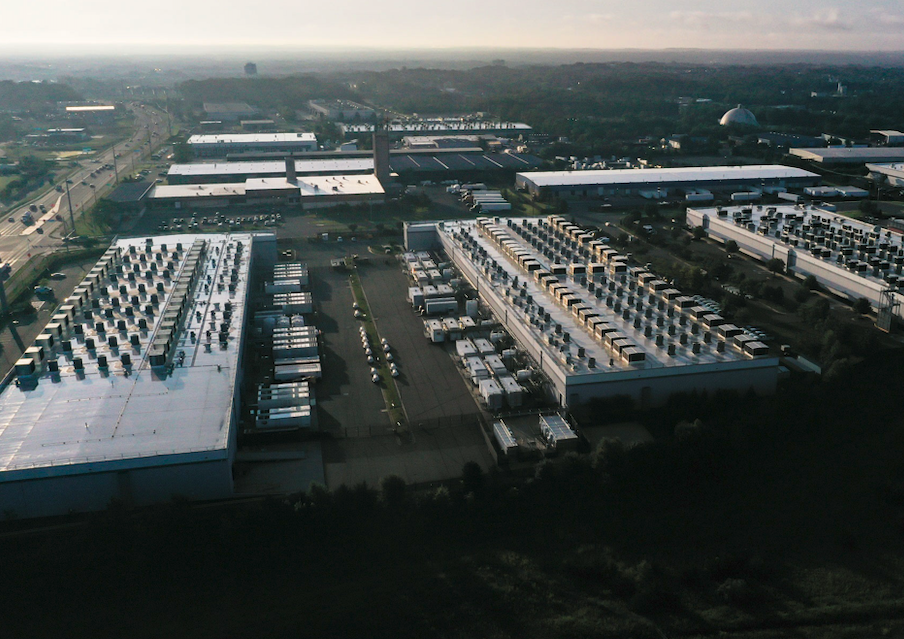
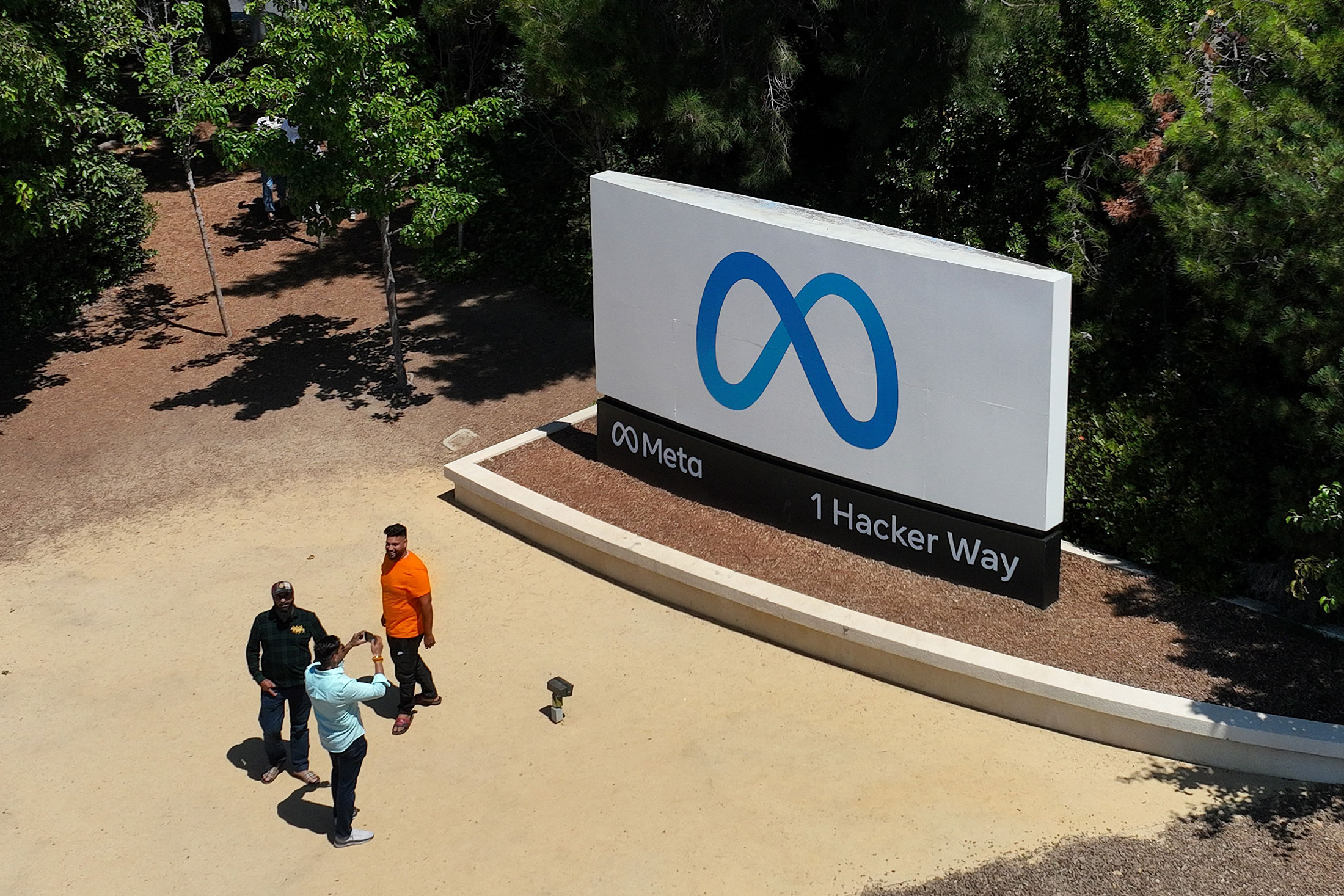
Meta Platforms Inc. has selected Pacific Investment Management Co. and Blue Owl Capital Inc. to lead a $29 billion financing for its data center expansion in rural Louisiana as the race for artificial intelligence infrastructure heats up, according to people with knowledge of the matter.
As the Federal Reserve (Fed) conducts its quinquennial review of monetary policy, it must recognize the severe shortcomings of its current policy framework.
Bear markets are part of a normal market cycle. Understanding their basics and history can help investors make strategic investment decisions when bear markets occur.
What if you could capture the potential gains of the S&P 500, but limit your losses if the market goes down? Or earn above-market income given the right stock market conditions?
The new US tax law raises the SALT deduction cap and adds a new deduction for seniors.
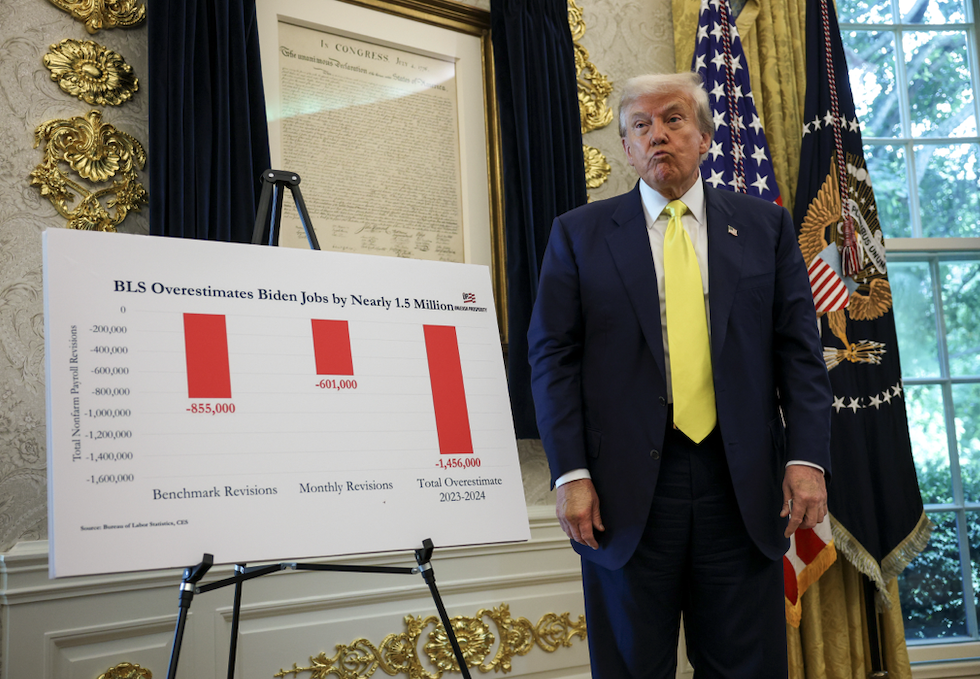
President Donald Trump made headlines when he fired Bureau of Labor Statistics Commissioner Erika McEntarfer after a particularly bad July jobs report, calling it rigged.
Volatility across major asset classes is currently sitting at unusually low levels. While volatility is often viewed as a broad measure of risk in financial markets, its role has evolved significantly in recent years.
Investing in healthcare has long been a cornerstone of defensive, long-term growth strategies. It is, after all, a massive and expanding segment of the global economy.
While inflation has come down from its peak, it has proven stubborn to get below the 3 percent mark.
Recessions in the United States have become less frequent over time.