The Fed’s in a bind. Policy uncertainty is high. And tariffs are likely to hit the U.S. economy with a “stagflation-lite” impulse in coming quarters—weaker growth and higher prices.
Local currency rates and FX screen very attractive, while hard currency credit is neutral+.
With uncertainty rising and credit markets flashing early warning signs, RBA explains why now might be the time to sidestep risk—and where investors can still find attractive, high-quality returns in fixed income.
President Donald Trump’s recent executive order revives many of the SDI’s ambitions, albeit with a modern twist. His January 27 directive launched what he first called an “Iron Dome for America,” later rebranded as the “Golden Dome.”
High-yield bonds may be an attractive choice for investors looking to rebalance portfolios.
Unexpected wider and larger-scope tariff announcements have sent tremors through bond and equity markets, resulting in a brisk sell-off that signals investors’ caution.
Join the experts at Allspring Global Investments for a robust Q&A covering equities, concentration, and diversification.
We have good and bad news for investors who want to know whether the stock market will soar, stall, or plummet. First, the good news. This article presents a market path for what lies ahead. Unfortunately, the “right” path lies among three likely scenarios.
Gold has been a high-performing investment over the prior year. It has rallied on the back of falling short-term interest rates and recently increased uncertainty about global trade and economic growth.
On this episode of the “ETF of the Week” podcast, VettaFi’s Head of Research Todd Rosenbluth talked about the the WisdomTree Floating Rate Treasury Fund (USFR) with Money Life host Chuck Jaffe. The pair covered a range of topics related to the fund, providing investors with a deeper understanding of the ETF.
In this article, I will discuss another advantage of using the actuarial approach for retirement planning — helping your clients determine when they can afford to make big-ticket item purchases.
Emerging-market stocks rose for a second day, with the benchmark gauge heading for a three-week high amid optimism over corporate earnings.
Private equity firms are scouring for investment opportunities in European defense, chasing the once shunned sector in an effort to benefit from a historic switch to military expansion in the region.
The “Sell America” trade that gripped markets this month has left a potentially lasting dent in investors’ willingness to hold the US government’s longest-maturity debt, a mainstay of its deficit-financing toolkit.
The last time Big Tech delivered earnings, Donald Trump had just started his second term, stocks were soaring on expectations of a pro-growth agenda and investors’ main worry was how long it would take companies to convert their artificial intelligence spending into profits.
It’s harder to make it as a professional stock picker than it used to be, which is saying a lot because it was never easy.
US economic policy is still, let’s say, lacking in strategic clarity. It continues to oscillate; where it will end up is hard to say. But events have yielded some new information: President Donald Trump is alert to “yippy” financial markets.
Chief Economist Eugenio J. Alemán discusses current economic conditions.
Are you a “speculator” or an “investor”? This is an essential question that every individual deploying capital into the financial markets must answer. The reason is that how you answer that question determines how you should behave during market cycles.
Historically the United States dollar strengthens when U.S. Treasury yields rise. But the reverse happened in April after the White House announced widespread tariffs.
I don’t believe the current level of tariffs will be maintained. I think most of them will be walked back, and the country will adapt to, say, a 10% tariff here and there. The Chinese (and a few other countries) tariffs are different in that they will have a more significant impact.
Five pivotal U.S. economic considerations, including tariffs, monetary policy, fiscal policy, debt overhang, and demographics, are aligning to depress economic growth for the balance of this year and into 2026.
U.S. policy uncertainty and the ebbs and flows of AI advancement are likely to stoke continued volatility in the world’s stock markets.
In the Middle Ages, a common form of punishment was some form of mutilation, which included cutting off the nose of a prisoner or purposefully marring one’s own appearance before the arrival of conquering armies
Former Federal Reserve Vice Chair Richard Clarida shares three charts highlighting possible macro inflection points in the business cycle: from growth and inflation to debt and labor.
There's a tectonic shift unfolding in global finance—subtle in appearance, but profound in implication. The traditional signposts of market anxiety—stocks, bonds, even crypto—are being bypassed in favor of something far older: gold.
The US is running a substantial net trade deficit with the European Union (EU). Europe has a surplus—but with more exports at risk, it also has the weaker position in a potential trade conflict.
Investors are currently using leveraged ETFs to embrace market volatility, particularly in disruptive technology.
This week's economic data revealed a split in the housing market. New home sales unexpectedly surged while existing home sales declined.
Tax planning for high-income earners isn’t about loopholes; it’s about leveraging the strategies available to you.
A well-planned defensive strategy can position equity portfolios to be resilient in a very harsh market environment.
US stocks pared earlier losses with big technology stocks driving gains and hopes for tariff deals overshadowing concerns over deteriorating consumer sentiment and mixed corporate earnings.
Google parent Alphabet Inc. reported first-quarter revenue and profit that exceeded analysts’ expectations, buoyed by continued strength in its search advertising business.
Jerome Powell’s determination to ensure any jump in prices stemming from Donald Trump’s tariffs don’t spread through the economy has earned him the moniker “Mr. Too Late” from the president.
Join the experts at GraniteShares for a free educational webcast exploring how advisors can get their clients diversified income exposures despite tumult in the markets.
A three-day US stock rally took a breather amid deteriorating consumer sentiment and mixed corporate earnings that raised concerns about the impact of global trade war.
Tesla Inc. reported abysmal numbers for the first quarter on Tuesday evening. Naturally, Chief Executive Officer Elon Musk kicked off the call with a discussion on why he must fix America’s finances, facing down an army of alleged moochers.
It was supposed to be a slam dunk: once President Donald Trump was reelected, the US crypto industry would get its long-awaited regulatory clarity in the form of fresh new laws to govern the asset class.
Treasuries jumped after comments by a Federal Reserve official bolstered odds that the central bank will cut interest rates as early as June.
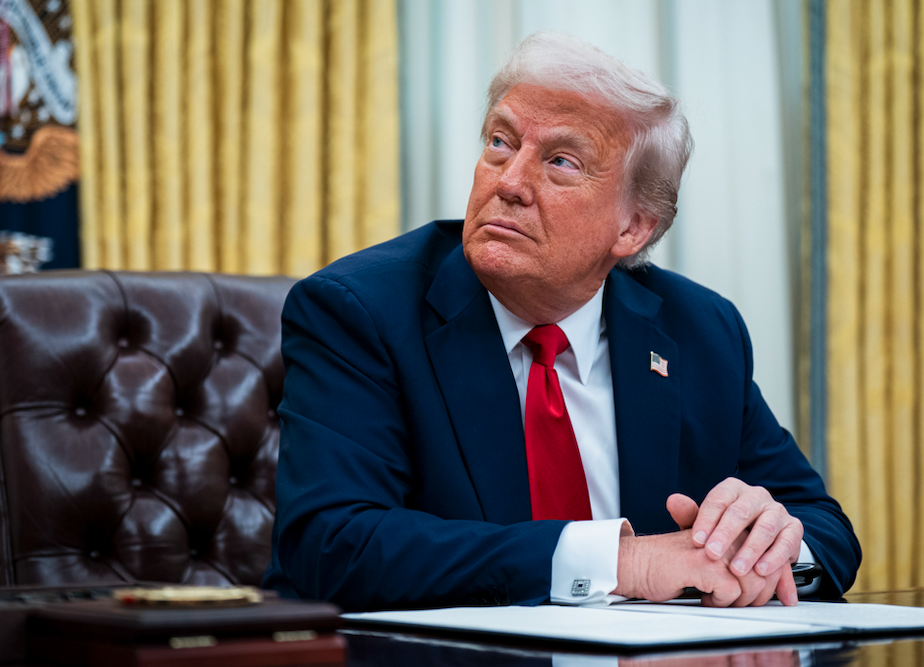
President Donald Trump said he would “absolutely” sign a bill banning congressional stock trading, saying he was concerned lawmakers could be using insider information for an advantage.
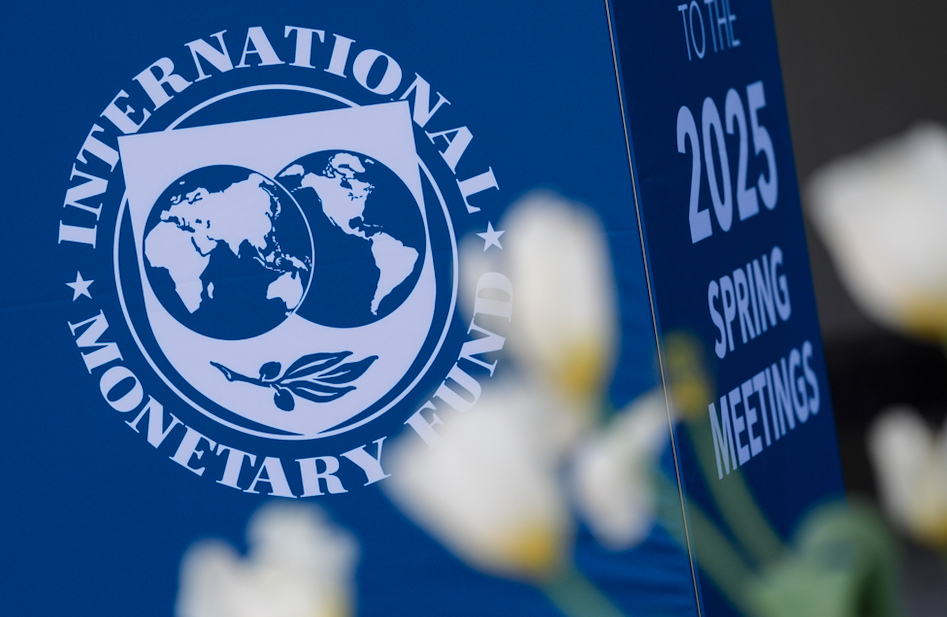
Banking leaders and policymakers gathered for the International Monetary Fund’s spring meetings downplayed the prospect of a looming financial crisis, despite warnings that the US-led trade war threatens global market stability.
Asia-Pacific will likely be the hardest hit region from a steep increase in U.S. tariffs.
Downgrades and defaults can detract from corporate bond portfolio performance. Let’s look at how applying fundamental credit research may help reduce these risks.
A raft of reciprocal tariffs between China and the US could bruise China’s export revenues in the short term. But its domestically focused economic engine and shrinking dependency on US trade should minimize fallout in the long run.
Many retirees hold substantial assets in traditional IRAs and taxable brokerage accounts. When planning for retirement income and considering your legacy, Roth IRA conversions can be a strategic way to reduce your tax burden and maximize the wealth you pass on to your heirs.
Risk-assets struggled amidst extremely volatile price action as investors weighed the probabilities of tariffs hitting profits and valuations.
How our open platform of best-of-breed managers allows us to distill complexity in the face of market turbulence by tapping into their collective intelligence.
A tax-advantaged account offers certain tax benefits to encourage individuals to save or invest for specific purposes, such as retirement, education or healthcare. These accounts can help you lower your taxable income, defer taxes or avoid taxes altogether if used for qualified expenses.
A historic sell-off enhances value, with high yields, strong fundamentals, and ample reserves mitigating policy risks.
As major tech firms like Apple and Microsoft report, they face questions about the impact of tariffs. Q1 results may be discounted, with strength seen as pre-tariff demand.