SEI® (NASDAQ:SEIC) today announced that Summit Wealth Group, a fast-growing enterprise advisor practice, has selected SEI to support the firm’s vision and evolution for strategic growth.
The Covid-19 pandemic brought some big shifts in the US labor market. The biggest was the departure of millions of older workers, ending a decades-long rise in employment and labor-force participation rates for those 65 and older.
Even in normal times, managing an investment program is a challenging job. But when you add on tariffs and trade wars, it's bound to lead to some sleepless nights. Learn how an OCIO firm can provide relief.
Stable value funds can offer capital preservation and stable returns. Our Mike Dullaghan explains the key role of stable value in long-term retirement savings.
Many American consumers recently endured their first inflationary cycle, and recent trade headlines have elevated fears of a another bout with higher costs. While not impacted by tariffs, energy markets may play a critical role in driving the price level during the balance of this year.
With flexibility, humility and disciplined processes, equity investors can find a way forward.
A massive budget bill of tax and spending cuts, as well as a debt ceiling debate loom as Congress returns from its Easter recess.
Doug Drabik discusses fixed income market conditions and offers insight for bond investors.
First, let’s check the market action. Fortunately for stocks, the public has come around to a thesis that the sky is not falling, though there are a ton of market viewers who remain decidedly skeptical that the worst is behind us.
The current level of tariffs of 145% on Chinese goods and 125% on US goods going into China amounts to a trade embargo between the two countries.
"This earnings season is critical". We've heard that line before, but this time we believe it really is.
Despite the recent rally, the correction continues. While wanting to “buy the dip” is tempting, there has been enough technical damage to warrant remaining cautious in the near term.
By familiarizing yourself with innovative FCF techniques, you can gain valuable insights that may help you navigate market shifts and unlock opportunities for potential long-term growth. Join the experts at Victory Capital for a robust exploration of FCF and learn how you can deploy it to potentially improve your portfolio.
After the U.S. imposed substantial tariffs on China, Beijing responded with tariffs of its own and with restrictions on exports of seven rare earth minerals. The latter action will be a particular hindrance to American manufacturers.
Margin debt is the amount of money an investor borrows from their broker via a margin account. Margin debt is often seen as a measure of investor sentiment and risk appetite. High levels of margin debt can signal confidence, but extreme spikes may also indicate excessive speculation, increasing the risk of market instability.
VettaFi Voices connection discuss where the money flowed since the tariff developments. They also reviewed recent award winners.
Operating as a one-person shop means you’ll wear many hats, but there are common pitfalls you can avoid — and marketing strategies that can help you make the most of your time and resources.
Right now, you don’t want to burn any bridges anywhere, as you don’t know how things will unfold. Be professional and be kind. But you also have every right to set boundaries and to protect yourself!
When Meta Platforms Inc. reports earnings on Wednesday afternoon, the social media giant will face a high hurdle to satisfy anxious investors.
One of the best-known market trends, the “sell in May” effect is backed by decades of historical performance: Investing in a fund that debuted in 1993 and tracks the S&P 500 during the May-October period yielded a cumulative return of 171%, compared to a 731% gain for November-April, an analysis from Bespoke Investment Group found.
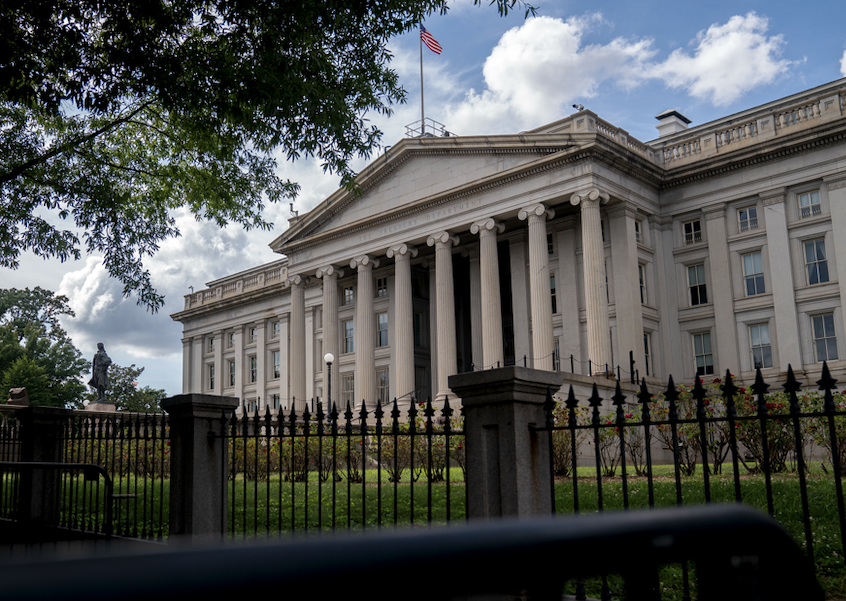
The Treasury Department said it’s now looking at “enhancements” to its buybacks of older US government debt securities, just weeks after Scott Bessent hinted at the potential to beef up the program in the event of any major market turmoil.
Morgan Stanley is launching a private equity fund for its widest audience yet — investors wielding a few million dollars — as asset managers help broader masses into the once-exclusive realm.
The real estate industry is at the forefront of a lobbying blitz to sway Congress to preserve the carried interest tax break that President Donald Trump wants to abolish in a giant tax bill pending in Congress.
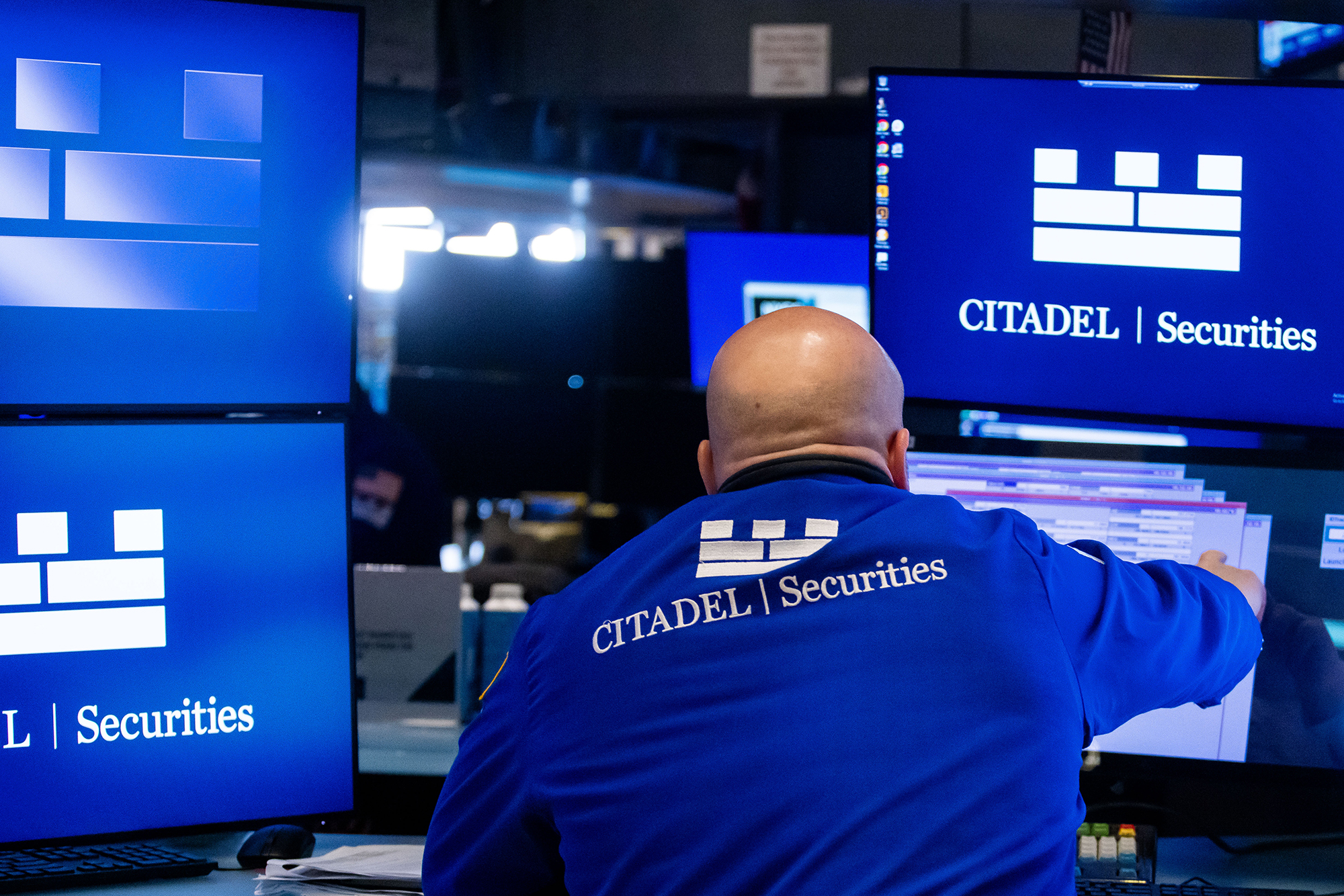
Citadel Securities is urging the Securities and Exchange Commission’s new leadership to examine a list of what it argues are emerging and mounting risks, including opaque trading in so-called private rooms and the push by US stock markets to operate around the clock.
The fintech revolution has opened doors to optimizing home office operations, but the question remains: How can wealth managers effectively harness their tech stack to reduce fragmentation and simplify processes related to vendor workflow management?
Sharp losses in investment grade (IG) corporate bonds this month have reminded us of the potential advantages of rules-based fixed income ladders.
Recession risk remains elevated, likely only receding with a fuller "pivot" in tariff-related uncertainty. While every recession is unique, history can provide a guide.
Think of the drafting process like investing—scouts meticulously rank players based on their strength, speed, flexibility, and mental acuity, much like we analyze the economy and financial markets to shape our outlook. The true value of these players might take years to unfold...
The markets rebounded strongly last week, holding ground despite the lingering cloud of uncertainty surrounding tariffs and trade negotiations. Importantly, while tariffs and dollar weakness are stirring short-term concerns, long-term inflation expectations remain firmly anchored, setting a strong case for the Federal Reserve to begin cutting rates.
As we have written…The Era of Easy Everything is ending. Part of this involves bringing inflation back to the Federal Reserve’s target of 2.0%. We could debate that number, but the Fed is getting closer.
While most market watchers have focused on the wildly yo-yoing stock market over the last few weeks, the Treasury bond market has been flashing warnings.
Small-caps have suffered in early 2025, but increased market breadth could support a recovery.
Register now and join AllianceBernstein’s fixed-income experts as they discuss how to navigate the current economic landscape characterized by these issues.
Barry Ritholtz, Chairman and Chief Investment Officer of Ritholtz Wealth Management, breaks down the current market environment and discusses key ideas from his latest book, How Not to Invest. VettaFi’s Todd Rosenbluth offers highlights from the 2025 etf.com Awards.
Perhaps it’s time to improve upon indexing? Join the experts at Fidelity to learn more.
Ultimately, advisors should choose a rebalancing strategy that best serves their client’s needs without putting undue strain on their own operations.
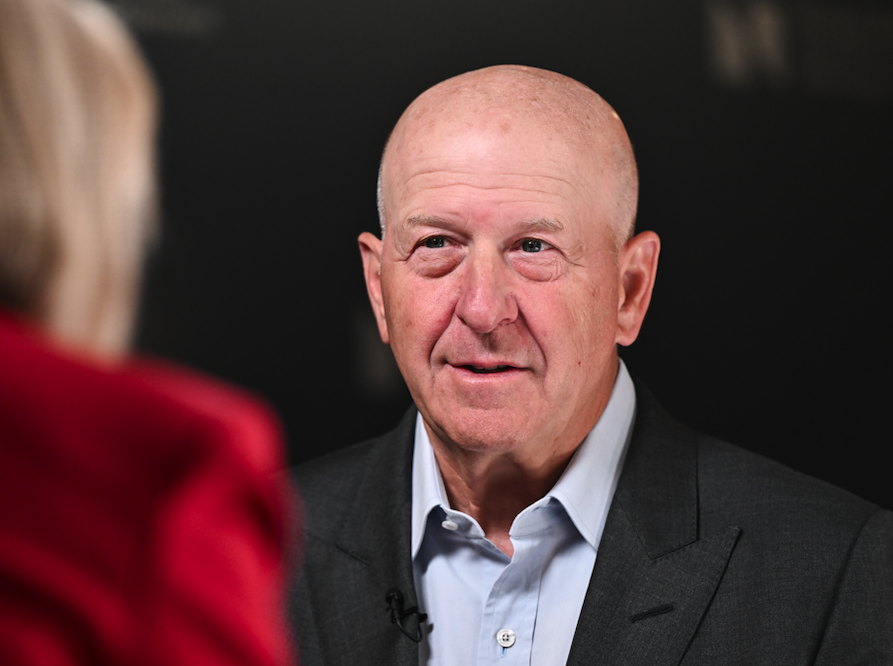
Goldman Sachs Group Inc. Chief Executive Officer David Solomon said he believed that activity in mergers and public listings will find a comfortable level despite uncertainty that’s led to a slowdown across investment banks.
US stocks traded steady on Tuesday as traders digested a slew of corporate earnings results and parsed comments from the White House about trade negotiations.
Cryptocurrency investors waded back into the market last week, riding a surge in Bitcoin.
There are plenty of frustrated silver bugs. Gold is outperforming once again, and they wonder when silver will finally catch up.
In this video, Chuck Carnevale, co-founder of FAST Graphs, aka Mr. Valuation, evaluates three major defense companies—General Dynamics (GD), Lockheed Martin (LMT), and RTX (formerly Raytheon/United Technologies)—through the lens of FAST Graphs, a fundamentals-based research tool. He emphasizes that this analysis should be just the beginning of deeper due diligence.
Social Security does face challenges. The trust fund reserves, built up during years when payroll taxes exceeded payouts, are projected to run dry around 2033. If Congress does nothing, benefits will need to be cut by about 20%. That’s serious, but it’s a solvency issue, not a scam.
If you want to be a superstar producer, who operates as a category-of-one business, then you must never accept the industry “norms” that are really barriers holding you back from achieving your full potential.
The sole pursuit of shareholder value — i.e. of maximizing stock price — leads not to a focus on creating the greatest possible value for the firm’s customers, but to a focus on financial metrics and financial engineering.
Europe’s automakers were huge beneficiaries of globalization, but now the hangover has arrived — and Porsche AG and Volvo Car AB look particularly sickly.
Treasury Secretary Scott Bessent has a plan to prop up a government-bond market destabilized by Washington’s chaotic economic policies: Let banks load up on federal debt.
The panic over the years has inevitably influenced policy even if heeding cooler heads would offer reassurance. Which brings us to the current US administration.
American leaders are now engaged in an effort to reverse the loss of manufacturing. The hope is to restore a path to prosperity for struggling regions and their residents. Tariffs are being employed liberally as a means to this end.
Peak earnings season kicks off this week, with 7,600 companies, or 70% of our equity universe expected to report over the next three weeks.
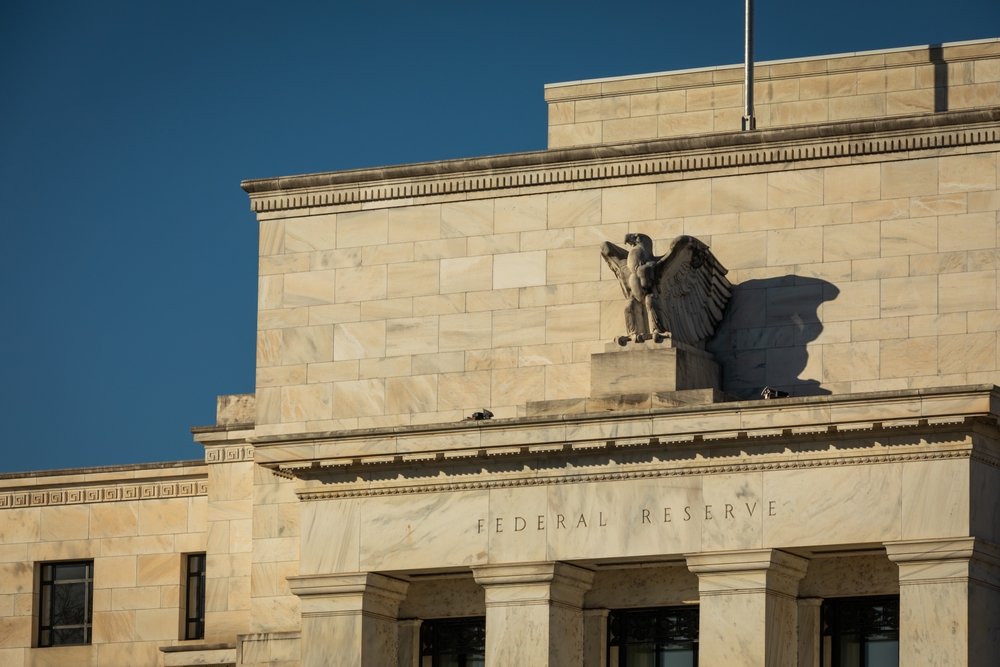
Although President Trump has said he has no intention of firing Fed Chair Powell, the Trump administration may be testing the laws underpinning Fed independence.