If you’ve been inside a Walmart, Target or Home Depot in the past week, you may not realize that a trade war is underway between the U.S. and China, the world’s two largest economies. Store shelves are well stocked, and prices have largely held steady.
In this video, Chuck Carnevale, Co-Founder of FAST Graphs, aka Mr. Valuation, compares three best payment processors: Visa (V), MasterCard (MA), and Global Payments (GPN). All three share similar characteristics, such as strong earnings growth and consistency, but exhibit significant valuation differences.
This week marks the first 100 days of President Trump’s second term in office—and what a rollercoaster it has been for the financial markets! While presidents often enjoy a ‘honeymoon period’ at the start of their tenure, Trump wasted no time ‘flooding the zone’ by pushing forward many of his key initiatives.
Noise about tariffs, business uncertainty, a constitutional fight, and a drop in stock prices had already created fear of a recession. When real GDP declined in the first quarter of 2025, some started to question if a recession is already here. Let’s take a deep breath and consider the facts.
US markets struggled in the first half of April due to tariff-related worries. The second half saw rallies amid policy reversal.
Warren Buffett is retiring, but his investment advice is likely to carry weight for years to come.
On this episode of the “ETF of the Week” podcast, VettaFi’s Head of Research, Todd Rosenbluth, discussed the PIMCO Multisector Bond Active ETF (PYLD) with Chuck Jaffe of Money Life. The pair discussed several topics related to the fund to give investors a deeper understanding of the ETF overall.
While tariff negotiations may well bear fruit eventually, investors today are trying to figure out the impact of changing trade pacts on GDP growth, interest rate levels, the value of the dollar, and the ability of the Treasury to refinance $9.2 trillion of our $36 trillion federal debt in 2025.
Shockingly, given that I thought most readers would find interest rate swaps dull or wonky, we have received a few emails asking for more information. Given the importance of liquidity to all markets and how interest rate swap spreads are a good liquidity barometer, it's worth giving you that “coming article” now.
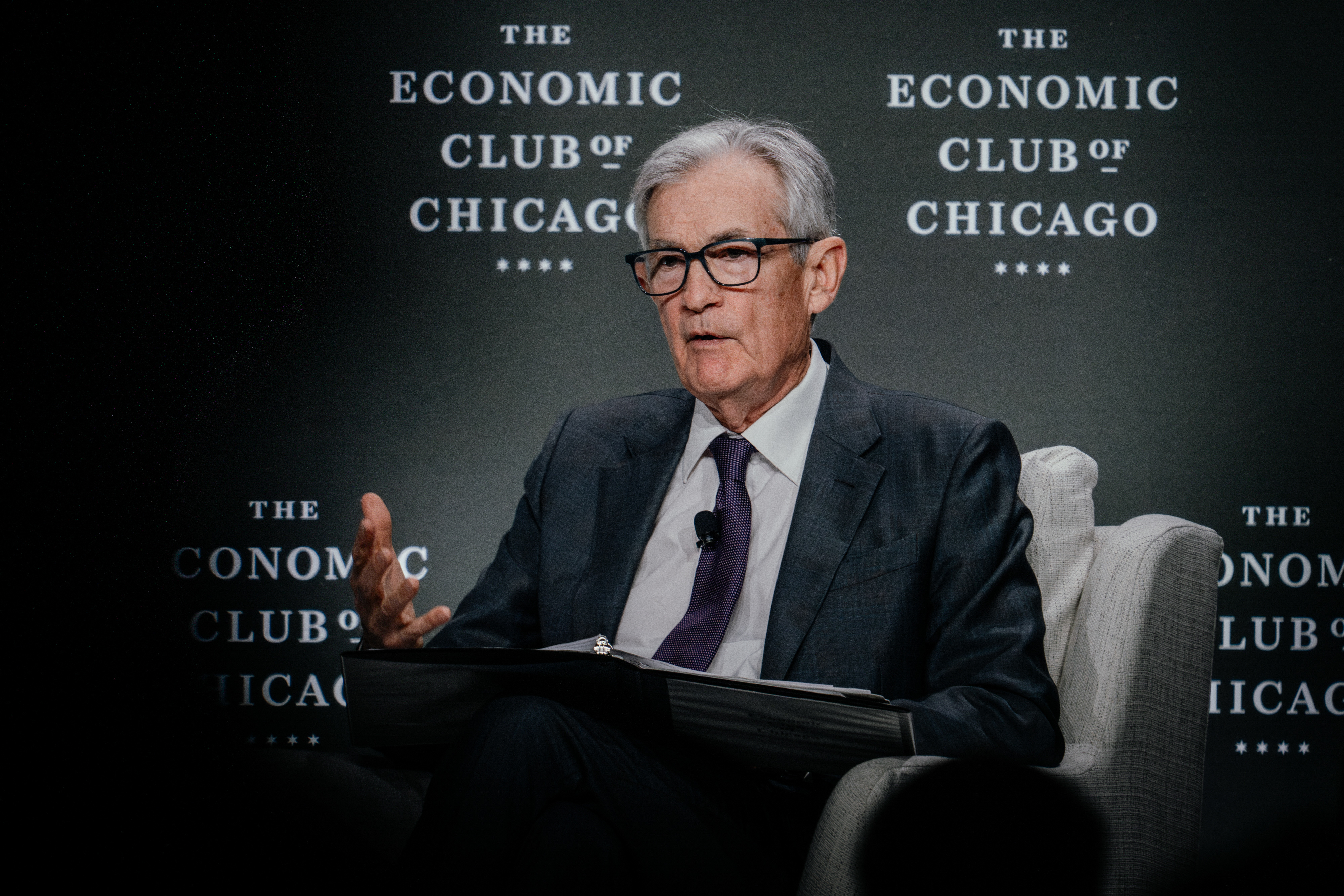
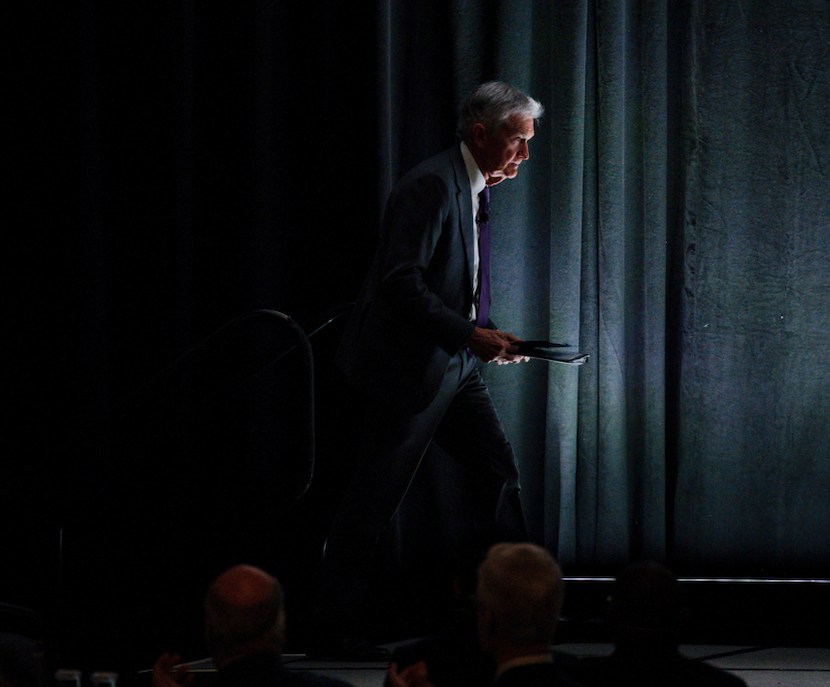
Jim Tuchler, a Chicago-area retailer, and Federal Reserve Chair Jerome Powell have a lot in common these days.
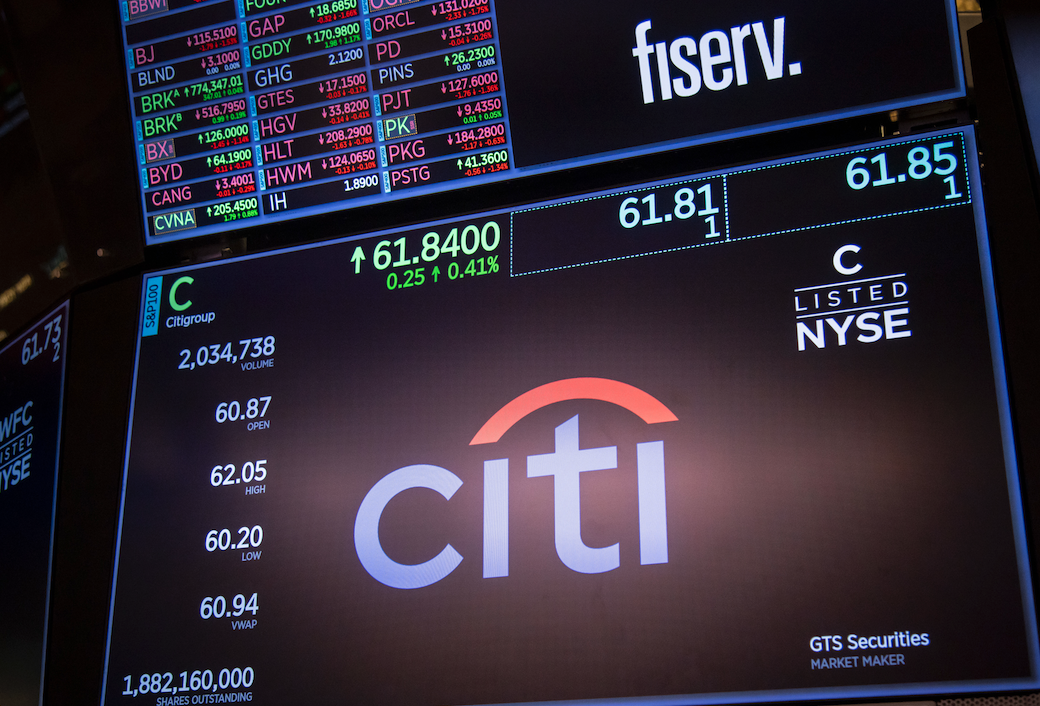
Citigroup Inc. is ramping up lending to private equity and private credit groups, working to catch up with peers like JPMorgan Chase & Co. and Goldman Sachs Group Inc. after the bank spent years on the sidelines.
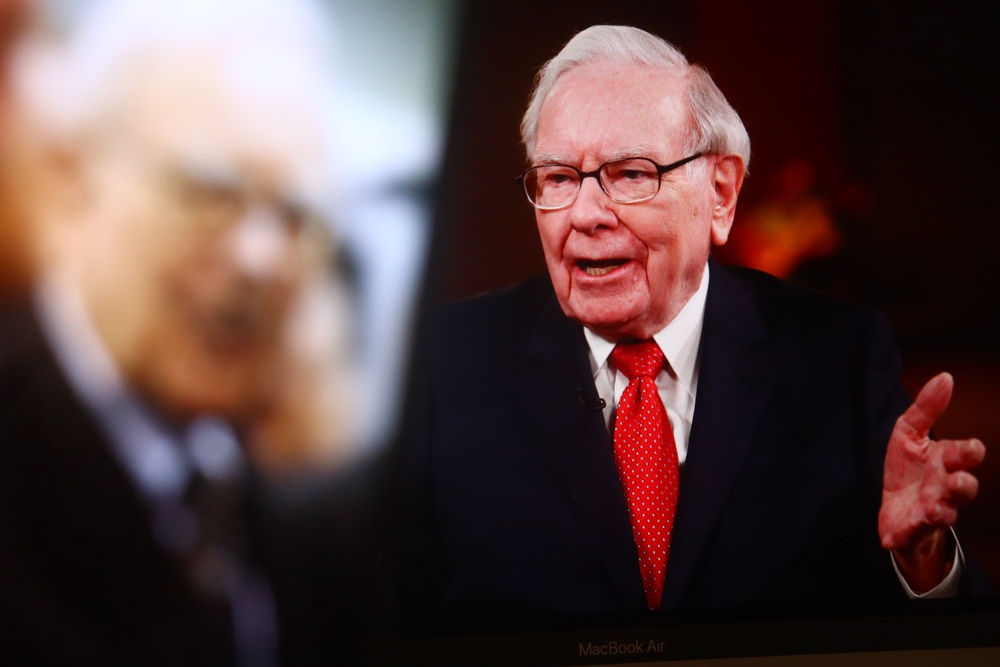
Warren Buffett is stepping down as chief executive officer of Berkshire Hathaway Inc., the company he built alongside his later partner Charlie Munger for the past six decades.
Ahead of this quarter’s crop of tech earnings, I predicted companies would be reluctant to offer much in the way of forward guidance given the almost Covid-like upheaval of the global economy thanks to President Donald Trump’s tariffs. I was half right: There was some guidance — though it arrived with a large asterisk.
Warren Buffett picked the final minute of his 60th shareholder meeting to drop a long-awaited announcement that was still completely surprising for his fans, most of his board and even his successor.
Understanding and integrating resilience into investment strategies is not just prudent, it is critical for navigating the complexities of the current market landscape. In this article, I lay out seven key principles towards building resilient portfolios.
In investing, success is often judged by numbers—returns on investment, percentage gains, and the ability to outperform benchmarks like the S&P 500. However, some investors frequently pursue a peculiar set of “awards” without realizing the pitfalls they embody.
Last week's economic data arrived against the backdrop of a buoyant stock market enjoying a nine-day winning streak — its longest since 2004.a
The GDP report for the first quarter of the year showed a very engaged business sector as it rushed to try to minimize, as much as possible, the future impact of higher tariffs.
While the S&P 500 index was almost unchanged in April, the dollar remained extremely weak, ending the month down over 4%.
April was a volatile and policy-sensitive month in the markets. Every week, my colleagues and I were joined by Professor Jeremy Siegel to discuss how macroeconomic data, Federal Reserve policy and the variety of tariff proposals from President Trump shaped sentiment and the investment landscape.
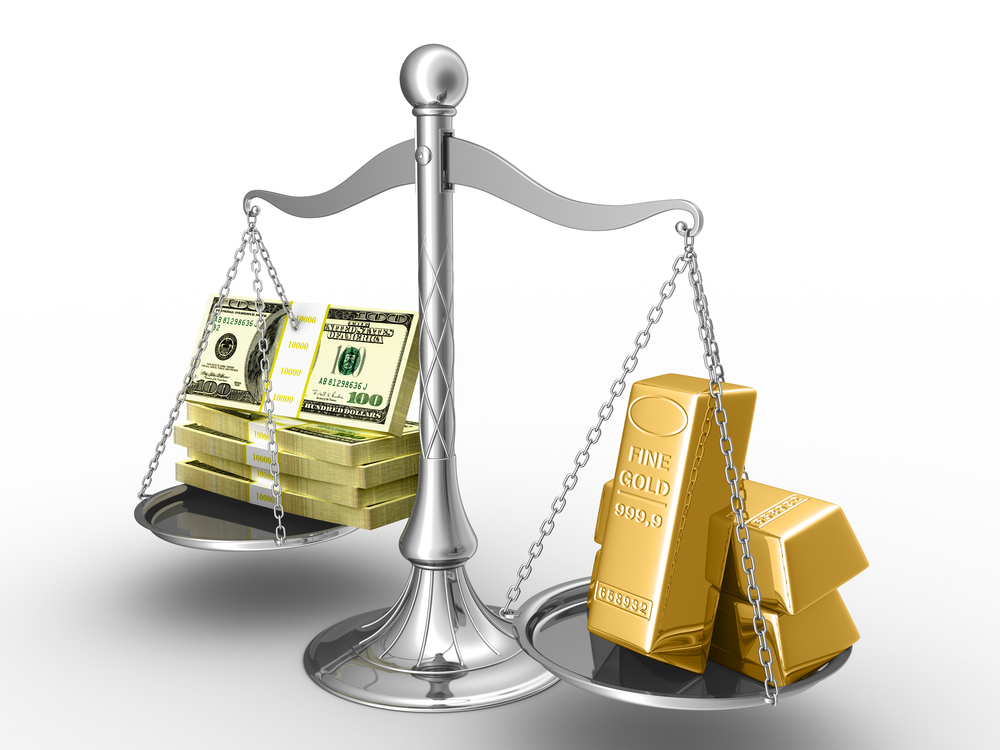
Inflation is caused by the growth of the money supply, and gold is a strong hedge because it rises alongside it.
Economic data can be soft or hard. “Soft” data reflects attitudes, expectations, opinions, and feelings. It’s a step removed from the “hard” data reflecting actual events. Soft data is still valuable because future expectations shape the hard data that follows.
For decades, U.S. Treasuries have been universally regarded as a benchmark and a safe haven asset during periods of turmoil.
At the end of April, U.S.-listed ETFs gathered approximately $360 billion of new money.
Amazon.com Inc. said it’s bracing for a tougher business climate in the coming months, echoing concerns from a range of companies that tariffs and related economic turmoil could crimp consumer spending.
The world’s biggest exchange-traded fund just got its biggest endorsement yet.
In this exclusive webinar, Daniela Rus, Director of MIT’s Computer Science and Artificial Intelligence Laboratory (CSAIL), will provide an expert perspective on the state of AI today—where the real innovations are happening and what the future holds.
Lightspeed Venture Partners, one of Silicon Valley’s largest venture capital firms, has changed its regulatory status to broaden its range of investments — following similar moves by Sequoia Capital, Andreessen Horowitz and General Catalyst as they shift away from the traditional VC playbook.
US job growth was robust in April and the unemployment rate held steady, suggesting uncertainty over President Donald Trump’s trade policy has yet to have a material impact on hiring plans.
US stock futures rose Friday, putting the S&P 500 Index on track to post the longest winning streak in more than 20 years after a government report showed buoyant hiring in April, providing evidence of resilience in an economy beset by trade pressures.
Apple Inc. received at least two downgrades on Friday, following quarterly results that reinforced concerns over tariffs and its growth potential.
University of Michigan Consumer Sentiment is a so-called "soft" report, not reflecting "hard" data like GDP or CPI. It moved markets recently, so how much attention should investors pay?
The markets today move at breakneck speed. In fact, if you’ve been watching your 401(k) the past month, you might have gotten whiplash.
Conventional wisdom is that investors should hold gold as an inflation hedge. Over the long term, this is a wise strategy.ok,
Uncertainty reigned through April and likely will continue to do so, at least in the near term. Markets have reacted, both negatively and positively, to every headline coming out of Washington.
In this article, Russ Koesterich discusses the ongoing uncertainty around tariffs and how investors can protect their portfolios against the potential for an environment of prolonged and heighted volatility.
A tense global trade war, policy uncertainty and other investor concerns in recent weeks have unleashed the sharpest market swings in years, with the CBOE Volatility Index (VIX) spiking to 52.3 on April 8.
Businesses may face challenges but there are also a number of tax-smart strategies that can help mitigate tax liability and enhance efficiency. Our Bill Cass discusses several tax-smart strategies to consider.
Like sailors lured by the Sirens' song, today’s investors risk being captivated by seductive narratives in the market. While diversification remains a time-tested strategy for building wealth, we examine the risks and returns investors are embracing today.
In the early years of the artificial intelligence (AI) race, performance benchmarks told a clear story: a handful of frontier models, developed by a few dominant labs, consistently outperformed the rest. In 2024, that changed.
Sustainable adjustments to trade imbalances require supportive monetary and fiscal policies – not just currency intervention.
Vanguard is well-known for making investing more accessible, affordable, and efficient for investors over the past 50 years.
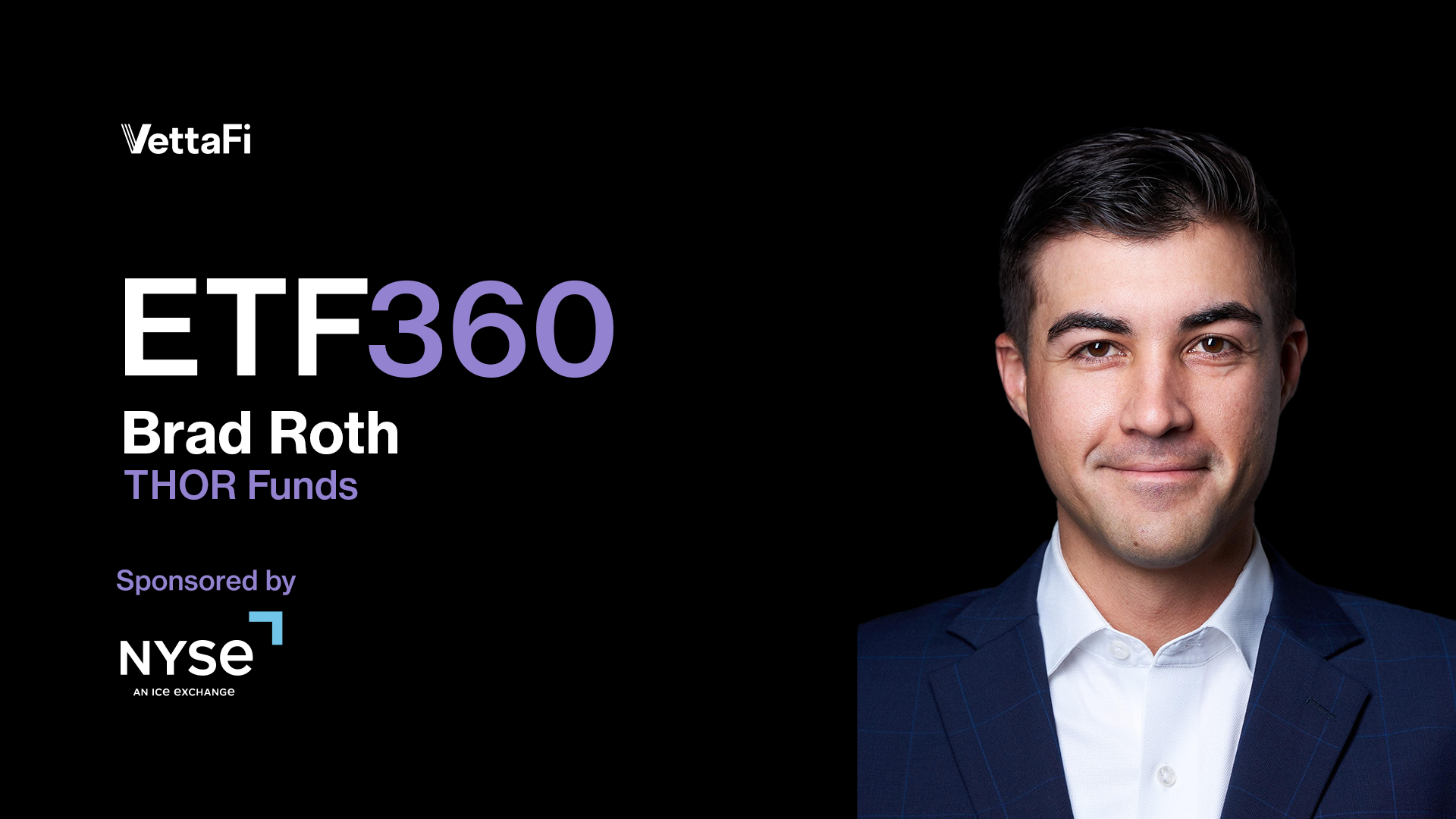
In the latest ETF 360, VettaFi’s Kirsten Change interviewed THOR Funds founding principal and CIO Brad Roth. They discussed two index-based strategies calibrated to manage downside risk. Accordingly, downside protection and risk management are top of mind in today’s unusual market environment.
Join the experts at T. Rowe Price as they provide a sober analysis of the state of U.S. and international equities and discuss their active approach.
The US Federal Reserve is undertaking a major rethink of how it manages the world’s largest economy.
Morgan Stanley is working on a plan to add cryptocurrency trading to its E*Trade platform, in what would be the most significant move by a major US bank to help everyday customers buy into the asset class since the Trump administration began removing regulatory barriers.
The US economy’s contraction last quarter was something of a head fake, driven by a surge in imports as businesses tried to front-run tariffs.
Microsoft Corp. shares jumped after the company reported stronger-than-expected quarterly sales and profit growth, suggesting customer demand for cloud services has held steady despite a wave of tariffs and economic turbulence.
A spate of solid corporate earnings pushed US stocks higher in overnight trading, putting major indexes on track for an eighth straight advance and close to wiping out all of the losses suffered after Donald Trump’s major tariff announcement.
Famous gold skeptic Warren Buffett is right about the dangers of inflation when it comes to non-producing assets, but he’s never been a fan of gold. Monetary Metals has transformed gold into a productive asset by generating a yield on gold, paid in gold, proving Buffett wrong about gold and giving investors new ways to own this timeless asset.