The instinct when deploying any new technology is to start small. Run a pilot. Test with a subset of data, a single team, or a simplified version of the real workflow. That instinct is sensible — but with AI agents, it carries different risks than those that exist with traditional software.
This week J.P. Morgan Asset Management launched two actively managed municipal bond ETFs focused on California and New York debt, offering investors a way to earn tax-free income inside a more flexible and transparent fund structure.
The catalyst that turns a healthy pullback into something deeper won’t be a single oil-soaked CPI print. It’ll be the moment forward earnings expectations start to roll over while valuations sit at the high end of history. We aren’t there yet.
For insurers, fixed income remains the foundation of portfolio strategy. But while public markets have long provided unrivaled sourcing capacity and liquidity, the definition of “core” is widening.
The Federal Open Market Committee (FOMC) meets this week in what will be Kevin Warsh’s first meeting as Chair of the Federal Reserve. President Trump has been vocal about wanting to see lower yields and general consensus is that Warsh was his pick due to Warsh’s general lean towards lower rates.
The slippery slope never fails. Go back to the 1979 Chrysler bailout and we can find the roots of the US government’s current predilection for getting involved in stocks and bonds.
On Monday, June 15, Guggenheim Investments debuted a pair of new fixed income ETFs. Each of these new funds offers an active take on the fixed income space. This may help investors looking to amplify portfolio yield.
On June 12, SpaceX went public with a US$2 trillion valuation—the largest initial public offering (IPO) ever, by far. It has been the most anticipated IPO in more than two decades and likely ushers in a series of high-profile IPOs in the coming months, including for OpenAI and Anthropic.
One of the most debated topics in private credit is the size of the investment opportunity – or, in industry parlance, the total addressable market (TAM). But the way TAM is typically framed can be misleading.
Markets returned to positive territory for the week, with the turning point occurring Thursday after the announcement of a potential deal with Iran that would extend the ceasefire while reopening the Strait of Hormuz for the first time since February 27.
The Iran conflict, inflation reports, and the largest initial public offering of all time each took its turn in the spotlight last week. The fragile ceasefire with Iran looked ready to collapse after Iran shot down a U.S. Apache helicopter, and the U.S. retaliated with strikes on Iran.
J.P. Morgan converted two mutual funds into active muni ETFs for California and New York investors seeking tax-free income.
A massive advisor retirement wave is reshaping wealth management. Discover how $2.5 trillion in assets may fuel industry transformation.
Advisors, who have recently broken away to start their own shops, must learn to strike the right balance when getting personal with clients — and part of that requires data.
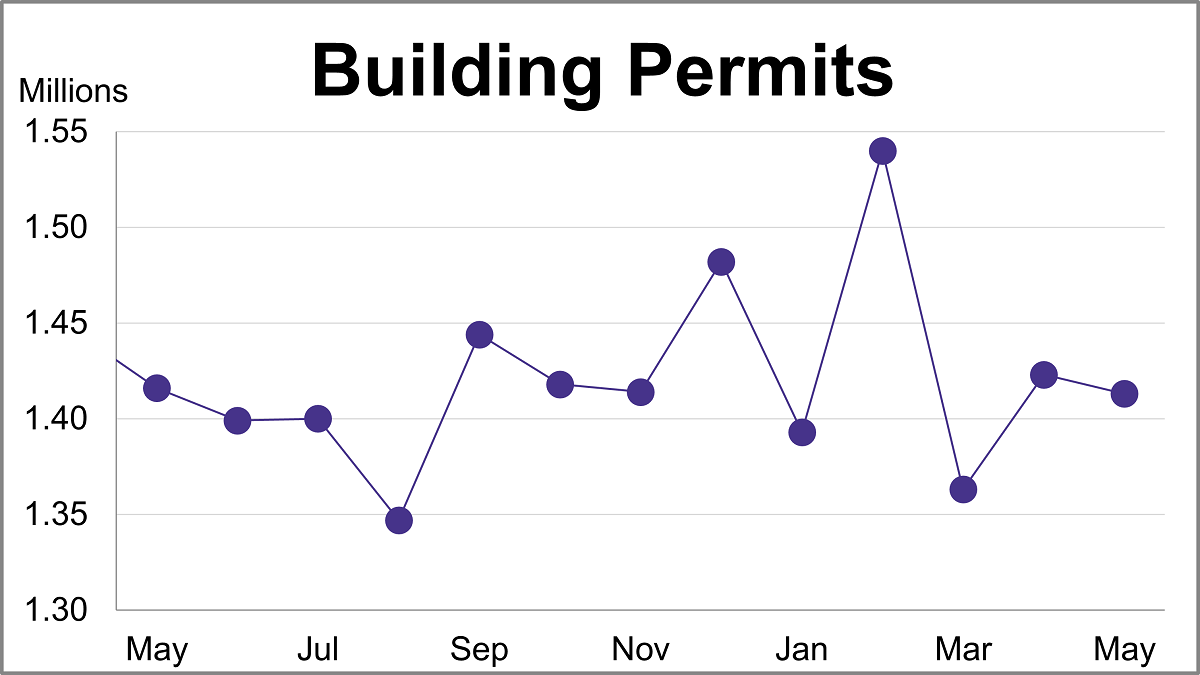
Building permits inched down 0.7% to a seasonally adjusted annual rate of 1.413 million in May. The latest reading missed the forecast of 1.420 million.
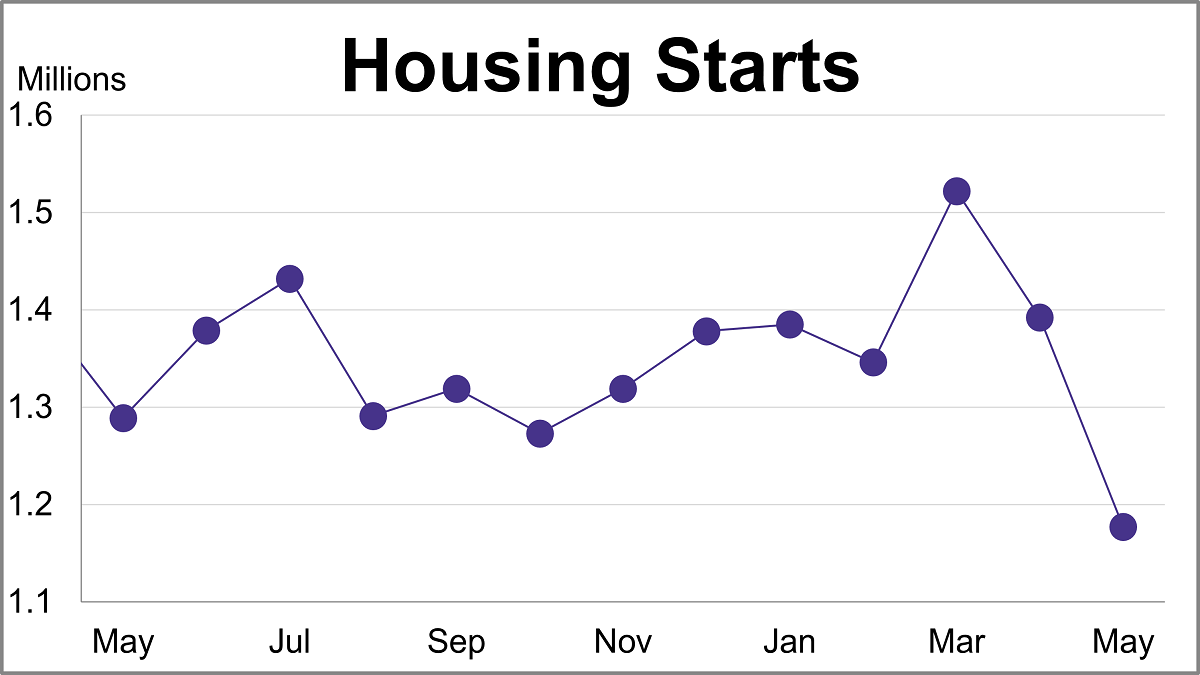
Housing starts sank 15.4% in May to a seasonally adjusted annual rate of 1.177 million, the lowest level in six years. The latest reading was significantly lower than the projected 1.430 million.
Jensen Huang may see Marvell Technology Inc. as the stock market’s “next trillion-dollar company,” but it’s going to take a lot of growth for the chipmaker to even sniff that lofty level.
What prediction markets add is something equities never offered: a way for thousands of people to sell small bits of information — a logistics clerk’s observation, a local journalist’s hunch — that are individually worthless and collectively a forecast.
Financial markets generally displayed exuberance Monday after the US and Iran agreed to an interim peace deal to reopen the Strait of Hormuz. Oil prices fell to the lowest since early March and the S&P 500 Index surged, leaving it just a few points below its all-time high reached at the start of the month.
Brent oil fell below $80 a barrel for the first time in more than three months as the US-Iran deal to reopen the Strait of Hormuz boosted expectations for a revival in supply, with leading Wall Street banks reducing their price forecasts and regional benchmarks collapsing.
SpaceX shares jumped on Tuesday, putting the firm on track to overtake Amazon.com Inc. as the fifth largest publicly traded company in the world just days after its blockbuster debut.
Philanthropy conversations can open the door to multigenerational planning, as clients can bring in their children to contribute to discussions of shared values and charitable goals. For advisors, that creates an opportunity to become not just a financial resource, but a trusted partner who helps clients connect wealth with purpose.
Most couples who argue about money are arguing from different money scripts – the deeply held beliefs about money that each partner formed long before the relationship began. Uncovering and understanding those scripts, individually and together, may be one of the more useful things a couple can do.
Tariff rates will vary, but their persistence is certain.
New Federal Reserve Chairman Kevin Warsh will preside over his first Federal Open Market Committee (FOMC) meeting on June 16-17, stepping in at a complex moment with inflation at a three-year high as oil prices remain elevated, labor market risks easing with job growth averaging ~140,000 year to date versus only 10,000 last year, and hawkish voices on the Fed gaining traction.
As we go to press, fighting in the Mideast has escalated, sending crude higher, but stocks, in early Monday trade, have shown remarkable stability following Friday’s deep selloff.
The U.S. initial public offering (IPO) market appears to be entering one of its most consequential periods in years. After a long drought following the 2021 issuance boom, a healthier macro backdrop, improved risk appetite, and a long queue of mature private companies have reopened the new-issue window.
For many investors, retirement planning becomes most tangible at the start and end of the year. Goals are set in January, then revisited during year-end tax and financial planning discussions. But the middle of the year offers an equally valuable opportunity: a chance to evaluate progress, reassess assumptions, and make adjustments before small issues become larger challenges.
As expected, the European Central Bank (ECB) raised its three key interest rates by 25 basis points (bps) on June 11, responding to the energy shock from the Iran war. Inflation was revised higher for 2026 and 2027, and it is expected to fall to target in 2028. Although we expect one more hike, the timing is uncertain as the ECB is keeping all options open—including the possibility of not raising rates again.
This week the Fed has its first meeting under new Chair Kevin Warsh. For only the third time in US history, the former Chair, Jerome Powell, will still participate as a regular member of the Board of Governors.
Gold has always had a way of testing investors’ expectations. Just when the headlines appear most supportive—inflation is rising, geopolitical risk is escalating and confidence in fiat currency is being questioned—gold can suddenly move in the opposite direction.
Advisors searching for diversification from a concentrated S&P 500 Index often reach for equal-weight strategies. However, a new report argues that all equal-weight approaches are not interchangeable.
Several ETFs have added exposure to Space Exploration Technologies (SPCX) after the aerospace giant completed the largest initial public offering in market history. Trading on the Nasdaq, SpaceX surged 19% from its initial $135 offering price to close at $160.95 per share, notching a historic $2.1 trillion valuation. Actively managed ETF vehicles were able to use their operational flexibility to add positions in SpaceX at its debut.
Join Baron Capital for a product due diligence session covering Baron SMID Cap ETFTM (BCSM).
On the heels of arranging a record $85 billion equity-raise for Alphabet Inc., Goldman Sachs Group Inc. has scored a lesser-known victory for the tech giant in the municipal bond market.
The IPO market is bubbling with excitement. The headlines surrounding the IPOs are hyperbolic, banker fees are enormous, and social media is teeming with bullish sentiment on how high the new shares may trade after going public. While that is all great for clickbait, nobody is asking the most important question. Where will the money come from?
This is the underlying question in several books and articles that have been published recently, most notably Kenneth Rogoff’s “Our Dollar, Your Problem,” and Barry Eichengreen’s “Money Beyond Borders: Global Currencies from Croesus to Crypto” — the latter of which is the subject of this review.
Dr Frank Sortino passed away last month. He was 94. Frank was a good friend of mine. Frank earned the name Dr. Downside for redefining risk as a measure of not achieving your objectives, which led to the fairly famous Sortino Ratio.
Treasuries advanced as investors dialed back expectations for Federal Reserve interest-rate hikes following news of a deal to halt the Iran war.
SpaceX shares jumped in their second day of trading, adding to gains following a blockbuster debut that instantly vaulted it into the ranks of the world’s most valuable public companies.
The US insurance industry recently joined the fossil-fuel industry in its fight to avoid being sued over the damage oil, gas and coal emissions have done to the planet. Given that insurers are supposedly among the world’s biggest sufferers of those same climate-fueled losses, this was a perplexing choice — until you think about why Big Insurance and Big Oil might be on the same team.
There are two processes that we cannot escape: aging and math. This applies not only to human beings but also to large government social-insurance programs.
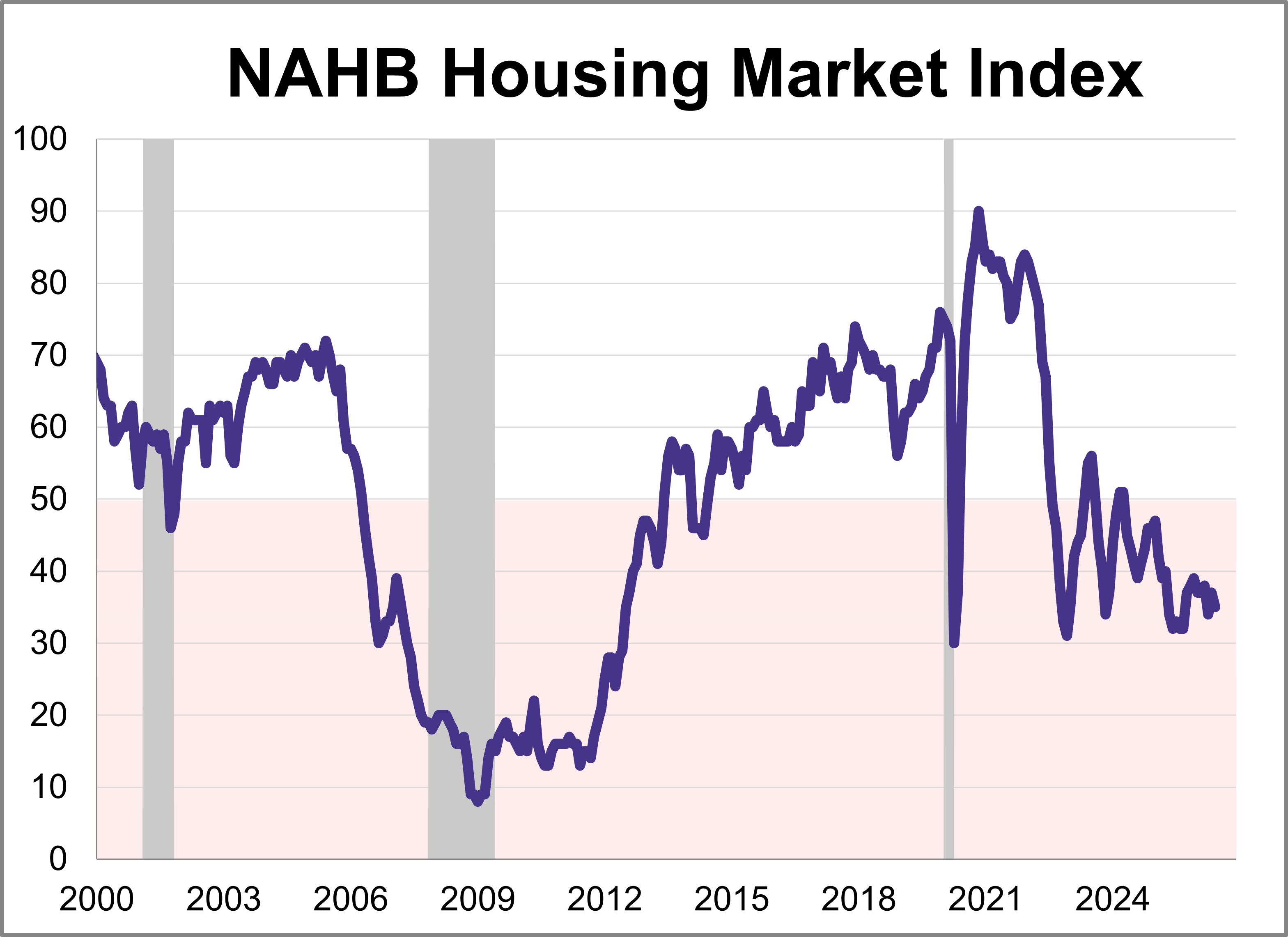
Builder confidence edged lower in June as ongoing affordability challenges continue to affect the housing market. The National Association of Home Builders (NAHB) Housing Market Index (HMI) fell 2 points from May to 35 this month, marking the 26th consecutive negative reading.
VettaFi’s core mission is to provide the index and distribution solutions that help asset managers build, grow, and navigate the markets with precision. Last week we took a massive, transformational step forward. TMX VettaFi signed a definitive agreement to acquire RAFI Indices from Research Affiliates, the undisputed pioneer of fundamental indexing and smart beta strategies.
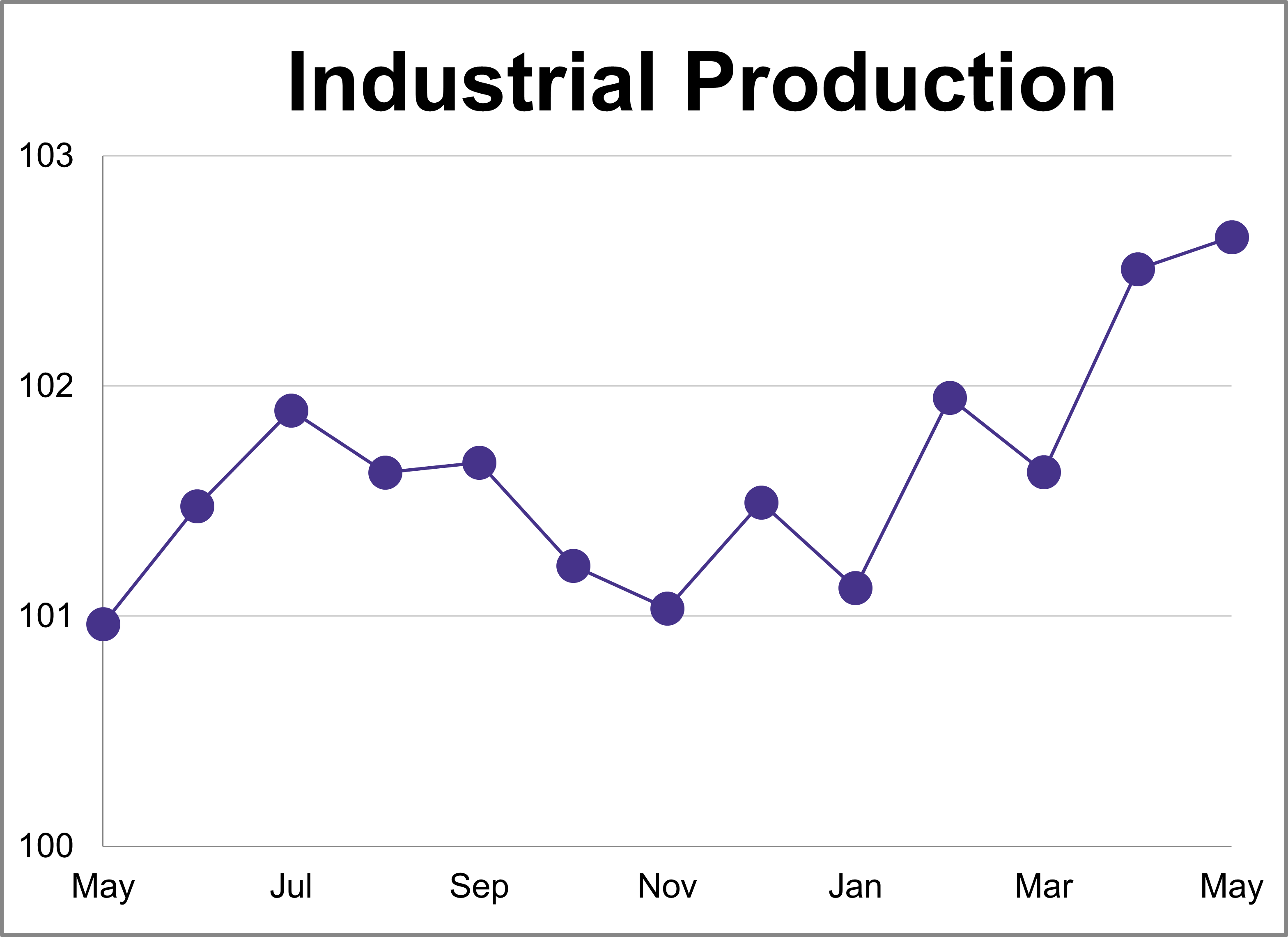
Industrial production rose less than expected in May, increasing 0.1% after a 0.9% jump in April. This was lower than the expected 0.3% growth and marks a 1.7% increase compared to one year ago.
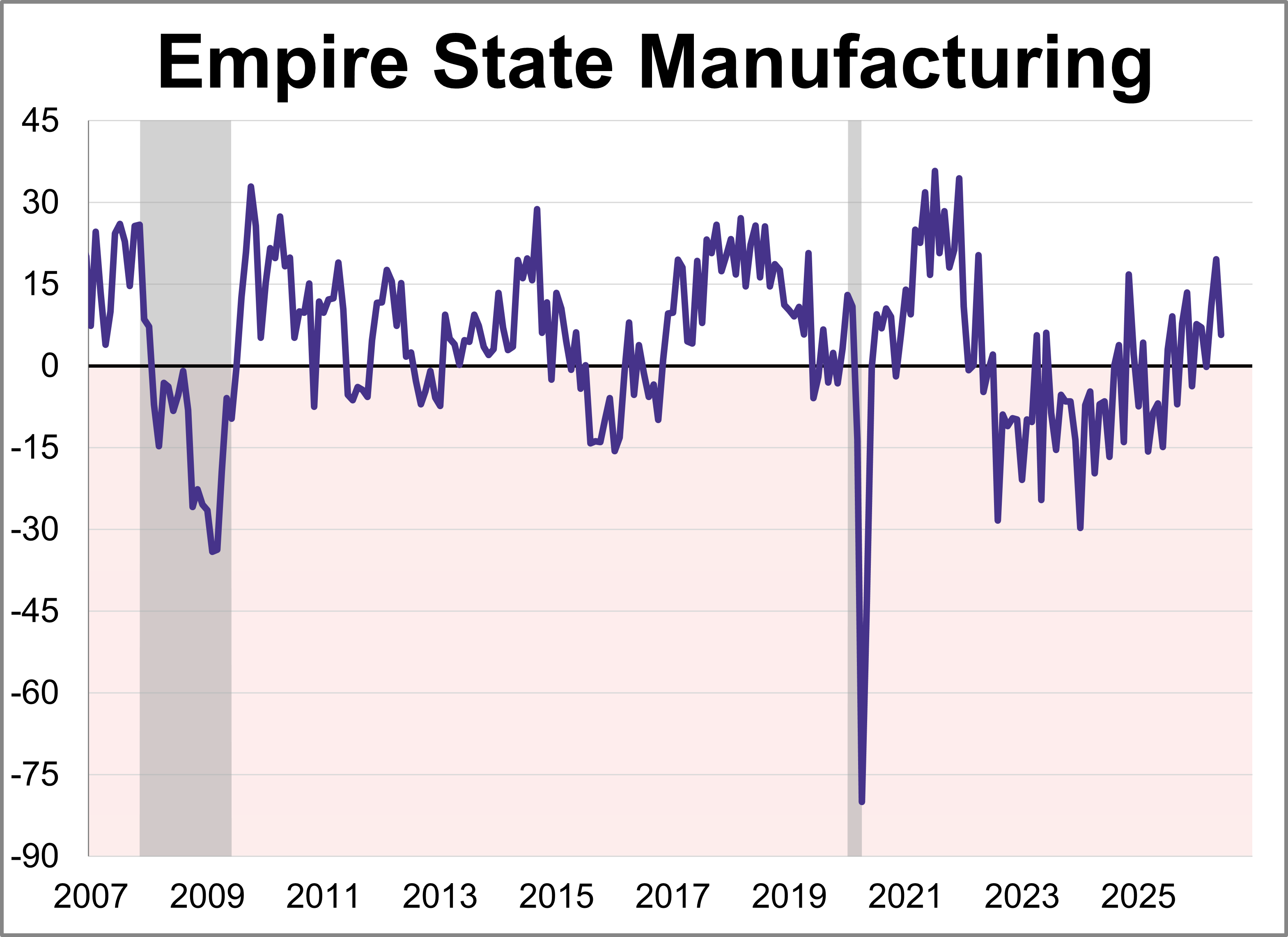
Manufacturing activity rose modestly in New York State, according to the Empire State Manufacturing June survey. The diffusion index for General Business Conditions remained positive but dropped 13.9 points to 5.7, falling short of the 13.2 forecast.
Chris Galipeau discusses high-conviction insights that go beyond media headlines.
This week’s inflation data highlights a growing disconnect between how markets interpret inflation and how consumers experience it. The May Consumer Price Index (CPI) report delivered a nuanced message: While headline inflation accelerated, core inflation remained relatively contained, an outcome that provides some comfort to policymakers.
Given all the interest and hype over the SpaceX IPO, many advisors and investors have been increasingly gravitating towards thematic ETFs that focus on the space industry. Given that the SpaceX IPO is the largest IPO in history, this should not come as a surprise to anyone.
The K-shaped economy has become shorthand for a tidy story. The rich pull away while everyone else falls behind. It fits the mood, and it makes for a sharp headline. The problem is that it’s mostly wrong.