Join the experts at WisdomTree for a product due diligence session focused on their active-passive barbell approach to income.
Trump’s threat to impose 100% tariffs roiled markets Friday, and clearly, if implemented, would send stocks much lower. But this may also be the last salvo before a final deal is worked out.
NVIDIA’s $100 billion partnership with OpenAI signals a paradigm shift, as demand for AI compute infrastructure surges beyond even the boldest forecasts.
With official economic data on pause during the government shutdown, investors are left with limited visibility. Kevin Flanagan explains how markets are leaning on private sources and Fed signals to fill the gap.
Markets digested a quiet jobs Friday without the official payrolls report, but the signal from the other indicators was clear enough: the labor market is slowing at the margin but not falling off a cliff.
Market sentiment has come a long way since the Tariff Tantrum. Earlier this year, the VIX volatility index shot up into the 60s, a fear level previously seen in such episodes as the October 1987 crash and during 2008’s rolling bank insolvencies.
Inflation gave markets exactly what they wanted last week—no surprises.
In 2025, the U.S. dollar's image of unassailable strength is being rigorously questioned. The U.S. government budget deficit remains stubbornly elevated, hovering just north of 6% of gross domestic product (GDP), and the debt-to-GDP ratio is tracking beyond 100%.
Stocks and bonds staged a roller coaster on Fed day but finished essentially where they began—an apt metaphor for a market digesting a quarter-point cut, a split dot-plot, and a Chair intent on starting an easing cycle without declaring victory.
Join the thought leaders at WisdomTree for an educational webcast exploring why what worked yesterday might not work going forward and how you can best prepare for today’s environment.
Although the Fed does focus on its dual mandate of employment and inflation, there is no question that the primary focus right now is on the employment side of the equation, especially given the recent stalling out in new job creation.
One question we’ve been fielding quite a bit of late is what do you think the Treasury (UST) yield curve will do?
Last week’s data sharpened the focus on the pivotal Fed meeting this week. I expect a 25-basis point cut, with real potential for dissents on both sides. Markets are actively gaming out a larger move, but the bar for 50 is still high and would likely require a notably weak retail sales print.
In a recent LinkedIn newsletter, we highlighted how mid-caps have historically delivered a compelling mix of growth and resilience, the "sweet spot" between innovation and maturity.
It’s no understatement to say this could have been the most anticipated jobs report in quite some time.
This summer has been a big one for digital assets in the U.S., with major policy steps moving forward in Washington. The White House has been clear that the goal is to strengthen American leadership in digital financial technology, and the bills and executive actions we've seen over the past two months all fit under that theme.
The market got exactly what it needed last week: confirmation that the economy is slowing—not collapsing—and that the Federal Reserve has the green light to start cutting rates. Payroll gains softened, manufacturing remains weak, and broader job slack is showing up with U-6 underemployment rising to 8.1%.
The house of pain continues with small caps, at least on a relative basis. Year-to-date, the S&P 600 index has posted a 3.0% gain, so it's not like money is being burned. But still, even the Bloomberg Aggregate Bond index is up 4.9% YTD and the S&P 500 is up 10.9%.
Nvidia made a splash last week, or maybe an anti-splash, when it reported earnings and stated an intention to buy back $60 billion in stock.
Here’s how I see it going into a critical data week: the inflation gauges landed precisely on expectations while an ugly July trade gap shaves some growth from Q3, and that combination keeps the Fed on a path to cut 25 basis points at the next meeting.
Europe's defense landscape has undergone a paradigm shift—a rearmament cycle unfolding at a velocity unseen since the Cold War.
While investors often look to the Federal Reserve for macroeconomic signals, Walmart’s earnings may offer even more insight. As a barometer of consumer behavior, pricing trends and tariff impacts, Walmart is a must-watch for anyone trying to understand the real-time U.S. economy.
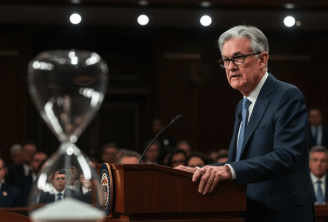
Chair Powell’s speech at Jackson Hole was a proper and long overdue pivot—and the markets immediately rejoiced. This was the dovish signal investors had been hoping for, and even stronger than I expected Powell to deliver.
Following the softer-than-expected July jobs report, the money and bond markets have fully embraced the narrative that a Fed rate cut will be coming at the September FOMC meeting.
We received a slew of economic data this past week, but the true market mover lies ahead this Friday: Chair Powell’s upcoming Jackson Hole address.
Despite headline noise from U.S. tariffs and mixed earnings, India’s structural growth pillars—credit expansion, services exports and infrastructure delivery—remain firmly intact in 2025.
Sam Rines explains why it's time to find out what really drives returns in a shifting macro environment.
The first full week of August offered a concise lesson in how quickly the policy calculus can shift when both politics and data align. Equity markets wobbled after reports that Governor Christopher Waller, not Kevin Warsh, is now the front runner for the next Fed chair.
2025 has been historically turbulent for the dollar, with declines of a magnitude last observed during the global financial crisis
As the Federal Reserve (Fed) conducts its quinquennial review of monetary policy, it must recognize the severe shortcomings of its current policy framework.
Friday’s employment report produced the greatest downward revision in jobs in over half a century (excluding COVID), This is my interpretation of the fallout:
It happened quickly. One minute, the focus was on the furious nature of stocks’ rebound off the April 8 lows. The next minute you start hearing strategists, including ourselves, making references to 2021.
For the fifth meeting in a row, the Federal Open Market Committee (FOMC) decided to keep rates unchanged, leaving the Fed Funds trading range at 4.25%–4.50%.
With August tariff extensions looming, several major companies are now guiding for reduced tariff impacts, a shift that has helped boost market sentiment this earnings season.
The U.S. economy is still proving resilient despite global tensions and trade barriers. The news of a 15% EU deal is very encouraging, and there were few other restrictions in the preliminary agreement.
Despite continued economic resilience, the political storm brewing between President Trump and Federal Reserve Chair Powell has taken center stage.
With inflation proving to be sticky, sovereign debt burdens escalating, and trust in institutions coming under scrutiny, investors are reassessing the role that hard assets play in protecting and preserving long-term purchasing power.
Markets continued their strong run last week before pulling back slightly as a flurry of tariff rhetoric hit the wires. It’s important to understand markets are rallying because they assume these tariff threats are more political posturing than lasting economic policy.
One of the more storied headlines this year has been President Trump’s disappointment with the Fed for not cutting rates. We should all know by now that the President cannot fire a Fed Chair simply because he/she is not lowering interest rates to their liking.
Liberation Day seems like a lifetime ago. But the 90-day pause is almost over, and—thus far—there are few deals that have been consummated.
The headline employment figure came in stronger than expected and better than feared following the weak ADP report, but the details were far from a blockbuster.
Markets notched fresh all-time highs on Friday with a positive tone and geopolitical outlook. Swift retreat in oil back to pre-strike levels, combined with friendlier NATO negotiations and de-escalated fighting in Iran restored risk appetite.
In a recent newsletter, we explored the explosive growth of ETFs and the implications for portfolio construction. In this follow-up blog post, Lauren and I wanted to take that conversation a step further—diving deeper into how advisors can navigate the ever-expanding ETF universe while staying true to their investment philosophy.
As the advisory landscape continues to evolve, one theme is increasingly clear: advisors need more flexibility to meet the diverse and growing expectations of their clients.
ETFs have surged in popularity thanks to their transparency, low costs and tax efficiency. But behind the scenes, a unique dual-market system powers their liquidity and accessibility.
It wasn’t too long ago that you could confidently proclaim that most of the Street was ebullient, maybe even wildly so, with respect to the greenback’s prospects.
The U.S. strike on Iran over the weekend has added a modest premium to oil, and in the Sunday evening market, stocks opened only slightly lower. Any resolution to the crisis could send stocks to new all-time highs.
For the fourth meeting in a row, the Federal Open Market Committee (FOMC) decided to keep rates unchanged, leaving the Fed Funds trading range at 4.25%–4.50%.
Despite consumer fears of 1970s-style inflation, actual CPI has cooled to just 2.4%. Jeff Weniger makes the case that we may be living in a Goldilocks scenario, where price trends align with a stable and balanced economic environment.
This week’s market resilience in the face of rising geopolitical tensions underscores an important structural shift. The Israeli strikes and broader Middle East dynamics, while concerning, sparked only a modest reaction—a far cry from the volatility such events triggered in past decades.