Commodity markets face uncertainty from tariffs, global growth risks and geopolitics, but may show resilience. Tight supply and global stimulus support a constructive long-term outlook.
Swap spreads measure the difference between the interest rate on a swap and the yield on a Treasury bond with the same maturity.
You probably noticed we are having one of those “weeks when decades happen.” Notice also, however, that we are still here. Your investments and businesses may be bruised but you’re still in the game.
Yield spreads are critical to understanding market sentiment and predicting potential stock market downturns. While yield spreads have widened, they remain well below the long-term averages. However, if recession risks increase due to tariffs, sentiment, or illiquidity, those yield spreads will widen further.
Last week’s data can be summarized by a volatile market reacting to tariff news and a backwards-looking inflation reprieve.
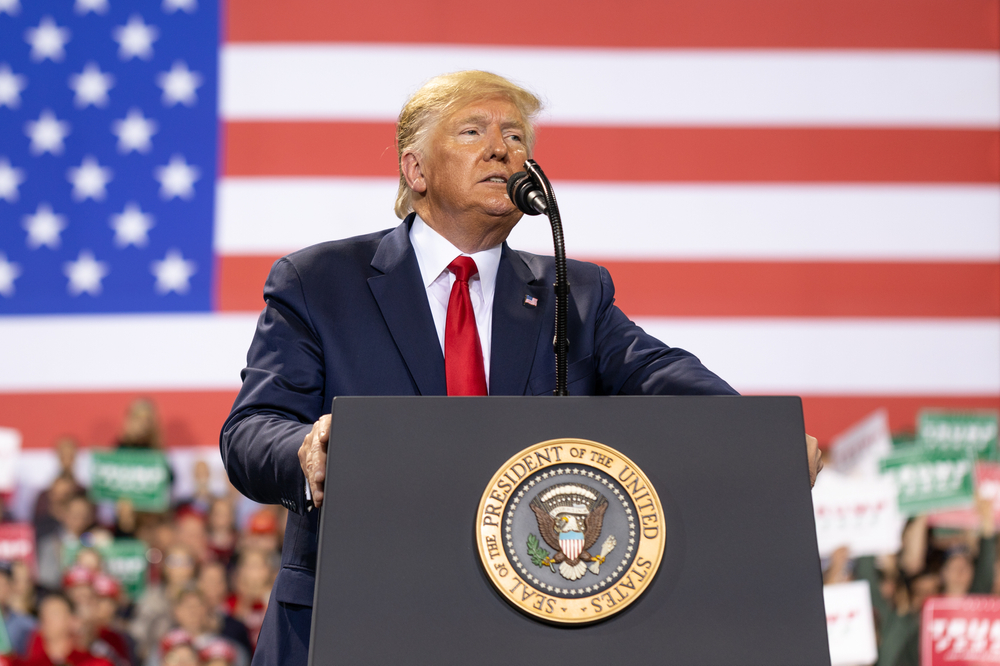
After sparking the steepest plunge in financial markets since the global pandemic five years ago, President Donald Trump’s administration made another dramatic pivot in its trade war strategy on April 9: It paused for 90 days the “reciprocal” tariffs that had been in effect for less than 24 hours.
GMO has posted a new 7-Year asset class forecast as of 1Q 2025.
After starting the year on a high note with the S&P 500 index of U.S. Large Cap stocks posting an all-time high on February 19th, equities retreated during the second half of the quarter, officially falling into correction territory (down 10 percent) on March 13.
Another period of heightened volatility in the markets reminds us why tax management can be such an essential part of fixed income investing.
It was a wild week on Wall Street after President Donald Trump announced a broad new tariff policy that went beyond what most analysts had anticipated, spurring a plunge in both stock and bond markets.
On 9 April, President Donald Trump announced a 90-day pause on the higher “add-on” reciprocal tariffs on 50-plus countries that had been announced the previous week, precipitating a historic equity market rally and showing that there was seemingly a limit to how far he would go to move forward with his trade agenda.
Spending cuts, tariffs and recession risk—Jan van Eck’s latest outlook breaks down what to watch and why he’s focused on gold, bitcoin, semiconductors and India.
Vanguard head of U.S. ETF Capital Markets Bill Coleman discussed the growing role that active ETFs are playing in portfolios.
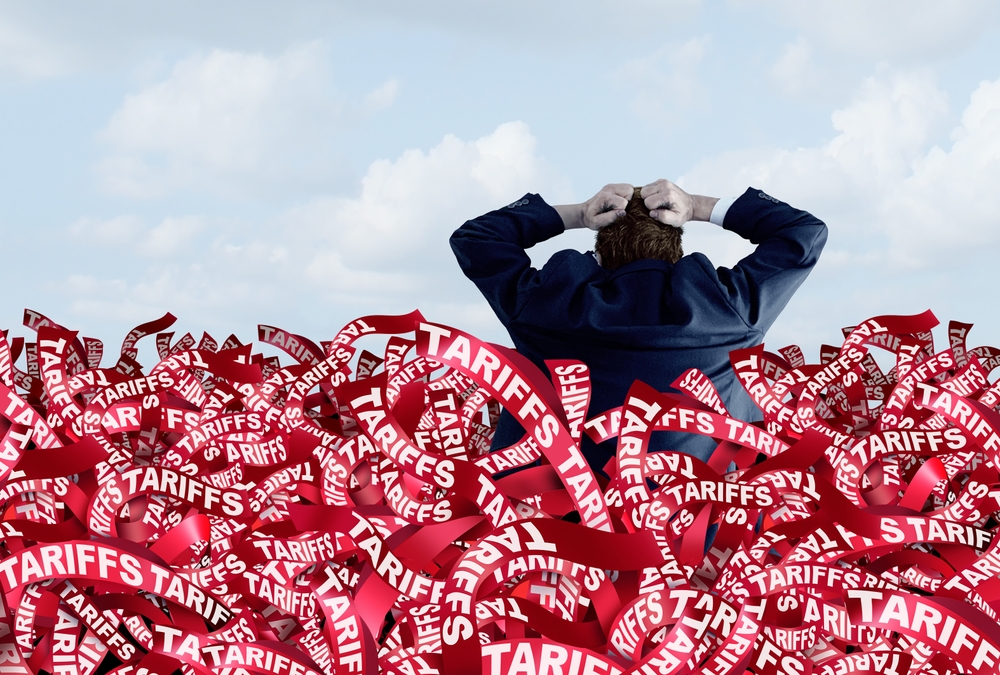
Bonds have gained as investors sought shelter amid growing fears around a tariff-driven global economic slowdown.
Earnings season begins with companies adjusting on the fly to tariffs. This could give investors insight into strategies firms are taking and how businesses might be affected.
Taxpayers plan to use their tax refunds for essentials and debt repayment, as well as savings strategies. Bill Cass shares ideas and strategies to consider this year.
The markets are in the middle of a historic decline. Not so much in the magnitude—while we are approaching a bear market, these happen fairly regularly—but in the speed of the drop.
On 2 April, the Trump administration announced sweeping tariffs that were more aggressive than many had expected. Then on 9 April, the administration announced a 90-day pause on most of the new country-specific “reciprocal tariffs.”
After several weeks of steep selloffs, the major averages roared back on Wednesday as the Trump administration announced a 90-day pause on its reciprocal tariffs.
President Donald Trump announced on April 9 that he was pausing the majority of the “reciprocal” tariffs scheduled to go into effect the same day.
Markets responded swiftly to President Trump’s recent announcement of sweeping reciprocal tariffs, with the S&P 500 falling more than 3% in a single day.
Concerns about a trade war have rattled markets so far in 2025, but we believe fixed income investors need to be patient, stay defensive, and see how things evolve before making any big decisions.
Global equities faced fresh challenges in the first quarter of 2025 amid growing trade-war concerns and developments in artificial intelligence (AI).
Q1 earnings season is about to kick off amidst what some might consider to be the most uncertain environment for US corporations since the COVID-19 pandemic.
Last week President Trump announced tariffs on nearly all US trading partners, a move that far exceeded the most pessimistic expectations of market participants.
Given the abundance of market uncertainty, it may be best to adhere to Treasuries, or for additional yield, to municipal bonds.
With the financial markets still wrestling with the tariff announcements from last week, one thing is still certain: uncertainty remains an integral part of the investment landscape.
Members of Congress from both parties were among the many caught off guard by last week's Rose Garden tariff announcement.
In an era when a select group of tech behemoths has dominated market returns, investors are growing increasingly wary of the concentration risk it poses.
Markets were jolted last week after President Trump announced sweeping tariffs, including steep increases on China, Japan, and the EU, leading to a 10.5% drop in the S&P 500 over two days—an event seen only during major crises in the past 75 years.
The fifth edition of our annual “Voice of the American Workplace” survey, conducted by The Harris Poll on behalf of Franklin Templeton, includes the perspectives of both employers and workers. The 2025 survey found US workers are prioritizing work-life balance and their mental health. Employers are listening and strengthening their focus on improving benefits and communication. In this piece, our Jacque Reardon shares findings from the survey and potential implications for employers.
A Wall Street axiom states that the stock markets lead the economy by about six months. While not a perfect predictor, the stock market reacts to investor expectations about future corporate earnings, economic activity, interest rates, and inflation.
With uncertainty in abundance, we think investors should avoid drastic moves.
Callable bonds make up a large share of the bond market—and introduce one more variable into the bond-investing process.
The April 2 “reciprocal” tariff announcement has introduced a considerable amount of uncertainty and confusion about the path ahead and the end game for President Trump.
How might the recently announced US trade measures translate into economic reality?
VettaFi addresses common questions on midstream/MLPs, oil prices, recessions, and tariffs following last week’s equity sell-off.
With a number of factors at play, the short-term pullback in gold will likely meet resistance to the long-term, unchanged fundamentals,
DoubleLine Global Bond Portfolio Manager Bill Campbell shares DoubleLine’s outlook for risk markets, the U.S. Treasury curve, inflation, growth and Federal Reserve policy in light of Washington’s reciprocal tariffs and reactions of U.S. trade partners.
An enduring image from 2024 will be the capture of the SpaceX booster rocket by the Mechazilla robot arms on its return to Earth.
While there are no absolute winners in a trade war, there may be relative winners in the global stock market for investors to consider.
Lost in the focus on the bludgeoning that tariff policy has had on equity markets, is the impact on global currencies. From the end of February through April 3rd, the U.S. Dollar is down 5.1% relative to other developed market currencies (DXY). In addition, we’ve also seen a violent unwinding of the popular currency carry trade.
At the start of last week, the S&P 500 rallied three days in a row, with investors believing that the tariffs announced on Wednesday would be targeted.
Tariff Turbulence. The President’s long-anticipated tariff announcement on April 2 has come and gone. Our hopes for some clarity, so the uncertainty weighing on confidence and the equity market could subside, were dashed after we heard the breadth and magnitude of the administration’s tariff plan.
We’re adjusting our stance in response to rising risk while maintaining a disciplined view on long-term strategy.
While the path may have twists and turns, the destination seems clear; higher U.S. tariffs.
The recent market drawdown highlights risks of a concentrated S&P 500—and the case for diversification now.
Many of us came into the year with highly concentrated portfolios, which now were faced with changing market conditions.
Markets faced more volatility as Trump’s aggressive tariff measures injected both economic and political uncertainty into the system.
We reexamine our macroeconomic outlook in light of newly announced tariffs, which have exceeded market expectations and prompted us to update our assumptions and analysis.