Investors had gotten used to smooth sailing with the economy remaining resilient, the equity market soaring double digits, and volatility remaining (mostly) subdued.
In an era of new economic challenges, we expect value investing to trump growth-oriented strategies for investors in Chinese equities.
Undoubtedly, artificial intelligence (AI) is a disruptive technology. That implies some sectors and industries will be purveyors of disruption, while others could be adversely affected by it.
VettaFi’s vice chairman Tom Lydon discussed the iMGP DBi Managed Futures Strategy ETF (DBMF) on this week’s “ETF of the Week” podcast with Chuck Jaffe of “Money Life.”
Investors have been underweight Japan for decades, but conditions on the ground have changed meaningfully. Amid improving fundamentals and governance reforms, we believe it’s time to close the gap and take advantage of the attractive opportunity among small-to-mid cap Japanese companies.
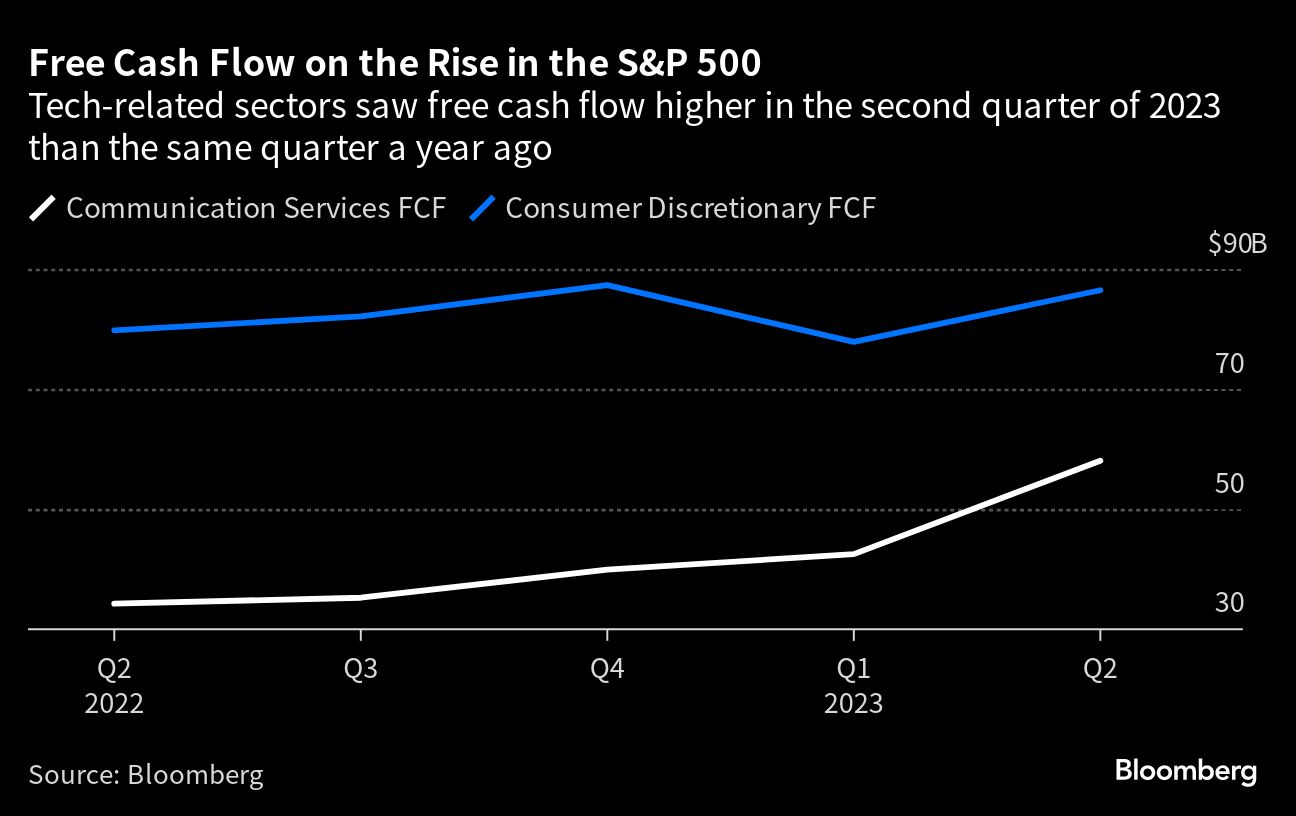
Bulls hoping the Nasdaq 100’s best day since August is the start of a meaningful rebound may be about to get a boost from a long-standing ally: tech companies themselves.
There are compelling arguments that interest rates will remain low rather than rise.
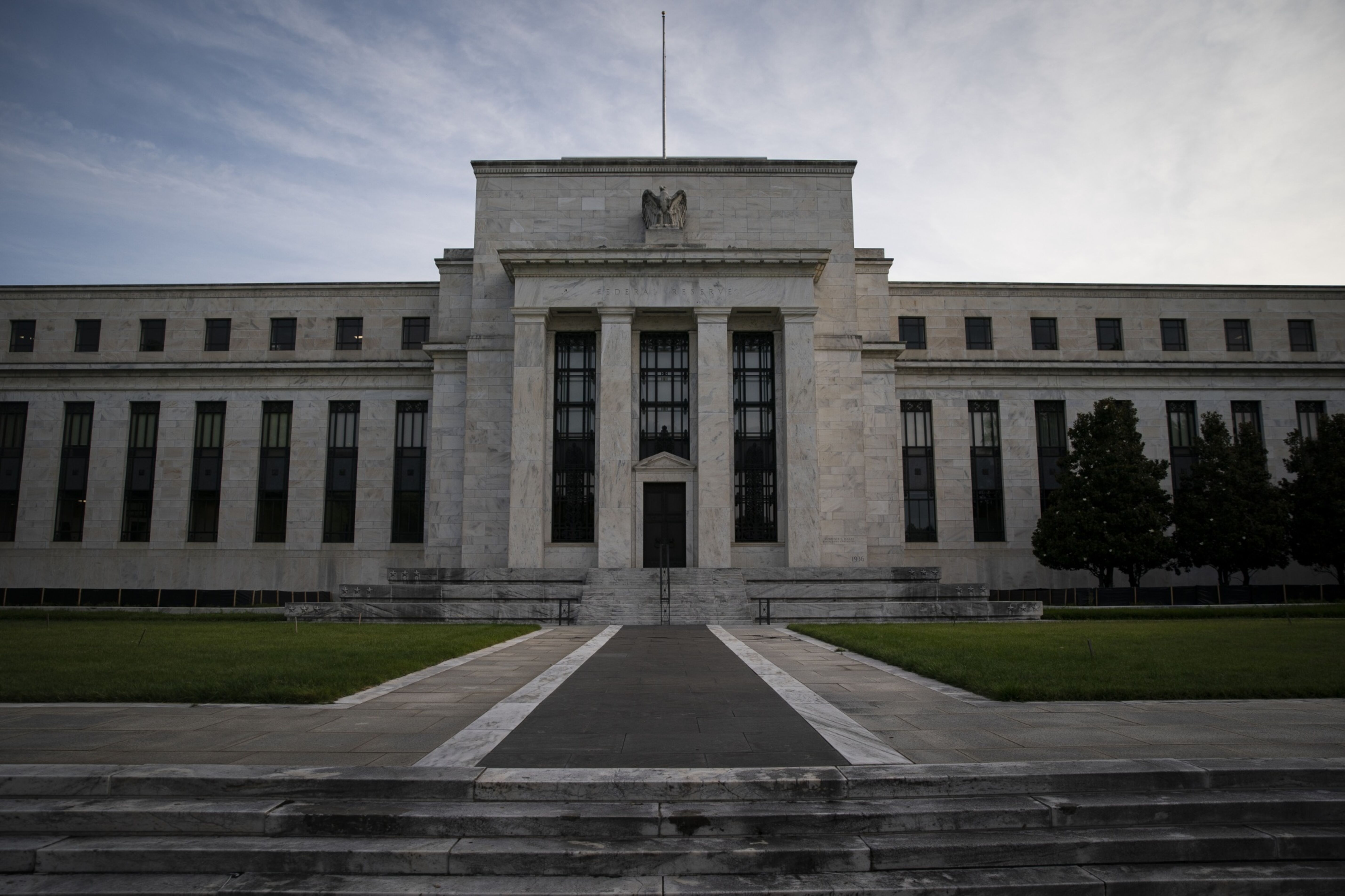
The Federal Reserve may be putting its hoped-for soft landing of the economy at risk by tacitly accepting a run-up in long-term interest rates to the highest levels since 2007.
Emerging markets (EM) bulls may have to continue playing the waiting game after a rough end to the third quarter. Thankfully, leveraged exchange traded funds (ETFs) can keep traders in the game.
India will need to think beyond physical assets to continue its growth.
News of a liquidity crisis at China's largest property developer, Country Garden, has rekindled fears about the scale of the country's real estate problems and potential ripple effects. And Country Garden is not alone.
Plenty of ink has been spilled about how much money has gone into active ETFs in 2023, and from a pure top-line flows perspective, it’s true.
The world turns. New people are born and eventually move off the couch and into something resembling employment. And thus new generations of nonsense about “solved” topics are produced.
The Fed’s “soft landing” hopes are likely overly optimistic. Such was the context of the recent #BullBearReport, which discussed the long record of the Fed’s economic growth projections.
The most challenging assignments I receive start with the advisor asking: “I had a great meeting with a prospect. Now I’m being ghosted. What should I do?”
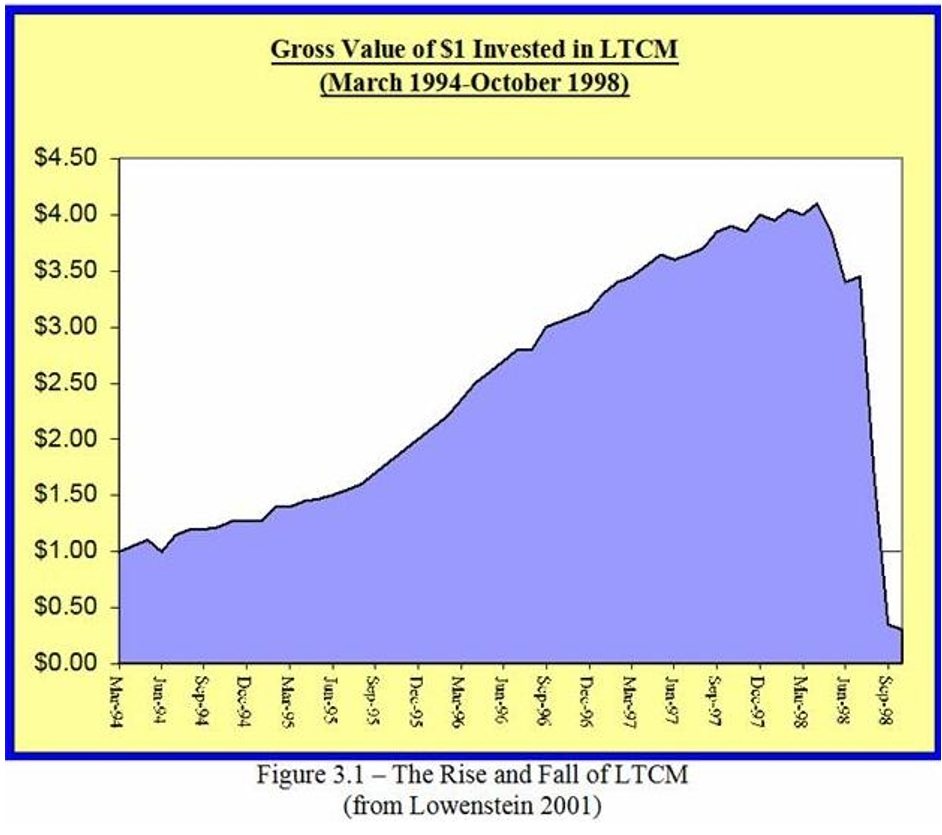
This is the 25th anniversary of the collapse of LTCM, so let’s reflect on the similarities between that debacle and what might unfold in the capital markets today.
Last year, Exchange solidified itself as the most valuable advisor-centric event in the country, uniting advisors with thought leaders and experts in financial services, fintech, and economics. Exchange 2024 looks to be the boldest yet.
Rising rates in the second half of the year have brought year-to-date returns for the US Aggregate (“Agg”) benchmark index negative.
Last week in the State Street Global Advisors’ Gold ETF Impact Study, the firm reported that “Among approximately 1,000 investors surveyed, Millennials have the biggest allocation to gold at 17%, with Baby Boomers and Gen X investors lagging behind at just 10%.”
VettaFi’s Tom Hendrickson and Jane Edmonson discuss the firm’s recent acquisition of EQM Indexes and offer several predictions on the future of thematic investing. F/m Investments’ Alex Morris explains why the firm is pursuing a mutual fund share class of their single treasury bond ETFs. Vanguard’s Rich Powers highlights their private equity offering and its potential benefits to investors.
Many Americans believe that Gen Z is financially illiterate and uninformed. But the story is not that simple.
A pair of Wall Street’s most prominent US equity strategists are at odds about whether stocks can extend this year’s rally against the reality that interest rates will remain higher for longer.
Money-management firms launched new exchange-traded funds at a rapid pace last month, shaking off fears that the $7 trillion industry is already overrun with low-cost investment vehicles.
Today, I am going to bring a new technology, and a new company, to your attention – a company in control of a technology so powerful that lithium-ion batteries could soon become yesterday’s story.
Energy and information technology are the two sectors most top of mind for investors, according to polling at VettaFi’s recent Equity Symposium.
Public credit markets offer high quality investments with attractive yields and downside resilience, while we see growing longer-term opportunities in private markets.
Prices of bitcoin and ethereum haven’t done much to spark enthusiasm in recent weeks. That lethargy could be belying significant appreciation potential.
With negligible incremental risk, a RAFI Global Index hypothetically outperformed a Cap-Weighted Global Index by 40 bps per annum and a Cap-Weighted Global Value Index by 2.2% from 2007 to 2022—a 16-year period covering the long value rout and its aftermath.
“Compound market returns.” During bullish markets, there is inevitably a regurgitation of this myth that was contrived to extract capital from retail investors and place it in the hands of Wall Street.
We can and are building much taller skyscrapers. But they are impractical money losers because so much floor space is taken up by elevators. A new book explains the interplay between size and scale, and what it means for our economy and investments.
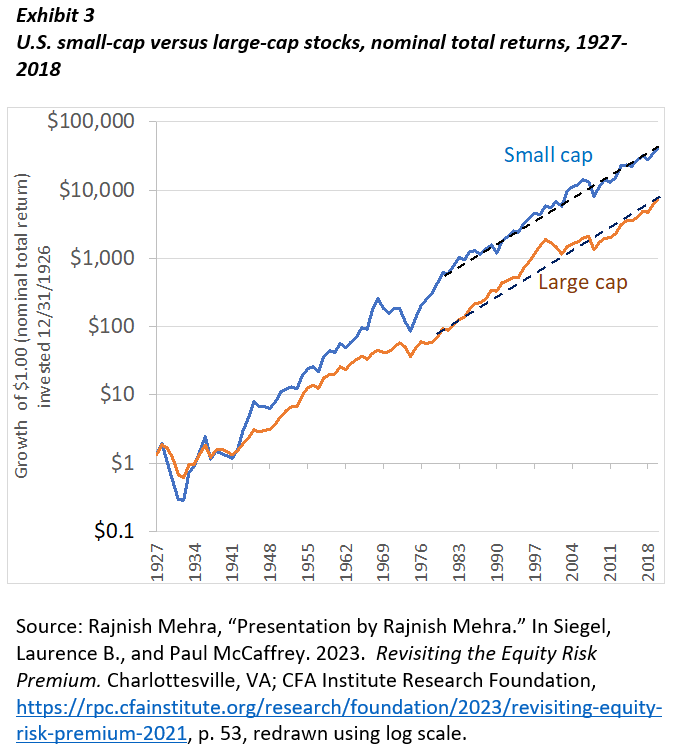
Common aphorisms and assumed truths about stock returns often imply the disappearance of risk over long horizons. Is that accurate?
Investors have shown few signs of panic during a stock market slump that’s pushed the S&P 500 Index into its first losing quarter in a year. But beneath the surface, signs of stress are emerging that go far beyond the just averted US government shutdown.
The third quarter was a story of dashed hopes in emerging markets, with the unraveling of some of the most profitable trades in the asset class.
Delegating tasks is daunting. Here are the five most common mistakes advisors make when they hire new assistants and how to avoid them.
The S&P 500 has fallen almost 3% within the past month, highlighting the volatility that typically hits at the end of the summer. For volatility through the end of 2023, investors may want to consider two active ETFs from American Century.
The commercial real estate sector’s continued challenges could potentially impact US banks. Franklin Templeton Fixed Income’s Shawn Lyons discusses the ongoing commercial real estate crisis and how US banks are safeguarding themselves against these issues.
Preferred stocks are what’s known as hybrid securities, meaning the asset class displays both equity and fixed income characteristics.
As September comes to a close, Bitcoin is poised to end the quarter on a down note in its first quarterly decline this year.
The Chinese yuan has lost nearly 6% of its value against the U.S. dollar this year, while Shanghai-listed stocks are off about 8% from their 2023 high, set back in May.
U.S. stocks typically post their best returns in the final quarter of the year. Our review of S&P 500 performance since the index’s inception in 1957 found an average Q4 uptick of 4%. (Q1 was next best at an average of 2%.)
Big tech is often cited as the primary catalyst in 2023’s stock market rally. Yet at some point, the laws of market gravity will set in, and what comes up must eventually come down. As 2023 winds down, some market experts foresee pressure ahead for big tech.
We believe a mild U.S. recession is more likely than not in 2024, although a soft-landing scenario cannot be ruled out. A recession is also likely in the UK and eurozone, but appears less likely in Australia.
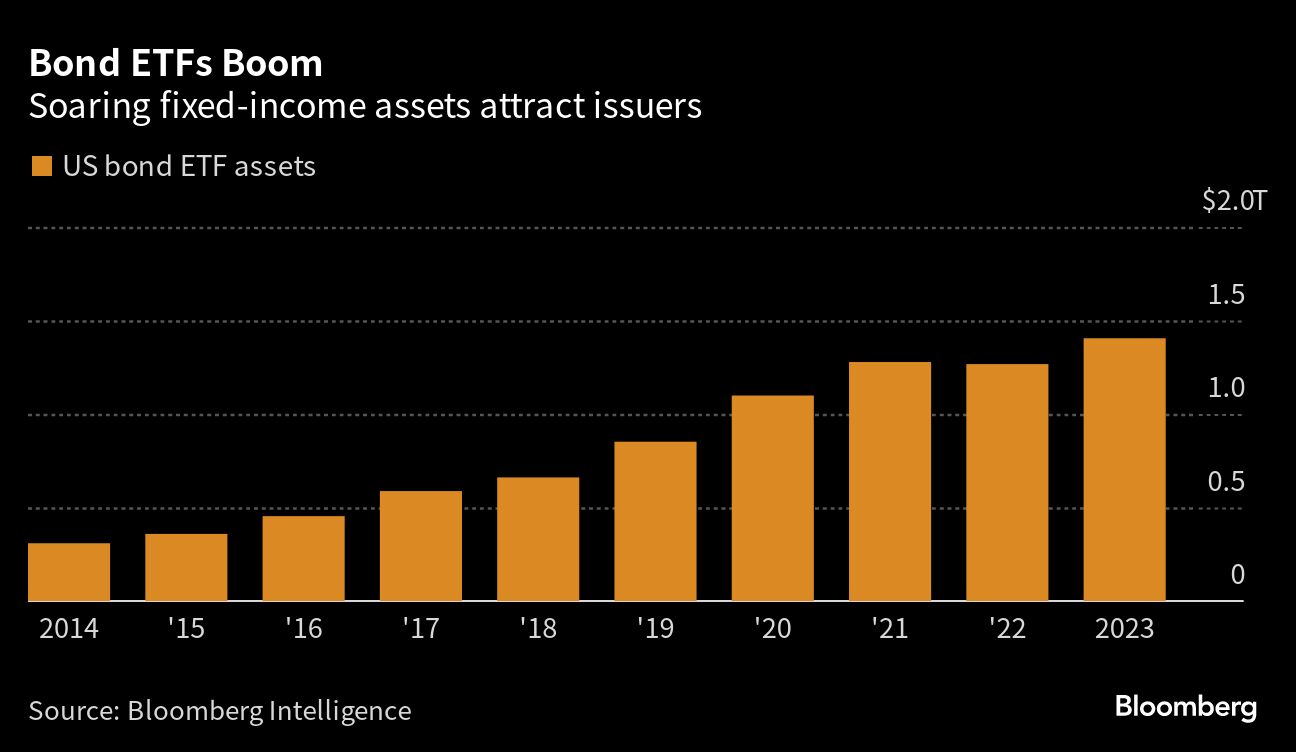
Active management in ETFs are gaining market share in 2023, as leading managers bring their best ideas into the ETF industry.
It was the week that bond markets finally seemed to grasp what central bankers have been warning all year: higher interest rates are here to stay.
Rising real interest rates invariably trigger recessions. The residual impact of pandemic related behaviors delayed the impact in this cycle.
The Fed-induced selloff in technology stocks has traders dusting off their turmoil playbooks. Trouble is, one of the most popular strategies isn’t working: hiding out in Apple Inc.
The Bank of Japan met last night to cap off a week of central bank activity.
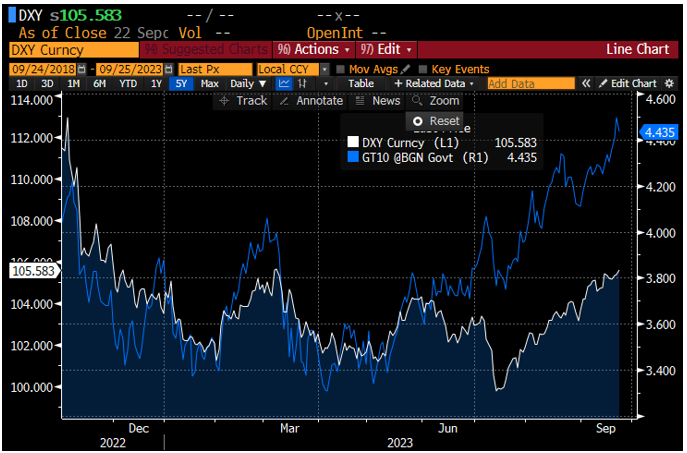
Despite the Fed’s aggressive monetary tightening and the regional banking crisis earlier this year, the U.S. economy has been surprisingly resilient. Bond yields continue to rise, with long-term Treasuries at their highest level since October 2007.
Intermission is over. Today we resume my series on the global cycle theories that, probably not by coincidence, all point to major change unfolding in the next few years. Finishing it may take some time since I keep finding new material.
2023’s market rally continues to center itself on the big tech comeback with certain themes exhibiting strength like artificial intelligence (AI) and cloud computing. While these themes can offer traders short-term opportunities, they can also persist in the long term as growth plays.