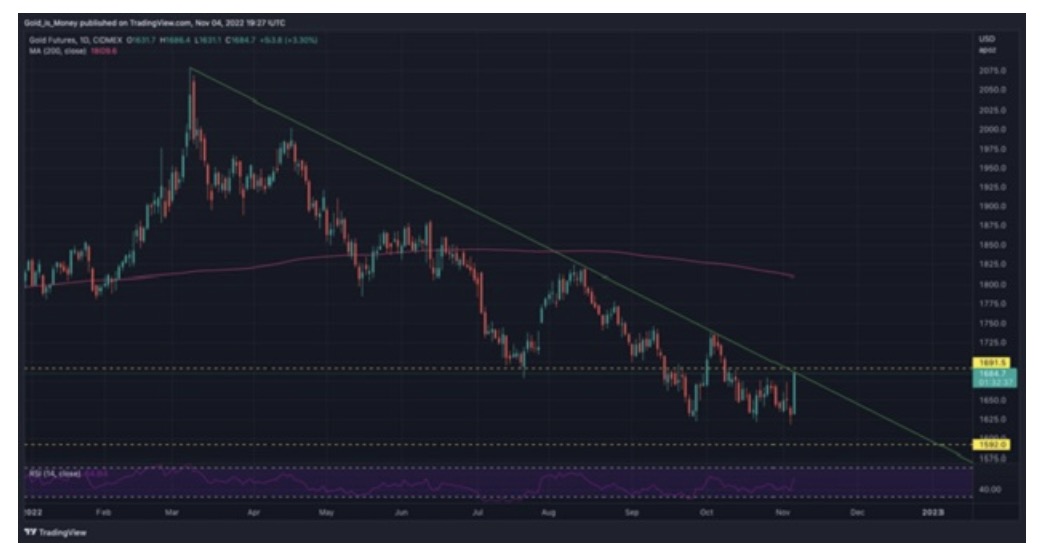
While investors continue to await a possible Federal Reserve pivot toward monetary easing, the pivot has already occurred in major asset markets, including precious metals.
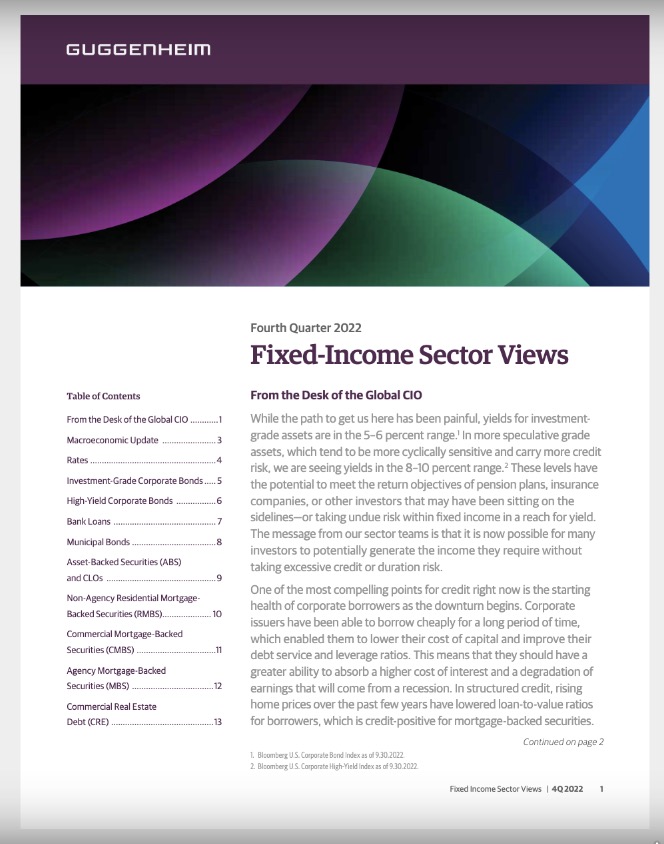
While the path to get us here has been painful, investable yields have the potential to meet the return objectives of pension plans, insurance companies, or other investors that may have been sitting on the sidelines—or taking undue risk within fixed income in a reach for yield.
High inflation and slow economic growth are a problem for investors. Here's how to shore up your portfolio.
We believe highly innovative companies, when accounted for properly, are cheaper than their non-innovative peers in all regions of the world.
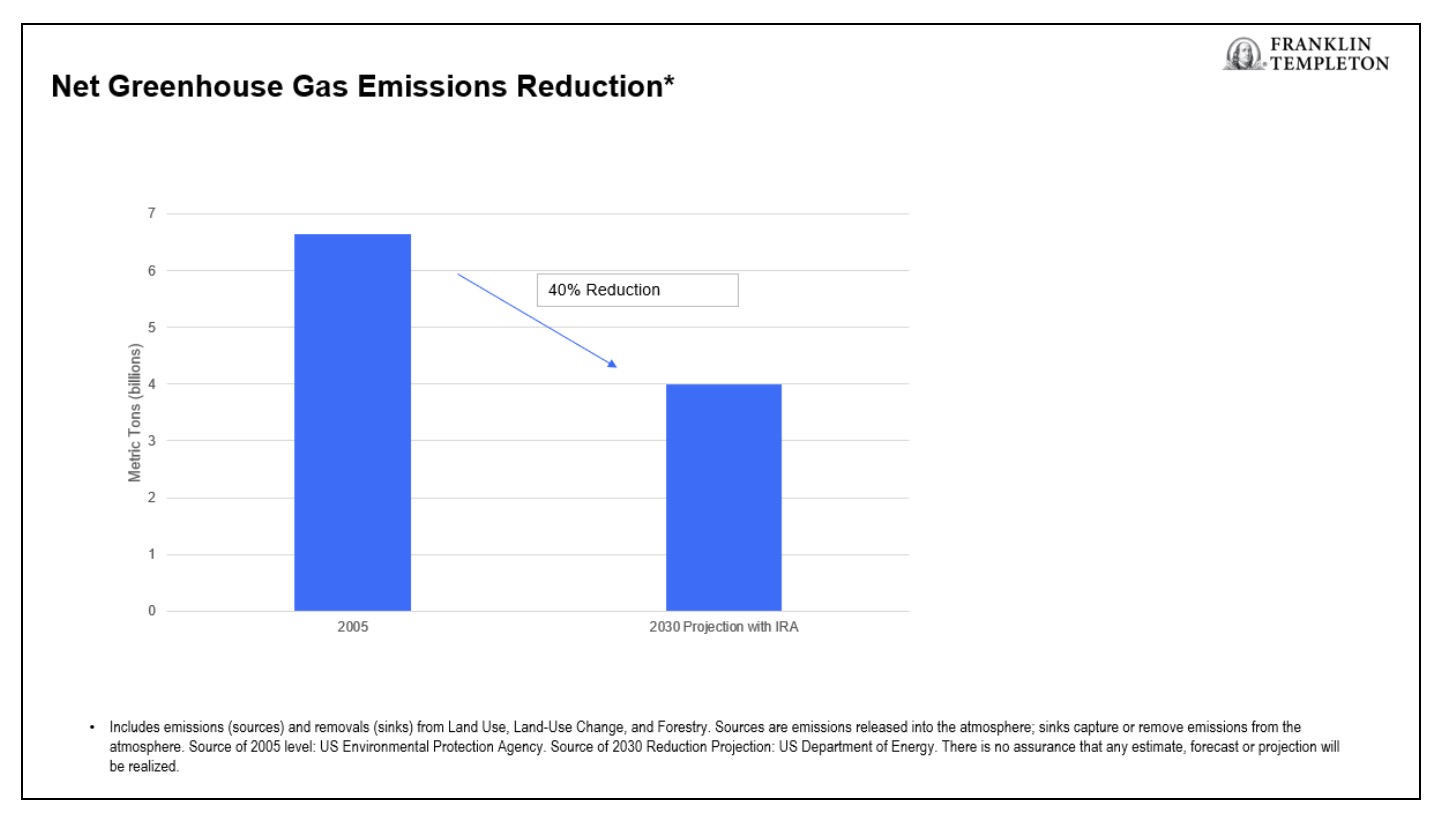
Inflation Reduction Act (IRA), climate and multi-asset implications—Franklin Templeton Investment Solutions examines the IRA from an investment lens.
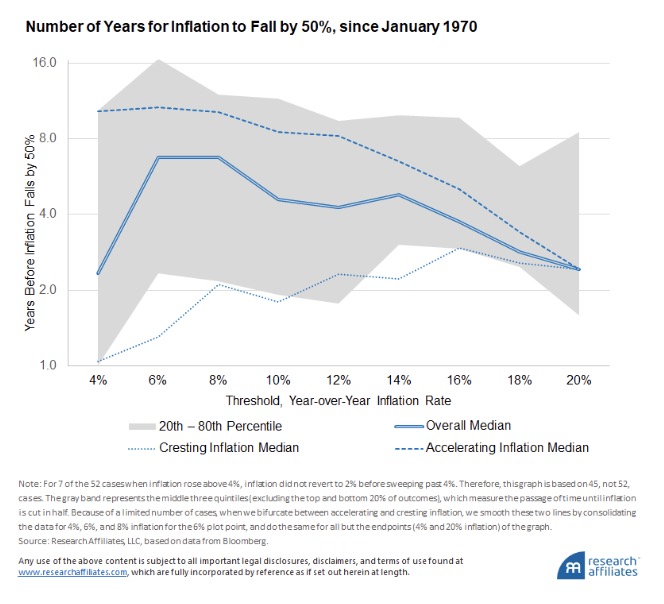
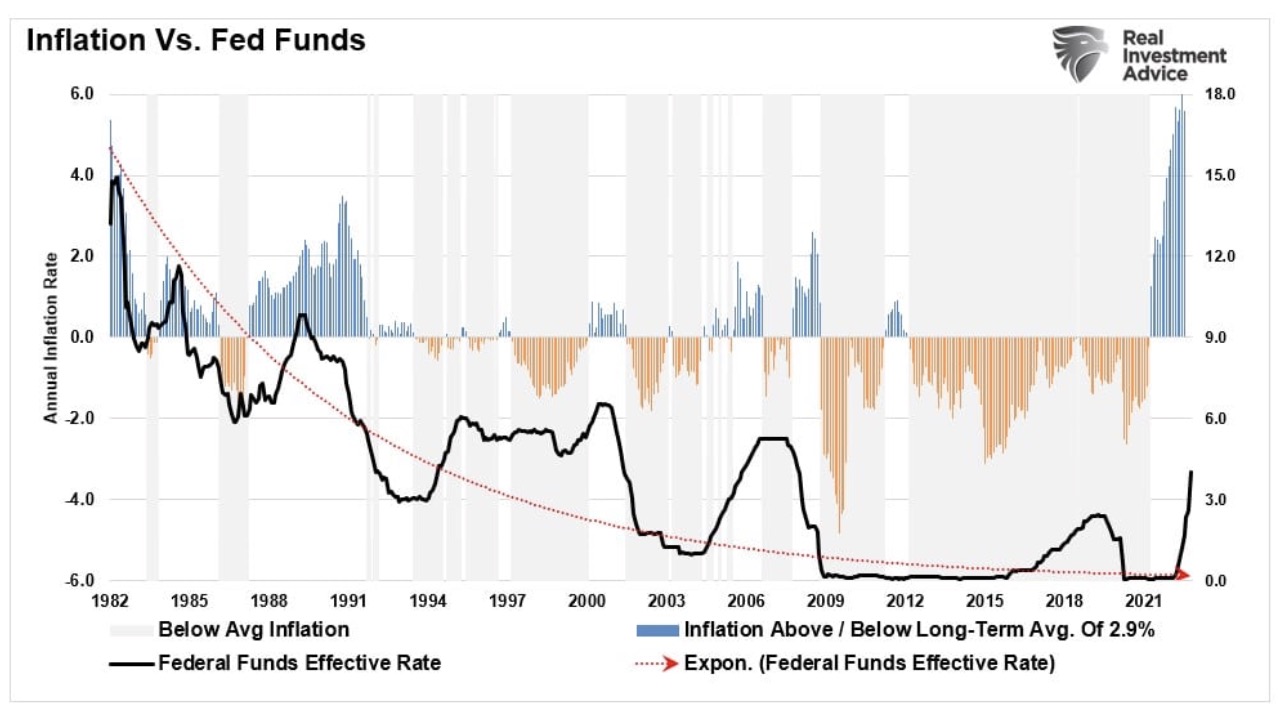
The US Federal Reserve Bank’s expectations for the speed of reverting to 2% inflation levels remains dangerously optimistic.
U.S. equities are mixed in restrained trading, with investors awaiting the next two pieces to complete the October inflation picture.
Review the latest Weekly Headings by CIO Larry Adam.
Since June, the market rallied on hopes of a “policy pivot” by the Federal Reserve.
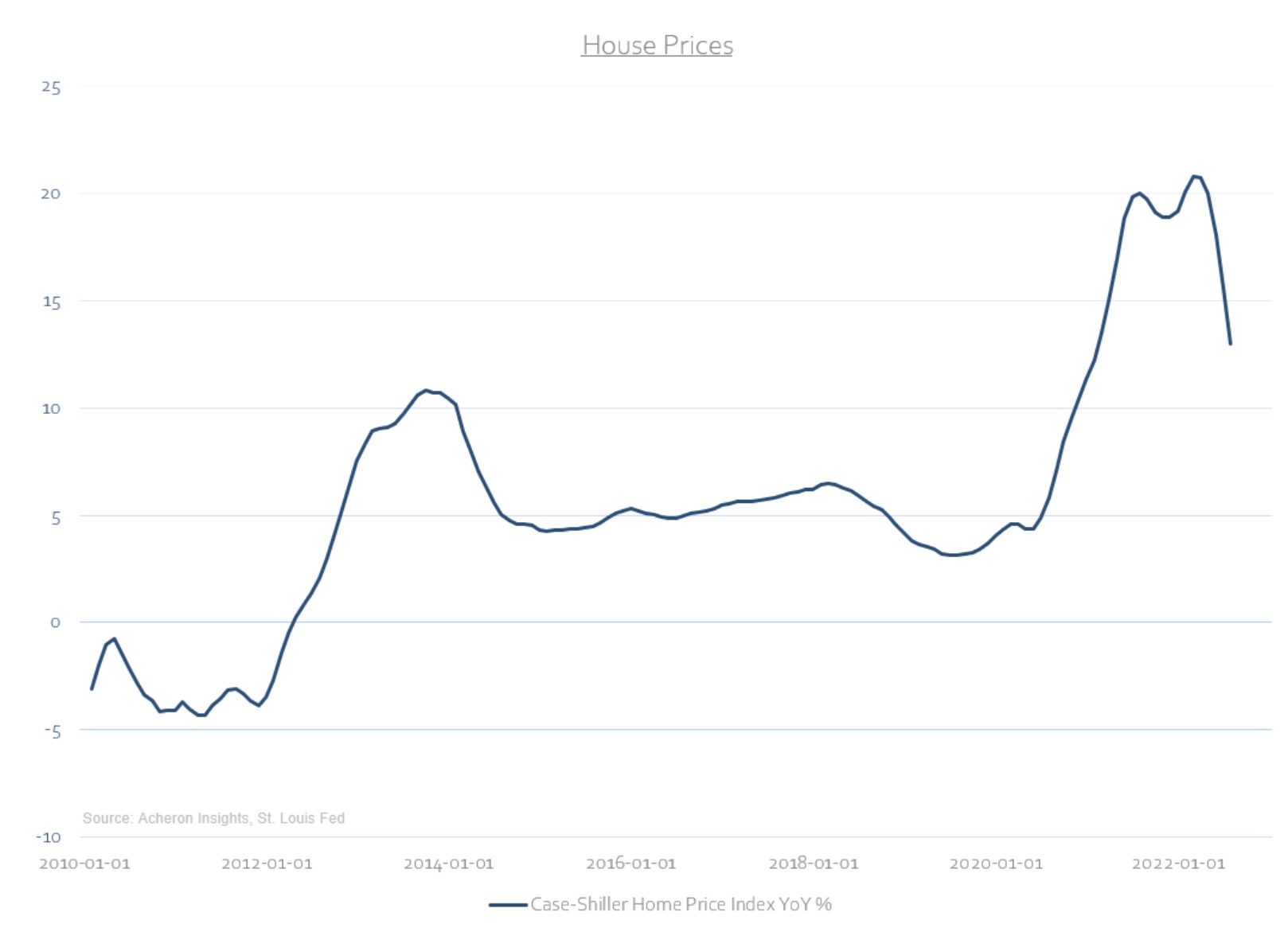
As a result of higher mortgage rates, an oversupply of housing and falling demand, the downturn in the housing market is only just getting started.
Early this week, with the severe inverted yield curve and other signals flashing recession, I planned to use this letter to delve into the data. Then Thursday’s CPI data convinced markets to blow the all-clear whistle.
FTX, until recently the world’s second-largest crypto exchange, filed for bankruptcy as its embattled founder, Sam Bankman-Fried, stepped down as CEO following a liquidity crunch that exposed the firm’s improper use of customer assets.
Chief Economist Eugenio J. Alemán discusses current economic conditions.
U.S. stocks posted its biggest daily gain since 2020 following data on October’s consumer price inflation (CPI), which came in cooler-than-expected.
Core inflation came in below expectations for October and should moderate in 2023, but likely with bumps in the road ahead.
While a divided US government may look appealing, there are long-term risks amid resulting gridlock, according to Head of Franklin Templeton Institute Stephen Dover.
What a difference a decade makes!
Since starting The 10th Man in 2014, I’ve written about gold maybe a dozen times.
Our survey on corporate health in the third quarter painted a picture of an economy in transition. Even as some key fundamentals showed a marked deterioration from the previous quarter, others, notably the outlook for corporate credit, displayed surprising resilience.
An astounding $200 million dollars per day, every day, is spent gambling in Las Vegas casinos.
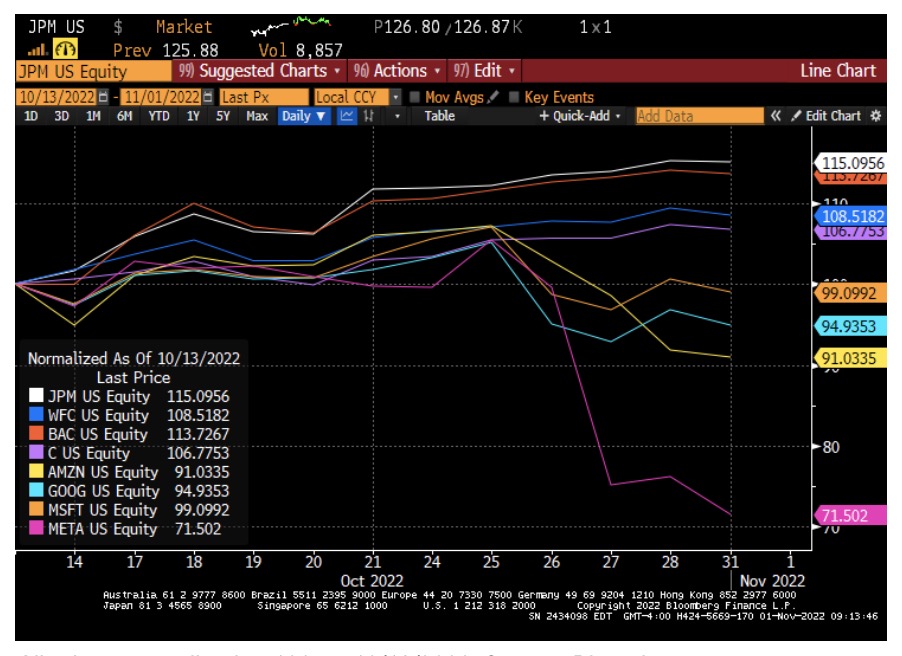
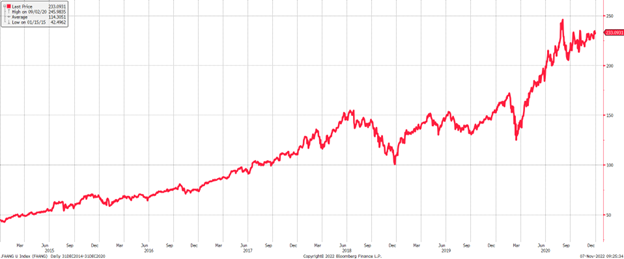
Are the FANG stocks dead?
The physical market for energy continues to be tight, signally demand continues to outpace supply.
Inflation is receding and real interest rates are climbing in EM after a year of tightening monetary policy.
In February of this year, I posted a subscriber request video titled: “5 Premier Dividend Growth Stocks With A Margin Of Safety.”
Equity investors have sustained significant losses this year and are facing a long list of new uncertainties.
U.S. equities are lower as the global markets await the final results of the U.S. midterm elections as the control of the Congress remains undetermined.
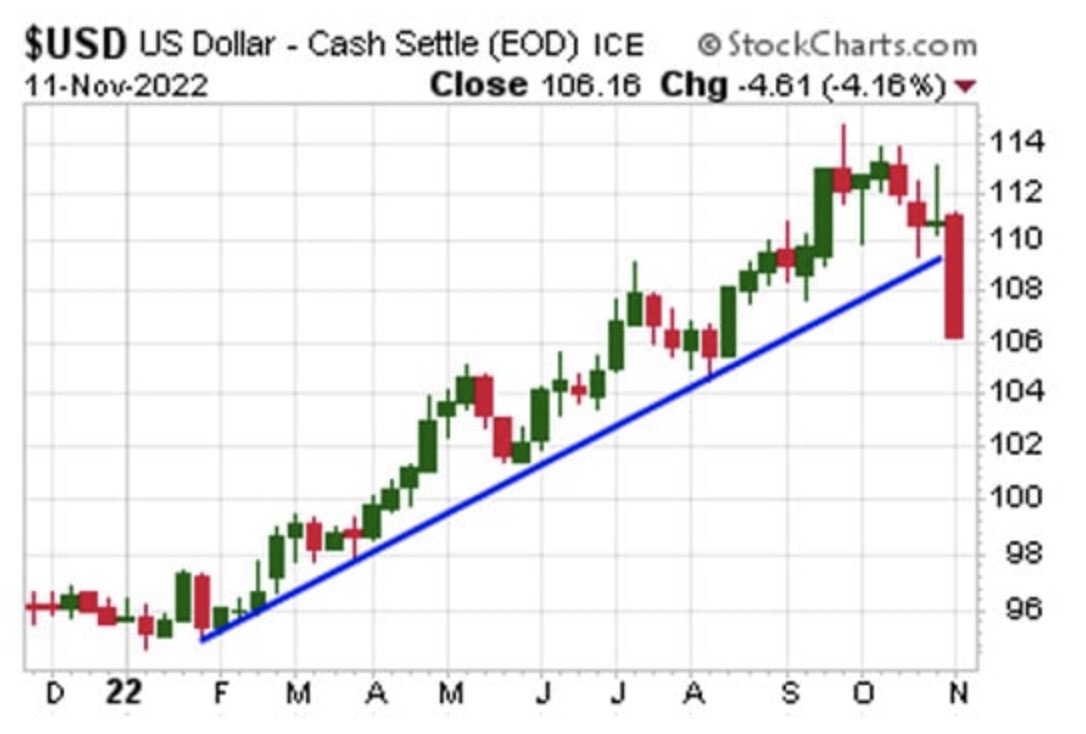
The U.S. Dollar Index (DXY) took a dive last Friday following a middling jobs report.
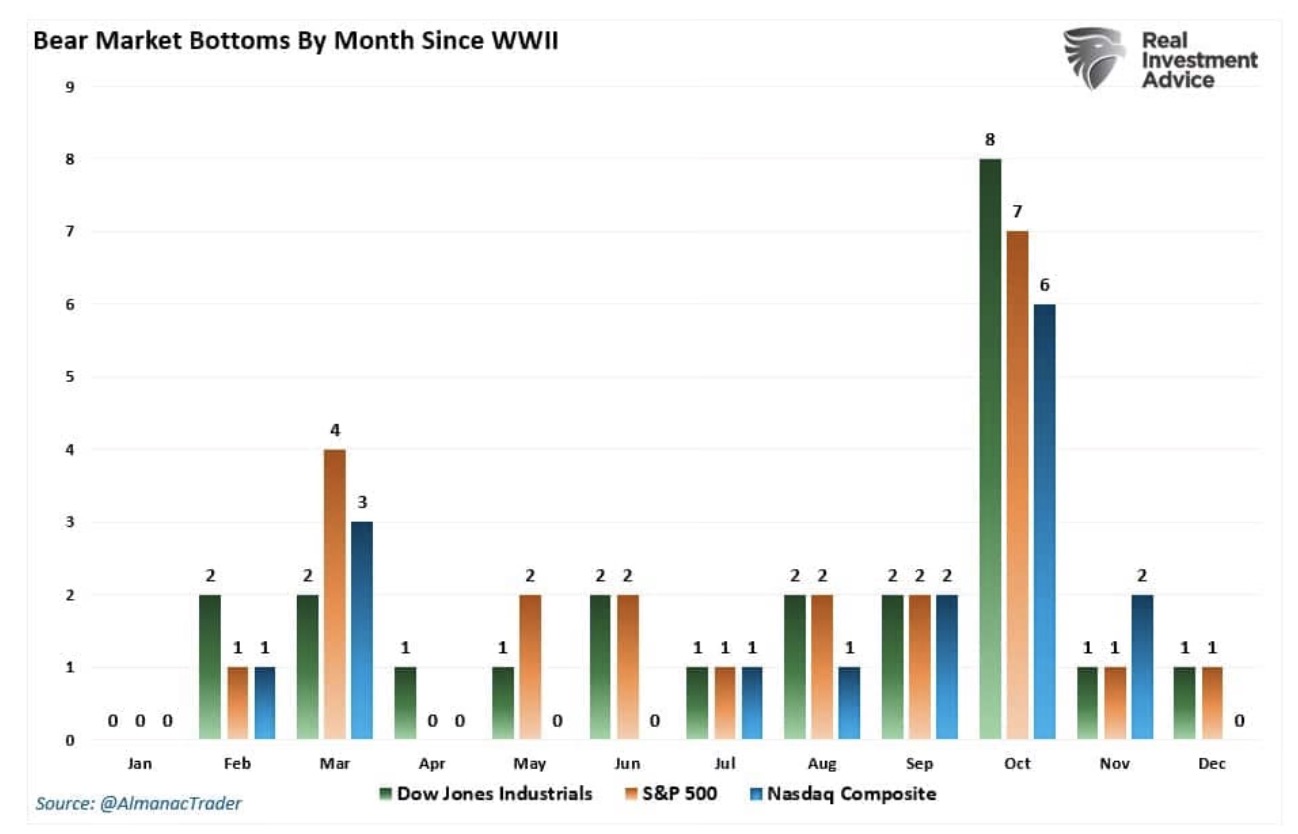
Market negativity reached a crescendo sometime around the middle of October, as interwoven narratives of doom and gloom occupied investor and media attention
The Federal Reserve has been raising rates at an extremely aggressive manner in 2022, taking the federal funds rate from 25bps to 4%.
The era of the dynamic sales growth tech company, with a religious quality to its leadership, appears to be over.
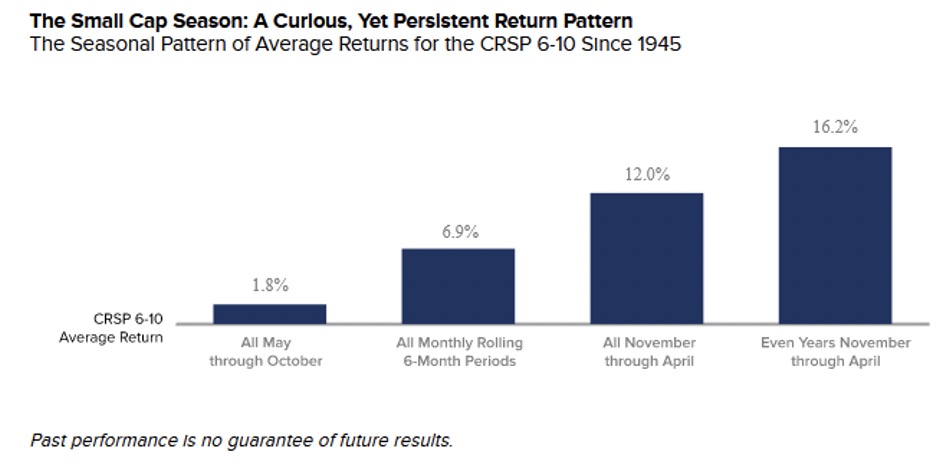
Senior Investment Strategist Steve Lipper examines two calendar-based performance patterns that may suggest robust small-cap returns lie ahead.
Election day is tomorrow and will bring results for key Senate, House, and Governors races from all around the country, plus local legislative races and more.
Doug Drabik discusses fixed income market conditions and offers insight for bond investors.
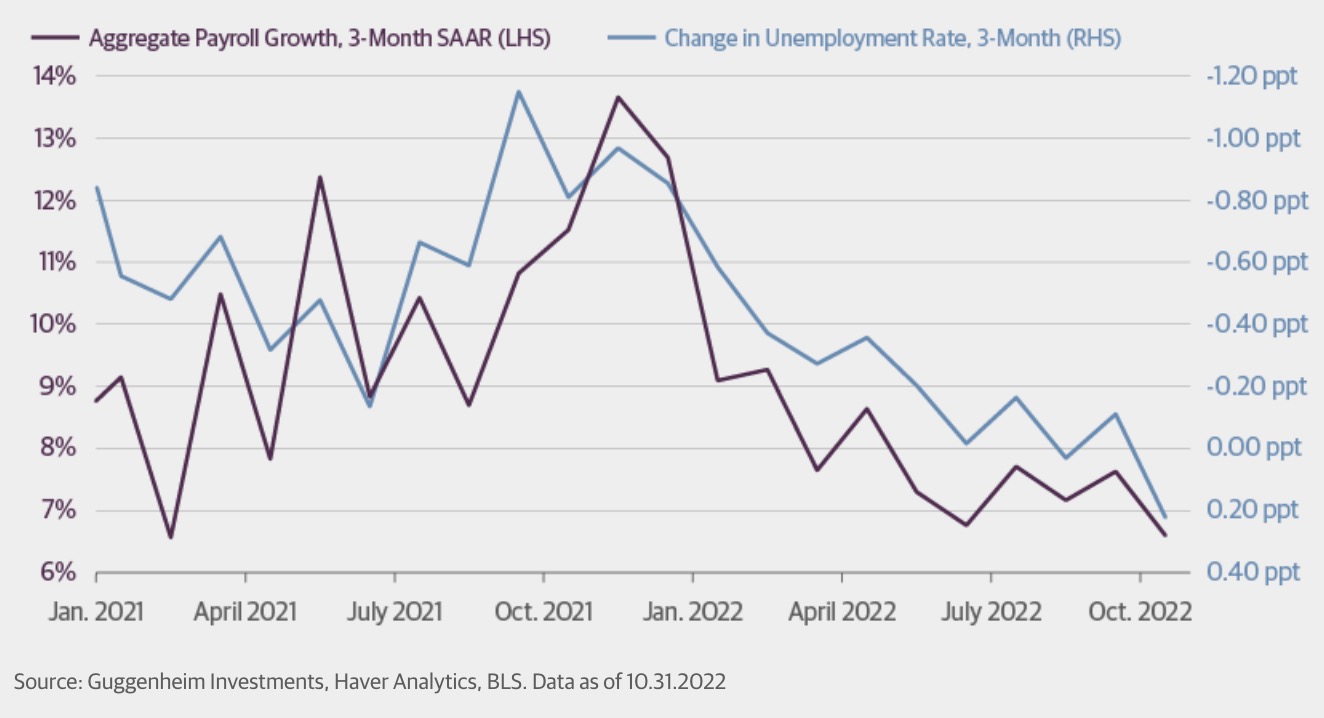
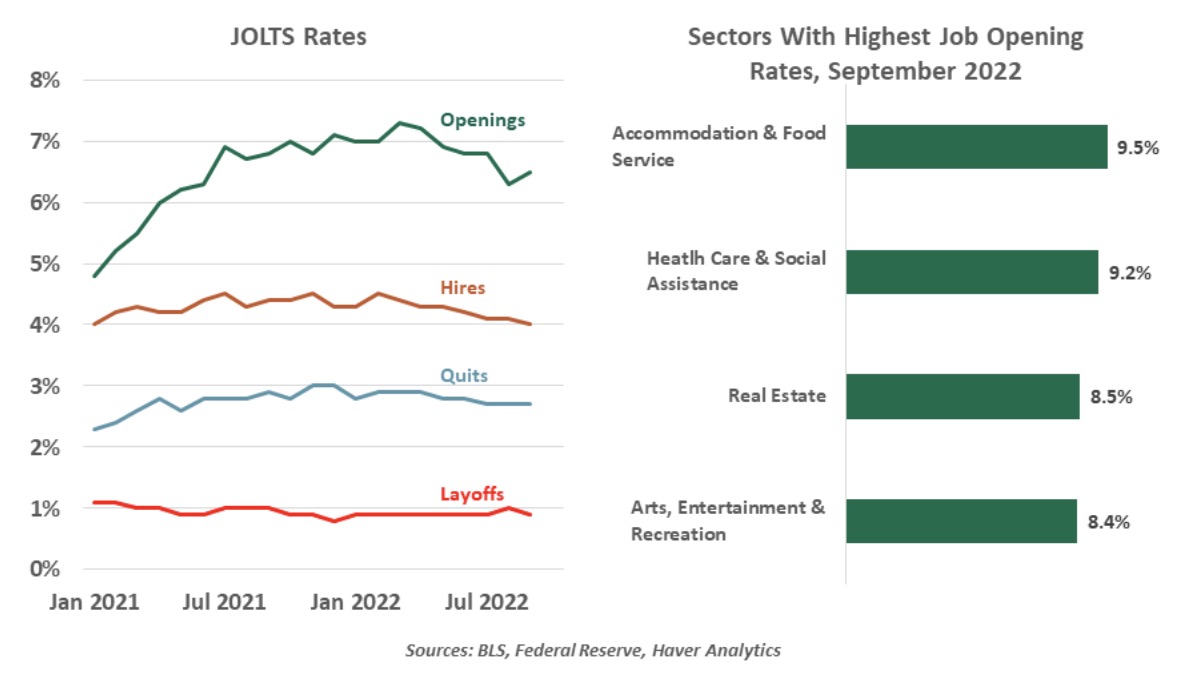
October jobs data suggests a cooling labor market.
Equities saw a strong rebound last month, with the S&P 500 gaining 8% and the Dow posting its biggest October ever¹. Was this the start of a new bull market? In this week’s “What to Watch”, we explore this question and dive into historical bear market rallies.
The Fed will keep hiking, but at a slower pace.
October started strong and then slid to new lows but managed to rally back toward the month’s end.
Precious metals investors remain cautious following the Federal Reserve’s latest jumbo rate hike.
I have been in Spain since early September, which is why you have not seen me in these pages for a while.
As I see it, decentralized assets have never looked more attractive than they do now.
Historically speaking, this phase of life we call “retirement” is a new concept.
Equity valuations have fallen substantially as central banks hike interest rates to combat inflation.
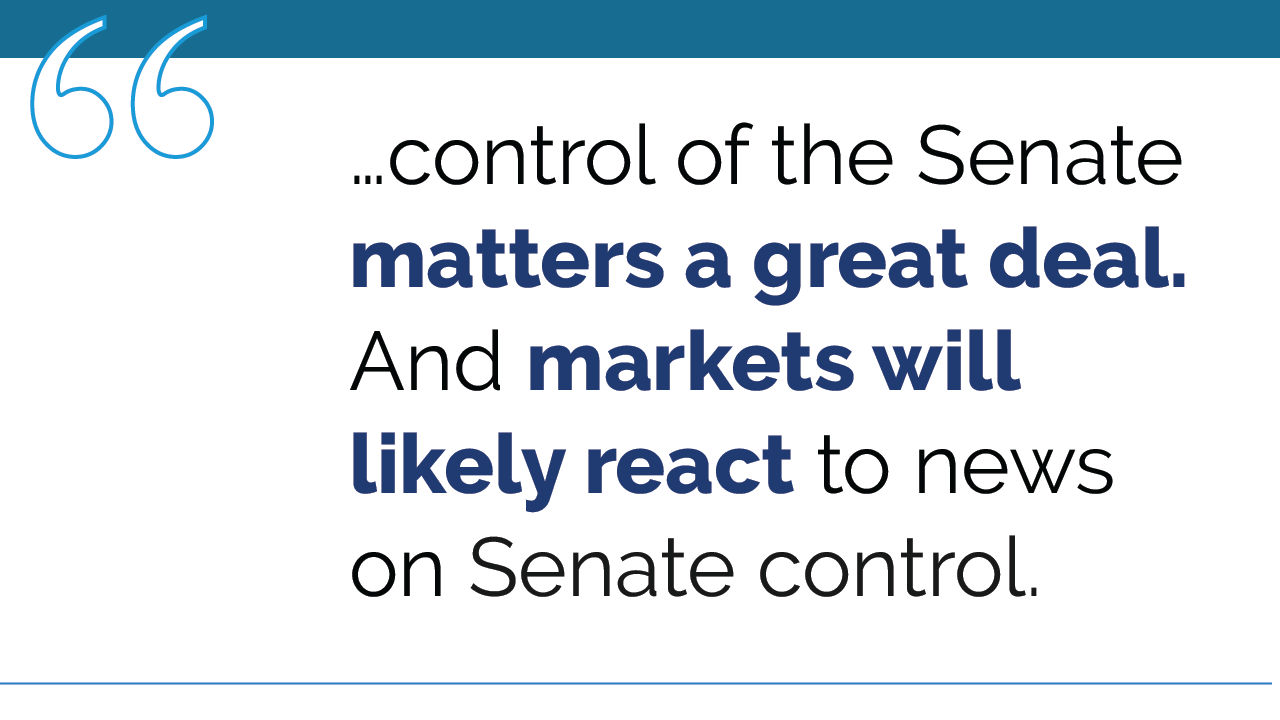
Does it matter who wins the Senate? It matters a great deal. Read our latest blog regarding midterm elections.
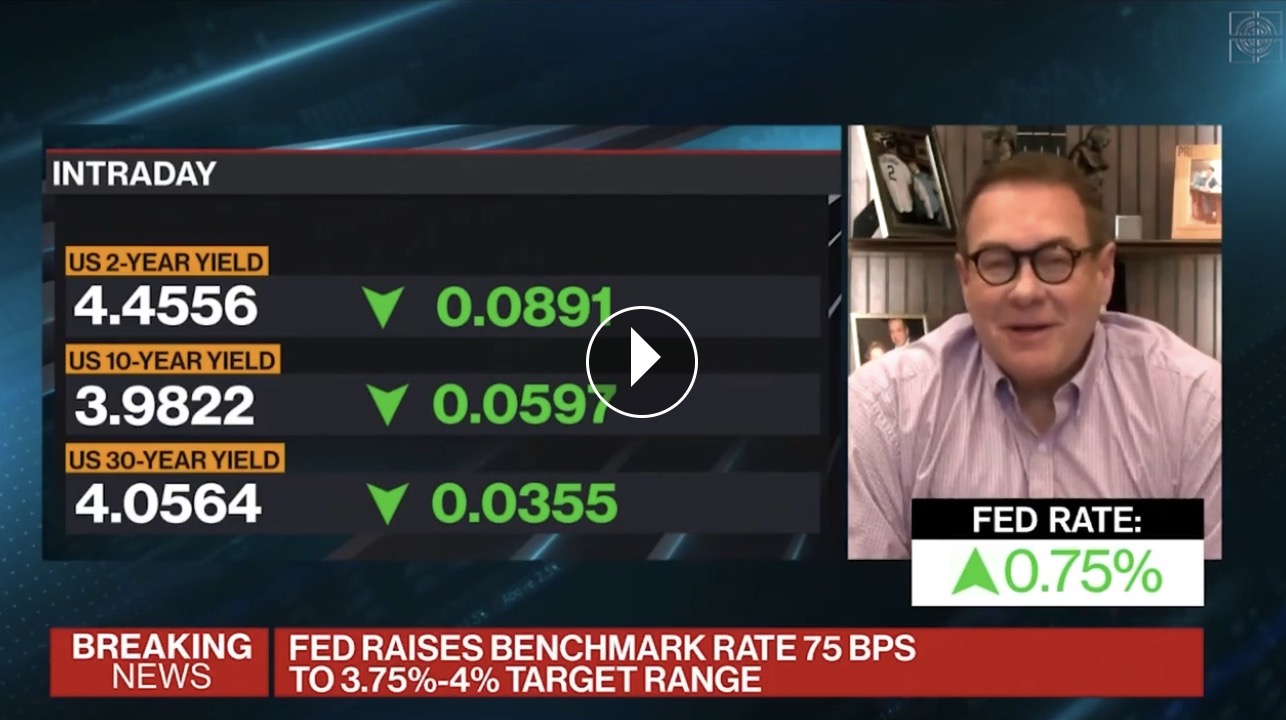
Scott Minerd, Guggenheim Partners Global CIO and Chairman of Guggenheim Investments, joins Bloomberg TV on Fed Day.
The Federal Reserve’s November statement included dovish language, but Fed Chair Powell warned investors not to expect the Fed to stray from its full focus on fighting inflation.
This is now the third consecutive quarterly letter in which we express a cautious stance toward both the global economy and financial markets. A
Review the latest portfolio strategy commentary from Mike Gibbs, managing director of Equity Portfolio and Technical Strategy.
What are the implications of strategic asset allocation, the dynamics of public and private credit, tech-driven megatrends, and more?
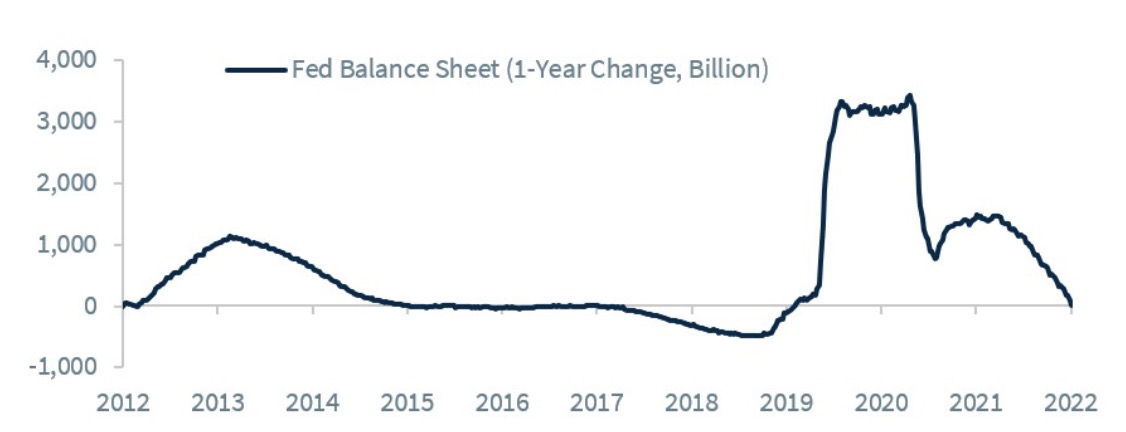
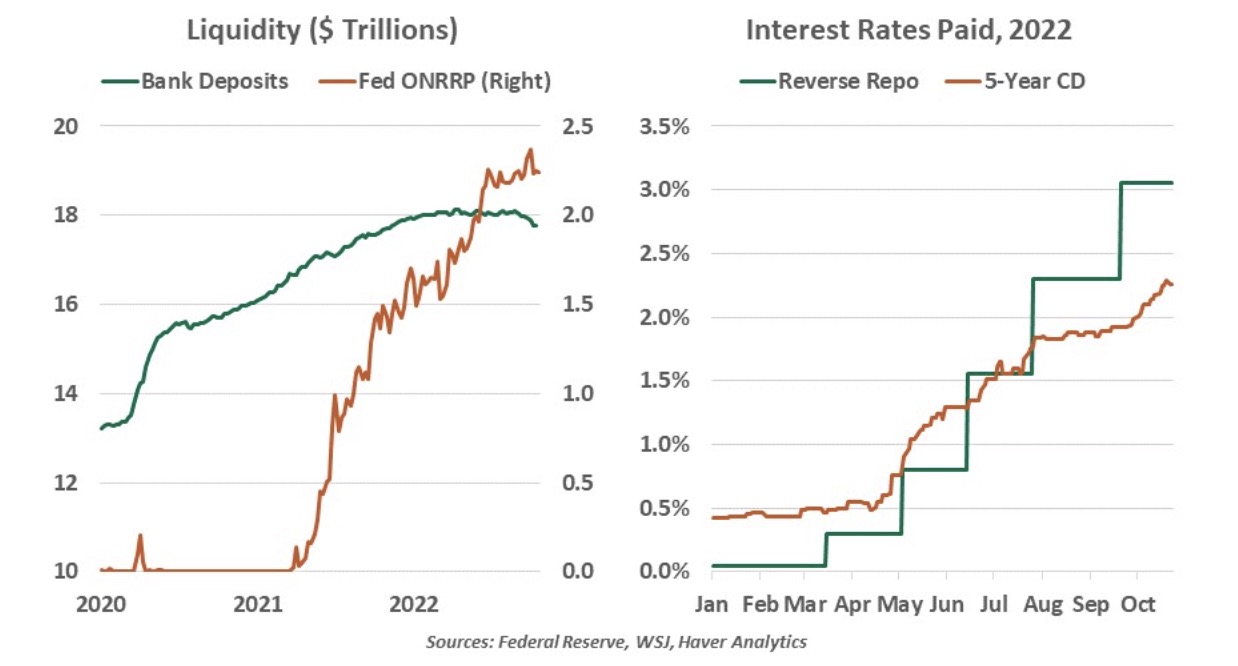
The Fed’s next crisis is already brewing.
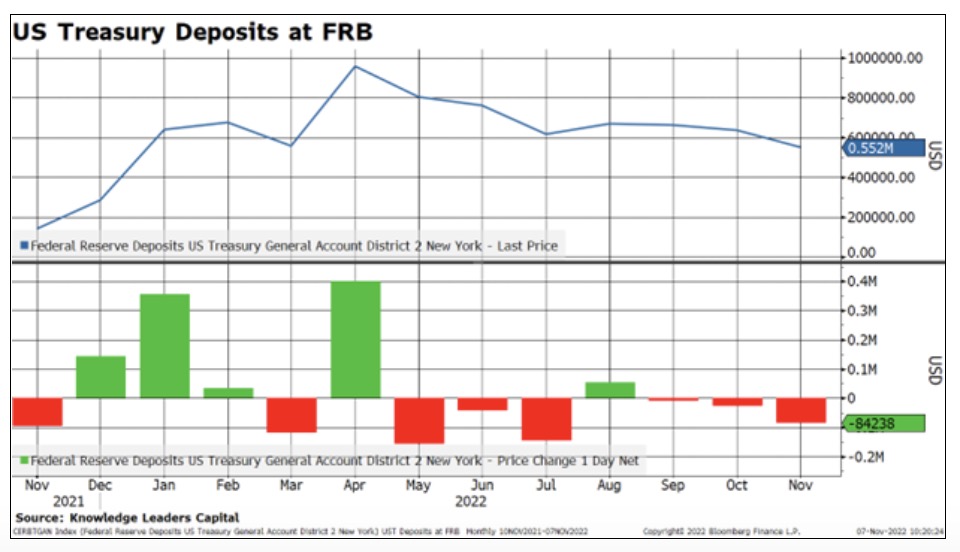
The Fed needs to carefully mop up excess liquidity to avoid funding stress.