I have been getting a lot of questions around the dollar in recent weeks. De-dollarization seems to be a thing, as do central bank digital currencies, along with the latest round of worries about what the government is going to do to our savings.
Why finding ways to break the tie to these variables is so important, and outline a few ideas for how to do it.
Trading might be muted today as the market pivots, awaiting earnings and inflation data this week.
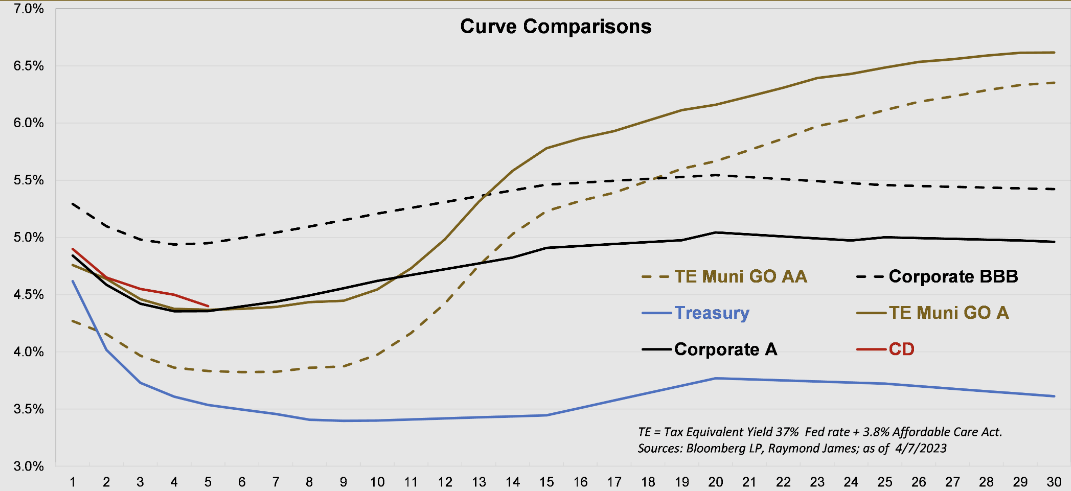
Doug Drabik discusses fixed income market conditions and offers insight for bond investors.
We think dividend-income strategies can be effective across multiple environments, provided that they’re designed to tap into a wider opportunity set beyond traditional dividend payers alone.
As central banks wrestle with how to respond to volatile economic data and banking turmoil, while also fighting inflation, Franklin Templeton’s economists provided their perspectives on what’s next for economic growth, interest rates, inflation and fixed income markets.
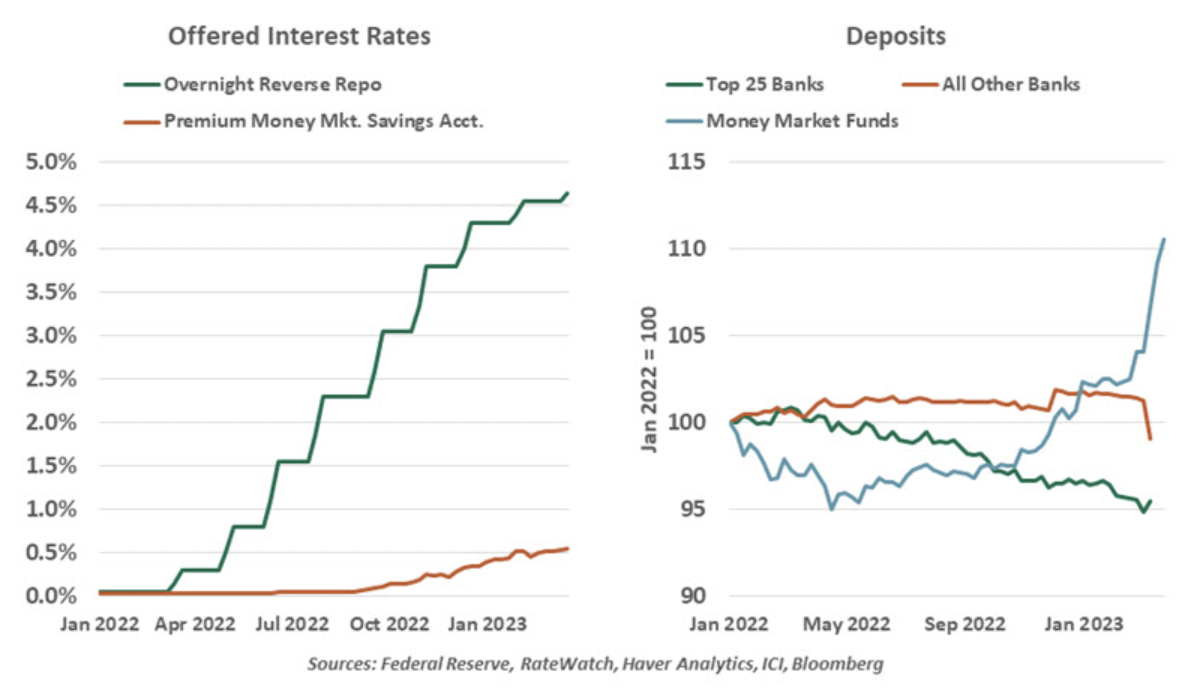
Lost in the Good Friday holiday and the jobs report was the weekly report on bank lending, deposits and securities holdings. Keeping in mind this data is always a week old, it shows the retreat from banks continues.
History is full of economic and societal collapses. The Incan and Roman societies disappeared, the Ottoman Empire fell apart, the United Kingdom saw the pound lose its reserve currency status. So, anyone who says the US, and the dollar, couldn’t face the same fate doesn’t pay attention to history.
The market bottomed last October despite ongoing concerns about inflation, higher rates, recessionary risks, and a banking crisis. While the media headlines and youtube podcasts are filled with “crisis” headlines, as noted in “Analysts Raise Estimates,” expectations for growth and earnings are rising.
The case for a central bank digital currency has many shortcomings.
Central banks accumulated gold at the fastest pace on record in the first two months of 2023. In January and February, central banks collectively bought a net 125 tonnes of the metal, the highest amount for the year-to-date period since banks became net buyers in 2010.
Volatility can be challenging but it also creates opportunities. In our view, rotating across sectors within the investment grade market is the most effective way to take advantage of price fluctuations and generate alpha.
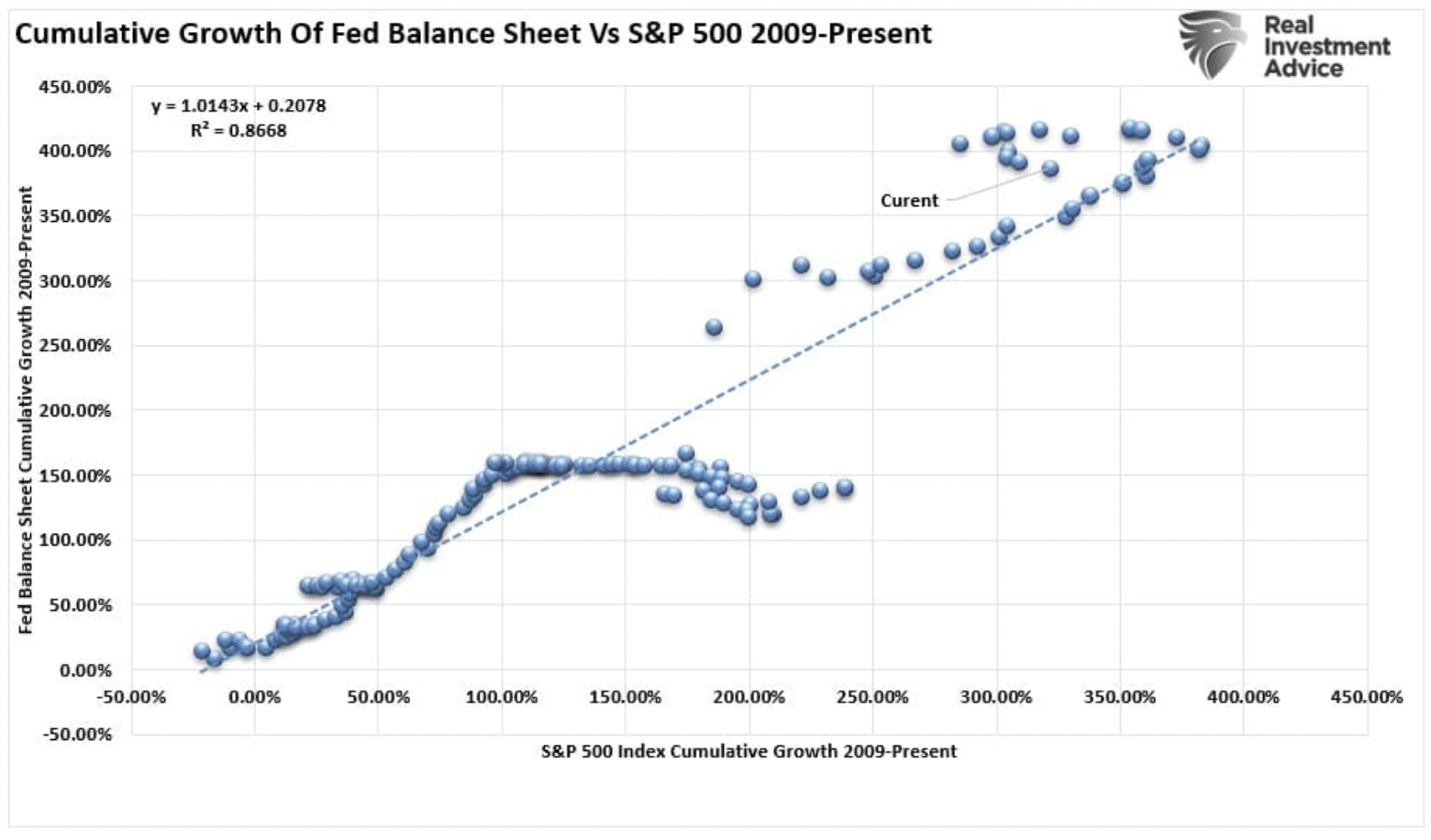
Fifteen years ago, in 2008, the Federal Reserve started an experiment in monetary policy, switching from a “scarce reserve” system to one based on “abundant reserves.” This switch has created massive problems that are hitting not just the private banking system but the Fed itself.
There is a lot riding on the monthly jobs report, which comes out tomorrow. For the economy, more jobs are good: more workers, more wage income, more spending ability, and so forth. There’s no real downside.
“Thinking the Unthinkable.” What does that phrase bring to mind? To me it suggests a situation that has become so stressed you are forced to consider undesirable solutions.
Rick Rieder and team argue that a major shift in market perception of growth, inflation and policy trajectories means investors should consider calling a "time-out" to reassess portfolios.
Implications of the ongoing volatility in the banking sector, and what it means for markets in Europe and globally—check out highlights from our most recent discussion with Kim Catechis, Investment Strategist, Franklin Templeton Institute.
Everyone knows it by now: 2022 was not a kind year for investors, particularly balanced fund investors. There were no silver linings, no shelter from the storm; it seemed that no matter what levers you had in place to protect clients’ wealth, there was very little to cheer about on investor return statements.
In the face of banking stress and a hawkish Federal Reserve, stocks have advanced impressively so far this year, but narrow breadth doesn't bode well for continued strength.
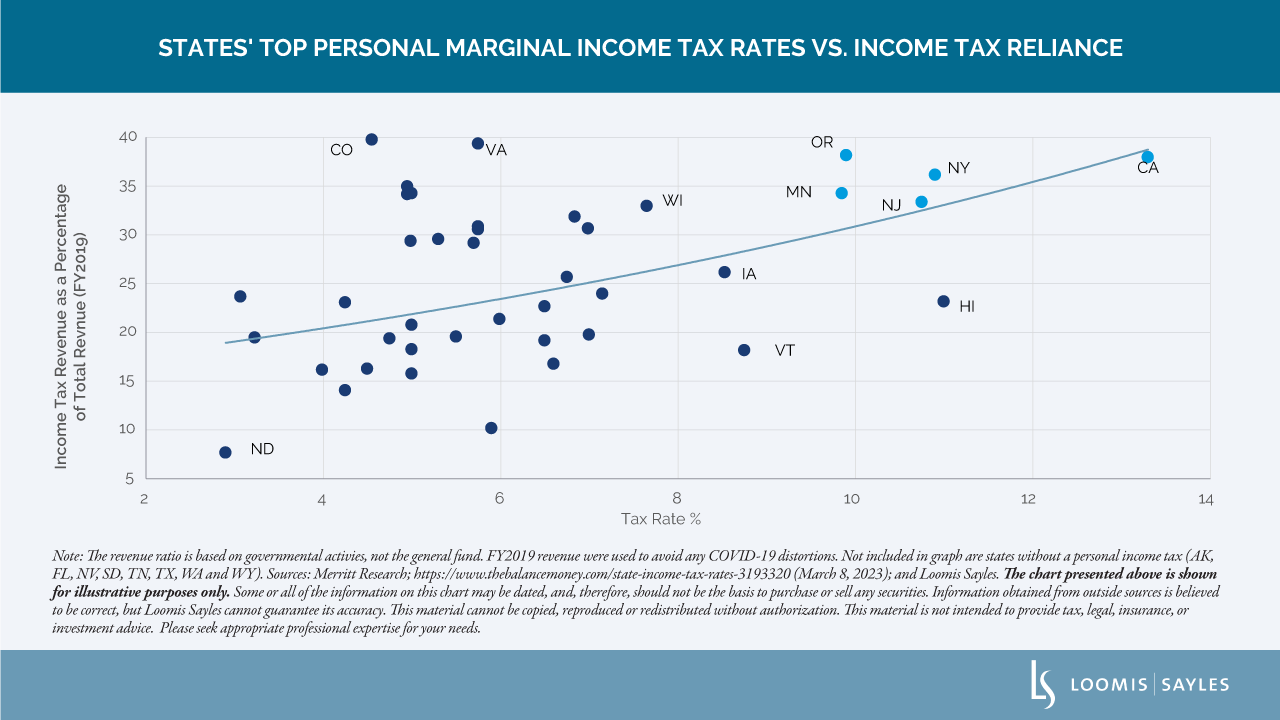
Senior Fixed Income Analyst Bedford Lydon shares three factors that may affect states' creditworthiness in a downturn.
Inflation regimes often coincide with changing political regimes and agendas, much of which stems from the rise of populism and fiscal dominance. As a result of decades of globalisation and rising wealth inequality, we may well be entering a new regime - one of higher inflation and higher inflation volatility.
After a weak February, markets rallied in March. U.S. markets were up by low single digits, while bond markets were in the same range. International markets also showed modest gains, with developed markets about the same as the U.S. and emerging markets doing slightly better.
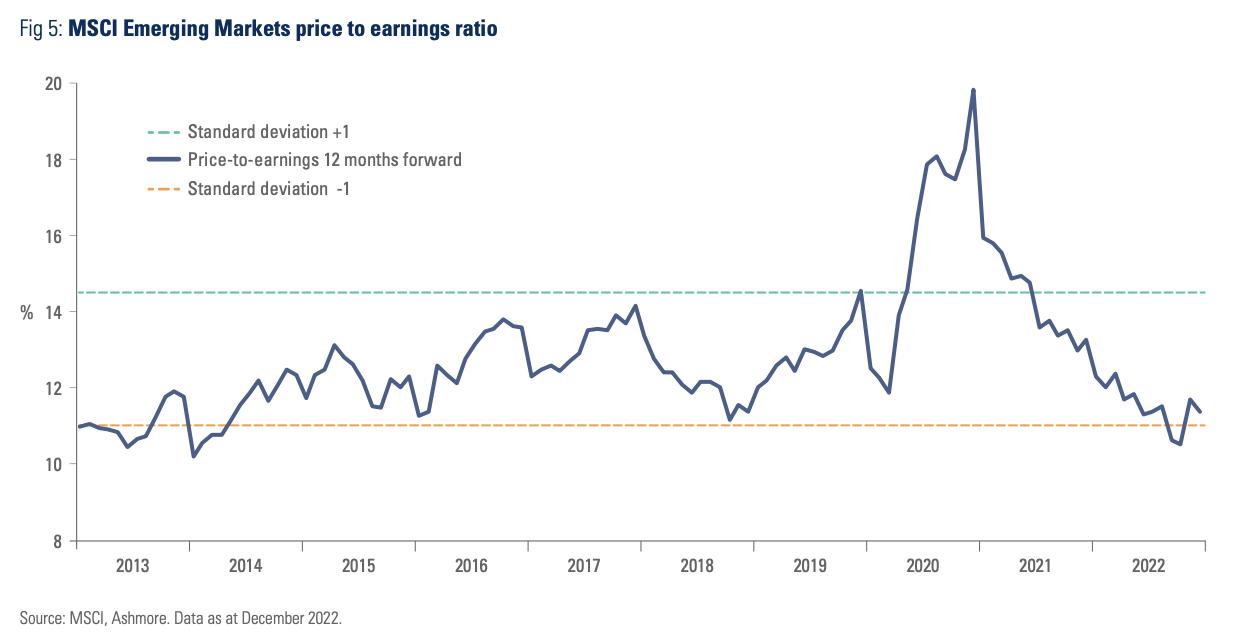
Emerging Markets (EM) have faced a challenging environment over the past five years, due to a series of global shocks that have triggered elevated market volatility and led the MSCI EM equity benchmark to experience its most protracted drawdown in history.
Many advisors today are helping clients with a broad range of their financial planning needs.
Money market funds are attracting deposits for more reasons than just SVB.
CIO Larry Adam shares why his team's market and economic views are tracking more optimistic in light of current volatility.
Global equities were volatile in the first quarter, as turmoil in the banking sector jolted markets.
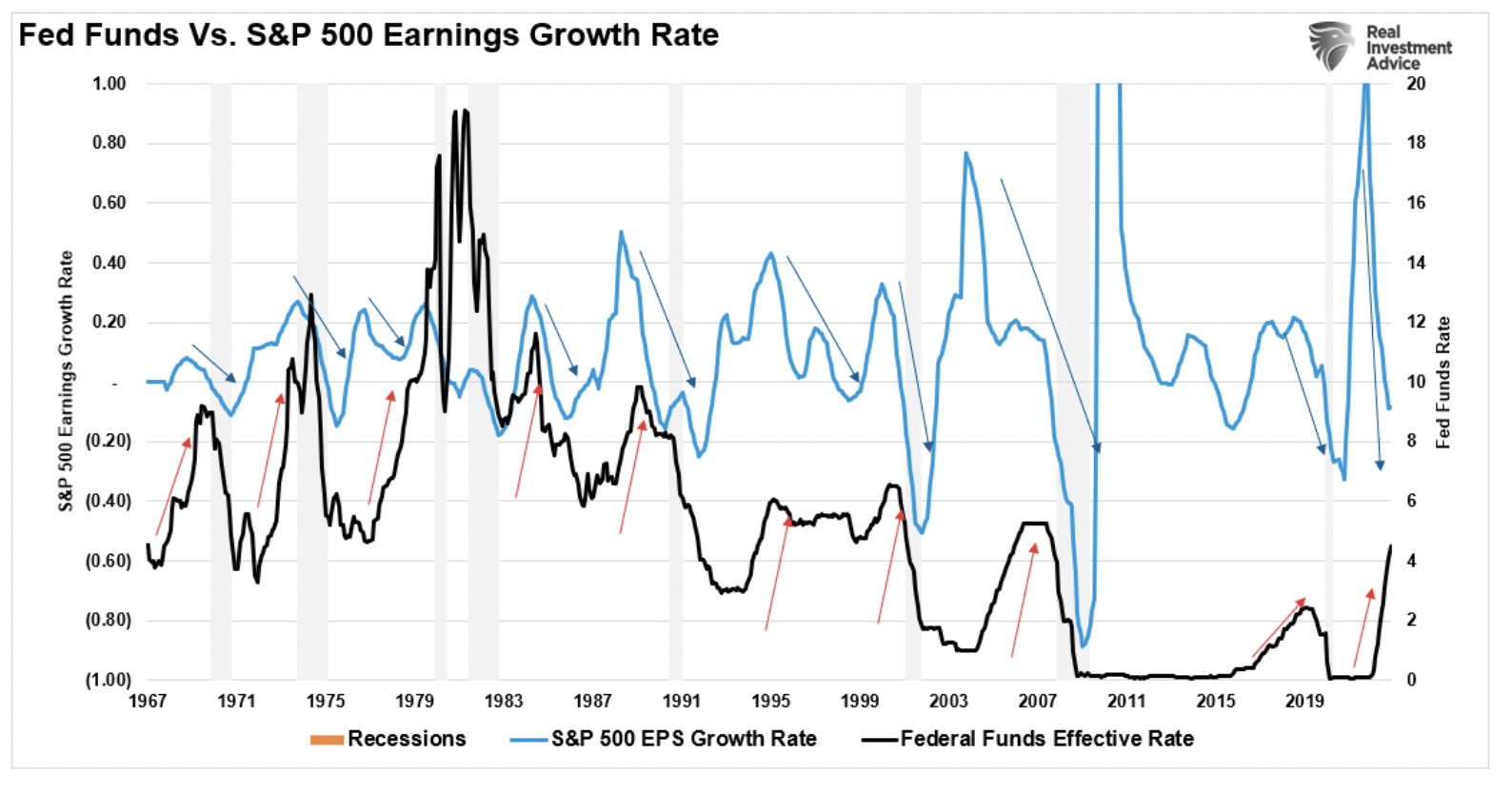
History suggests the lagged economic effects of tighter central bank policy are arriving on schedule, but any eventual normalizing or even easing of policy will still likely require inflation to decline further.
The Franklin Templeton Investment Solutions team examines the earnings outlook for 2023, and why it might make sense to be defensively positioned.
The news of the shocking OPEC+ announcement of a supply cut is saturating the minds of investors and market prognosticators.
Silver led precious metals markets higher last week.
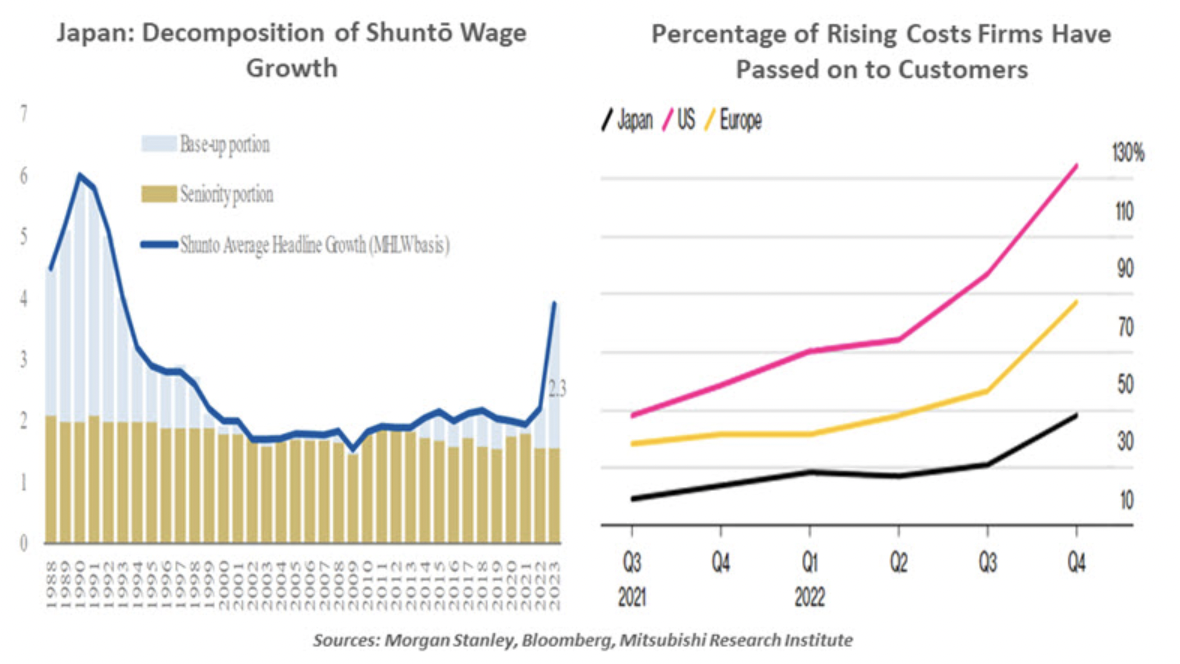
The risk of Japanese inflation getting out of control is not high.
As banks back away from credit creation, we think certain assets could reassert their leadership. In our Quarterly Strategy Report, we analyze the Credit Crunch.
A tricky situation is unfolding, making it rather difficult for the Federal Reserve Bank to honour earlier promises to gradually ease off in its ongoing fight against inflation.
The US Federal Reserve's growing list of policymaking, supervisory, and communications failures is becoming increasingly consequential not just for Americans but also for the rest of the world.
If you were bullish for 2023…congratulations!
Natural gas prices remain in their steep price decline as the prospects for a large gas surplus heading into the spring is keeping buying interest at bay.
This essay focuses discusses a February visit by Secretary of State Blinken to Astana, and the EU-Central Asian Economic Forum in May.
If I did not have bad luck, I would have no luck at all.
Chief Economist Eugenio J. Alemán discusses current economic conditions.
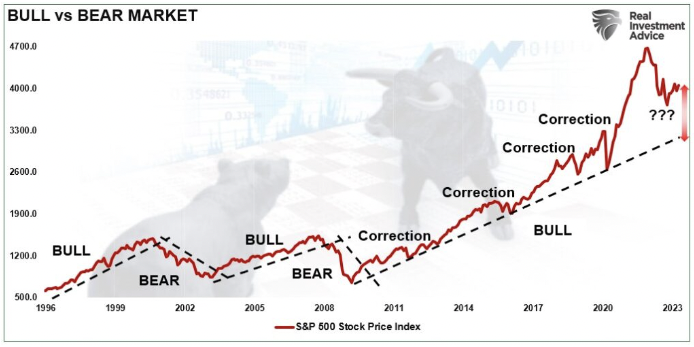
Despite an ongoing “banking crisis,” investors continue to chase stocks triggering several bullish buy signals.
Remember when banks were small? Those old enough to have a bank account in the 1970s should. Back then, most people did their banking with a locally owned institution, often the First National Bank of (Your Town).
Gold appears to be well-positioned for a strong pump that could carry it to new all-time high prices in 2023—and beyond. As you know, I’ve been following and writing about the precious metal market for a very long time, and I see a number of unique catalysts at the moment that could contribute to higher gold prices.
In many ways, the process of filling out a bracket is like investing. It requires balancing risk and reward, while maintaining discipline.
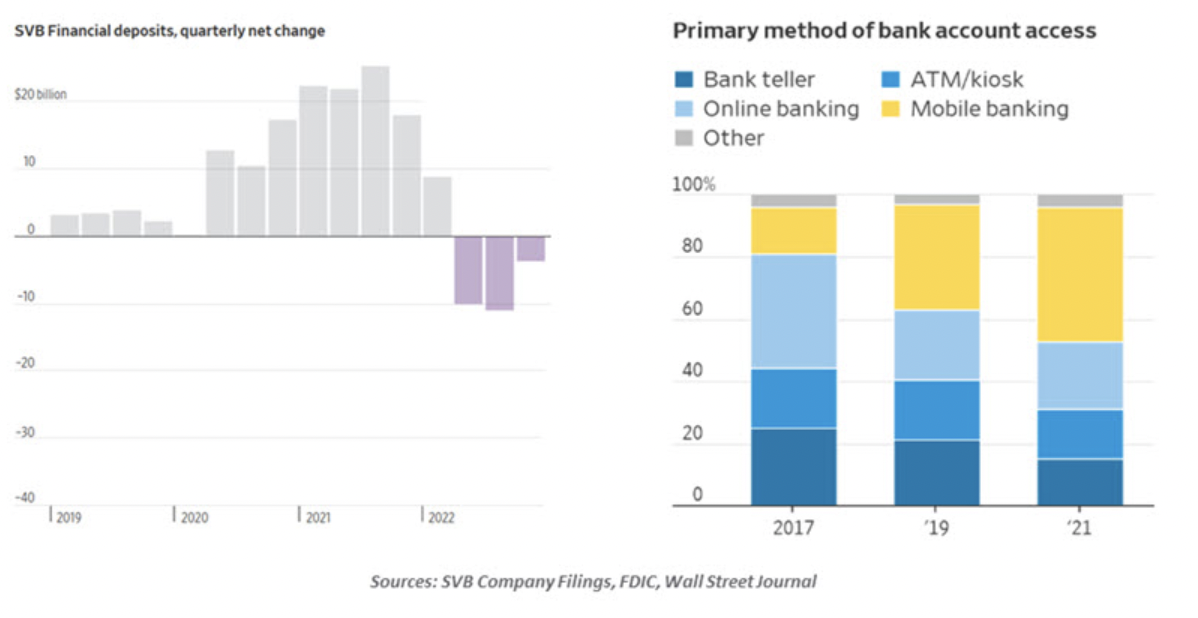
Worries about the health of the overall banking system have led to a drawdown in deposits, with investors yanking nearly $100 billion in deposits from U.S. banks during the week that ended March 15. What’s more, there are fears that the stresses in the banking sector could be the start of the next financial crisis.
Stocks built on overnight gains and Treasury yields inched lower following today's relatively benign February PCE inflation data.
Recession indicators are ringing loudly.
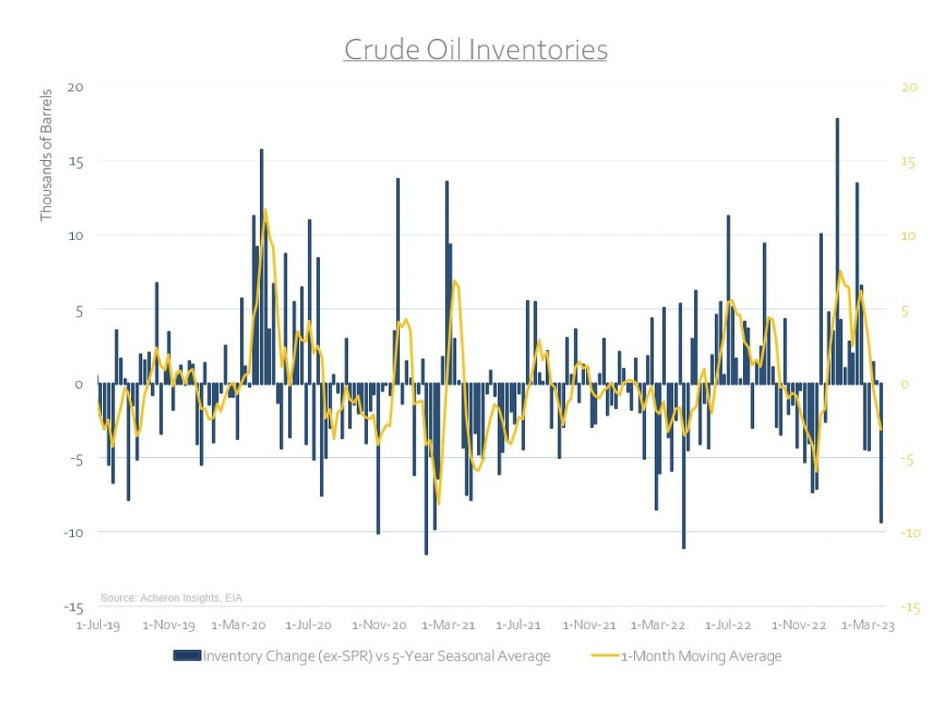
Up until recently, crude oil inventories saw continued build after build, suggesting the real time supply and demand dynamics in the market have been tilted toward the bearish side of the ledger.
It’s been—to put it mildly—an interesting time in the US Treasury market.