Inflation fears are not new, but the current path is beyond alarming. The U.S. is spending its way into a rampant inflation catastrophe. That is why gold and commodities are being bid up in price and will likely continue to be bid up.
Sportsbooks profit from customer losses, making them structurally predatory. Kalshi, by contrast, operates as a peer-to-peer exchange: customers bet against each other, Kalshi takes fees from both sides, and the house has no stake in the outcome. It's a financial market, not a casino.
With the Middle East in flames and a fifth of the world’s supplies of oil and gas in limbo thanks to the uncertain status of the Strait of Hormuz, it’s tempting to imagine that a clean-energy world might leave such conflicts behind.
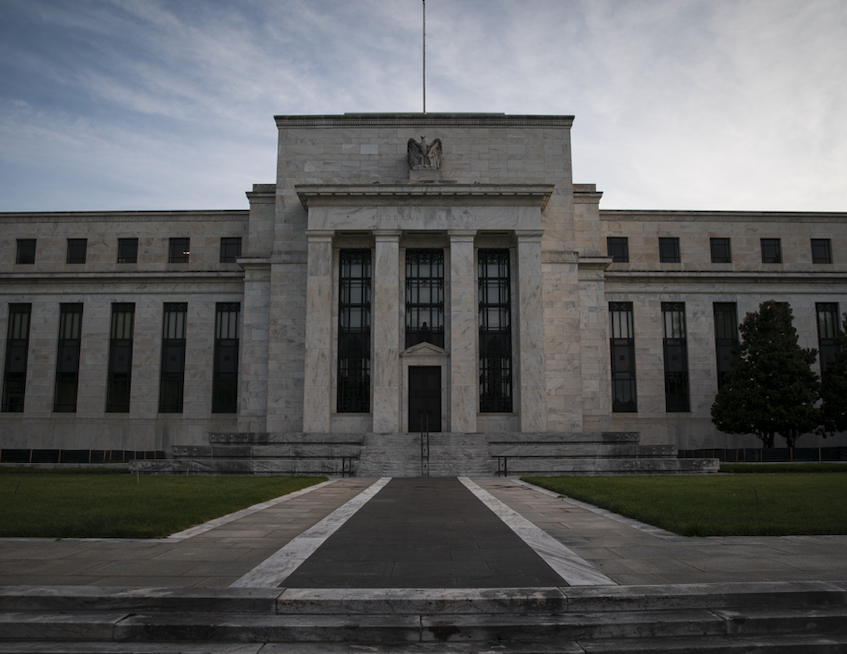
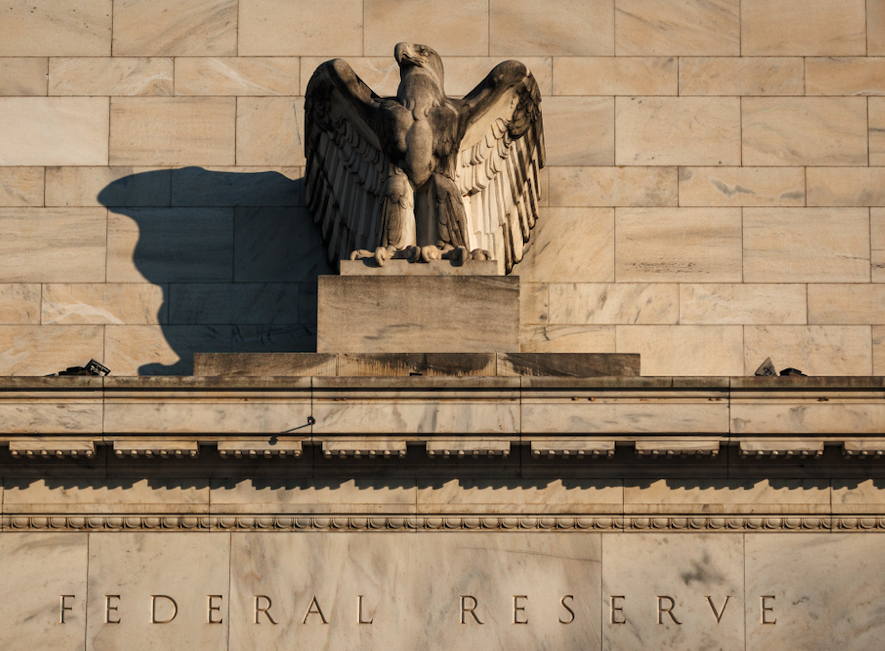
Wall Street strategists expect the Federal Reserve to take a slow and careful approach to winding down a program meant to help ease pressure in funding markets.
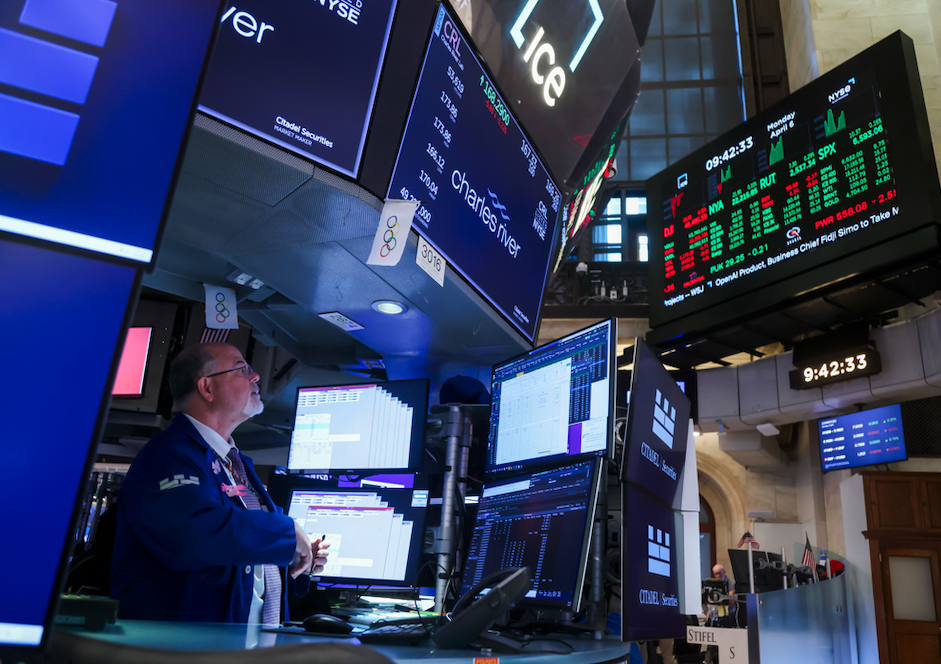
Accelerating earnings are protecting the S&P 500 from deeper losses and masking a broader pullback in US equities, according to strategists at Morgan Stanley.
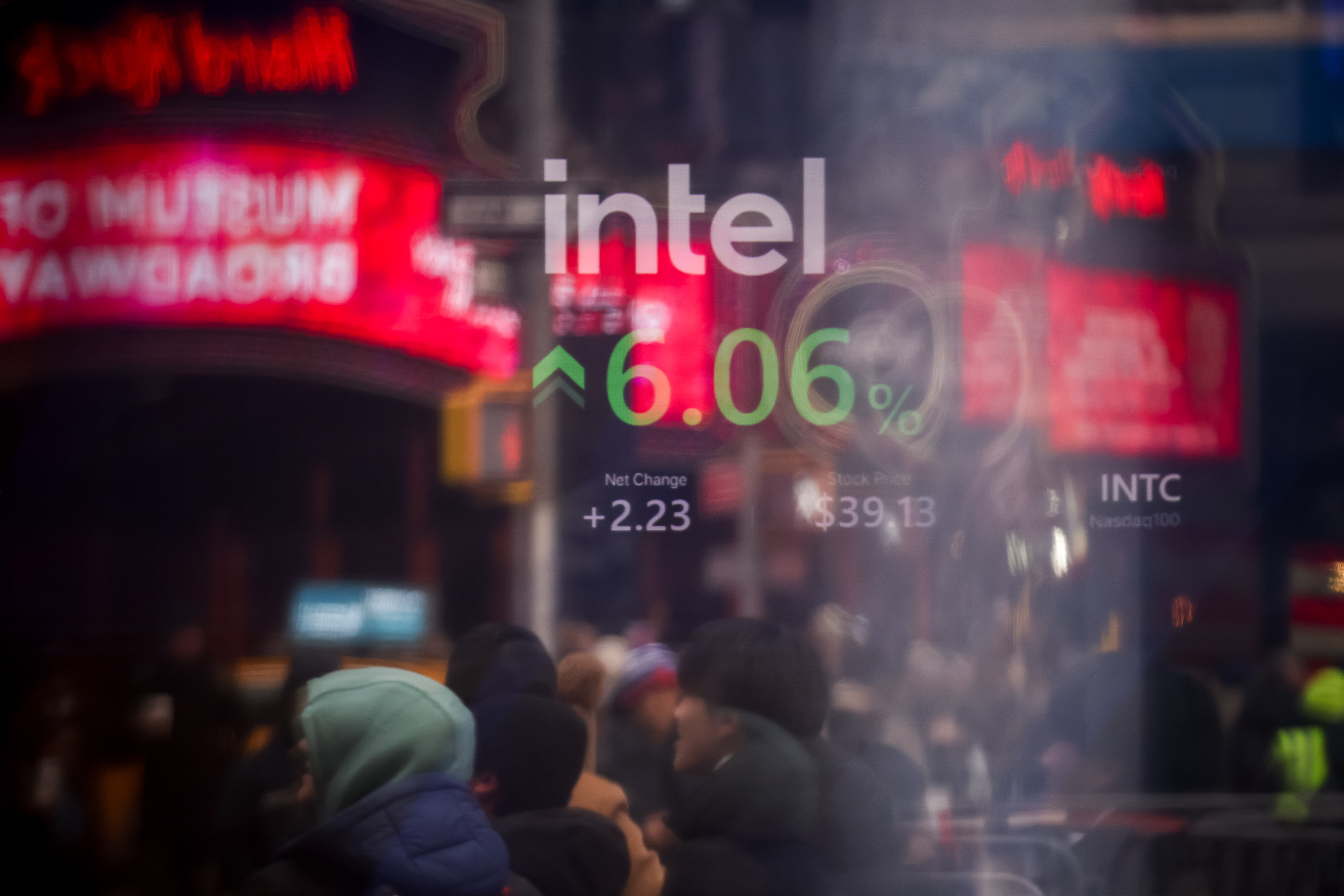
Intel Corp. has quickly become one of the hottest stocks in the S&P 500 Index thanks to a nine-day surge that has added more than $100 billion in market value.
Bond traders held onto wagers that the Federal Reserve will lower interest rates once this year after data confirmed that US inflation quickened in March as the Iran war led to higher gasoline prices.
Late last month, Blackstone Inc. announced the first inbound Gulf private equity deal since Iran started attacking Middle Eastern hubs, while Citigroup Inc.’s top boss fired off a 600-word memo underlining the bank’s enthusiasm for its business in the region.
US equity futures stalled after a seven-day rally as investors weighed whether a fragile truce between Washington and Tehran can hold, and oil headed for its biggest weekly loss in nine months.
By at least one metric in the $9.5 trillion foreign-exchange markets, demand for the dollar is ebbing amid the tenuous ceasefire between the US and Iran.
The idea that this would be enough for “new UMG” to almost double the current one’s valuation doesn’t add up at a time when artificial intelligence is creating doubts about the industry’s future. And it’s unlikely on its own to tempt dominant shareholders such as French tycoon Vincent Bollore. The proverbial fat lady has yet to sing.
After months of sluggish returns, Nvidia Corp.’s stock is rallying again and close to breaking out of its narrow trading range, which market technicians see as a bullish signal.
Ship traffic through the Strait of Hormuz remained blocked Thursday, even as a handful of Chinese vessels lined up to escape, with a very fragile ceasefire between the US and Iran yet to improve traffic flows in the region.
Every twist in the Iran conflict — every ceasefire bet, every missile strike, every shift in tanker traffic — shows up almost instantly in a $65 million exchange-traded fund that most investors have never heard of.
In essence, the IPO is an acknowledgement that the ChatGPT-maker, which just raised $122 billion from investors at a valuation of $852 billion, needs what seems to be an endless amount of money to fund its race for artificial general intelligence.
Tesla Inc. and its Chief Executive Officer Elon Musk are a font of big numbers, real or imagined: A million robotaxis deployed, 20 million electric vehicles sold per year, “tens of billions” of Optimus robots stalking the Earth.
While families have limited control over rising tuition, certain college tuition tax deductions may help ease the overall cost of higher education.
Writing a book can bolster your credibility as a financial advisor, but it does something else that’s equally as valuable: It tells people who you are before you ever meet them.
Whatever you end up doing, make sure you are authentic and honest in your approach. Clients see right through a request or ask that you are uncomfortable making. You have to know what you want, find words that are right for you, and proceed accordingly.
For centuries the so-called cannon shot rule determined who controlled the seas. The legal concept, codified by Dutch jurist Cornelius van Bynkershoek in 1702, was simple: The distance a cannonball reached from shore set the maritime boundary of a coastal state.
Many advisors assume they have a referral problem. They look at their growth, consider how infrequently new clients arrive through introductions, and conclude that clients simply are not inclined to refer as often as they might.
Global bonds surged Wednesday on news that the US and Iran had agreed to a ceasefire, pausing a war that roiled markets for weeks by delivering the worst oil shock in years.
US stocks rallied after President Donald Trump’s announcement of a two-week ceasefire in the Iran war spurred relief across markets.
European stocks soared the most in a year as investors rushed to buy stocks in the wake of the US and Iran agreeing to a two-week ceasefire in exchange for Tehran reopening the Strait of Hormuz.
Fresh data on the US labor market and new research from the Federal Reserve suggest that the conventional wisdom around employment growth being sluggish is wrong.
Financial therapy can help men explore their internal parts to learn to recognize and begin to heal the emotional beliefs driving their economic behavior. The point of financial therapy is not to dampen ambition, but to heal beliefs that may be souring it.
In the competitive and client-centric world of wealth management advisory services, a strong business development strategy is more than a growth tool; it’s a necessity. While digital marketing, webinars and in-house events have their place, two of the most effective and scalable channels for high-quality lead generation remain referrals and centers of influence (COIs).
Cybersecurity stocks have sold off this year alongside the rest of the software sector, but with artificial intelligence increasing the potential threats from bad actors, investors risk missing out on the burgeoning demand for their services.
Finance has been moving fast. From crypto to prediction betting to exchange-traded funds to private credit, new markets—and risks—are proliferating.
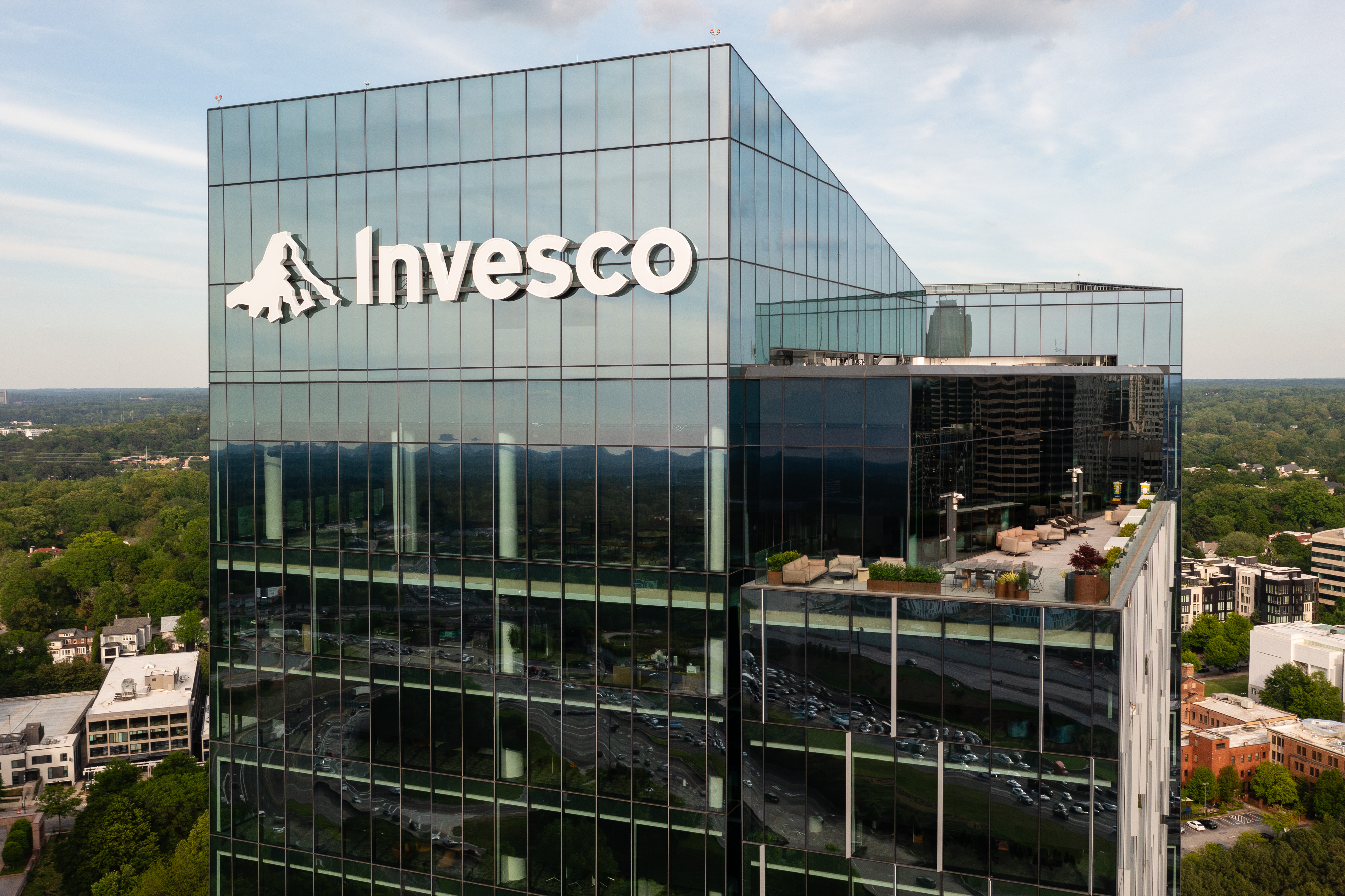
Wall Street’s biggest ETF issuers are circling Invesco Ltd.’s Nasdaq 100 franchise, threatening to end its near-exclusive hold on the index.
The defining statistic of the so-called K-shaped economy is a little hard to define.
Call it the season of IPO prep. Recent launches and announcements from OpenAI and arch rival Anthropic are aimed at laying the groundwork to go public in late 2026 or early 2027, and for OpenAI, which just closed a $122 billion funding round that values it at $852 billion.
When investors want to reduce risk, one commonly used tool is beta. For instance, an investor may sell higher-beta stocks and replace them with lower-beta ones to cushion against an expected market decline. Such a strategy is intuitive and widely used; however, it can be greatly flawed.
Breakeven real rates can inform us how much of a total return portfolio’s realized risk premium would be required merely to catch up to the benefits of delayed claiming, arguably an inefficient use of the equity risk premium.
The debate over ETFs versus mutual funds has never been particularly useful for advisors who actually build portfolios. In practice, the question was never which vehicle is better — it was always which vehicle is better for this objective, in this sleeve, for this client. In 2026, that discipline matters more than ever.
Cities such as New York and Chicago are in deep financial trouble. Broadly speaking, they have two options: Make the difficult but appropriate choice to raise taxes and reduce the scale of government, or continue to live in a state of denial, increasing their pension obligations while also promising their residents more services.
BlackRock Inc. is setting its sights on a corner of the $13.7 trillion US exchange-traded fund industry long controlled by Invesco Ltd: tracking the Nasdaq 100 Index.
The next 12 months are expected to bring a bumper crop of mega initial public offerings to market. Billionaire Elon Musk’s rocket, satellite and AI company SpaceX has reportedly filed for a potentially record-breaking offering.
US equities and crude oil prices edged higher as investors focus on signs of a potential diplomatic push toward a ceasefire in the Iran war.
Bond traders kicked off the week betting that the Federal Reserve will keep interest rates on hold for the coming year, with the Treasuries market holding steady ahead of President Donald Trump’s extended deadline for Iran to reopen the Strait of Hormuz.
Exchange-traded fund issuers are shutting new products at the fastest pace in years as competition for investor money intensifies.
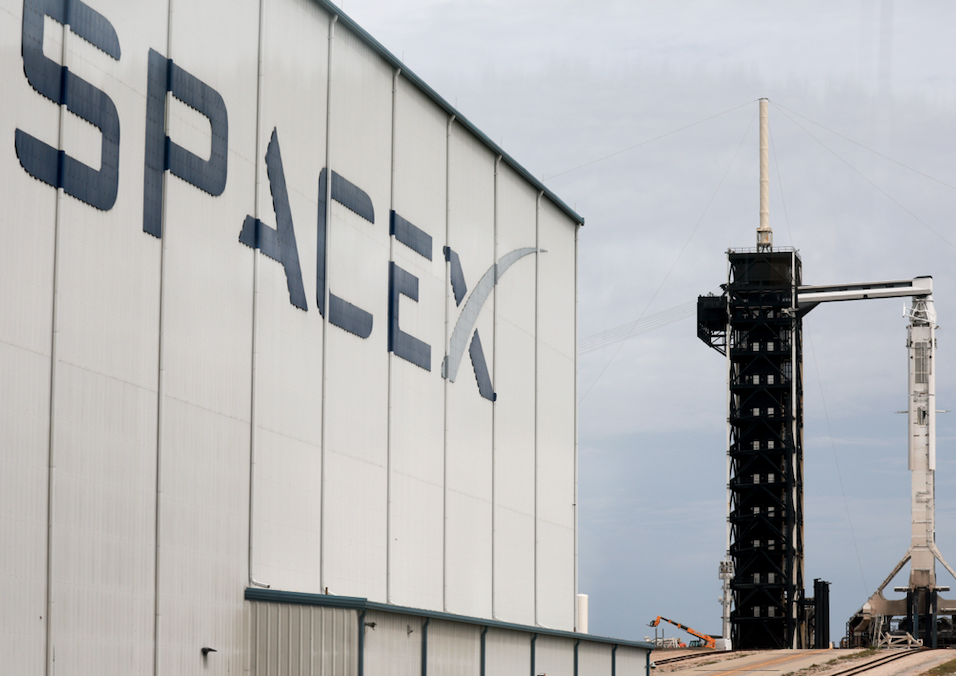
SpaceX has filed confidentially for an initial public offering, according to people familiar with the matter, bringing billionaire Elon Musk’s rocket, satellite and AI company closer to delivering the biggest-ever listing.
The stock market is looking past the sharp interest rate hikes priced by Europe’s bond market, risking losses for investors backing the wrong outcome.
Big names in crypto, payments and cloud infrastructure are racing to build the financial plumbing for a world in which AI agents — not humans — handle transactions on the internet.
Less than two months ago, projections showed the US government on track to borrow some $2 trillion this year with budget deficits exceeding 5% of gross domestic product indefinitely. Since then, this dire outlook has worsened — thanks to the Supreme Court’s ruling on tariffs, the war with Iran, the prospect of slowing economic growth and rising interest rates.
Unilever Plc’s Fernando Fernandez haslucked out by selling the company’s food businesses, including Hellmann’s mayonnaise and Knorr stock cubes, to McCormick & Co. But Fernandez, who’s been chief executive officer for just over a year, shouldn’t squander his good fortune; he needs a clear vision for what comes next.
When Edward Jenner inoculated an eight-year-old boy with cowpox in 1796, the principle was radical: Expose a healthy body to a mild, manageable version of harm, and it builds the defenses to survive something far worse. The cowpox patient never got smallpox. Markets work in much the same way.
This week’s column is dedicated to improving two of the most critical skills: asking strong open-ended questions and listening in an active and reflective way. Let’s start with the harder part — listening.
How should RIAs think about advisor cash compensation? This article focuses on the salary, bonus, and benefits arrangements commonly used in the industry and typically documented in investment advisor representative (IAR) agreements.
Now that Nelson Peltz has won a surprise bidding war for Janus Henderson Group Plc, the activist investor can start to revamp the $493 billion asset manager he has circled for years.