The U.S. dollar has been on a tear in recent months, bringing it to its highest valuation versus other major developed currencies in more than 35 years.
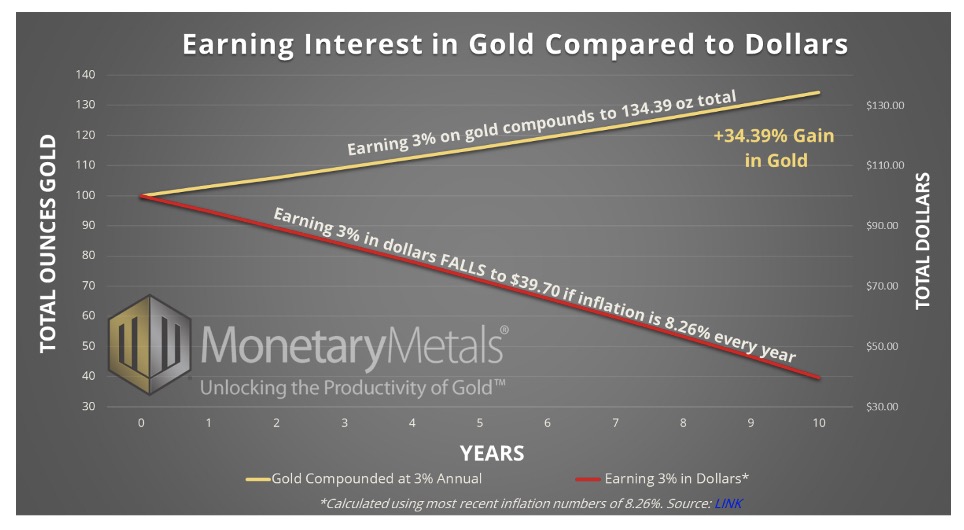
A yield on gold and silver is an attractive alternative to falling yields in dollars or the negative yield with costs of vaulting your precious metals. But are the yields high enough?
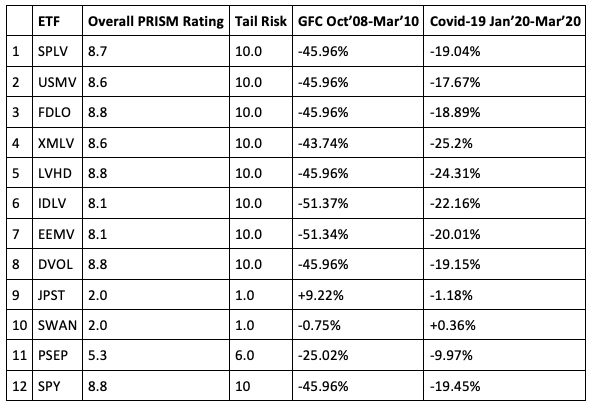
Low volatility does not mean low risk when it comes to ETFs. By selecting products that minimize losses rather than volatility, advisors can achieve better outcomes for clients.
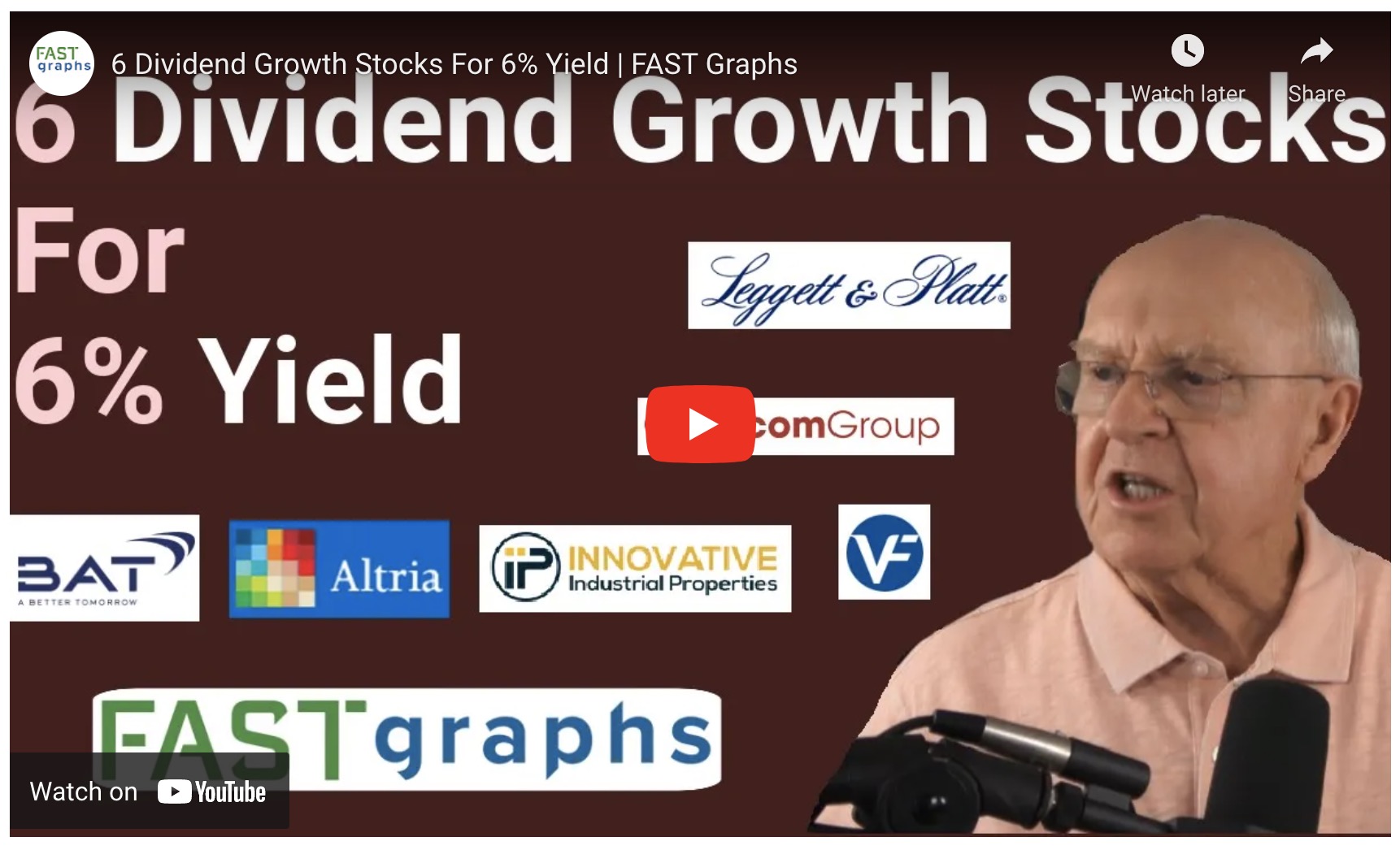
While 2022 has been a challenging year for nearly every segment of the capital markets, it comes with a silver lining for income investors: higher yields.
Precious metals markets are trying to tough this week despite another large rate hike by the Federal Reserve.
“Invest in what you know.” You’ve likely heard this advice before.
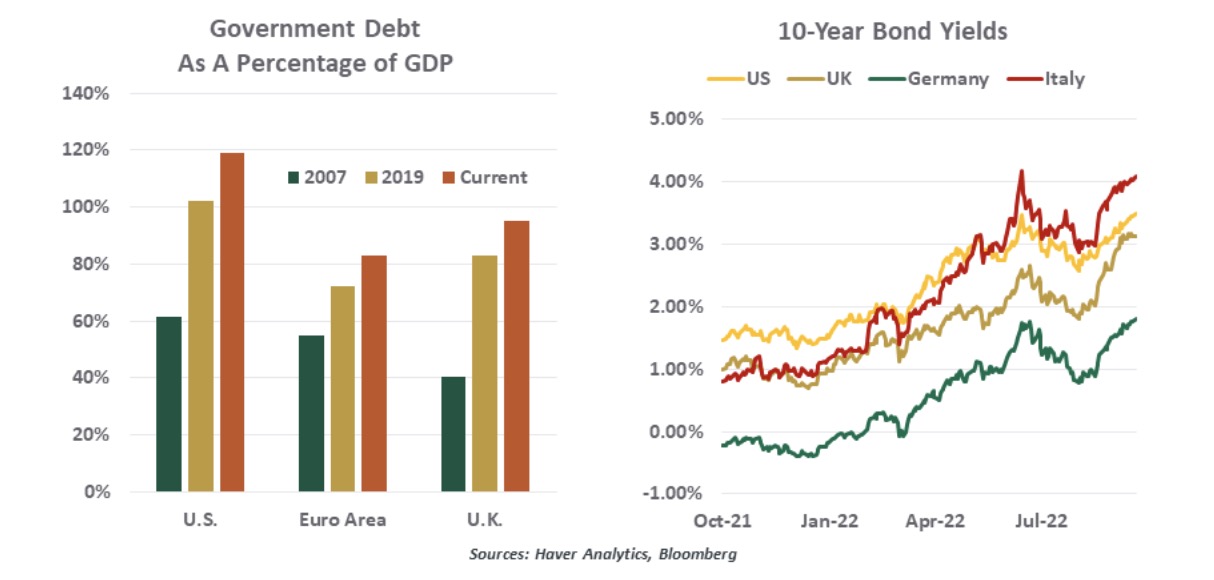
The pandemic drove up debt, and higher interest rates are adding to the burden.
We had been bullish on stocks all the way back to March 2009, when mark-to market accounting was fixed and the Financial Panic started to recede
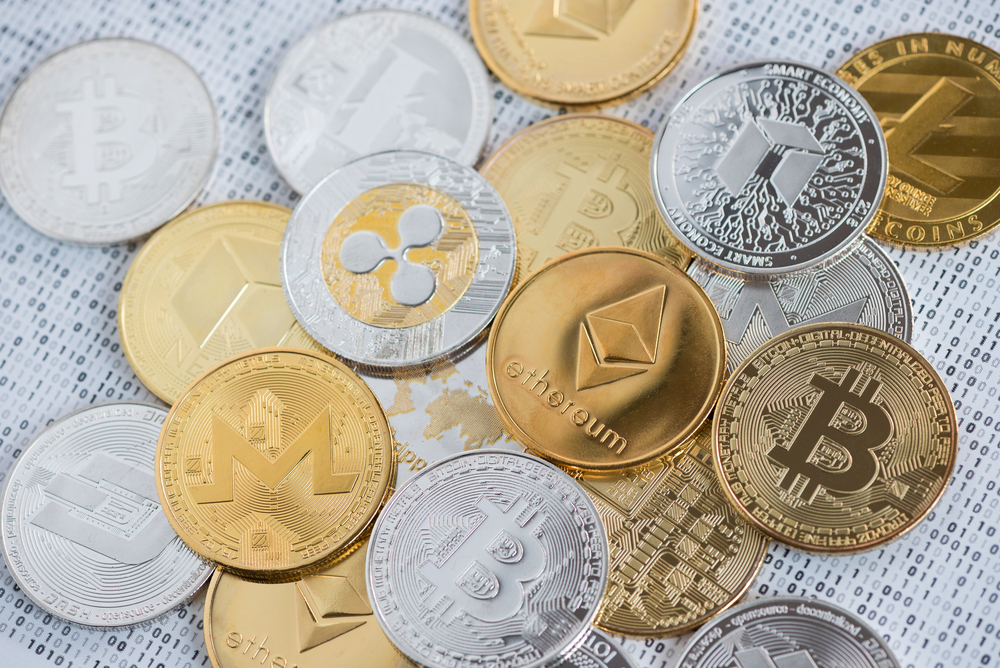
Virtual money, digital gold, inflation hedge, uncorrelated asset, store of value: those are phrases once used by Bitcoin’s fans to describe the cryptocurrency’s virtues. Its new narrative? A Bitcoin is a Bitcoin.
Frequent flyers are accustomed to turbulence on some flights. Indeed, many expect it. Despite such anticipation, however, the turbulence can once in a while create significant anxiety among even the most seasoned travelers.
Promising a return to a Norman Rockwell-esque past where everyone had great jobs, financial stability and a shot at the American dream makes for great politics, but terrible economic policies.
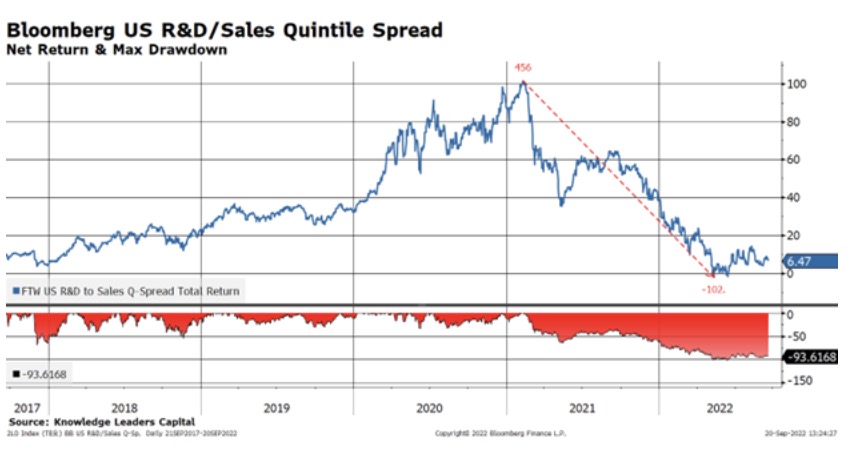
The great tech selloff of 2022 is far from over as investors brace for earnings misses that may spur a more than 10% plunge in the Nasdaq 100.
Bond mutual funds trade daily and are highly liquid, but the underlying securities are often highly illiquid, trading very infrequently. This mismatch means that bond fund pricing is unreliable, creating risks, especially for buy-and-hold investors.
In a surprise move, General Motors Co. this week joined forces with the Environmental Defense Fund (EDF) to recommend tougher emissions rules for passenger vehicles. But skeptics remain unconvinced by the company’s professed commitment to going green, citing GM’s history of battling tougher fuel economy rules.
For years, asset allocators had it easy: Buy the biggest American tech companies and watch the returns rack up. Those days are gone, buried under a crush of central bank rate hikes that are rewriting the playbooks for investment managers across Wall Street.
Oil markets are broken. Extreme volatility and a lack of liquidity mean that crude futures have become disconnected from tight physical oil markets. At least that’s what some loud voices in the oil world are telling us.
Week by week, the bond-market crash just keeps getting worse and there’s no clear end in sight.
The world will be going from an era of zero rates and loose monetary policy to higher rates and likely slower growth, except in certain sectors. Adjusting to this change will be both problematic and also full of potential opportunities.
Portfolio Manager John Paul Lech explains why investors in emerging markets should go upstream in order to leverage the long-term power of the EV sector.
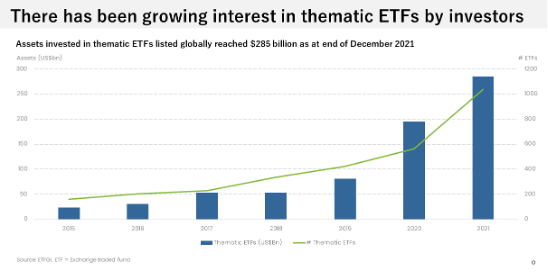
Here are some key points that advisors should keep in mind when dispensing advice and recommendations on thematic ETFs.
One of the world’s largest derivatives exchanges is making a dangerous play for retail investors.
We are now in another downswing in the ongoing bear market.
Warren Buffett famously described the stock market as “a device to transfer money from the impatient to the patient.”
Nations are being forced to go it alone in erecting defenses against the relentless strength of the almighty greenback, with no sign that governments are willing to act in concert.
Asset bubbles have been prevalent throughout history.
Balancing acts. As the Fed walks the line between curbing inflation and averting recession, anxious investors are seeking to balance the two risks. Amid the uncertainty, we believe stock selection matters more.
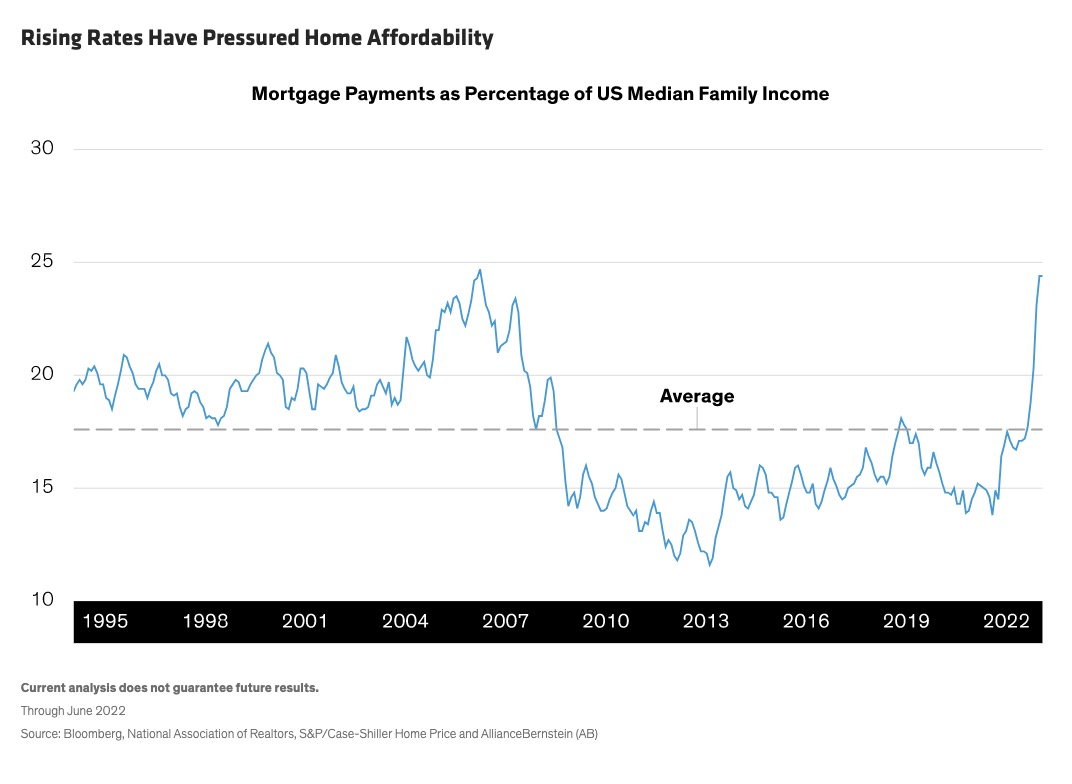
With interest rates on the rise, the once red-hot US housing market is finally showing signs of cooling.
Let’s face it, the last three years have been challenging for investors. The global pandemic has had a domino effect on so many aspects of our lives.
The US agency mortgage backed-securities market makes up more than a quarter of the Bloomberg US Aggregate Bond index. This market segment is entering a period of uncertainty due to ongoing volatility in the rates market and the prospect of the Federal Reserve reducing its allocation to agency mortgage-backed securities.
Cryptocurrencies lingered near almost two-year lows as digital-asset investors sought a fresh catalyst with central bank rate increases depressing demand for riskier assets.
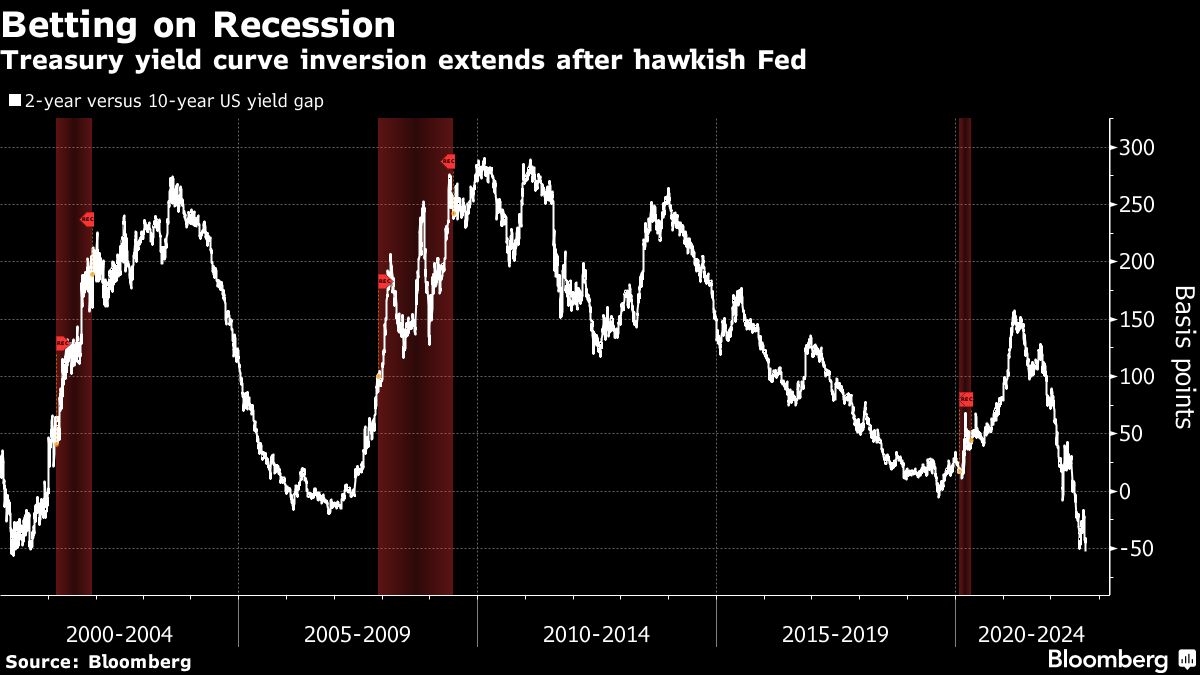
Bond traders are girding for the risk that Federal Reserve Chair Jerome Powell is ready, willing and able to plunge the US into recession to get the inflation bogey under control.
Even as the Federal Reserve jacks up interest rates and sends technology stocks tumbling, it only gets harder to stay away from the sector.
The US Securities and Exchange Commission will stop short of banning payment for order flow, a controversial way to process retail stock trades, as it proposes new rules for the $48 trillion American equities market.
Mortgage rates in the US rose for a fifth straight week, threatening to freeze more would-be buyers out of the market for homes.
U.S. stocks are moving higher in pre-market trading, following yesterday's third-straight 75-basis point rate hike from the Fed.
The Federal Reserve released new economic projections suggesting interest rate hikes will be faster and larger than previously forecast.
Federal Reserve Chairman Powell delivered another forceful message to markets that an early pivot back to rate cuts will not happen until inflation is under control.
The Federal Reserve once again voted unanimously to raise rates by three-quarters of a percentage point - 75 basis points (bps) - today, bringing the target for the federal funds rate to 3.00 – 3.25%, and signaled expectations for continued hikes ahead.
Tesla recently outlined what will determine where the carmaker puts its next plant. Looking at the list, it’s easy to imagine Elon Musk wishes he had a do-over and didn’t put his first European factory in Germany.
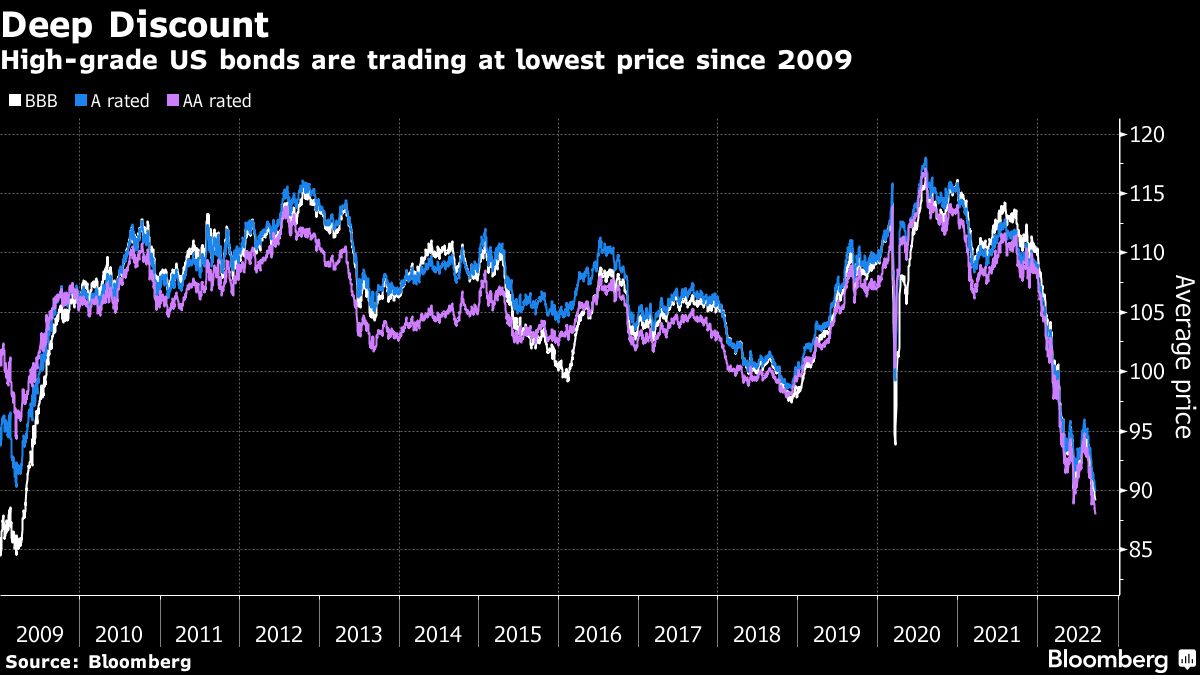
Most of the US investment-grade bond market is trading at a discount, and PGIM and JPMorgan say it’s time to buy.
When it comes to investing in stocks, I believe that intelligent investing implies investing for specific objectives or needs.
In a time of uncertainty, we believe that quality is the key to investing in equities.
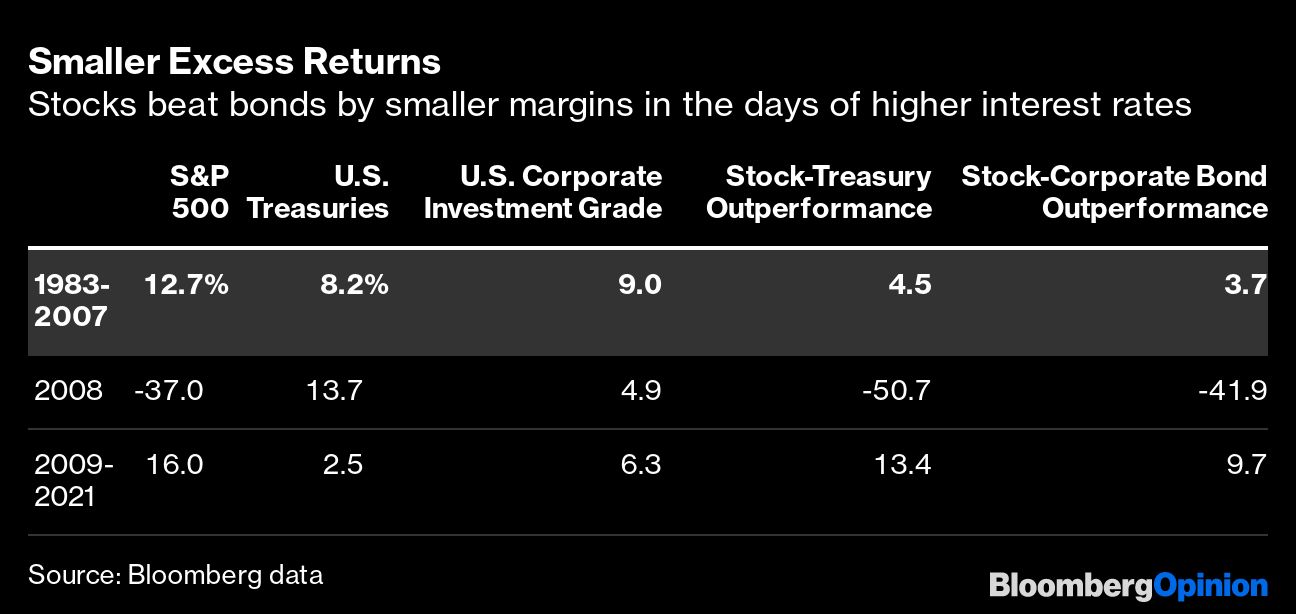
Would you rather buy a risk-free long-term Treasury bond yielding more than 3.5% or take your chances in the stock market? The jury is apparently still out among investors...
Innovation was the market darling thematic for many years leading up to COVID.
Portfolio Manager Michael Oh, CFA, says attractively valued companies are growing in Asia unfettered by inflationary headwinds.
Direct indexing is the fastest growing segment of the asset management industry. In this interview, Brandon Thomas of Envestnet explains how direct indexing helps clients gain low-cost, tax-efficient exposure to asset classes, ESG and quantitative strategies.
U.S. stocks are declining in pre-market trading as the markets await the Fed’s highly anticipated monetary policy decision tomorrow.
The Biden administration is working on plans to herd the public into digital currency controlled by the Federal Reserve.
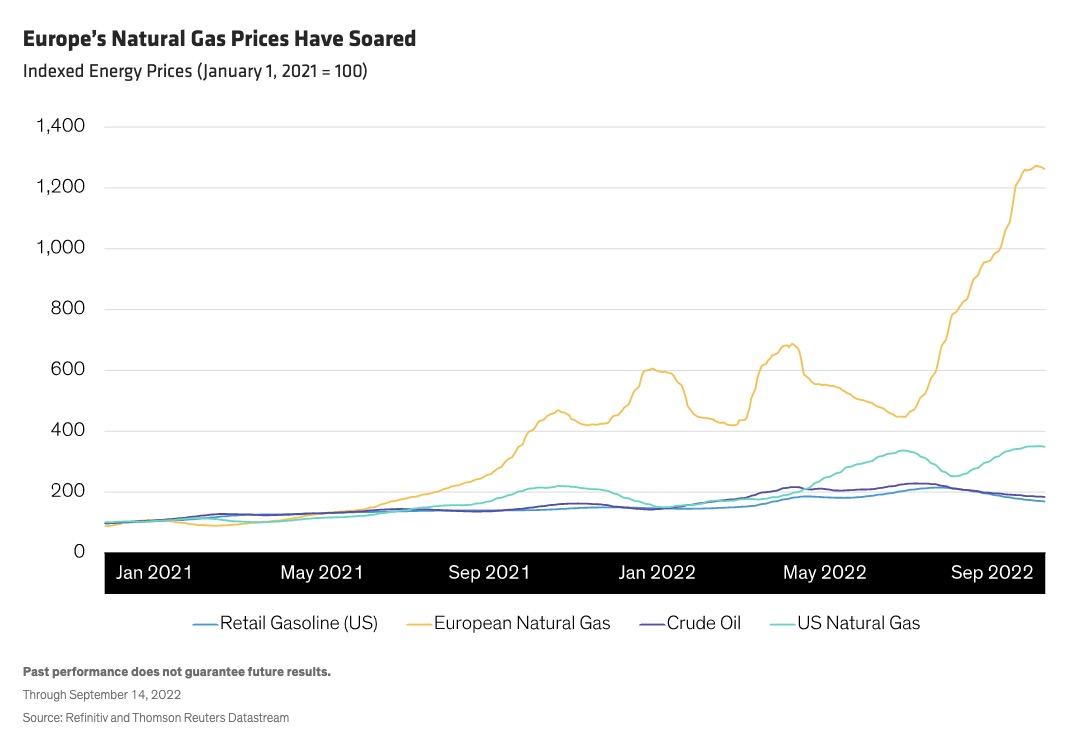
As surging natural gas prices stoke inflation throughout Europe, policymakers are responding to both reduce the economic damage of high energy prices and clamp down on blistering inflation rates.