This is a critical time for investors and policymakers alike.
The investors of Smead Capital Management have been hearing us talk about ‘First World Problems’ recently.
Now that we are seeing much of this come to fruition, it is now time to turn the page to the next chapter.
Trying to forecast inflation is a hazardous occupation when there's so much volatility in markets, supply chains and energy prices. But we can get some sense of where inflation is likely to go by tracking the profit margins of companies that make goods and services that go into the consumer prices basket.
Tesla Inc. shares jumped Tuesday after Cathie Wood bought the company’s shares following their Monday’s plunge, prompted by a disappointing delivery number for the third quarter.
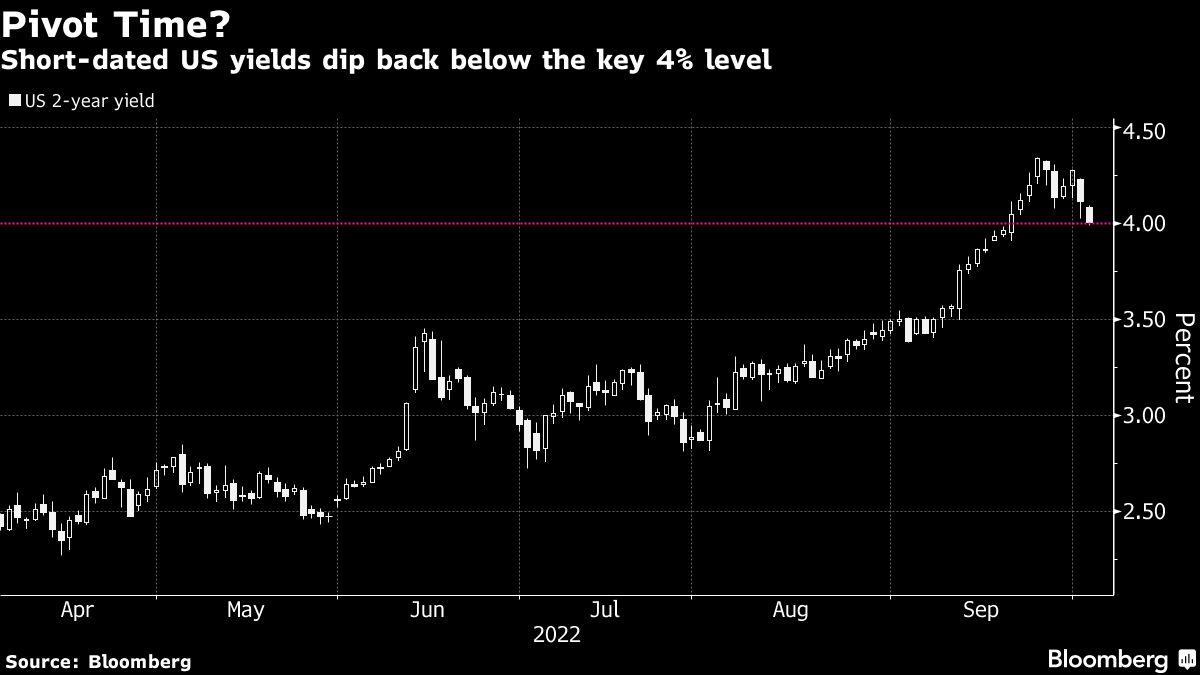
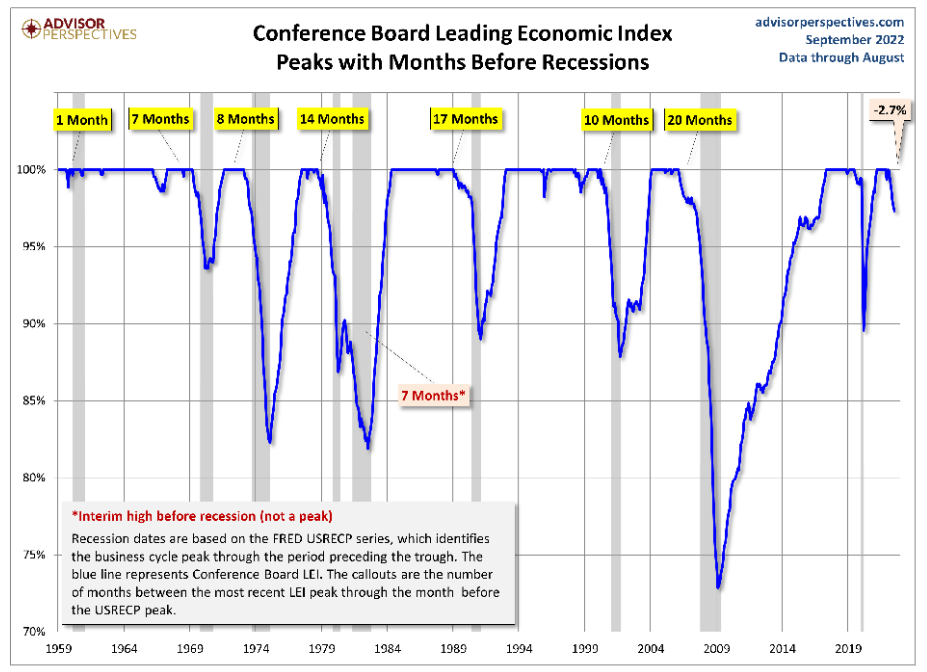
Global bonds and stocks are rallying on hopes that the latest signs of weakness in the US economy will push the Federal Reserve to rethink the aggressive monetary policy tightening that some fear will trigger a recession.
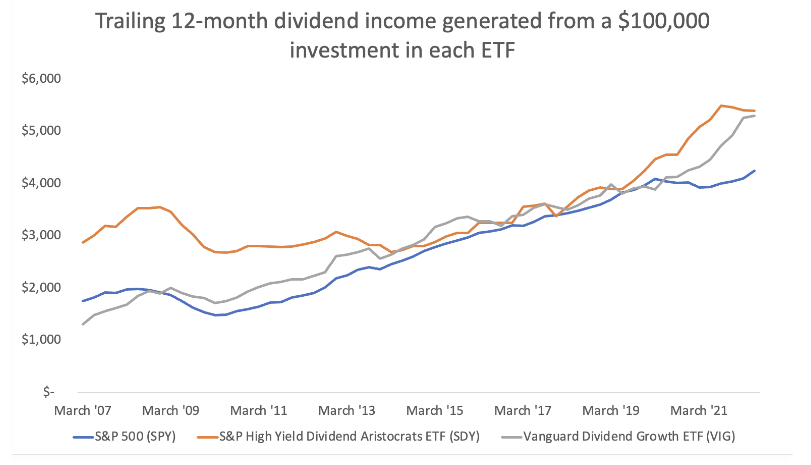
One investment with the ability to provide current income, inflation protection, and even the potential for capital appreciation has been largely overlooked – rising dividend stocks.
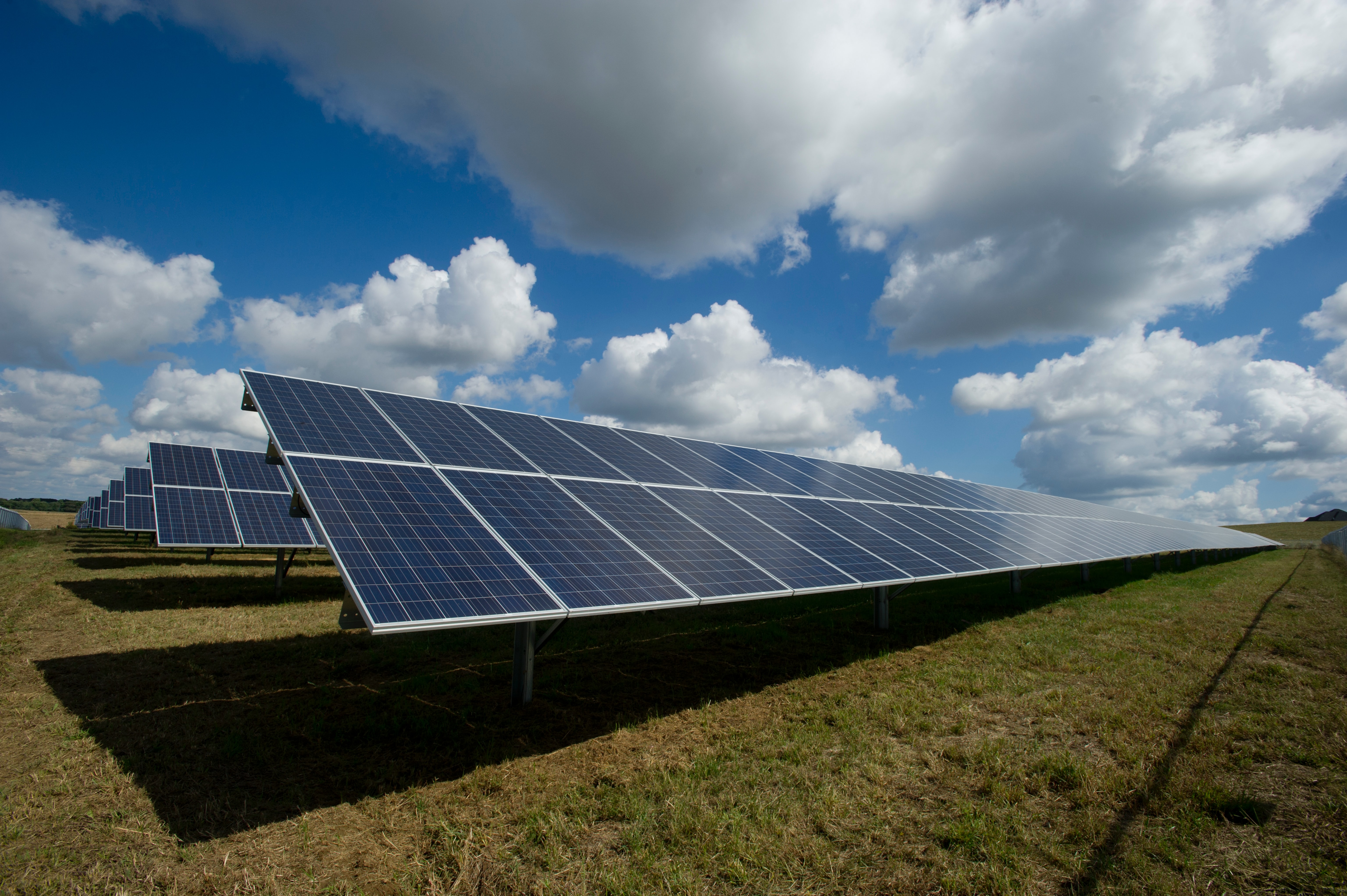
In rural America, the shoulder-high corn is increasingly competing with a new cash crop: solar power.
A key lithium producer in Australia, the world’s top supplier, is urging electric car manufacturers and battery makers to become its partners in new refinery projects, arguing their direct financial backing is vital to avoid shortfalls of the material that’s crucial to the clean energy transition.
Gold climbed higher, helped by a continued decline in Treasury yields, as traders weighed concerns that central banks’ monetary tightening will lead to recession and the possibility that bond rates may have reached a peak.
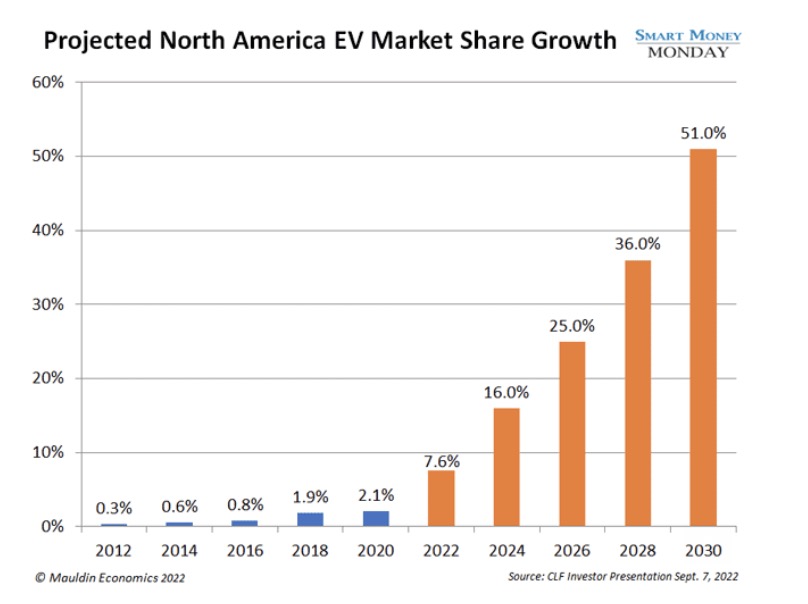
Every time I cruise around Raleigh, it’s like Tesla drivers have multiplied.
Instead of focusing on the advantages fiduciary standards would provide to the profession, lobbyists who represent advisors should point to the catastrophic failures of the perverse incentives embedded in the brokerage business model.
For most of 2022, the VIX been above its average, which historically has led to lower equity returns. I will review the risks that investors face, which explain the continued high level of uncertainty.
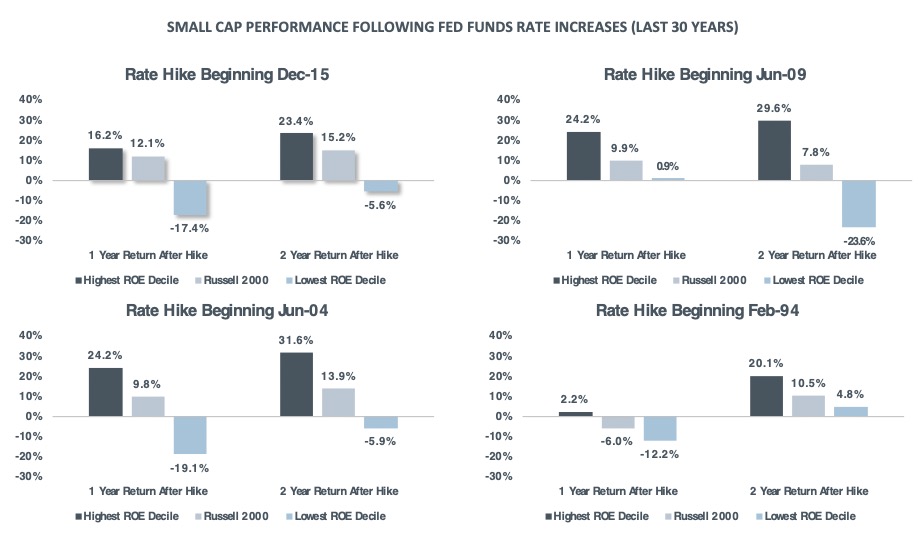
Generally speaking, when rates rise, so does the importance of investing in high-quality companies with strong operating metrics that can weather the higher cost of capital.
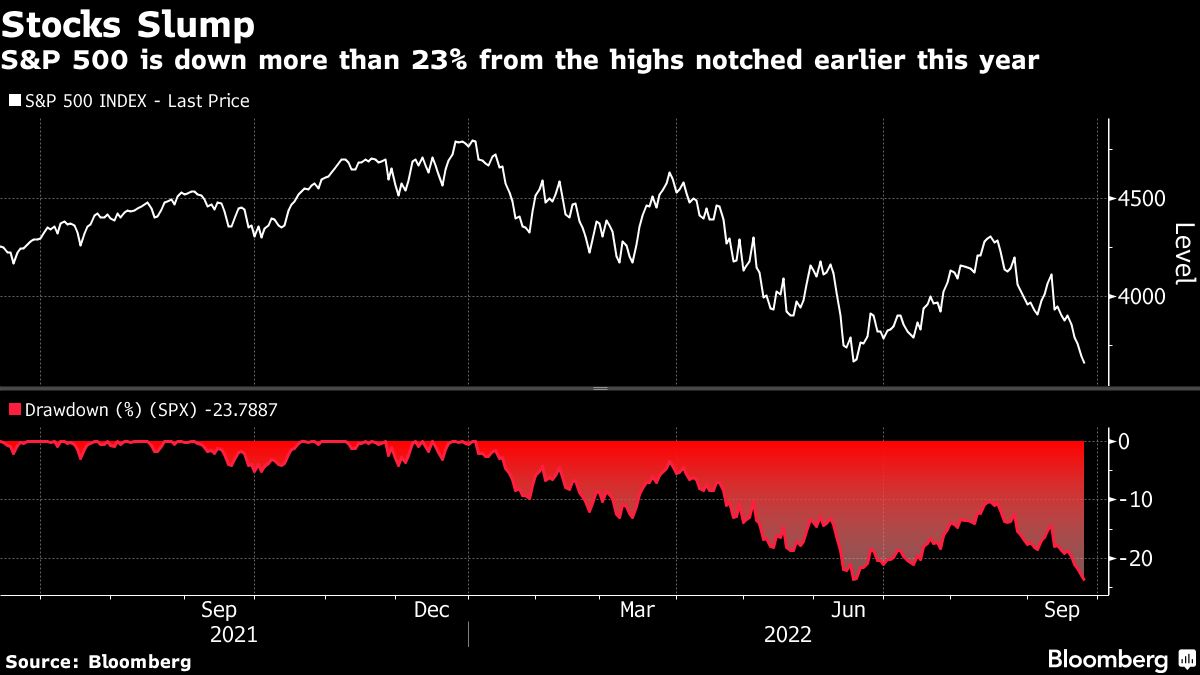
Investors are primed for any bit of good news to help them forget a brutal quarter for stocks that took this year’s value destruction to $24 trillion. A resilient corporate earnings season might give them that.
Elon Musk showed off a prototype humanoid robot walking and waving its hand, seeking to demonstrate Tesla Inc.’s advances in artificial intelligence.
With investors feeling anxious and looking for answers in these volatile and uncertain economic times, advisors should stick to a basic roadmap to help clients stay the course. Here are four ways advisors can do that.
Short sellers are homing in on Cathie Wood’s pool of exchange-traded funds, undeterred by the rising cost to bet against the Ark Investment Management family.
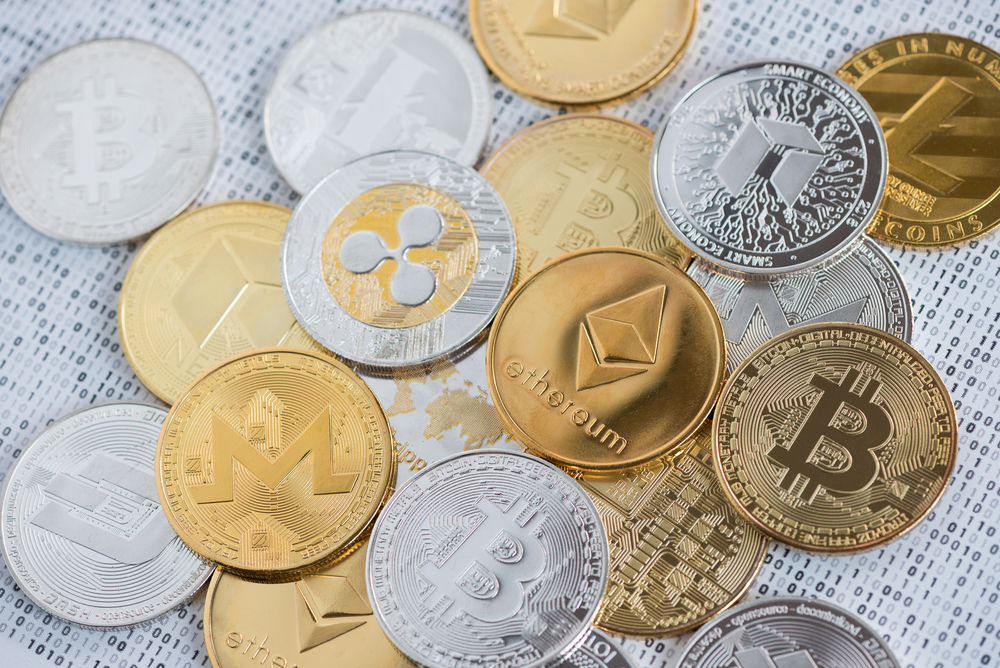
The money flowing out of crypto-related funds in the third quarter has slowed down, a sign that many bearish investors may have already piled out of the risky asset class.
Just 18.5% of homes in Florida counties that were told to evacuate have coverage through the National Flood Insurance Program (NFIP), which is administered by FEMA. Most regular homeowners’ insurance policies don’t cover flood damage, which is why Congress created the NFIP in 1968. But at an average cost of $995 a year, according to Forbes, the insurance may be out of reach to many households.
Tesla Inc. is expected to announce record quarterly deliveries as the electric-vehicle giant tries to recover from supply-chain snarls that crimped output earlier this year.
Airlines enjoyed a hot summer, as “revenge travel” and soaring fares lifted the companies. But investors have been reluctant to get on board as recession fears cloud the outlook, leaving the stocks languishing.
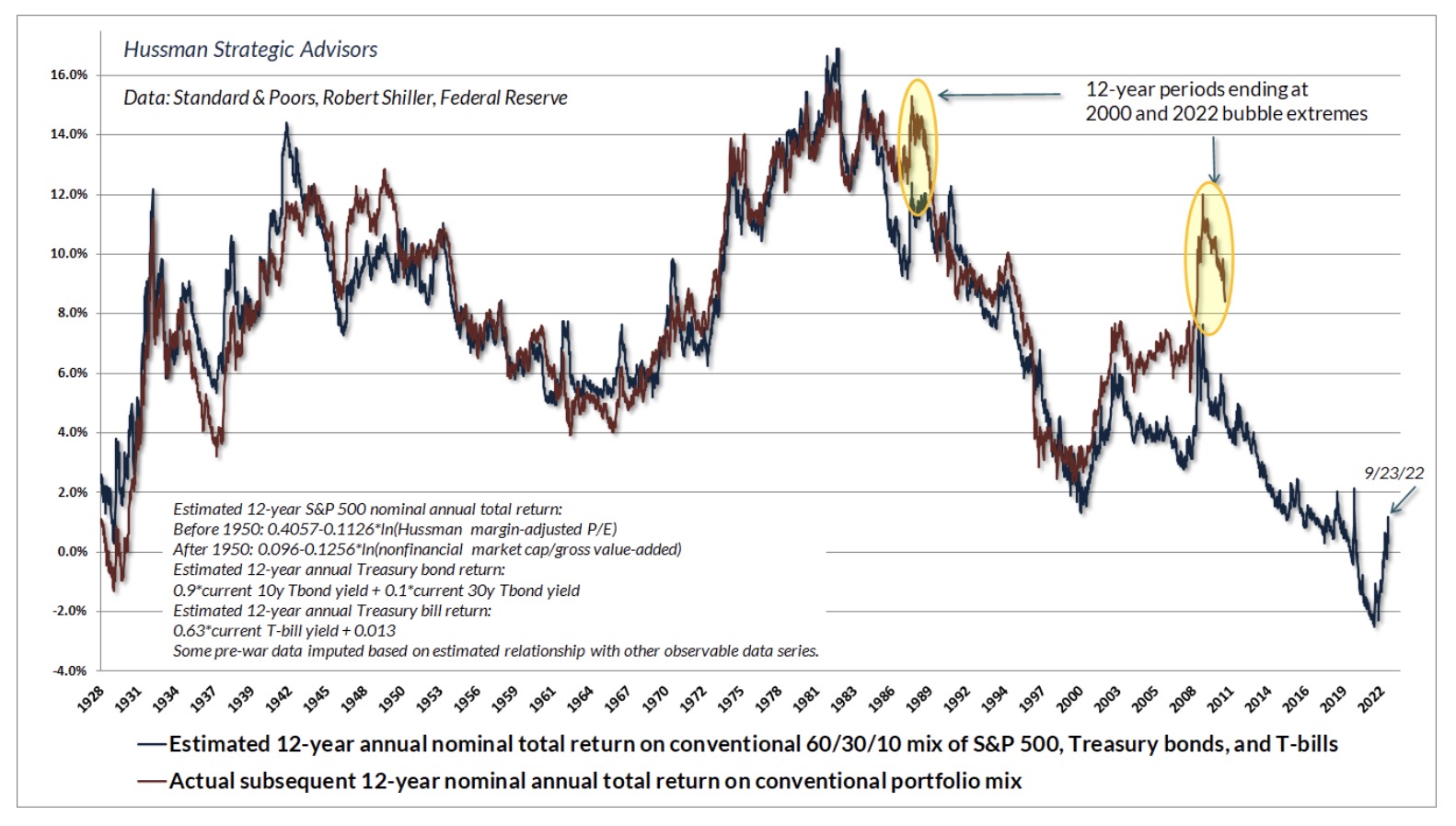
Surveying the current condition of the financial markets, we presently observe a combination of still historically-extreme valuations, rising yet still only normalizing interest rates, measurably inadequate risk-premiums in both equities and bonds, and ragged, unfavorable market internals, suggesting continued risk-aversion among investors.
American companies have had a growing list of reasons to downgrade their ties with China in recent years. Former President Donald Trump’s tariffs. Beijing’s stringent Covid lockdowns. The US-Sino standoff over Taiwan. Political pressure to “friend-shore” supply chains toward nations aligned with Washington. But breaking up, as the adage goes, is hard to do.
Our last update was on August 26th and the market had peaked on the 16th of that month.
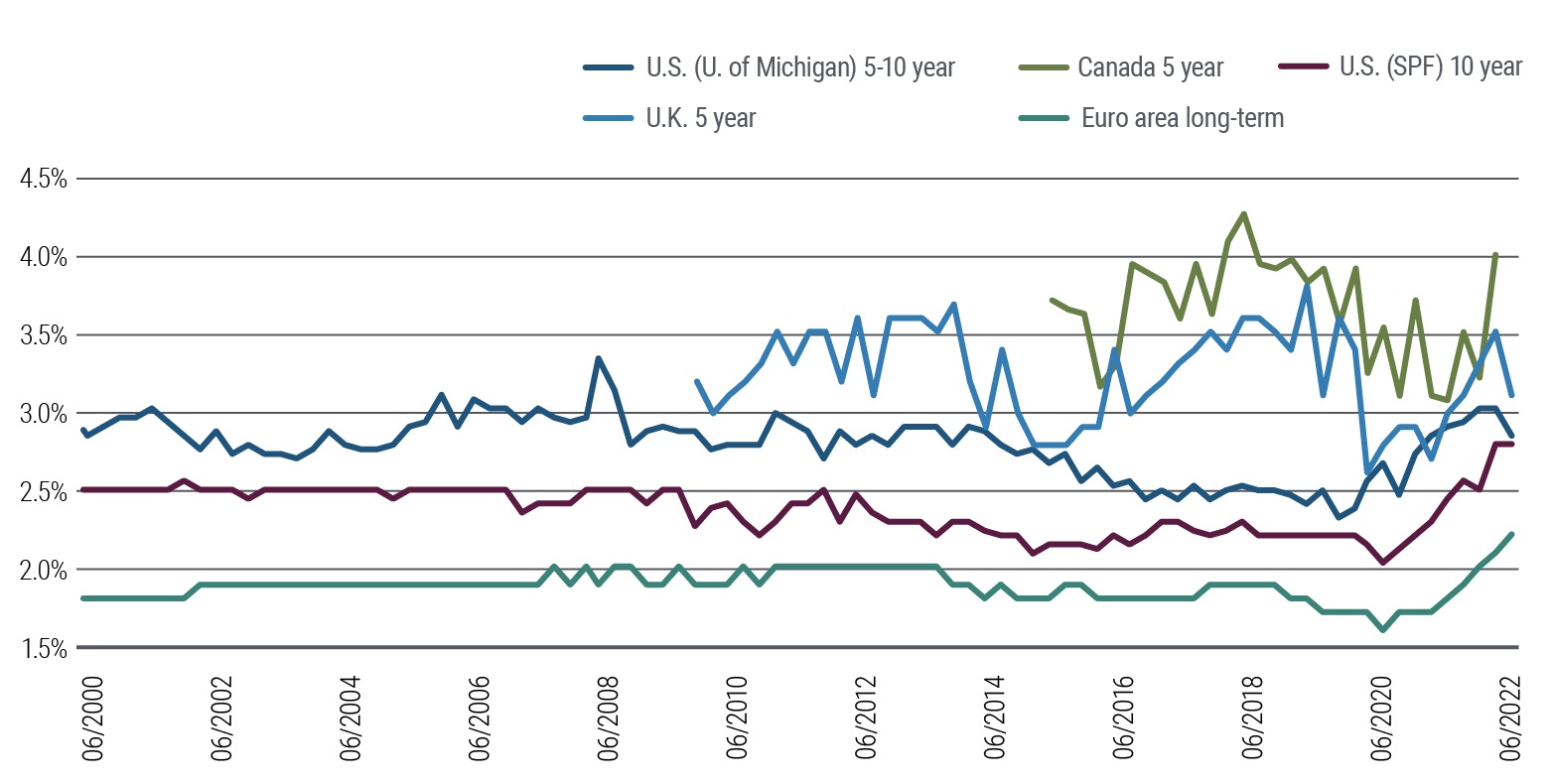
Over the last few months, the Federal Reserve (Fed) has changed its angle of attack quite dramatically, in an attempt to battle surprisingly and stubbornly high inflation.
“Gold is no longer a safe haven.” “Gold isn’t an effective hedge against inflation.” “Gold is dead.”
First they came for factory jobs. Then they showed up in service industries. Now, machines are making inroads into the kind of white-collar office work once thought to be the exclusive preserve of humans.
It’s been a tough year for investors, particularly in growth stocks.
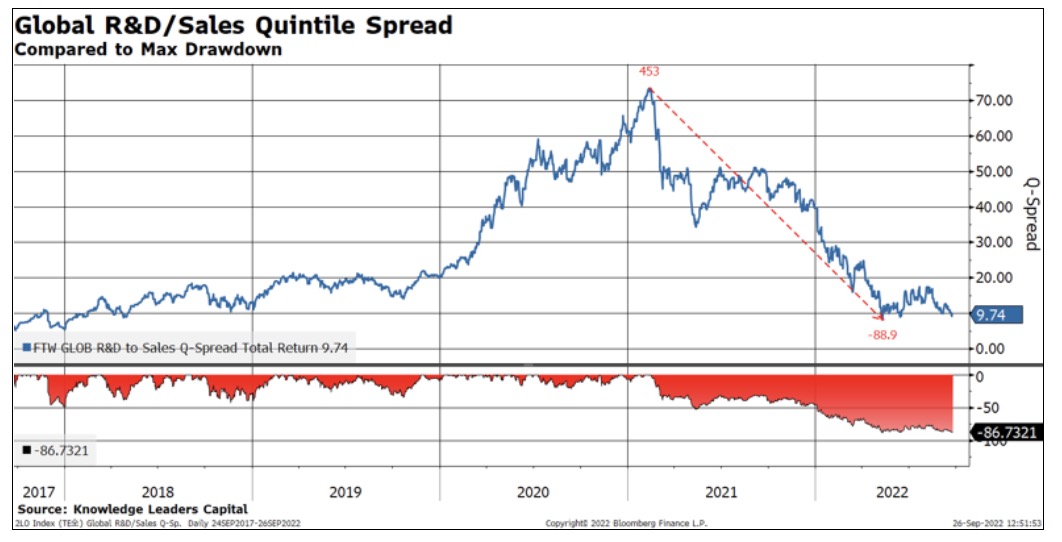
It appears to us that global innovation has bottomed and offers attractive value.
In a year of volatile markets, the humble I bond has emerged as an unlikely star. Now, there’s a new way to buy them.
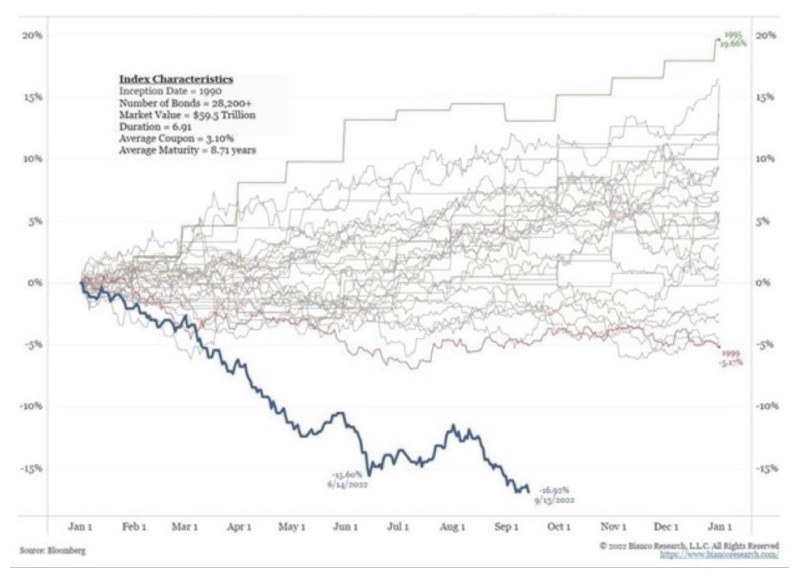
This week’s bond meltdown has sent the mean 10-year borrowing cost for Group of Seven countries to its highest in more than a decade, with the average yield surging above 3%. What happens next could set the tone for financial markets and the global economy for years to come.
Bill Bengen’s 4% safe withdrawal rule is the standard by which retirement strategies are measured. But it fails as a practical guide to retirement planning. Here is how to fix it.
In the midst of back-to-school season, David Mann opines on the real-life applications of mysterious middle-school math and exchange-traded funds.
In the 1980s there was a famous TV ad for Wendy’s with the tagline “Where’s the beef?”.
As the U.S. CPI data continues to rise, Charles Hamieh, Portfolio Manager at ClearBridge Investments, dives into the opportunity present for investors looking at the infrastructure space as an inflation hedge moving forward.
As banks get burned from financing billion-dollar buyouts and pension funds grow impatient with private equity’s endless thirst for capital, skepticism is growing louder over the industry’s performance — and whether some of their daredevil deals could result in disastrous losses for their financiers.
Amazon.com Inc.’s annual device event Wednesday showed the e-commerce giant pushing further into wellness, security and the auto industry, underscoring an effort to weave its technology into every part of consumers’ lives.
Apple Inc. is pulling back from plans to increase production of its new iPhones this year. Instead, it will produce about as many as the prior year, in line with its original forecast.
Our leadership is forcing changes on us at a rapid pace that don’t make sense.
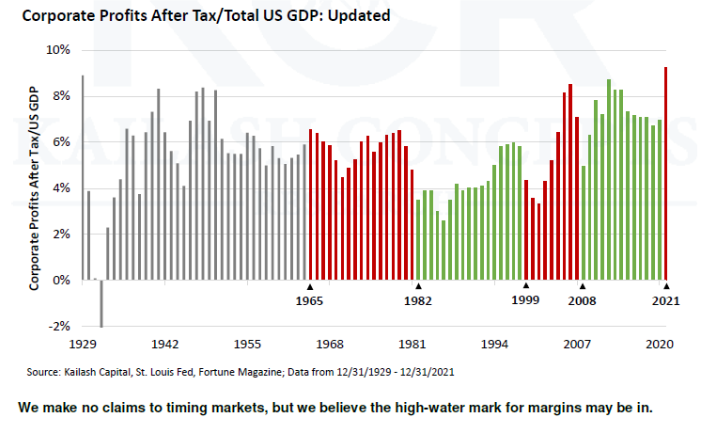
In the long run, stock prices and returns are anchored by the cash flows that companies provide investors. If profits grow slower than expected, stock return projections must be recalibrated.
Cathie Wood’s ARK Investment Management has launched a new fund that will give almost any investor easy access to harder-to-trade assets -- though with a limit to how quickly they can cash out.
While everybody's been sweating over the housing and labor markets, the office market has been streaking toward a hard landing.
If a long, ugly recession is in fact going to happen later this year, many investors will want to shift some additional money into cash. There’s good news: In July, yields on many cash-like investments, which means they're virtually risk-free and liquid, started soaring.
In times like these, when nothing seems to work in financial markets, risk parity strategies should act as a sort of shock absorber. It’s a simple concept, really. Unless you have reason to believe one investment is better than another, you should take equal risk in each.
Monday brought a stark warning for Wall Street daredevils: Stocks are still in free fall and bearish sentiment is far from getting exhausted -- especially with hawkish central bankers rattling recession-obsessed markets like this.
Central banks haven't finished tightening and the U.S. Treasury yield curve remains inverted.
Bleeding into this week, the British pound reached its lowest level ever Monday, relative to the U.S. dollar.
The municipal bond market has not been immune to bouts of volatility hitting the markets this year, but there are still pockets of opportunity, according to Franklin Templeton Fixed Income’s Director of Municipal Bonds, Ben Barber.
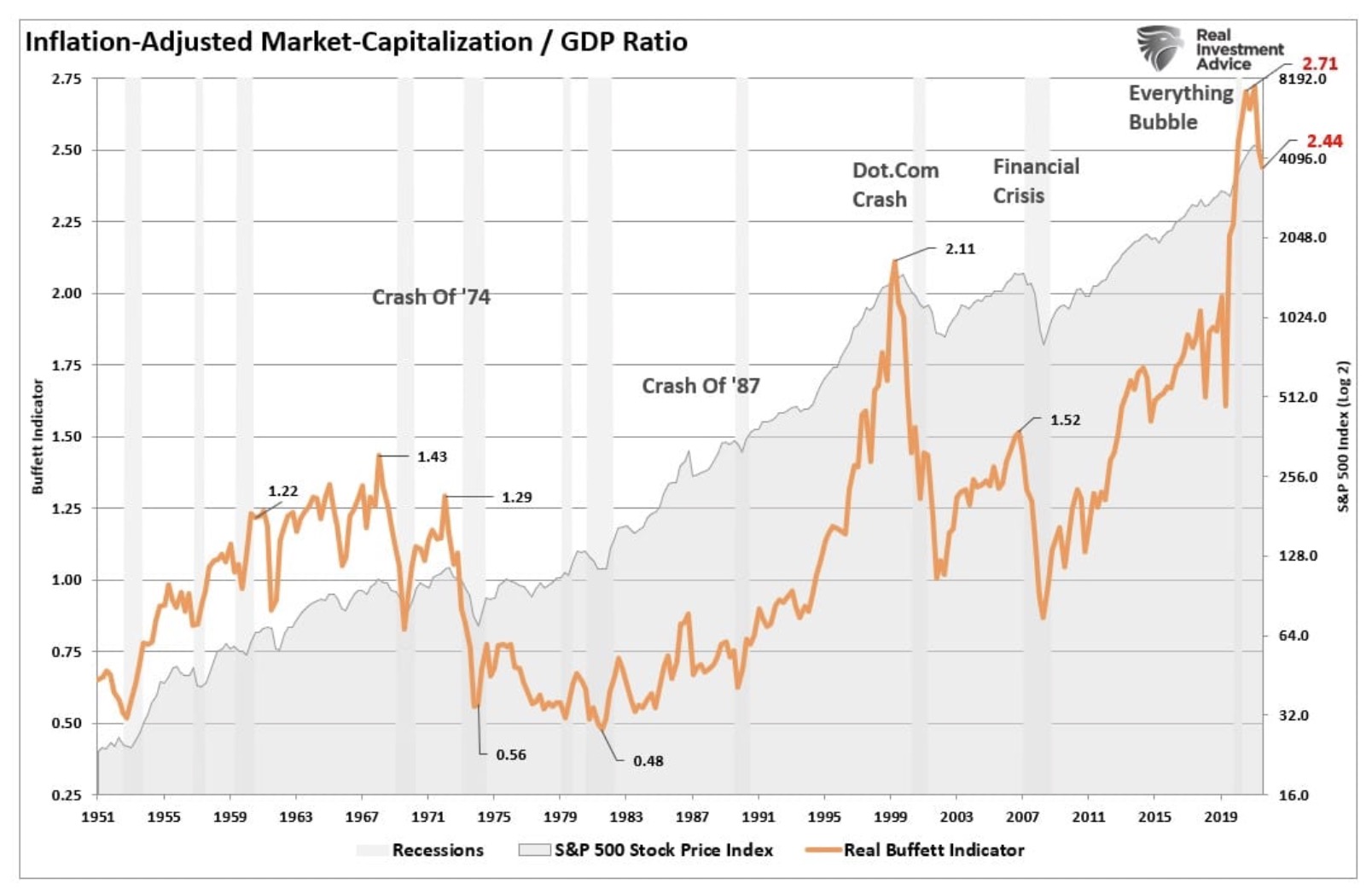
Stocks are far from cheap. Based on Buffett’s preferred valuation model and historical data, return expectations for the next ten years are as likely to be negative as they were for the ten years following the late ’90s.