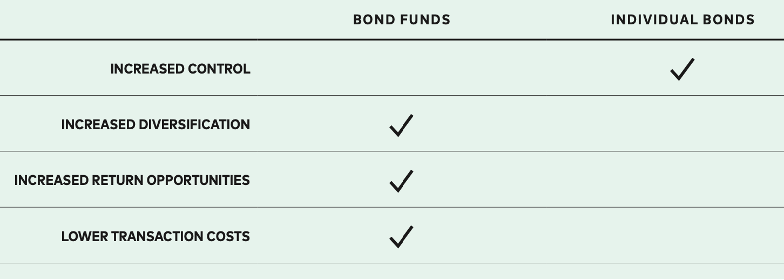
Should investors build their own portfolios of bonds, or buy shares of bond funds? Is there an economic difference or just one of appearance? Are directly held bonds safer because they mature, and you get your money back? How should one decide?
Annie Duke, once one of the best female poker players in the world, helped me understand why people work longer than they need to. This got me thinking about the decumulation problem more broadly and planning to live to age 100.
Of all the questions that ChatGPT has raised about the future of artificial intelligence, one still reverberates through Silicon Valley: Why couldn’t the industry’s largest technology firms breed an innovative service with a similar kind of impact, especially after amassing some of the world’s largest AI teams?
The pitch for an actively managed bond exchange-traded fund can be compelling, especially when there’s market turmoil and uncertainty
The fallout from SVB will make the Fed's job more difficult.
It’s rarely mentioned, but it’s stunning how often the financial planning profession has foreshadowed the evolution of our social environment.
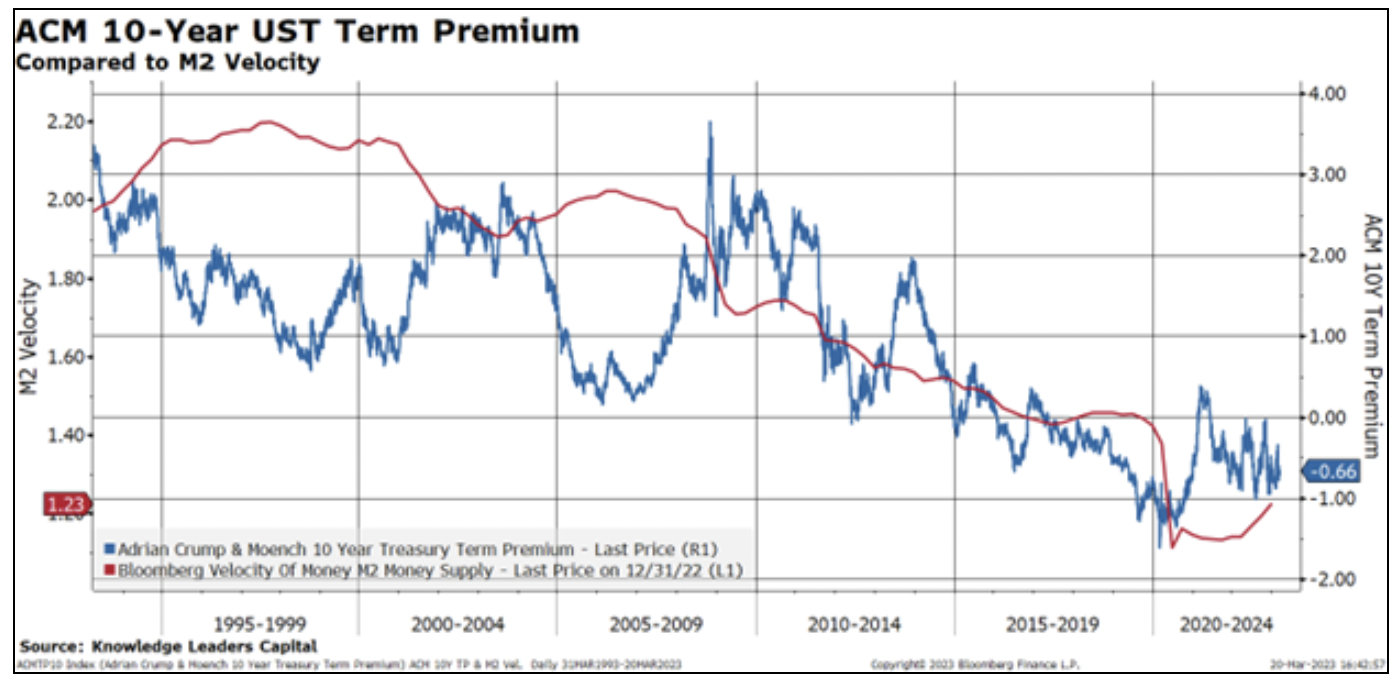
“QE” or “Quantitative Easing” has been the bull’s “siren song” of the last decade, but will “Not QE” be the same?
Recently I saw someone share a clip from their weather app. It said, “Rain expected at 3 pm,” right above a little graphic showing a 30% chance of rain at 3 pm. What’s wrong with that picture?
The U.S. dollar remains the world’s top reserve currency for now, though its share of global central banks’ official holdings has slipped in the past 20 years. By contrast, the yuan’s share of official holdings has more than doubled since 2016.
China’s economy is in the early stages of a gradual, consumer-led recovery. In this issue of Sinology, Andy Rothman outlines why China’s opportunities outweigh risks.
Following recent efforts by central banks and regulators to alleviate the banking crisis, Franklin Templeton Institute’s Stephen Dover and Lukasz Kalwak discuss their thoughts on the implications and outlook for the banking industries in the United States and Europe.
In this interview, noted economist Woody Brock discusses what exactly causes gridlock, and how can its grip be broken.
Yesterday, the Fed raised its benchmark interest rate 25 basis points to a 4.75%–5.0% range and signaled that one more hike is likely this cycle.
To help understand the current market volatility arising from the collapse of banks in the United States and Europe, Head of Franklin Templeton Institute Stephen Dover provides his answers to three crucial questions.
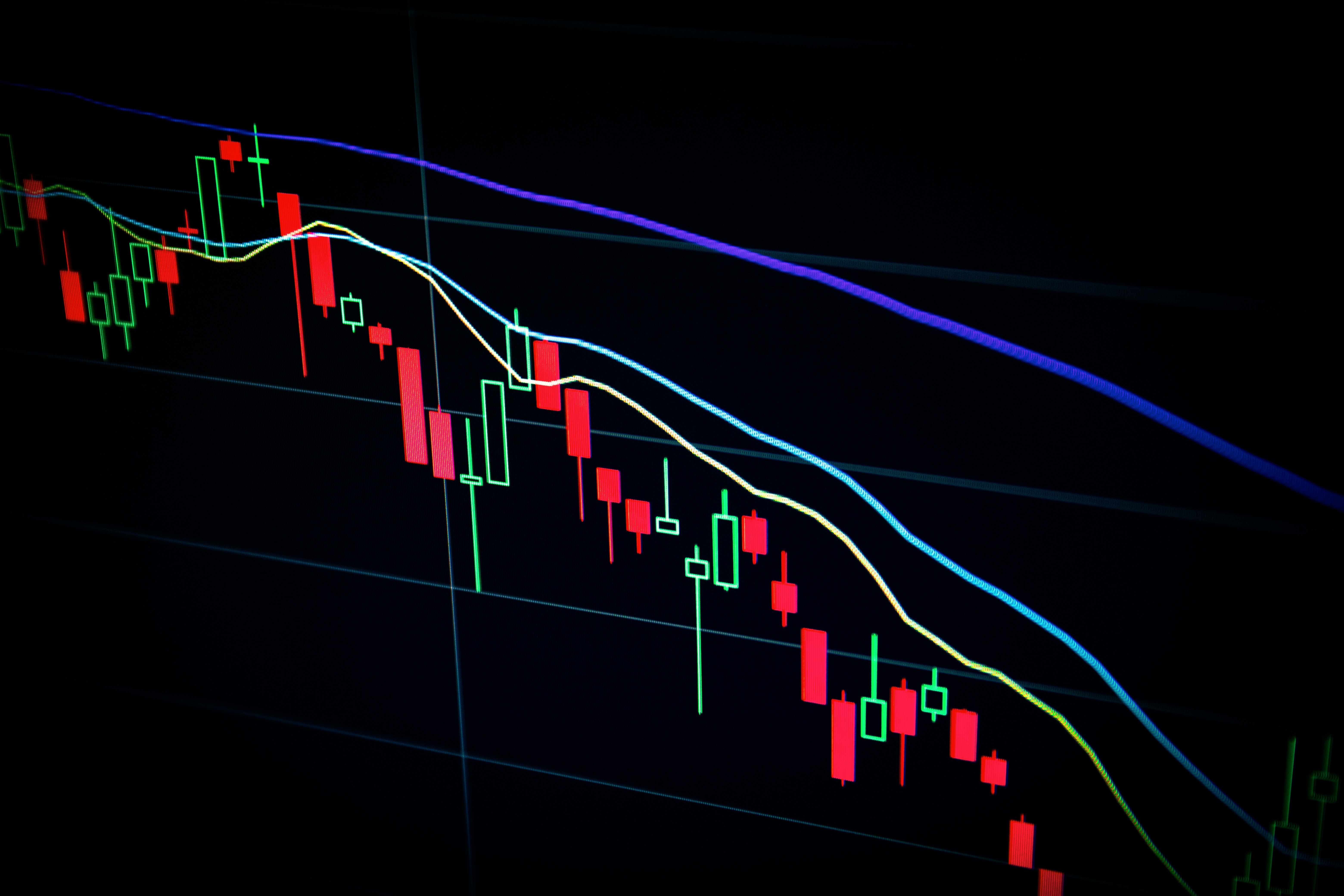
Stocks fell and volatility rose this morning as banking sector worries persist.
Yesterday, the Fed completed its regular meeting and announced that it would increase interest rates by 25 bps, or a quarter percentage point.
Read our latest insight where Dan Suzuki explains what investors need to know about the Silicon Valley Bank collapse.
The Federal Reserve raised interest rates by a quarter percentage point and signaled it’s not finished hiking, despite the risk of exacerbating a bank crisis that’s roiled global markets.
Income-seeking investors are accustomed to casting wide nets after years of low yields.
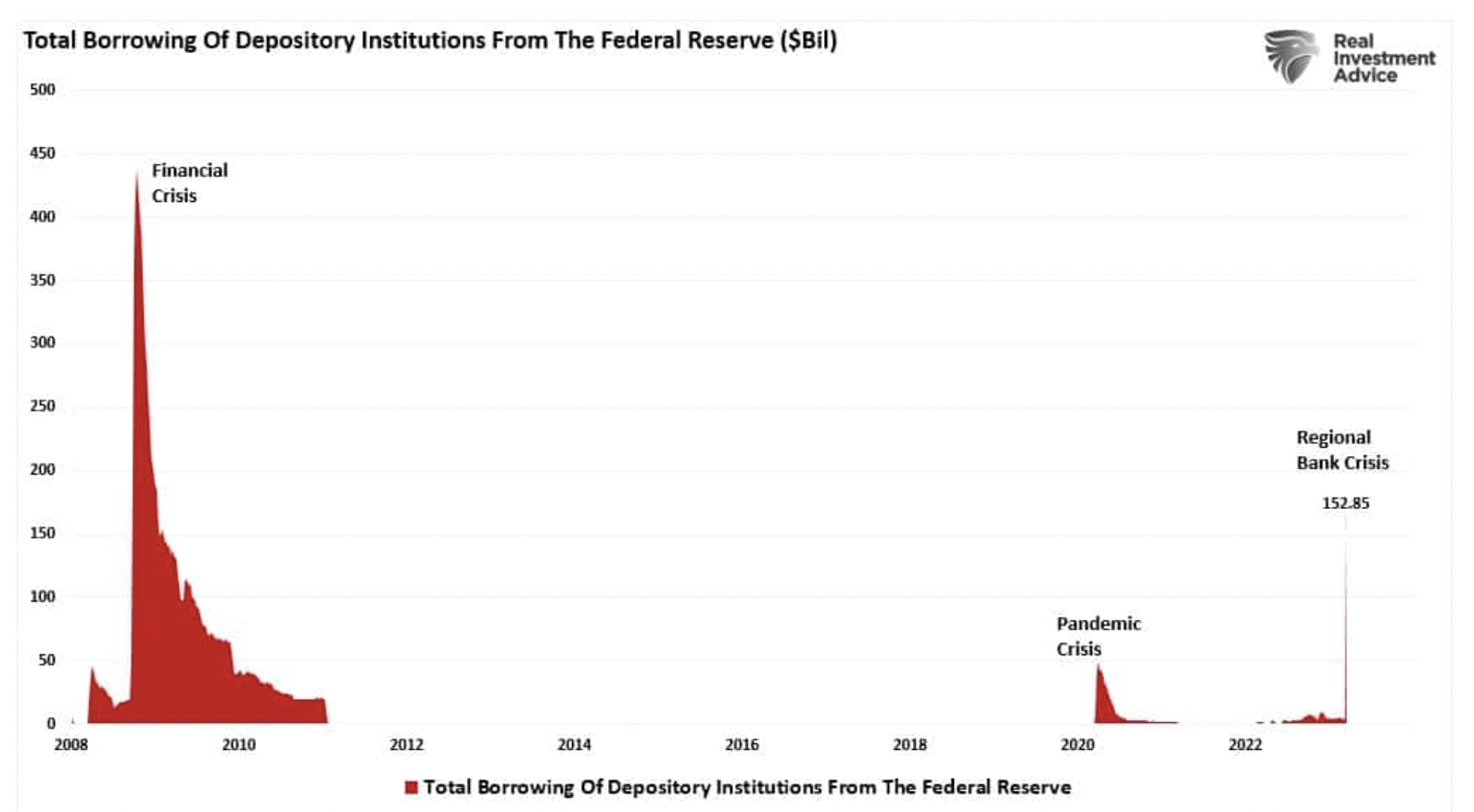
To shore up Silicon Valley Bank and the other failed banks, the Federal Reserve extended an open-ended line of credit via its Bank Term Funding Program (BTFP) and discount window borrowings.
There are five reasons why prospects decide to choose someone else.
Do advisors need to accept that technology will forever be a drag, or can the right approach lead to personal happiness and a more productive practice?
All eyes in the financial and economic world will be laser-focused Wednesday on the Federal Reserve as Chair Jerome Powell tries to balance his fight against inflation against a sudden banking crisis.
Easing financial conditions globally have made Morgan Stanley “outright bullish” on growth stocks in Asia and emerging markets versus their value peers.
A Singapore-based fintech investment firm is close to raising $100 million to back finance and blockchain startups in China and Southeast Asia.
A question has arisen amid all the bank failures. How, with the bond market enduring its worst spasm of volatility in almost four decades, have benchmark-level stocks managed to glide along, oases of calm?
Banking turmoil continues to rattle the global markets and investor confidence.
CIO Larry Adam outlines the positive events that are outweighing negative developments and looks at dynamics to focus on in the week ahead.
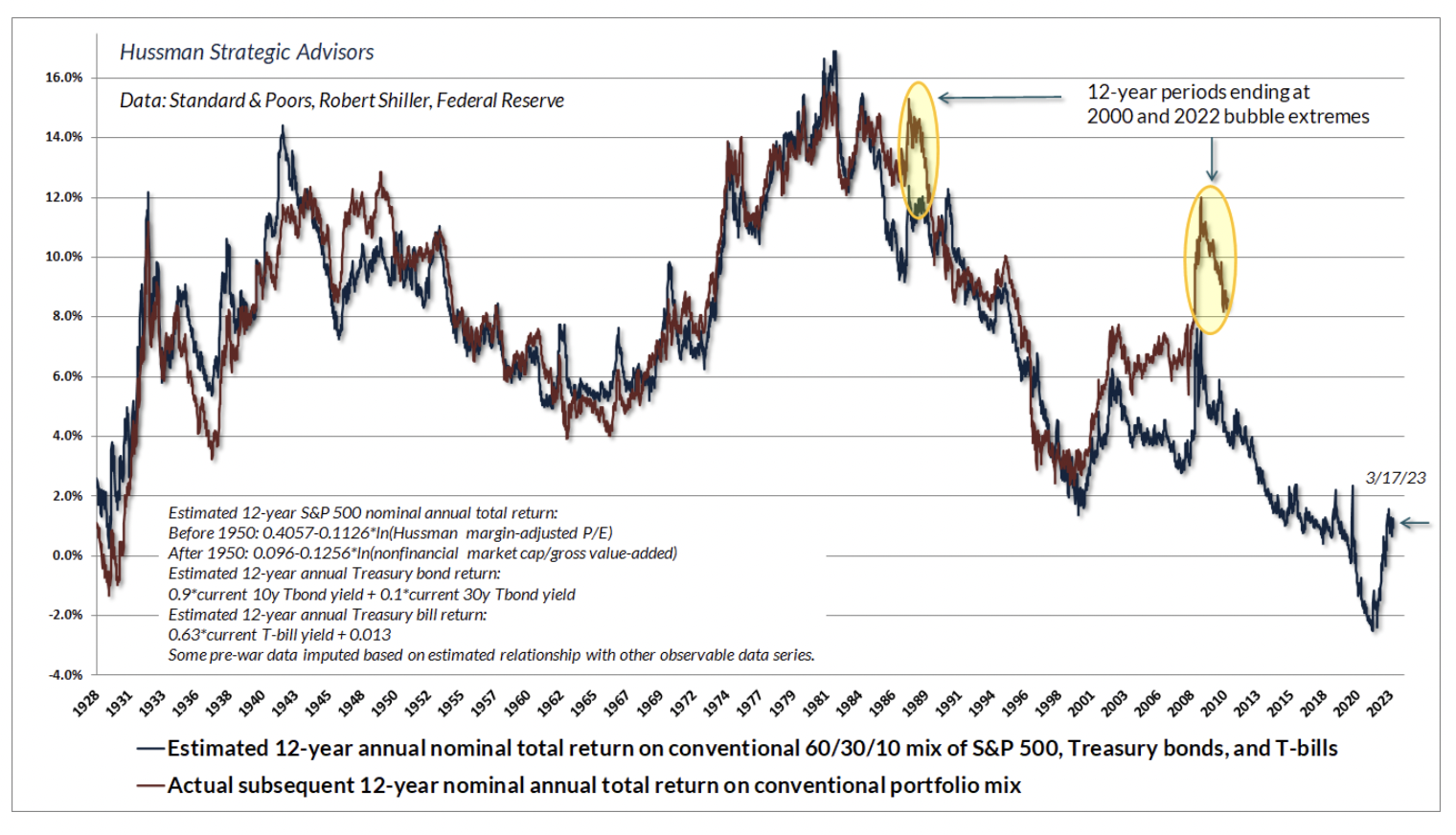
The simplest thing that can be said about current financial market and banking conditions is this: the unwinding of this Fed-induced, yield-seeking speculative bubble is proceeding as one would expect, and it’s not over by a longshot.
VettaFi’s Todd Rosenbluth highlights the three biggest ETF research trends on their platform. Tuttle Capital’s Matt Tuttle goes in-depth on the Long Cramer Tracker ETF (LJIM) and the Inverse Cramer Tracker ETF (SJIM). Bitwise’s Matt Hougan explains the recently launched Bitwise Bitcoin Strategy Optimum Roll ETF (BITC) and offers perspective on bitcoin in a portfolio.
Steve Chiavarone doesn’t want to scare anyone, but what he remembers most from the last banking crisis was how sure most people were that it wouldn’t happen.
Markets have been trading as if the end of the world is at hand – but what most participants see, behind the recent financial turmoil and contagion fears, is a still-strong US economy, the MLIV Pulse survey shows.
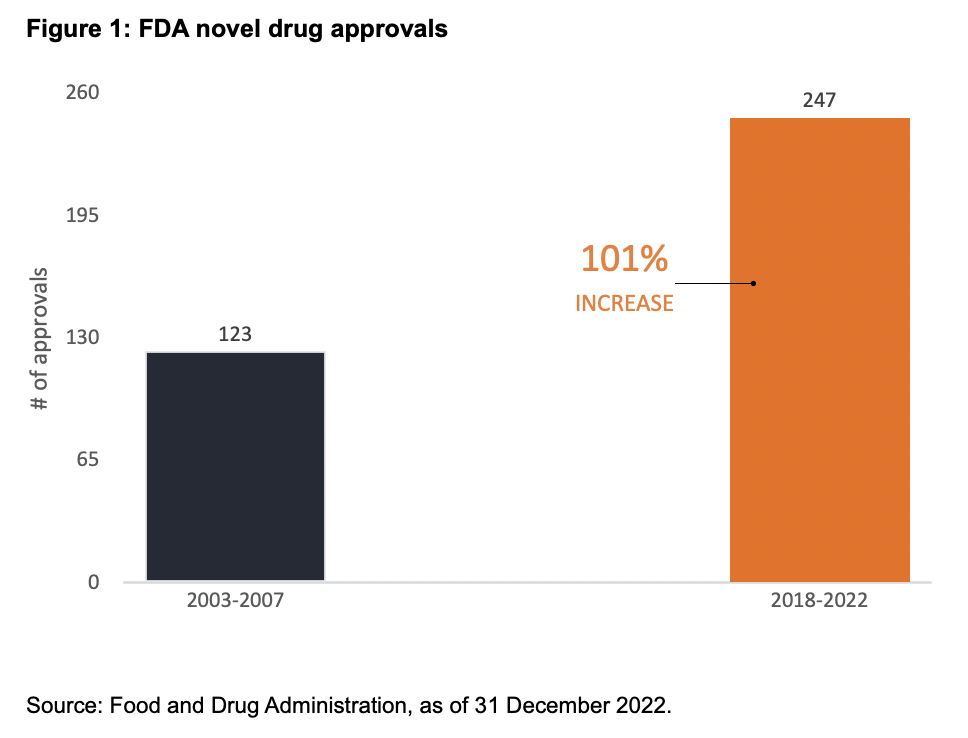
Portfolio Manager Andy Acker explains why the healthcare sector could offer an attractive combination of defense and growth in today’s market.
UBS Group AG agreed to buy Credit Suisse Group AG in a historic, government-brokered deal aimed at containing a crisis of confidence that had started to spread across global financial markets.
Robust risk management is essential for fixed income investors. In his latest commentary, Marcus Moore explains why our sustainable investing team considers ESG factors as material business risks, similar to the traditional risks they also analyze.
The strongest force standing in the way of nuclear energy is the antiquated, irrational fear of it.
New research confirms the valuable role that short sellers play in correcting the valuations of overpriced stocks.
A TIPS is risky in the short term and riskless in the long run, which is precisely the opposite of, and complementary to, a T-bill, which is riskless in the short term but, because of reinvestment rate volatility, risky in the long run.
Sixty-six million Americans currently receive monthly benefits from Social Security, which, if nothing changes, is expected to be insolvent by 2035 at the latest. It’s time for Americans to take a greater role in their own retirement planning.
The full story of SVB is still unfolding, but we offer some initial reactions.
My “five-step investment process” provides an ongoing systematic framework for making portfolio decisions, and further incorporating financial planning and tax considerations into overall portfolio construction.
Just over a year before Silicon Valley Bank’s collapse threatened a generation of technology startups and their backers, the Federal Reserve Bank of San Francisco appointed a more senior team of examiners to assess the firm. They started calling out problem after problem.
Jamie Dimon and Janet Yellen were on a call Tuesday, when she floated an idea: What if the nation’s largest lenders deposited billions of dollars into First Republic Bank, the latest firm getting nudged toward the brink by a depositor panic
In a dovish move, the central bank raises rates by half a point.
Implications of SVB and Credit Suisse on the European banking sector—check out highlights from our recent panel discussion with Kim Catechis, Investment Strategist with the Franklin Templeton Institute.
Is upheaval in the banking sector the prelude to a financial crisis, or just the biggest bump yet on the road to restoring order to the economy? Stock investors clinging to hopes this too shall pass are having their tolerance for pain severely tested.
Financial market volatility has followed the collapse of Silicon Valley Bank. Stephen Dover, Head of Franklin Templeton Institute, shares his thoughts on possible implications outside the United States.
The banking earthquake is sending shockwaves through the financial markets. The financial and economic aftershocks, soon to follow, are underappreciated and will prove worse than the earthquake.
The failure of Silicon Valley Bank raises questions for Fed policy and economic growth.
Government debt yields plunged globally as mounting financial-stability concerns prompted bond traders to abandon bets on additional central-bank rate hikes and begin pricing in cuts by the Federal Reserve.