In 2017, Netflix Inc. tweeted that “love is sharing a password.” In 2023, Wall Street loves that the company has changed its tune.
CIO Larry Adam shares why his team's market and economic views are tracking more optimistic in light of current volatility.
Global equities were volatile in the first quarter, as turmoil in the banking sector jolted markets.
Walmart Inc. is betting on greater supply-chain automation and hinting that a recent investment binge might lift profit beyond the retailer’s stated long-term goals.
DoubleLine Capital LP’s next pair of exchange-traded funds are setting sail into a rocky real estate market.
Transitioning to the independent RIA business model is the most consequential decision advisors will make in their career. A successful outcome requires choosing the right partner. That means identifying a good cultural fit, the right technology, and an open-architecture platform that affords access to the investment products that best meet a client’s needs.
The Franklin Templeton Investment Solutions team examines the earnings outlook for 2023, and why it might make sense to be defensively positioned.
How do you serve up a culture that supports growth? I have three recommendations.
The news of the shocking OPEC+ announcement of a supply cut is saturating the minds of investors and market prognosticators.
Asian equities are likely to extend their gains as the year progresses, boosted by the region’s relatively better growth prospects and a broadening economic recovery in China.
Add this to the long list of market surprises in the first quarter of 2023: The worst-performing exchange-traded funds still managed to attract massive amounts of cash.
Jarred by daily double-digit moves in Treasury yields, bond investors are bracing for at least another year of rocky trading, abandoning hopes that in 2023 the market would return to normality.
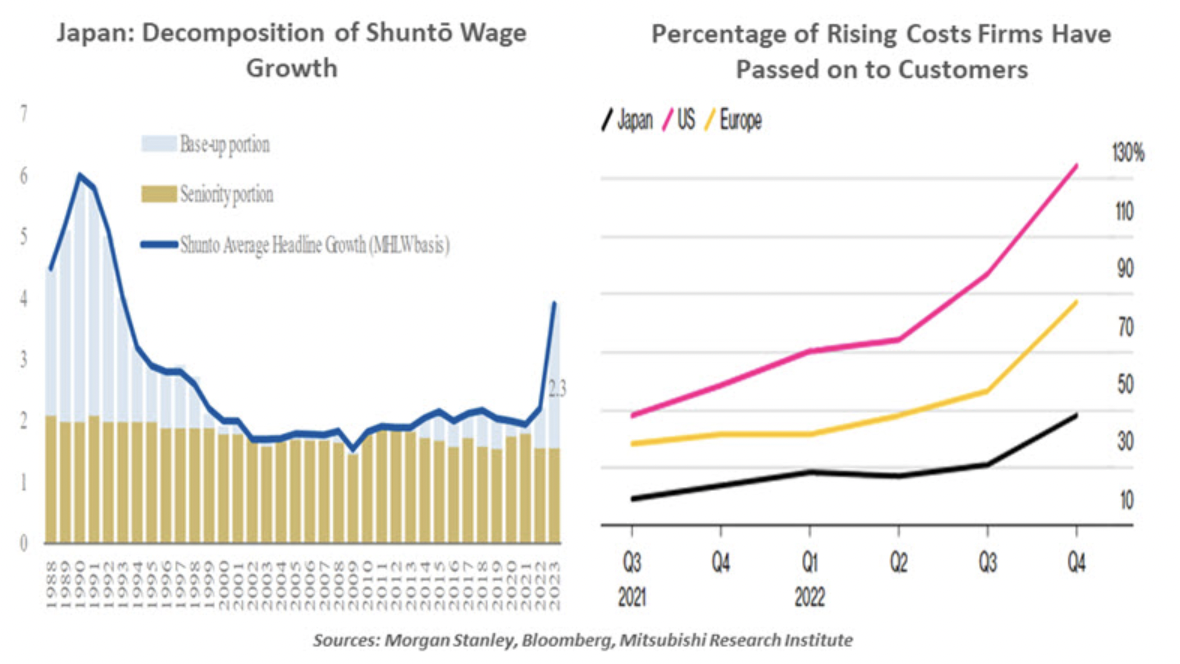
The risk of Japanese inflation getting out of control is not high.
As banks back away from credit creation, we think certain assets could reassert their leadership. In our Quarterly Strategy Report, we analyze the Credit Crunch.
A tricky situation is unfolding, making it rather difficult for the Federal Reserve Bank to honour earlier promises to gradually ease off in its ongoing fight against inflation.
VettaFi’s Lara Crigger highlights new ETF launches during the first quarter of 2023. Unlimited’s Bob Elliott talks hedge fund industry disruption and the Unlimited HFND Multi-Strategy Return Tracker ETF (HFND). KraneShares’ Luke Oliver explains the investment opportunity in carbon compliance and carbon offset markets.
Tax issues are an area most of us focus on once a year. However, if you are heading into retirement and you do not have a solid tax plan in place, you could be paying thousands of dollars in taxes needlessly.
For many of those – now a clear majority – who believe climate change is a serious long-term threat, the recently announced breakthrough that nuclear fusion has at last produced net energy is an extremely hopeful sign. First, however, they need to read this article.
This essay focuses discusses a February visit by Secretary of State Blinken to Astana, and the EU-Central Asian Economic Forum in May.
If I did not have bad luck, I would have no luck at all.
Just as we were getting used to the idea of ChatGPT writing emails and conducting research, OpenAI has upgraded it with capabilities that make it even more of a threat to big tech companies such as Google.
The market has spoken: It’s expected that the Federal Reserve’s fight against inflation is just about over. Fed Chairman Jay Powell has hinted that rate increases are nearly at an end. But inflation was still at 6% last count, and Powell insists the Fed is still committed to reaching its 2% target.
It is challenging to deal with clients who are so clearly stuck in their financial pasts. Strong emotions don’t lead to calculated financial decisions, after all, which makes doing your job much harder.
Gold appears to be well-positioned for a strong pump that could carry it to new all-time high prices in 2023—and beyond. As you know, I’ve been following and writing about the precious metal market for a very long time, and I see a number of unique catalysts at the moment that could contribute to higher gold prices.
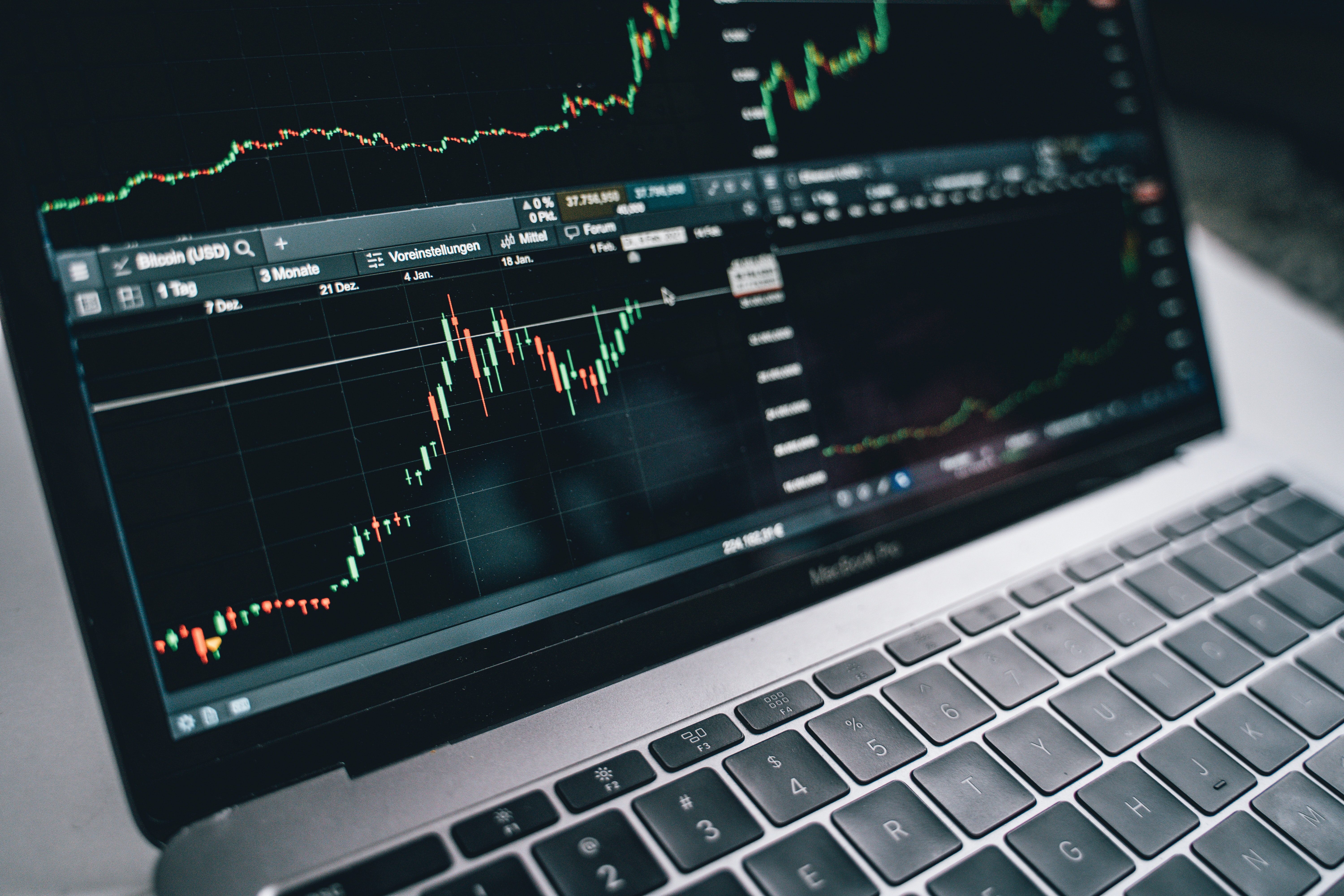
Bitcoin’s surprising fast exit from its “crypto winter” has once again put the notoriously volatile digital currency atop the leader-board in the first quarter for being the best-performing asset class by a wide margin.
Wall Street’s model-portfolio boom appears to have flashed its invisible power for the second time in this week after a once-sleepy Charles Schwab Corp. bond exchange-traded fund received another monster inflow.
When Microsoft Corp. launched its $1 billion Climate Innovation Fund three years ago, it was the lone tech giant pledging serious money to tackle rising temperatures. The dangers facing the planet have since become more acute, and the fund has about $400 million left.
Alibaba Group Holding Ltd. and JD.com Inc. have begun preparations for a trio of the year’s biggest Chinese debuts, heralding a wave of initial public offerings that promise to breathe new life into the struggling technology industry and Hong Kong’s stock market.
Stocks built on overnight gains and Treasury yields inched lower following today's relatively benign February PCE inflation data.
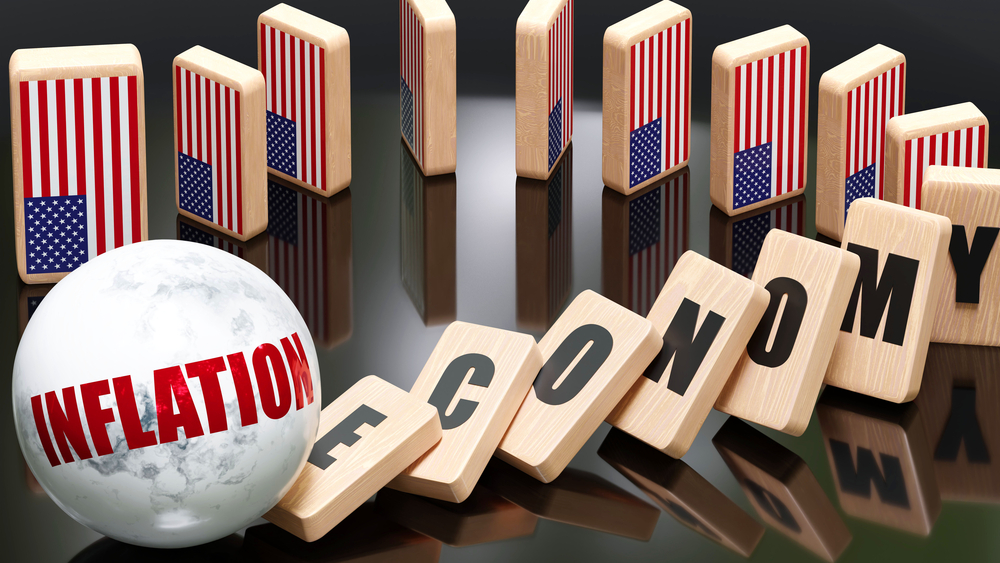
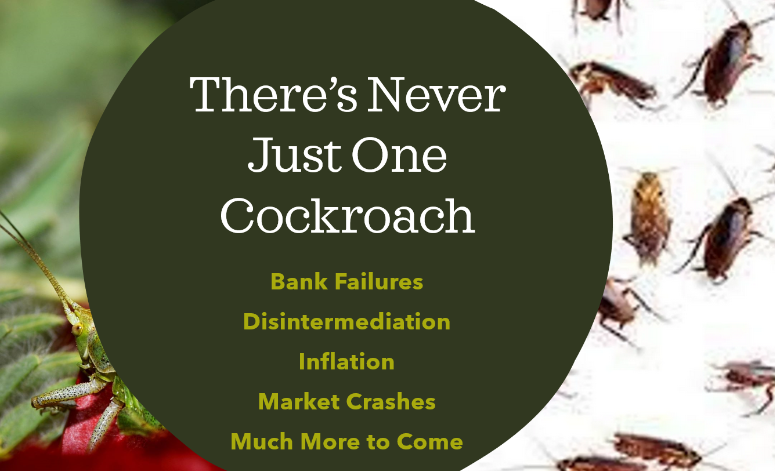
Early signs of economic unraveling are appearing. The federal corporation that insures bank deposits is woefully underfunded. The Fed is under pressure to pivot away from its inflation fight.
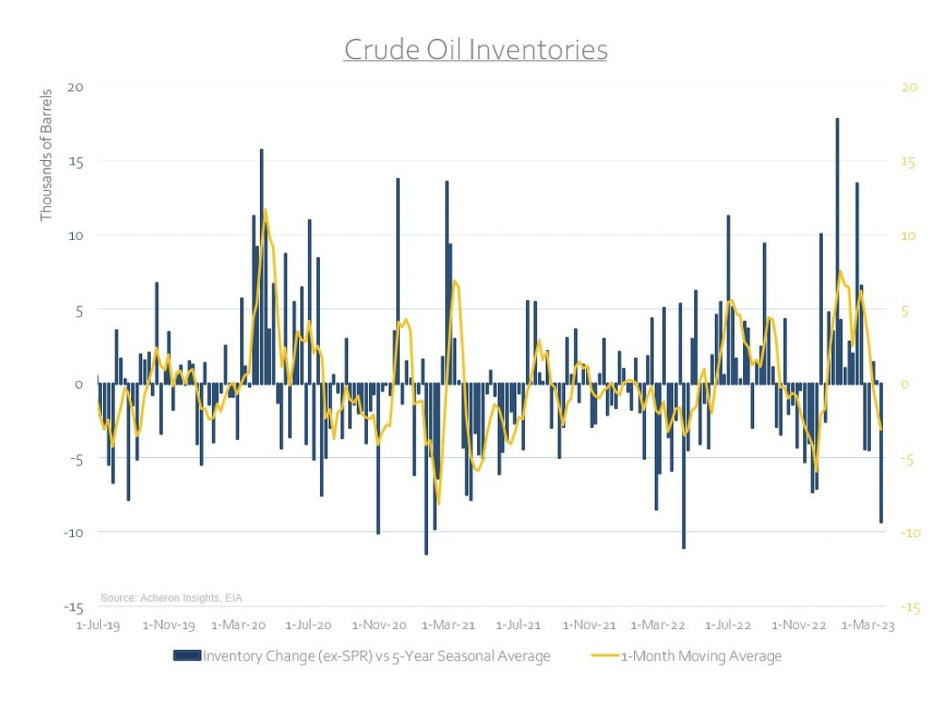
Up until recently, crude oil inventories saw continued build after build, suggesting the real time supply and demand dynamics in the market have been tilted toward the bearish side of the ledger.
It’s been—to put it mildly—an interesting time in the US Treasury market.
The investment landscape is pockmarked by intractable statistics that continue to impose strategic and psychological barriers to the short term potential of portfolio alpha.
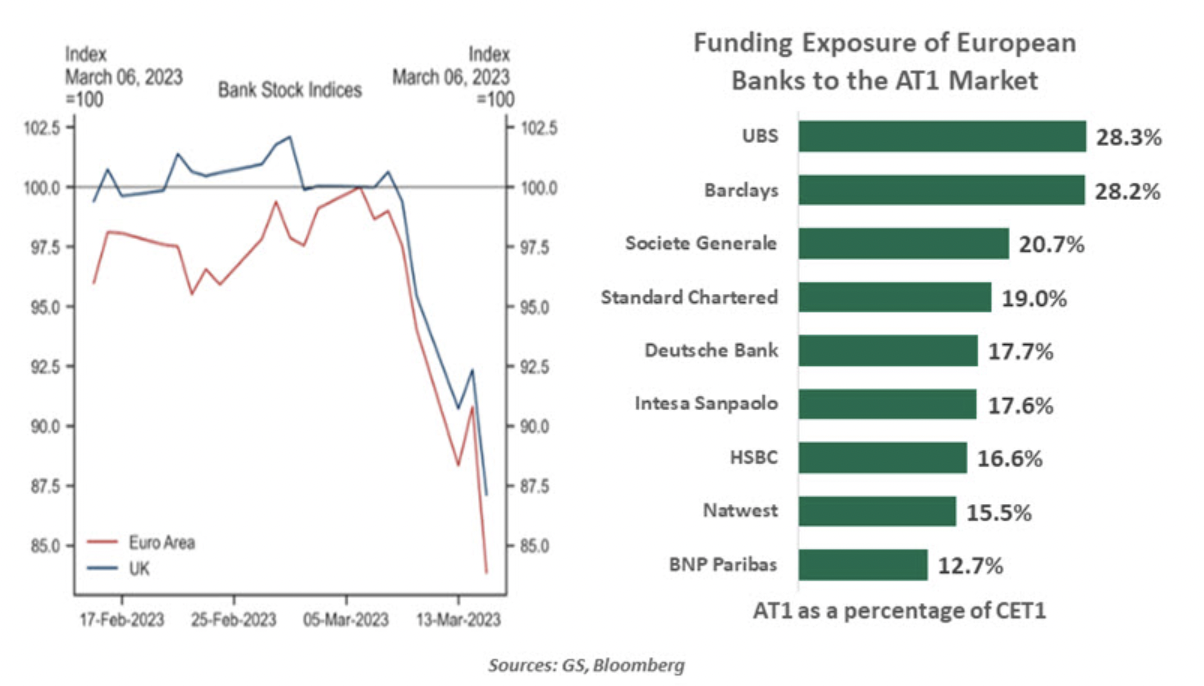
What are the implications of the ongoing volatility in the banking sector, and what does it mean for markets in Europe and globally?
“QE” or “Quantitative Easing” has been the bull’s “siren song” of the last decade, but will “Not QE” be the same?
Elon Musk and an array of public figures have signed their names to an open letter that went viral this week, calling for a six-month pause on training language models more powerful than GPT-4, the technology underpinning ChatGPT.
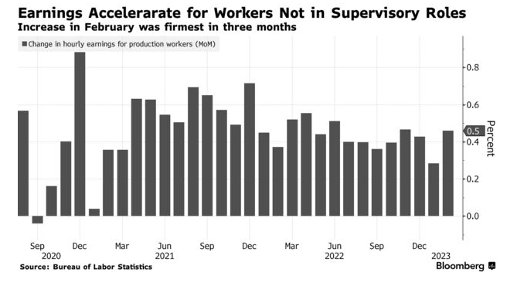
We’ve been watching slumps ripple through various parts of the economy over the past 18 months: technology startups and stocks, regional banks and growing concern about commercial real estate. Yet we’re still waiting for the wider labor market to feel the downturn.
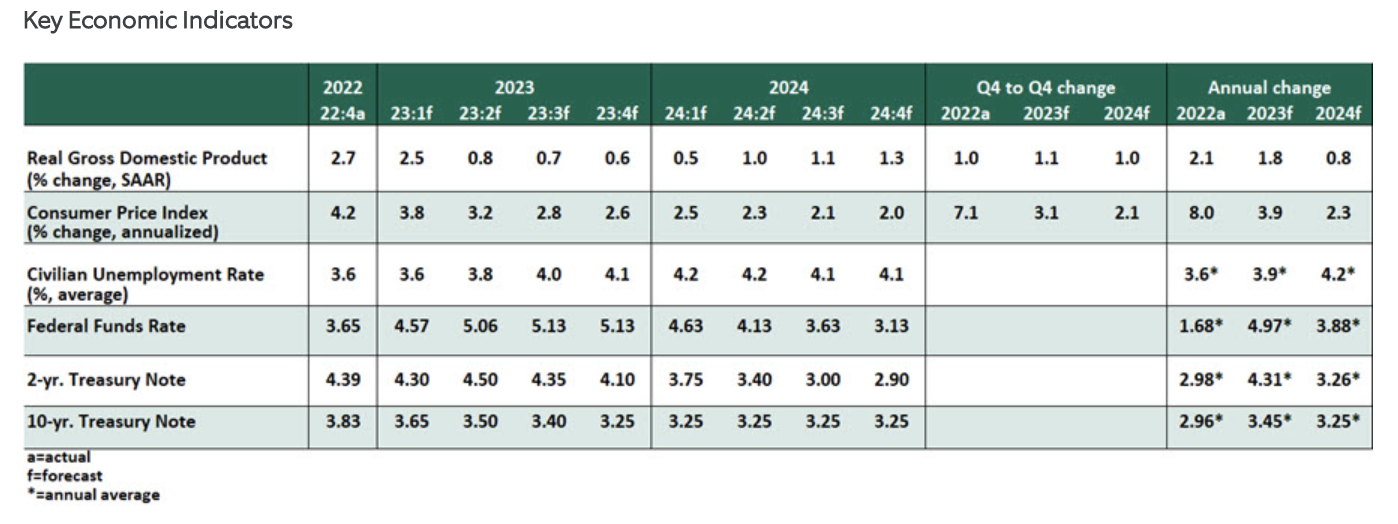
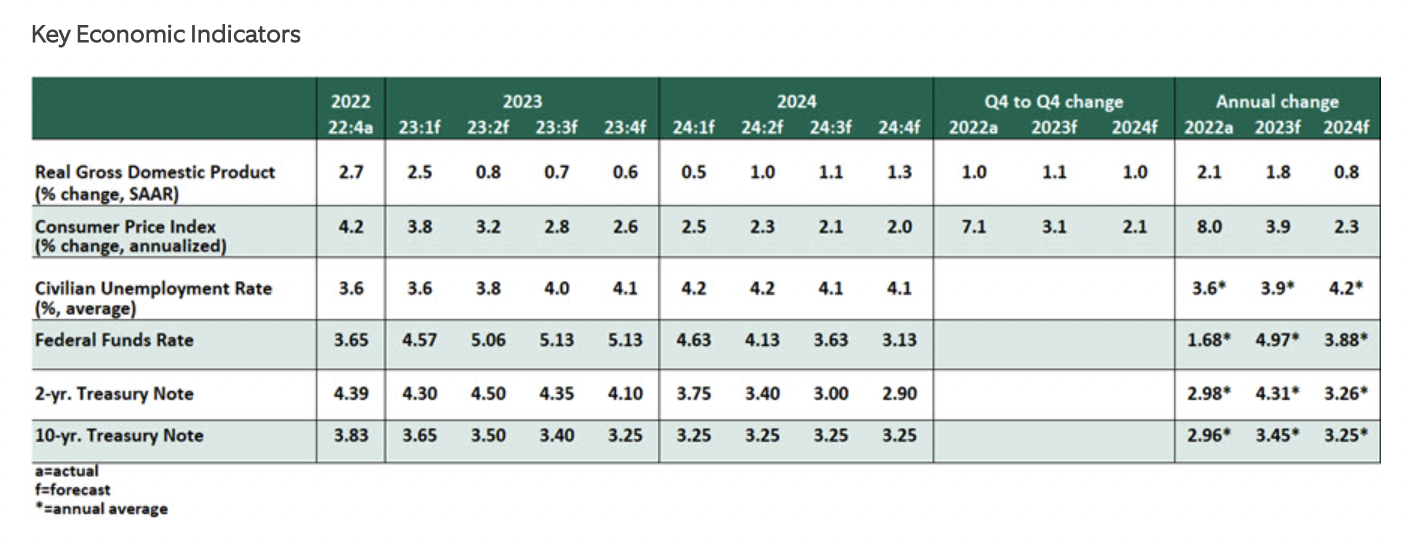
The Northern Trust Economics team shares its outlook for growth, inflation, employment, and interest rates.
As it turns out, culture has a lot to do with how we operate. But how difficult is it to measure? In this episode of The Active Share, Hugo sits down with Dr. Tom Reader, an associate professor of organizational psychology at the London School of Economics, to discuss the broad role culture plays in all kinds of organizations; why great cultures are the defining feature of good companies; and how engaging with diverse perspectives can help foster meaningful cultural growth and innovation.
Here is what sets rockstars apart from the average advisor.
From the perspective of the U.S. stock market, 2022 was a miserable year (with the S&P 500 declining 19.4%), but until recently, 2023 was shaping up to be a stronger year.
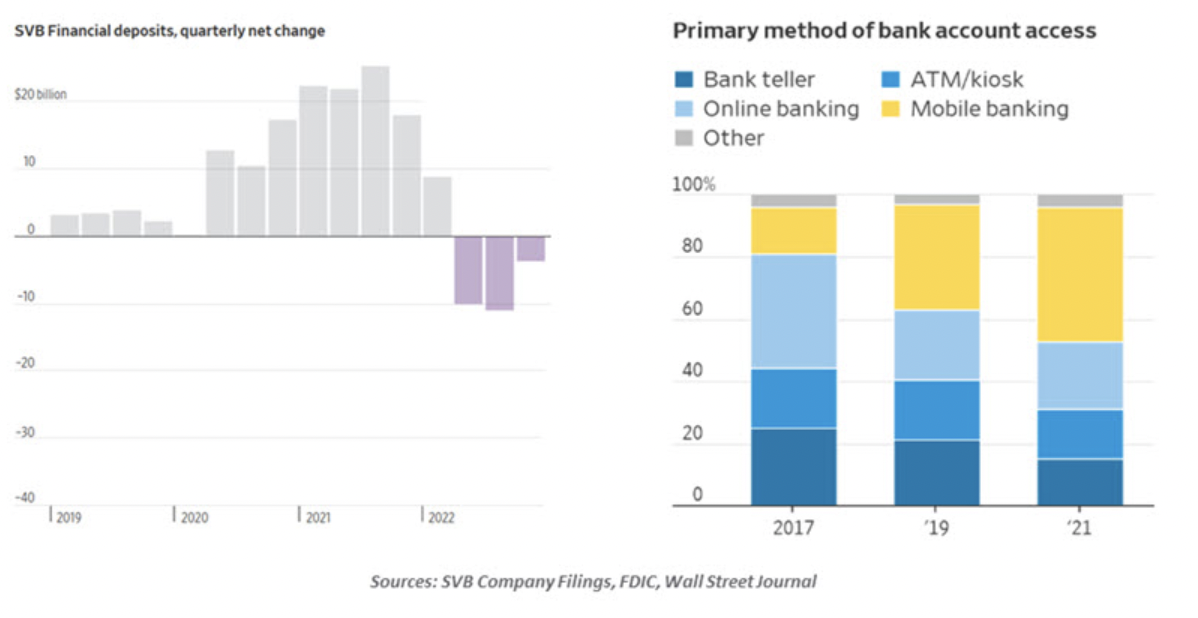
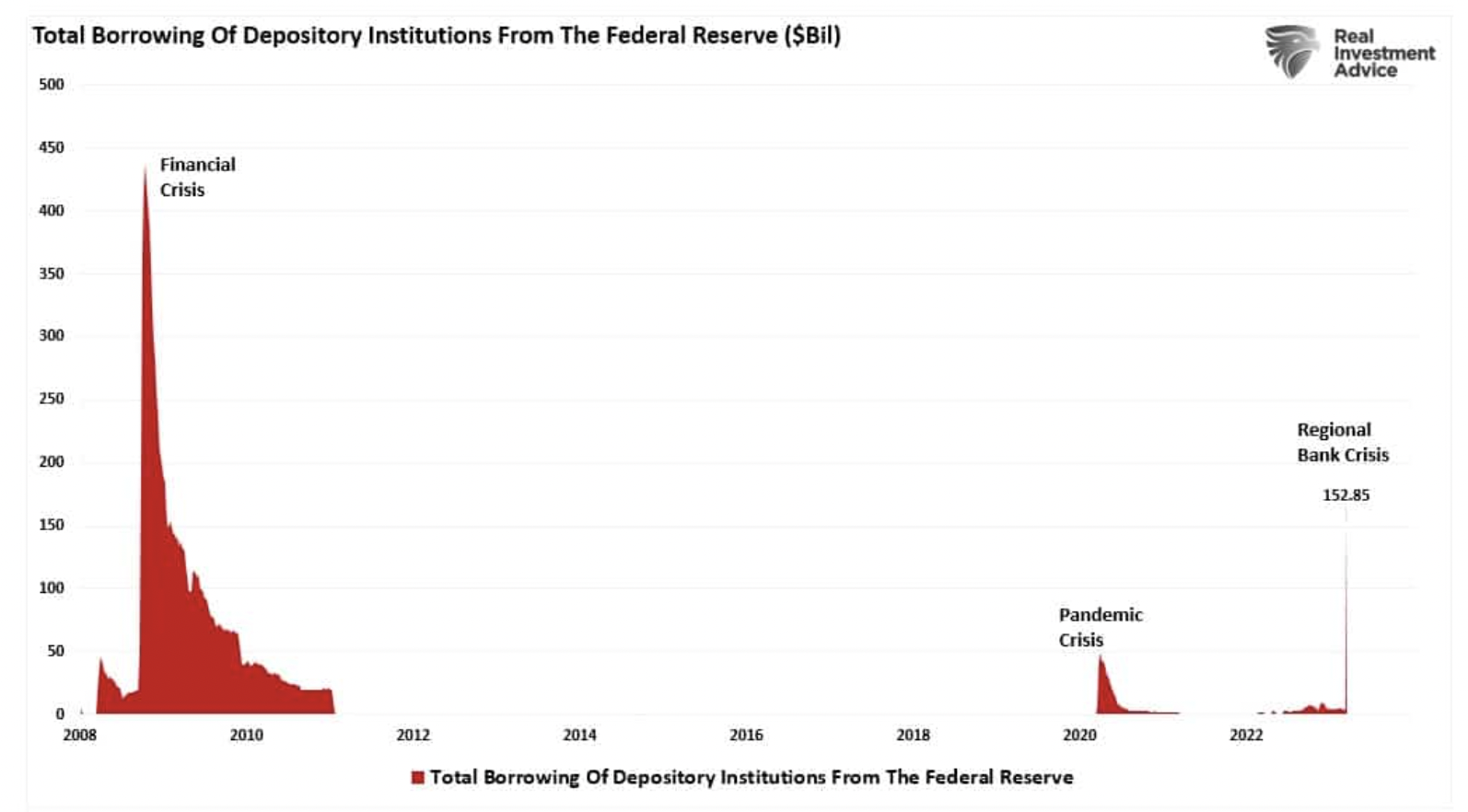
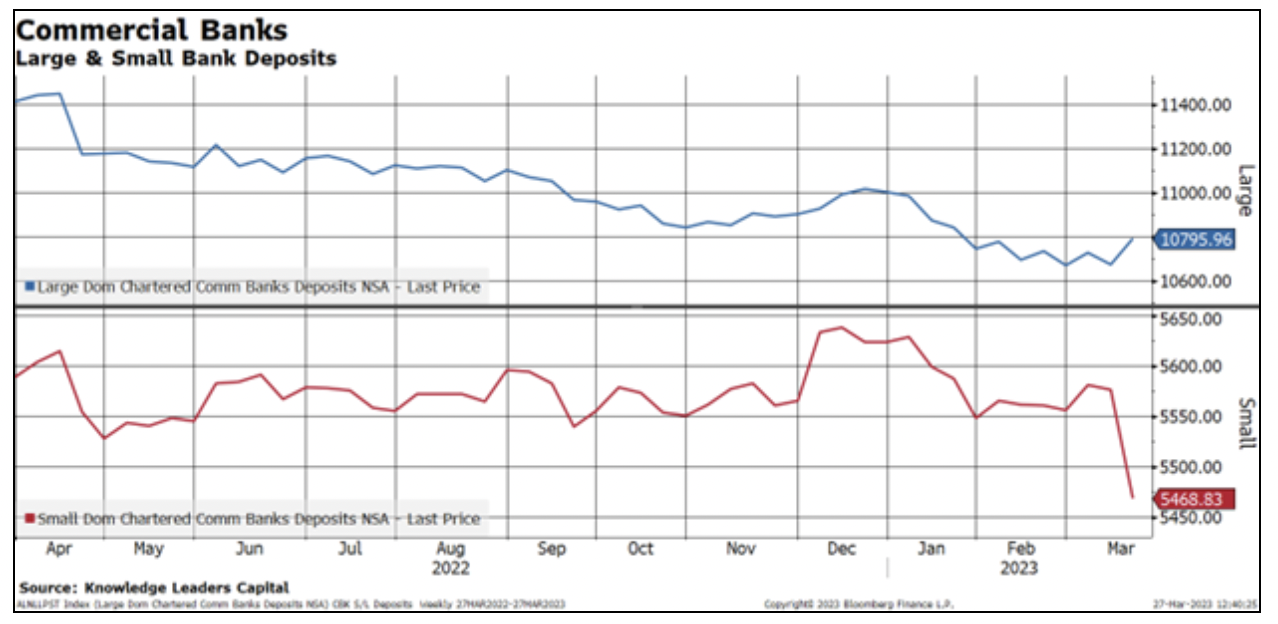
The failures of Silvergate Bank, Silicon Valley Bank, Signature Bank, and the current struggles of First Republic and Pacific Western Bank have seen bank deposits flee to the perceived safety of large banks.
In hindsight, it was obvious it wouldn’t last. Low interest rates — the result of shifts in the global economy, economic stability, low inflation and monetary policy — couldn’t stay at zero forever.
A year into its fight against inflation, the Federal Reserve could — just maybe — be done raising its policy rate. History shows that monetary policy pauses mark great buying opportunities for US stocks, but there are several key caveats to bear in mind this time.
Predicting spot exchanges is tricky, but there are still ways of adding value in currency markets, including through a disciplined approach we call currency factor investing.
The demise of a major bank illustrates the global tensions in the financial sector.
Ignore short-term market moves and volatility. The biggest investment returns are driven by a handful of outliers in the long run. Growth investing is for patient capital seeking long runways for companies that will ultimately generate outsized returns for investors. Baillie Gifford is uniquely positioned as a global asset manager that is entirely owned by a private partnership. My guest today, Stuart Dunbar, has identified a few technologies that will be important in driving growth in sectors where we will see transformation in the years to come.
VettaFi’s Dave Nadig talks Credit Suisse ETNs, the recent banking crisis, crypto regulation, and more. State Street’s Matt Bartolini goes in-depth on first quarter ETF flows and performance.
The economic signals and a host of geopolitical risks confronting investors suggest that 2023 could be as challenging as 20022 for both stocks and bonds.