Looking at the potential benefits, risks and societal changes of artificial intelligence from an investment lens with Stephen Dover, Head of Franklin Templeton Institute.
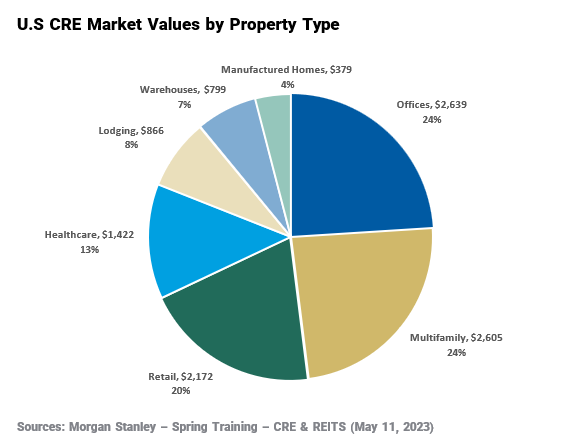
Office Commercial Real Estate faces challenges ahead, with high vacancy rates, declining rental income, and potential defaults. Investors should seek opportunities in more resilient sectors; multifamily properties for better risk-adjusted returns amidst a weakening economy/hawkish Fed.
Q2 2023 was a more favorable environment for Emerging Markets, Europe, Australia and Real Assets managers.
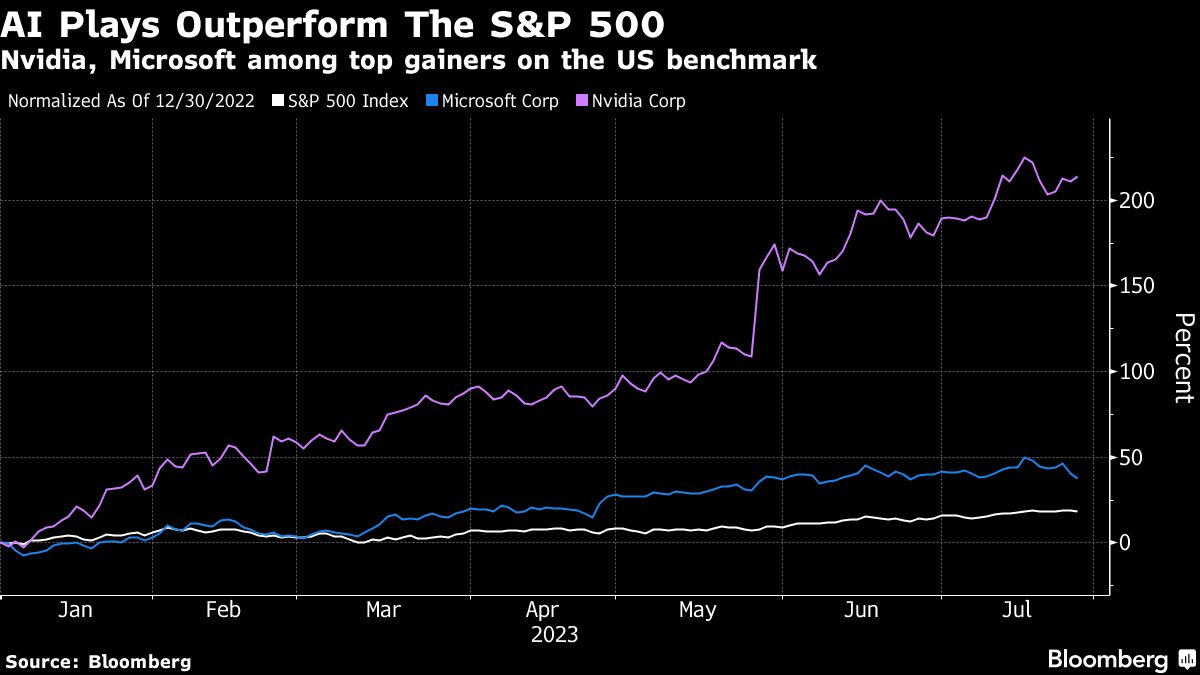
The frenzy over artificial intelligence-linked stocks has gone too far but won’t die down just yet, according to Bank of America Corp. strategists led by Michael Hartnett.
Sixteen months after the Federal Reserve began its most aggressive rate-hike cycle in decades, markets are breathing a sigh of relief that the central bank — at long last — may finally be done.
Municipal exchange-traded funds, still a relatively new and small part of the $4 trillion state and local debt market, have seen growth stall dramatically after record inflows last year as the shift away from mutual funds slowed.
Building wealth isn't difficult, so why don't people do it? As younger generations reach the point where they have finally saved enough to begin investing it may seem overwhelming to know where to start.
This Knowledge Leader has been instrumental in revolutionizing today’s technology landscape in a range of areas from enhancing graphics for immersive gaming experiences to turbocharging scientific research and steering the future of autonomous vehicles.
While on the surface its argument is about the principle of copyright, what the clash reveals is just how little we know about the data behind breakthrough tech like ChatGPT.
To stand a chance of winning in this market, stock pickers need big tech exposure. Not all of them can get it.
A stellar year for JPMorgan Asset Management is proving to be an unusually tepid one for the world’s largest asset manager BlackRock Inc., shaking up the leaderboard in the $7.6 trillion US exchange-traded fund industry.
While caution in some areas of the commodities space may be prudent, there are also reasons for optimism, according to Fred Fromm, portfolio manager, of Franklin Equity Group. He offers his mid-year outlook and potential investment opportunities.
There are multiple factors to consider, including your tax rate.
Investors are paying close attention to China, Japan, and India ETFs lately, according to VettaFi’s Explorer data and analytics tool. Interest in non-U.S. economies is high as investors look for more ways to diversify their portfolios.
VettaFi’s vice chairman Tom Lydon discussed the SPDR S&P Regional Banking ETF (KRE) on this week’s “ETF of the Week” podcast with Chuck Jaffe of “Money Life.”
TCW is the latest well-established asset manager poised to enter the ETF business. But unlike some of its peers, TCW is going the acquisition route. Today, TCW announced it is buying the Engine No. 1 ETF business.
There’s another side to power, reflecting a more nuanced view. It can improve communication, convert more prospects and deepen relationships with existing clients.
TCW Group, the asset manager with a long history of managing bond funds, is expanding into exchange-traded funds with an agreement to buy an ETF business from activist investor Engine No. 1.
ESG scoring and mandates remain a subject we have contested since it sprang to life in 2020. The push of “woke activism” on, and by companies, to meet nebulous or artificial standards has led to various bad outcomes.
There is a particular “setup” that we’ve historically found to be associated with abrupt “air pockets” and “free falls” in the S&P 500. It combines hostile conditions in all three features most central to our investment discipline: rich valuations, unfavorable market internals, and extreme overextension.
The recent broadening out in market breadth has been accompanied by frothier investor sentiment, but using sentiment as a market-timing tool is tricky (if not impossible).
China's re-opening surge did not last.
Bets that artificial intelligence will revolutionize Corporate America and deliver riches to the biggest companies behind it will get a test Tuesday, as Microsoft Corp. and Alphabet Inc. report their first earnings since AI fever broke out.
I suppose you could say changing the Twitter bird logo to an “X” makes complete sense. As the recognized icon for “make it go away,” X just about sums up the achievements of Elon Musk’s social network so far.
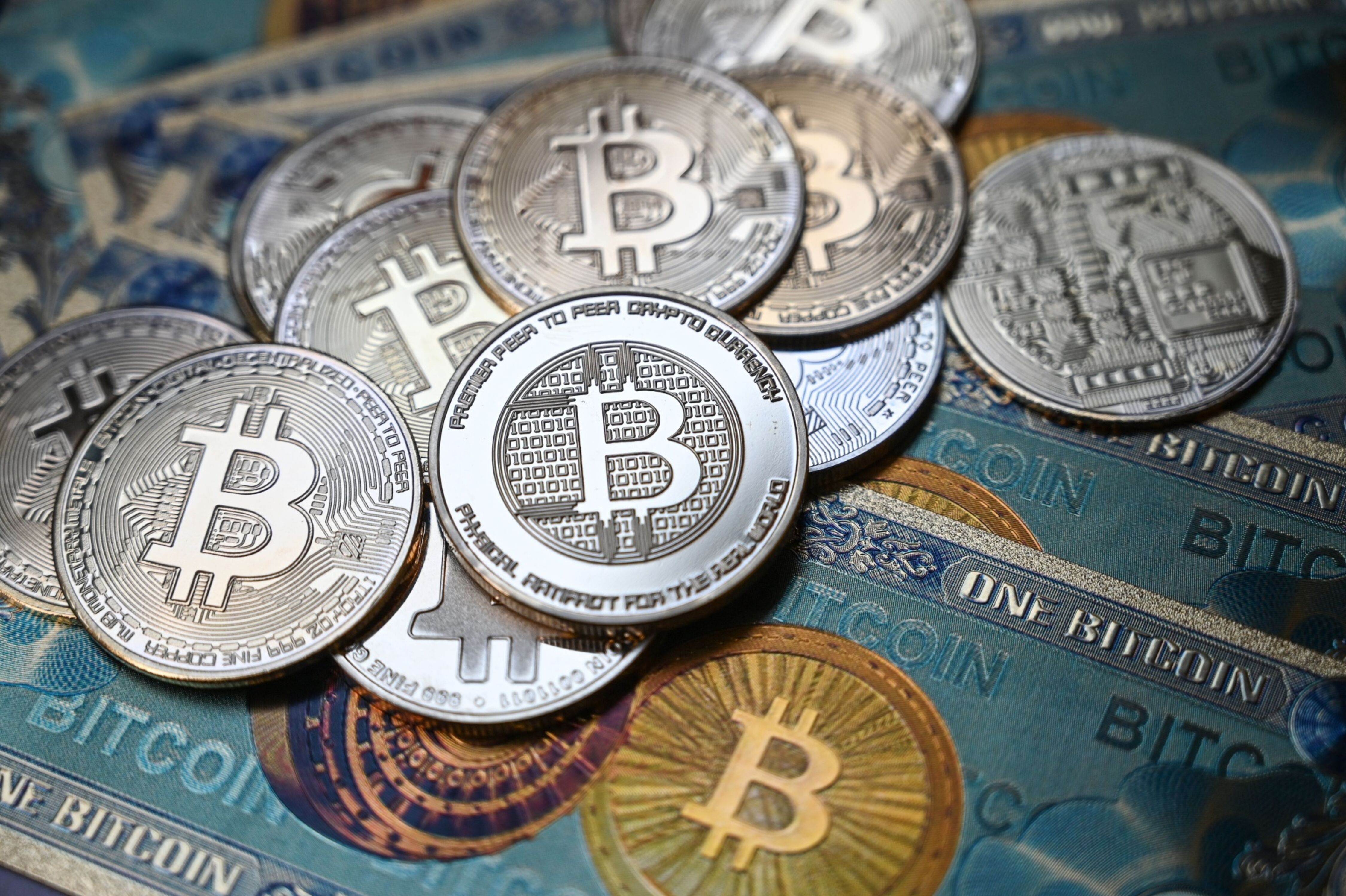
Bitcoin dropped below $29,000 for the first time in over a month as the recent exorbitance over ETFs and a more favorable regulatory outlook eases.
BlackRock Inc.’s Rick Rieder says US high-yield risk premiums are not wide enough to entice investors, and that there are other areas of credit to consider allocating to.
Last year’s plunge in the S&P 500 made uber bear Mike Wilson the most celebrated stock forecaster on Wall Street. It’s a role he has failed to reprise in 2023.
Commodity ETFs have seen a significant dip in financial advisors' interest and YTD flows in 2023.
The Northern Trust Economics team shares its outlook for U.S. growth, employment, interest rates and inflation.
One of the unforeseen side effects of the current travel boom has been flight delays, mostly because of staff shortages, and this has raised the issue of pilot retirements.
VettaFi’s Tom Lydon offers key takeaways from their recent Fixed Income Symposium. Simplify ETFs’ Paul Kim discusses the firm’s recent growth and highlights several unique ETFs. Democracy Investments’ Julie Cane explains the investment thesis behind the Democracy International Fund ETF (DMCY).
Pulak Prasad is a successful investor in the Indian market, where he grew up. But he is also an amateur evolutionary biologist. His new book illustrates a powerful – and often money-making – link between the disciplines of investing and evolution.
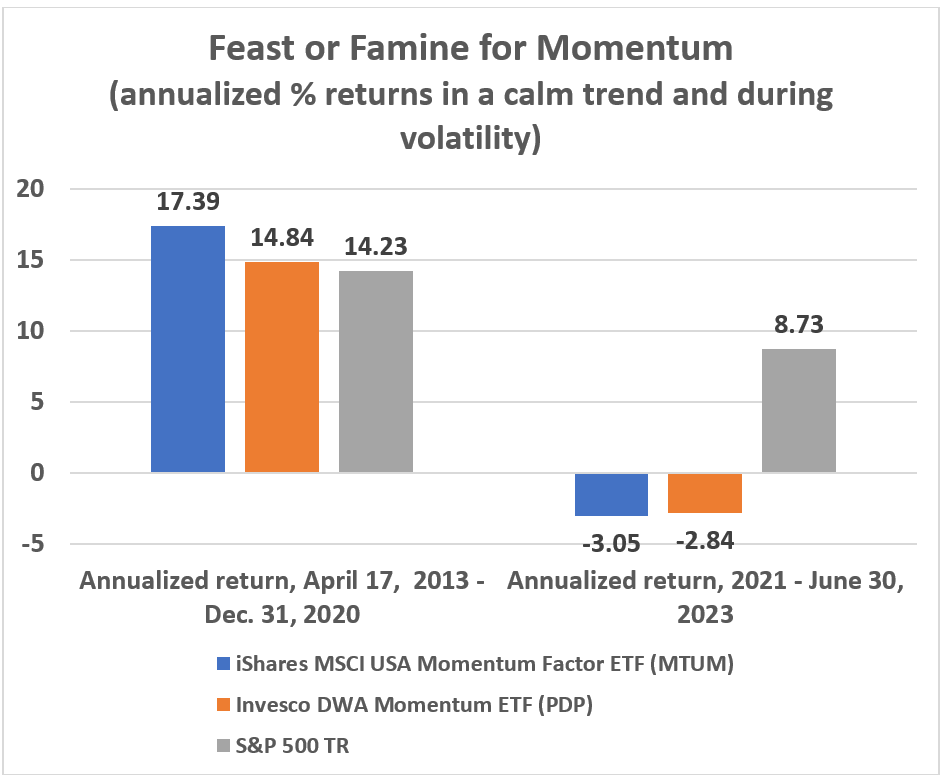
As the recent regime changes between value and growth illustrate, momentum is unlikely to be successful in the long term.
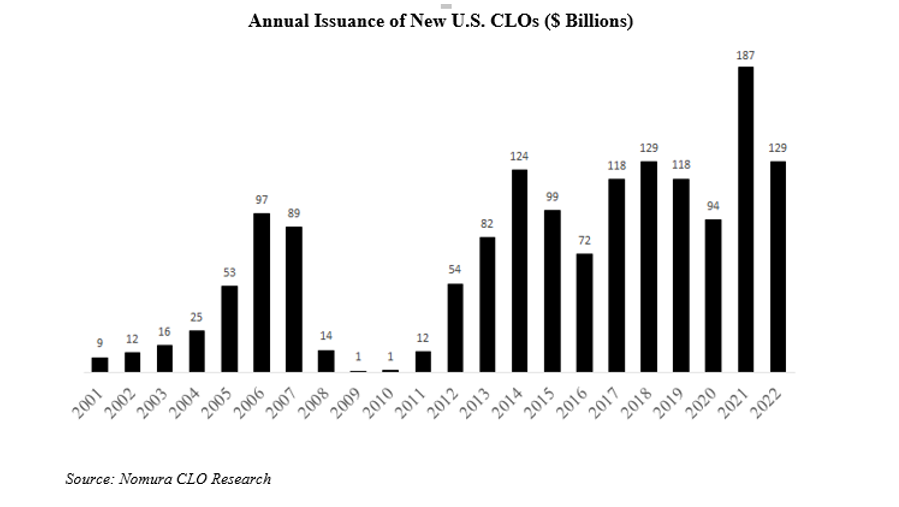
Investors willing and able to accept the illiquidity risk of CLOs should consider them as alternatives with attractive risk/reward characteristics.
A lot of the conversation around the rise of artificial intelligence has focused on its threat to white-collar jobs and knowledge workers.
I sense a growing middle-of-the-road regulatory consensus on cryptocurrencies. It splits the difference between “crypto is a Ponzi scheme to defraud investors and enable criminals,” on the one hand, and “crypto solves ancient financial problems and will usher in an era of prosperity and freedom,” on the other.
Inspired by the modest market turbulence late last year, I just couldn’t resist trying my hand at a daily financial column. Only the names have been changed to protect the clueless.
This year, managers at Jefferies Financial Group Inc., Evercore Inc. and PJT Partners Inc. say they’ve been inundated with CVs from the likes of Goldman, Barclays Plc and Credit Suisse.
It’s shaping up to be a pivotal week for global stocks, as companies with a combined $27 trillion market value gear up to report quarterly earnings. As Netflix Inc. and Tesla Inc. showed last week, the pressure is on — to deliver or face a sharp selloff.
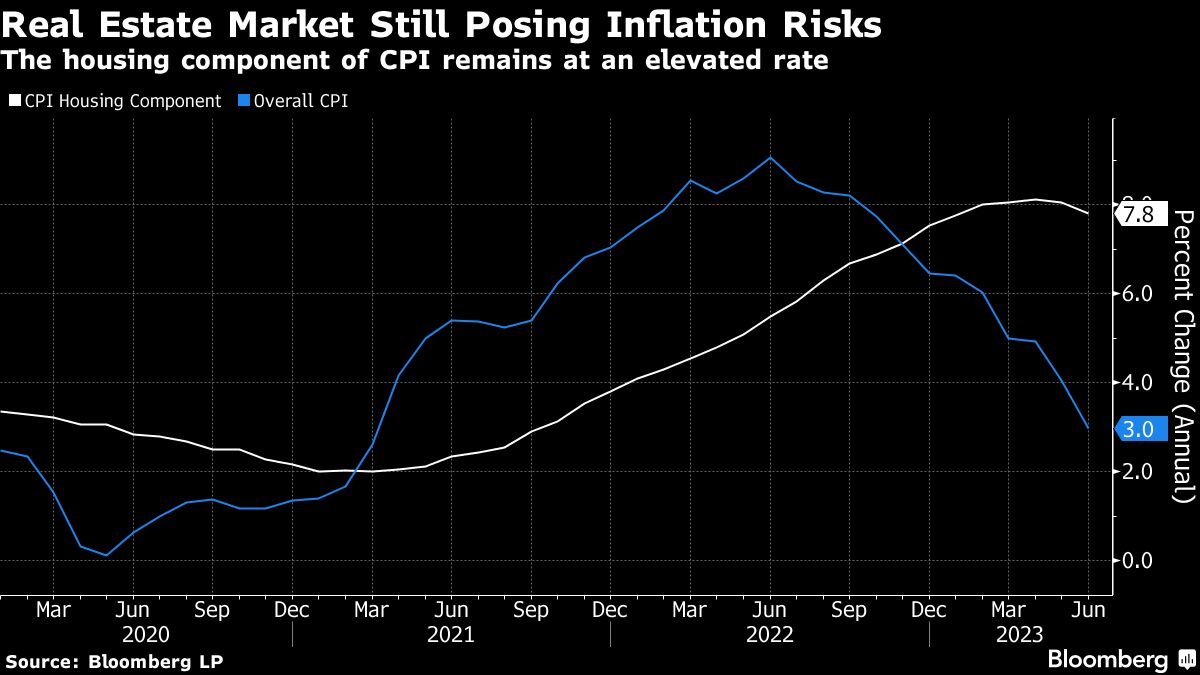
It made sense at the time. Jerome Powell was waging war on inflation. The bond market was flashing dire warnings. Practically everyone saw a recession coming.
Target-date funds, which make up over half of total 401(k) assets, are not following investment theory, exposing investors to excessive risk.
Financial companies that help address some of the world’s most pressing socioeconomic challenges deserve attention from sustainability-focused investors.
So far in 2023, equity markets have shrugged off banking stress, recession risk, and monetary tightening in favor of a more optimistic view. While risks remain, alternative data suggests that inflation may fall faster than expected as the economy remains relatively healthy.
This Knowledge Leader aims to provide solutions that can help societies overcome complex challenges. For example, NEC makes biometric identification systems, video analytics systems, and digital government solutions designed to improve the efficiency and transparency of government operations.
It is no secret that the biggest virtual event of the summer is the coming July 24 Fixed Income Symposium. Here’s why advisors can’t afford to miss this event.
Economic indicators are released every week to help provide insight into the overall health of the U.S. economy. In this article, we examine indicators from the past week, such as inflation, that shed light on both inflationary trends and sentiment within the market.
Last month, BlackRock Inc., the world’s biggest money manager, asked the Securities and Exchange Commission to approve a spot Bitcoin exchange-traded fund — a fund that would invest in the digital currency directly rather than through futures markets.
Global corporate bond returns just hit their highest level this year on bets that the inflation crisis is coming to an end. Some investors say this may be as good as it gets, with dangers lurking in credit markets for the second half.
China’s ultra-long government bonds are seeing heated demand as the economy’s dire outlook and expectations for modest stimulus drive bets for further gains.
Crypto investors appear to be the most optimistic in over a year about the odds of the world’s biggest Bitcoin investment product being allowed to be turned into an exchange-traded fund.