The investment landscape is pockmarked by intractable statistics that continue to impose strategic and psychological barriers to the short term potential of portfolio alpha.
Fixed income spreads have widened across sectors over the past few months.
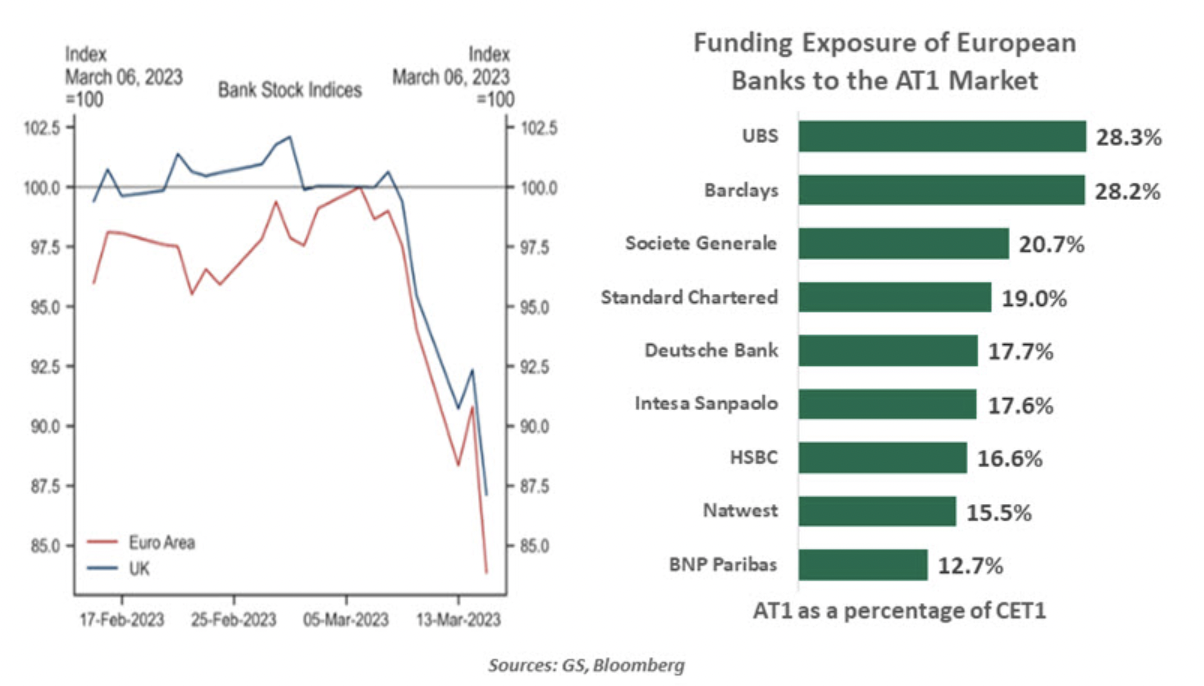
What are the implications of the ongoing volatility in the banking sector, and what does it mean for markets in Europe and globally?
Not all stocks are the same, and not all stocks serves the investor’s needs.
“QE” or “Quantitative Easing” has been the bull’s “siren song” of the last decade, but will “Not QE” be the same?
In the face of high and persistent inflation, recession risks, and now a looming insolvency crisis in the financial sector, central banks like the US Federal Reserve are facing a trilemma.
There has been surprisingly little worry reported by advisors and readers in the past couple of weeks.
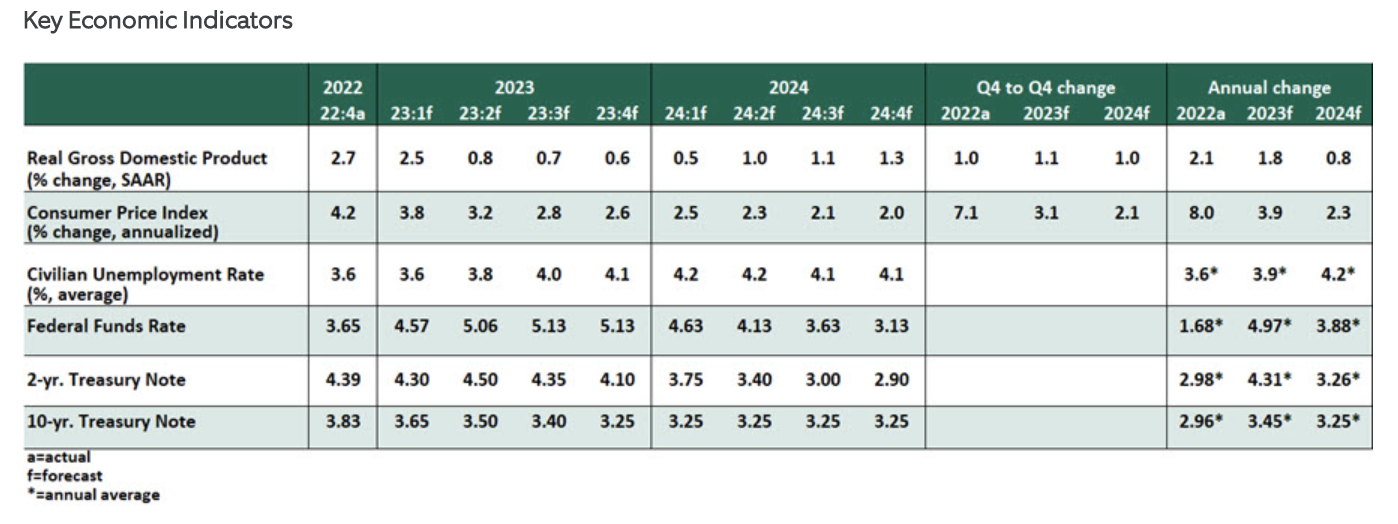
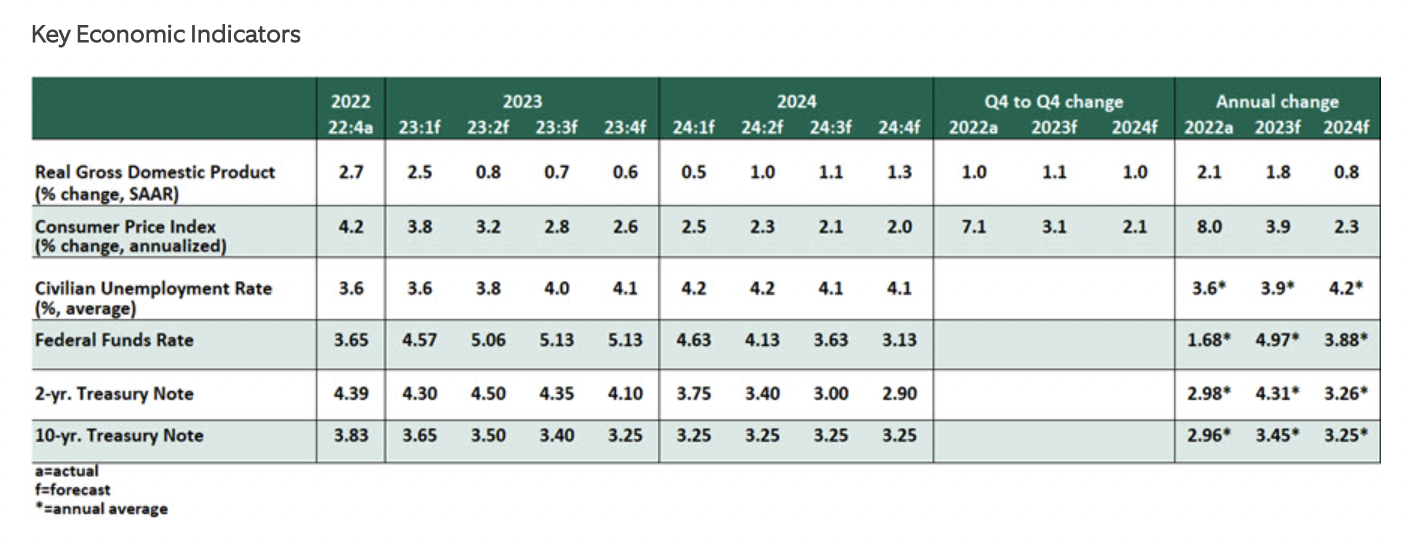
The Northern Trust Economics team shares its outlook for growth, inflation, employment, and interest rates.
The bipartisan push to ban TikTok in the US reflects both the growing distrust of China and lawmakers’ limited understanding of the tech world.
The Senate Banking Committee held a hearing to investigate the collapse of Signature Bank (SBNY) and Silicon Valley Bank (SIVB/SIVBQ) that brought to discussion possible changes for the entire banking system.
From the perspective of the U.S. stock market, 2022 was a miserable year (with the S&P 500 declining 19.4%), but until recently, 2023 was shaping up to be a stronger year.
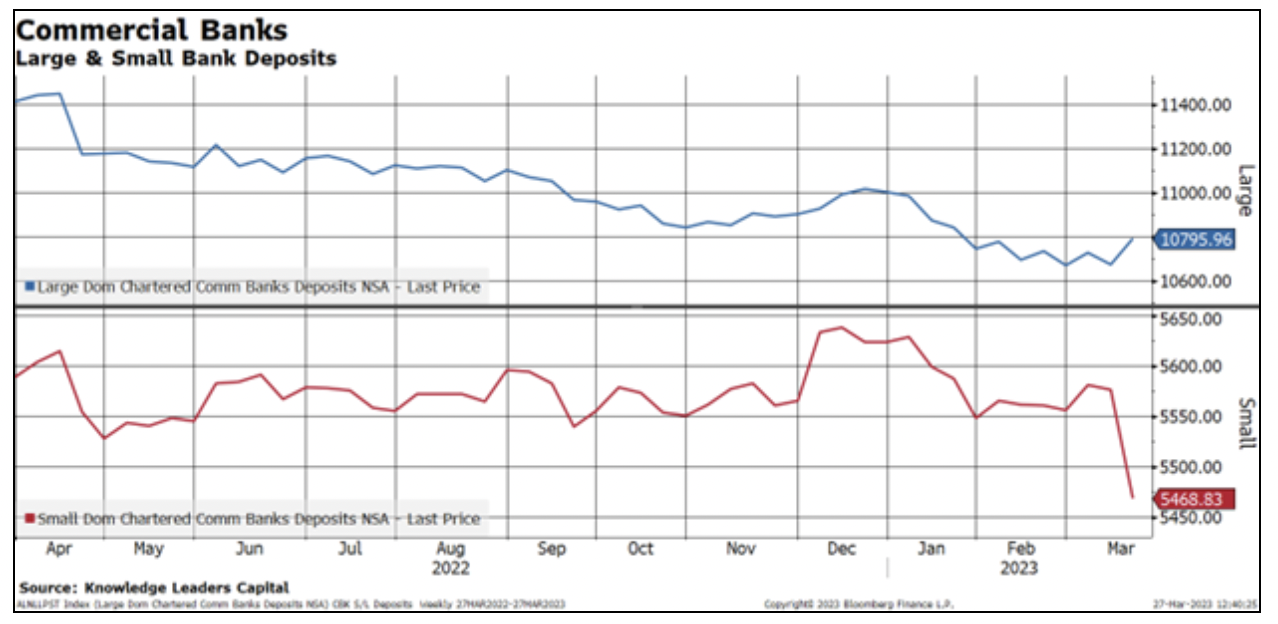
The failures of Silvergate Bank, Silicon Valley Bank, Signature Bank, and the current struggles of First Republic and Pacific Western Bank have seen bank deposits flee to the perceived safety of large banks.
VICI Properties Inc. (VICI) from their website: “VICI Properties Inc. is one of the country’s largest owners of gaming, hospitality, and entertainment destinations.
Predicting spot exchanges is tricky, but there are still ways of adding value in currency markets, including through a disciplined approach we call currency factor investing.
The demise of a major bank illustrates the global tensions in the financial sector.
Doug Drabik discusses fixed income market conditions and offers insight for bond investors.
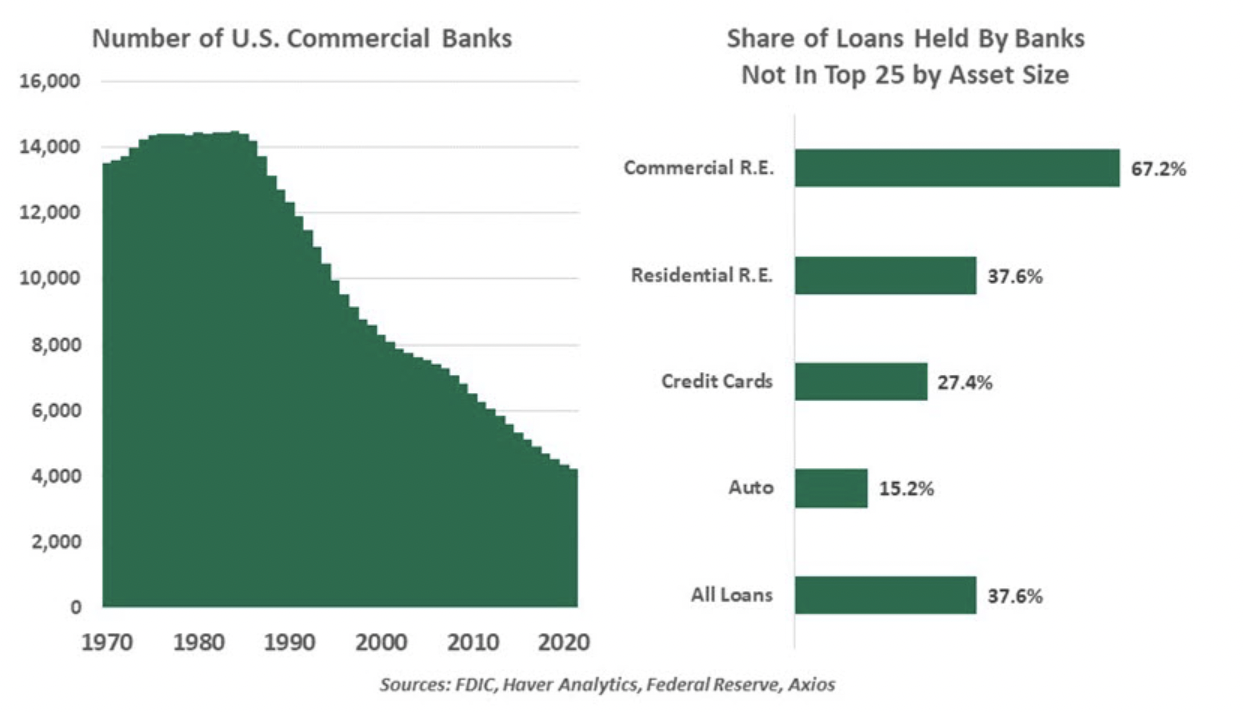
Beyond the near-term turmoil, there may need to be a re-evaluation of the regional banking model in the United States, according to a recent panel hosted by Stephen Dover, Head of Franklin Templeton Institute.
As we discussed last week in Looking to the Futures, natural gas prices have been plagued by the perfect storm of lower demand and higher production throughout the withdrawal season.
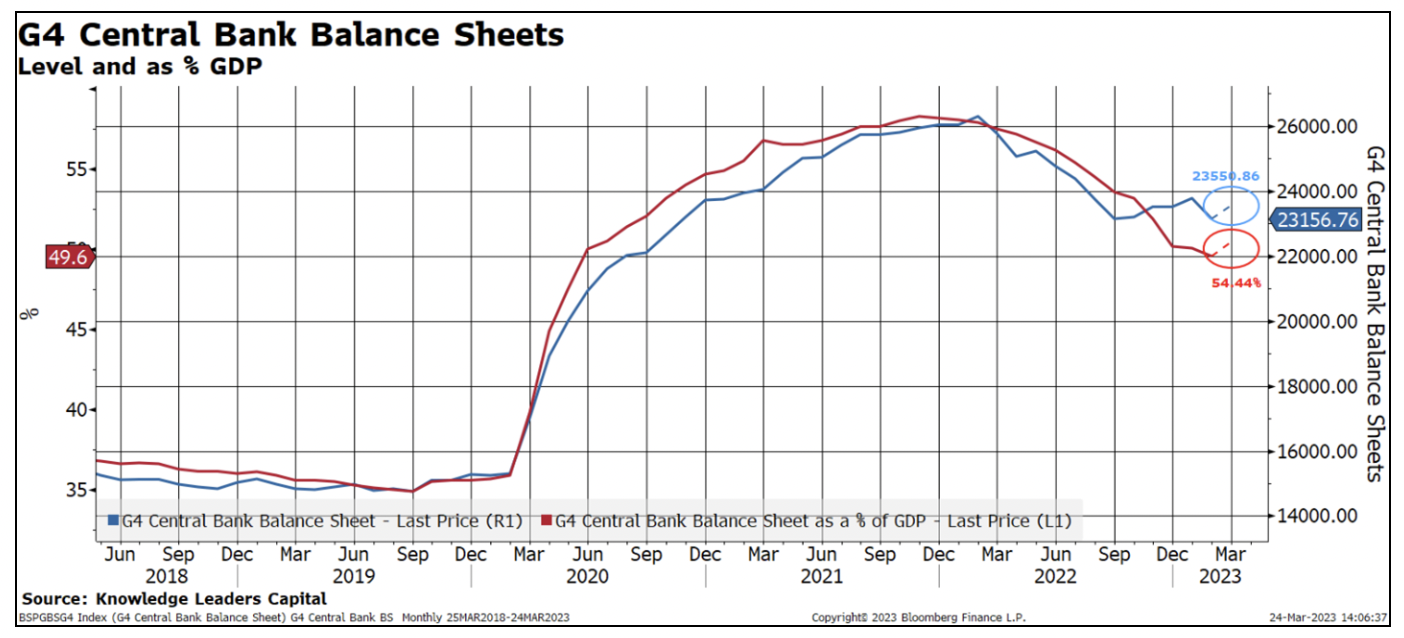
The Federal Reserve’s balance sheet grew by $394B in the past two weeks.
The Federal Reserve raised short-term interest rates by another quarter point on Wednesday.
The fallout from SVB will make the Fed's job more difficult.
Review the latest Weekly Headings by CIO Larry Adam.
Stock and bond markets were shaken by the recent banking crisis in the US and Europe.
Realty Income, A.K.A. the Monthly Dividend Company, has rarely been attractively valued since the spring of 2010. However, rising interest rates have brought the price down to fair value.
Slower credit growth may curtail broader U.S. economic growth, taking pressure off the Federal Reserve.
Recently I saw someone share a clip from their weather app. It said, “Rain expected at 3 pm,” right above a little graphic showing a 30% chance of rain at 3 pm. What’s wrong with that picture?
The U.S. dollar remains the world’s top reserve currency for now, though its share of global central banks’ official holdings has slipped in the past 20 years. By contrast, the yuan’s share of official holdings has more than doubled since 2016.
As interest rates show signs of peaking, gold prices are nearing new all-time highs.
China’s economy is in the early stages of a gradual, consumer-led recovery. In this issue of Sinology, Andy Rothman outlines why China’s opportunities outweigh risks.
Following recent efforts by central banks and regulators to alleviate the banking crisis, Franklin Templeton Institute’s Stephen Dover and Lukasz Kalwak discuss their thoughts on the implications and outlook for the banking industries in the United States and Europe.
Chief Economist Eugenio J. Alemán discusses current economic conditions.
The GMO Focused Equity team has evaluated banks in the context of our Quality Strategy for 20 years, using both quantitative and fundamental analysis to invest in high-quality banks with healthy financials and in our opinion responsible management practices.
Yesterday, the Fed raised its benchmark interest rate 25 basis points to a 4.75%–5.0% range and signaled that one more hike is likely this cycle.
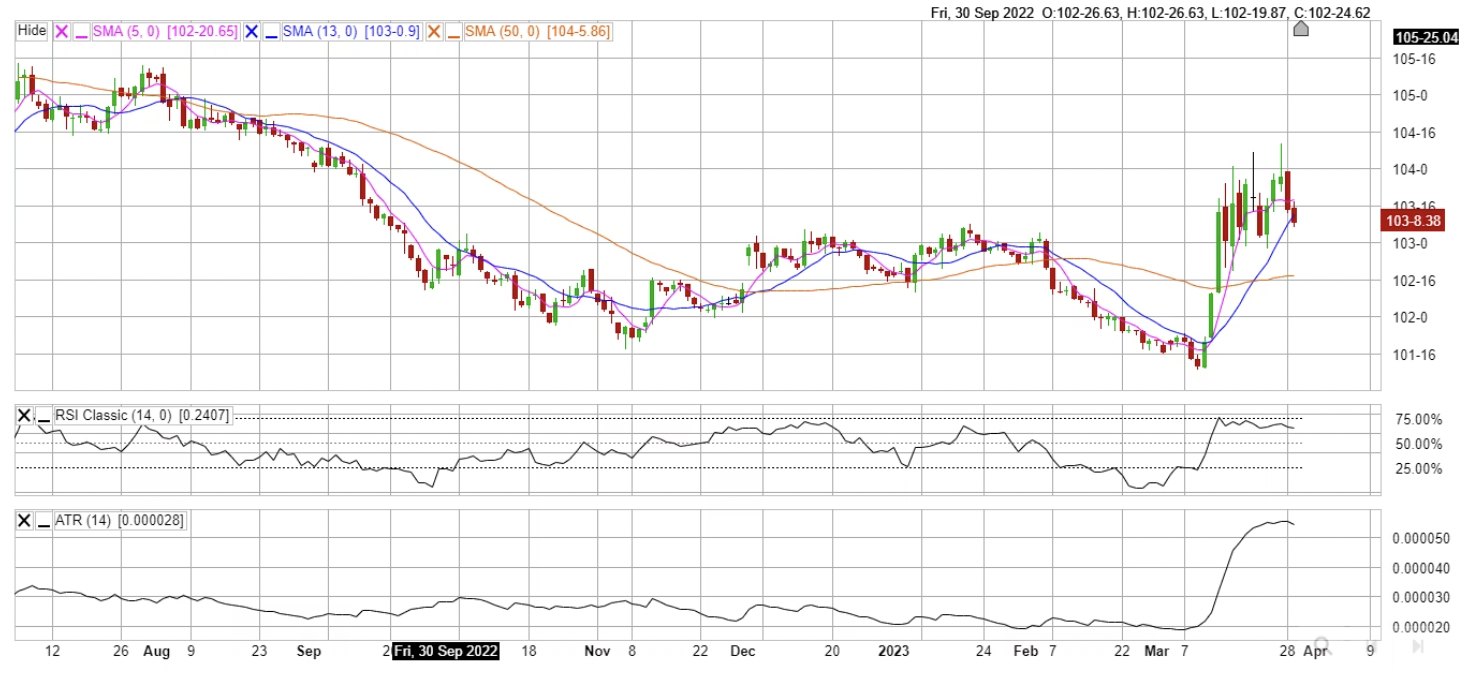
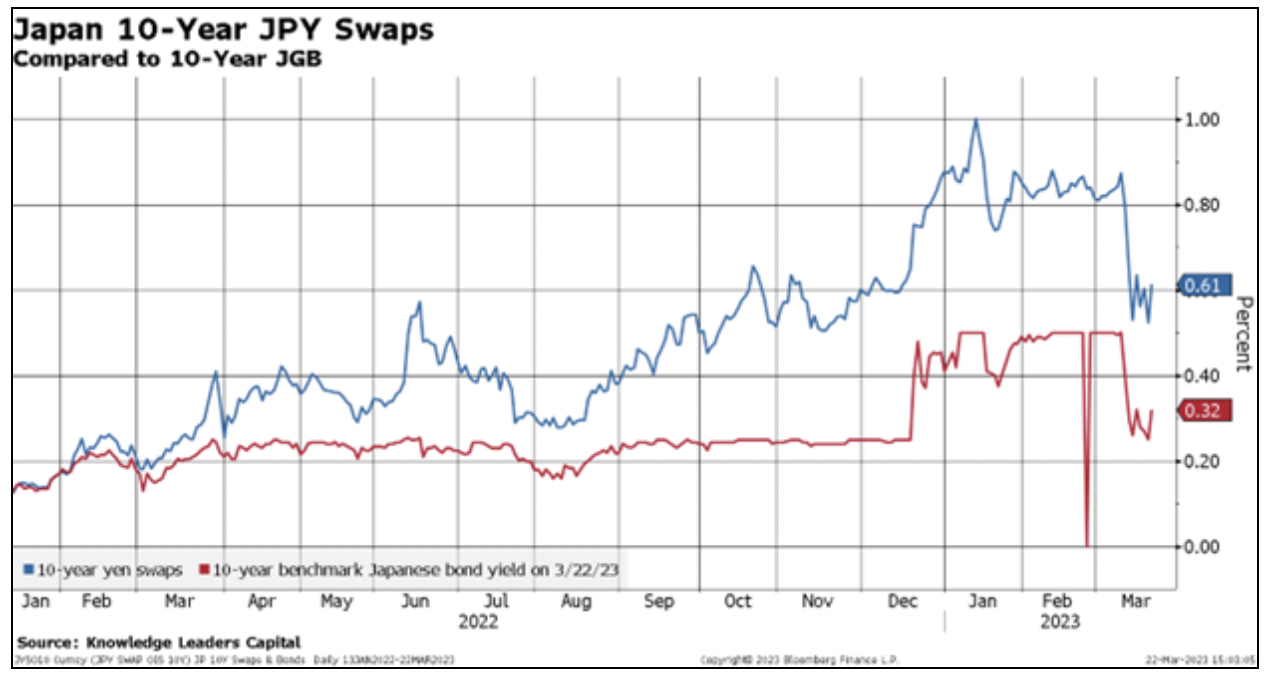
Yields on 10-Year Japanese Government Bonds have fallen by about a third over the past two weeks, as shown in the chart below.
To help understand the current market volatility arising from the collapse of banks in the United States and Europe, Head of Franklin Templeton Institute Stephen Dover provides his answers to three crucial questions.
Stocks fell and volatility rose this morning as banking sector worries persist.
Gold prices surged to test the $2,000/oz level early this week before retreating ahead of the Federal Reserve's interest rate decision.
Yesterday, the Fed completed its regular meeting and announced that it would increase interest rates by 25 bps, or a quarter percentage point.
Financial markets seem to have returned to trying to time a dovish Federal Reserve turn, but Franklin Templeton Fixed Income CIO Sonal Desai says with a tight labor market and inflation running at 5%-6%—don’t bank on it.
In a closely watched decision, the Fed lifted its benchmark lending rate by 25 basis points to a range of 4.75% to 5% at the conclusion of its March policy meeting.
Read our latest insight where Dan Suzuki explains what investors need to know about the Silicon Valley Bank collapse.
The Fed raised short-term rates by another 25 basis points (bp) today and made no changes to the expected peak for short-term rates later this year.
Income-seeking investors are accustomed to casting wide nets after years of low yields.
Silicon Valley Bank was a “vital cog” in the private market ecosystem, which leads to many questions—and opportunities—across the alternative investments landscape.
Both the leading indicators of growth and liquidity continue to suggest growth will slow as 2023 progresses.
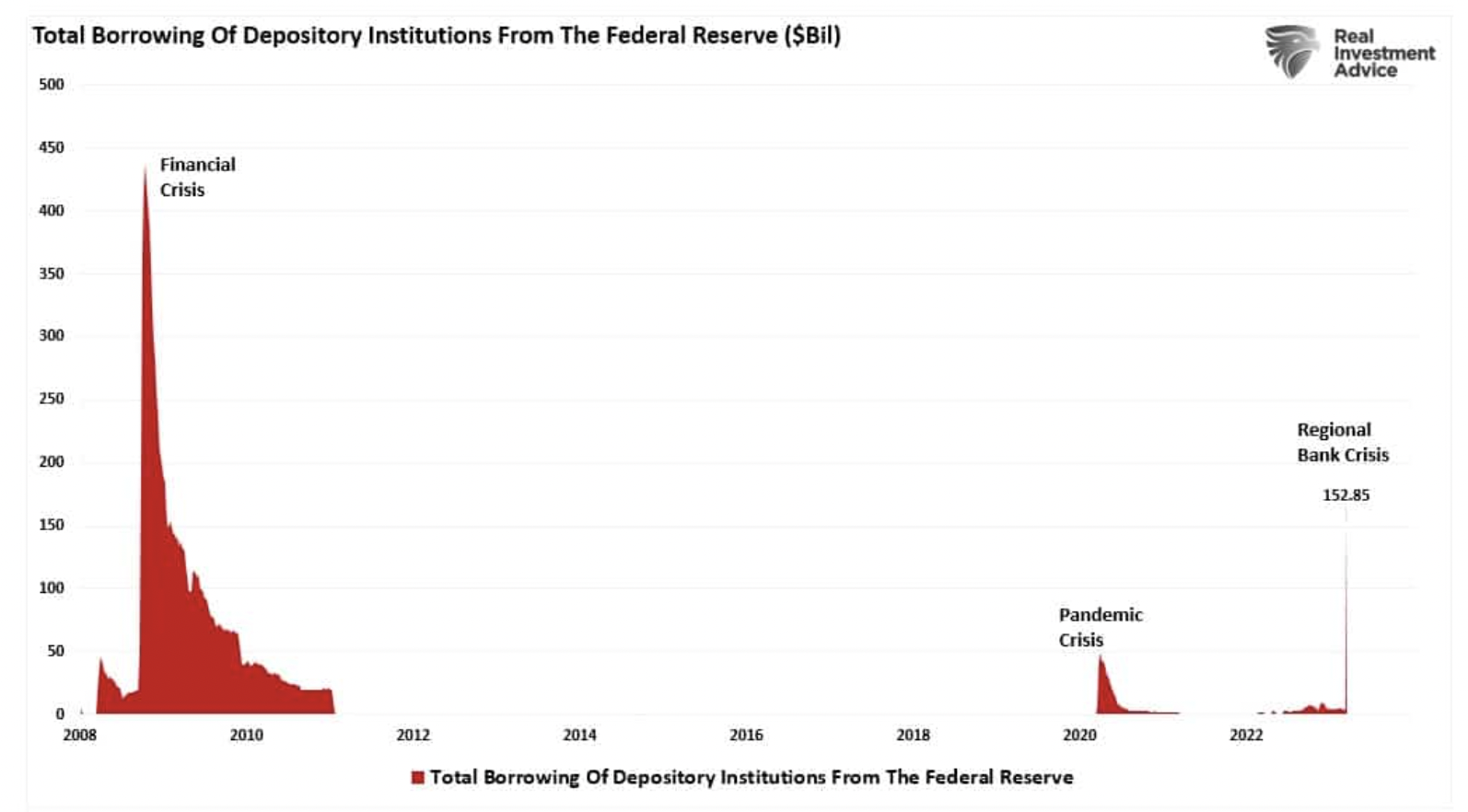
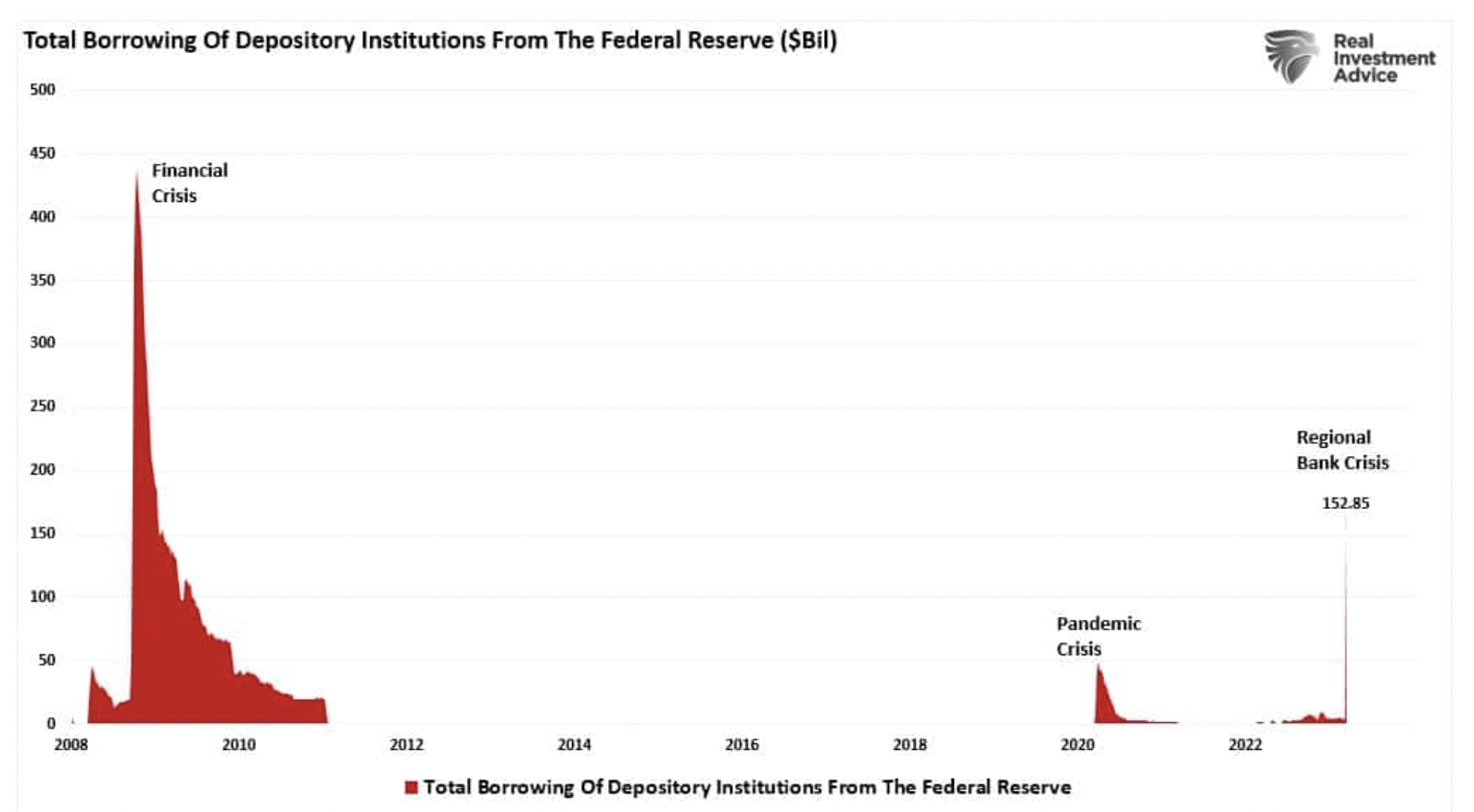
To shore up Silicon Valley Bank and the other failed banks, the Federal Reserve extended an open-ended line of credit via its Bank Term Funding Program (BTFP) and discount window borrowings.
U.S. stocks climbed for a second straight day Tuesday, with the tech-focused Nasdaq Composite ending near a five-week high, as jitters over bank instability eased.