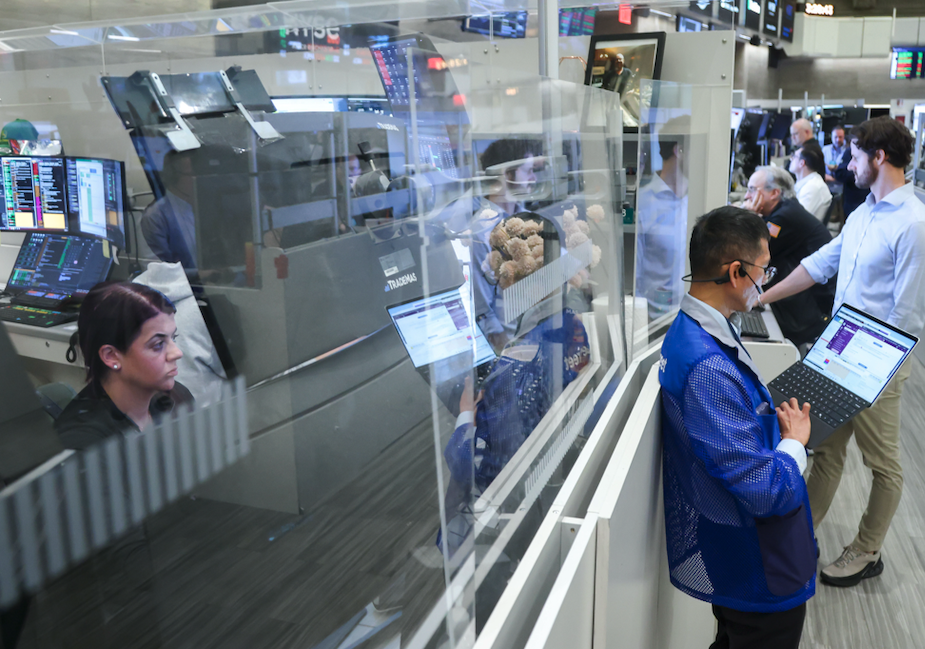
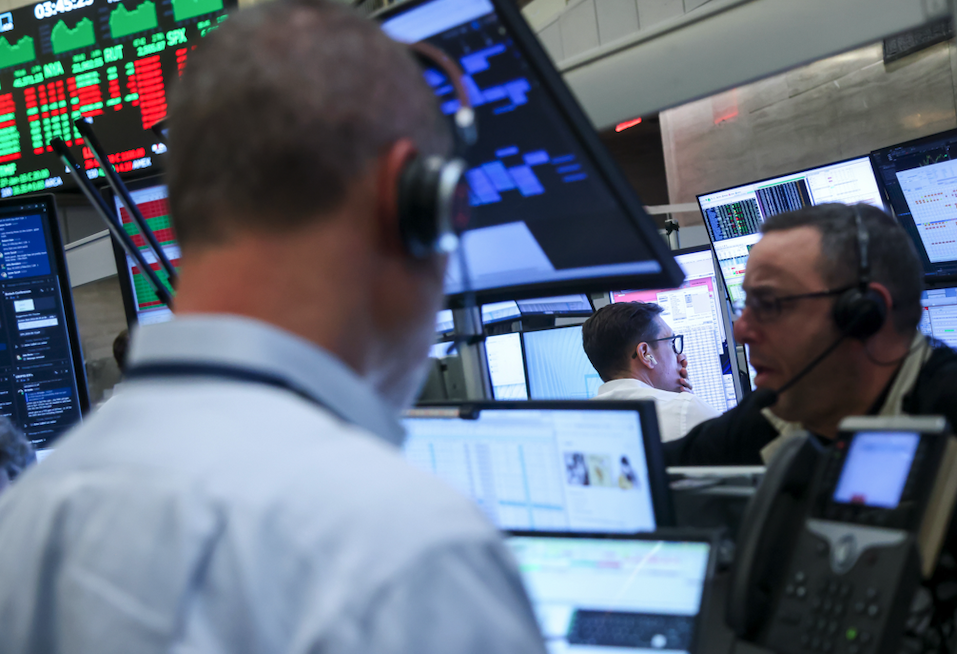
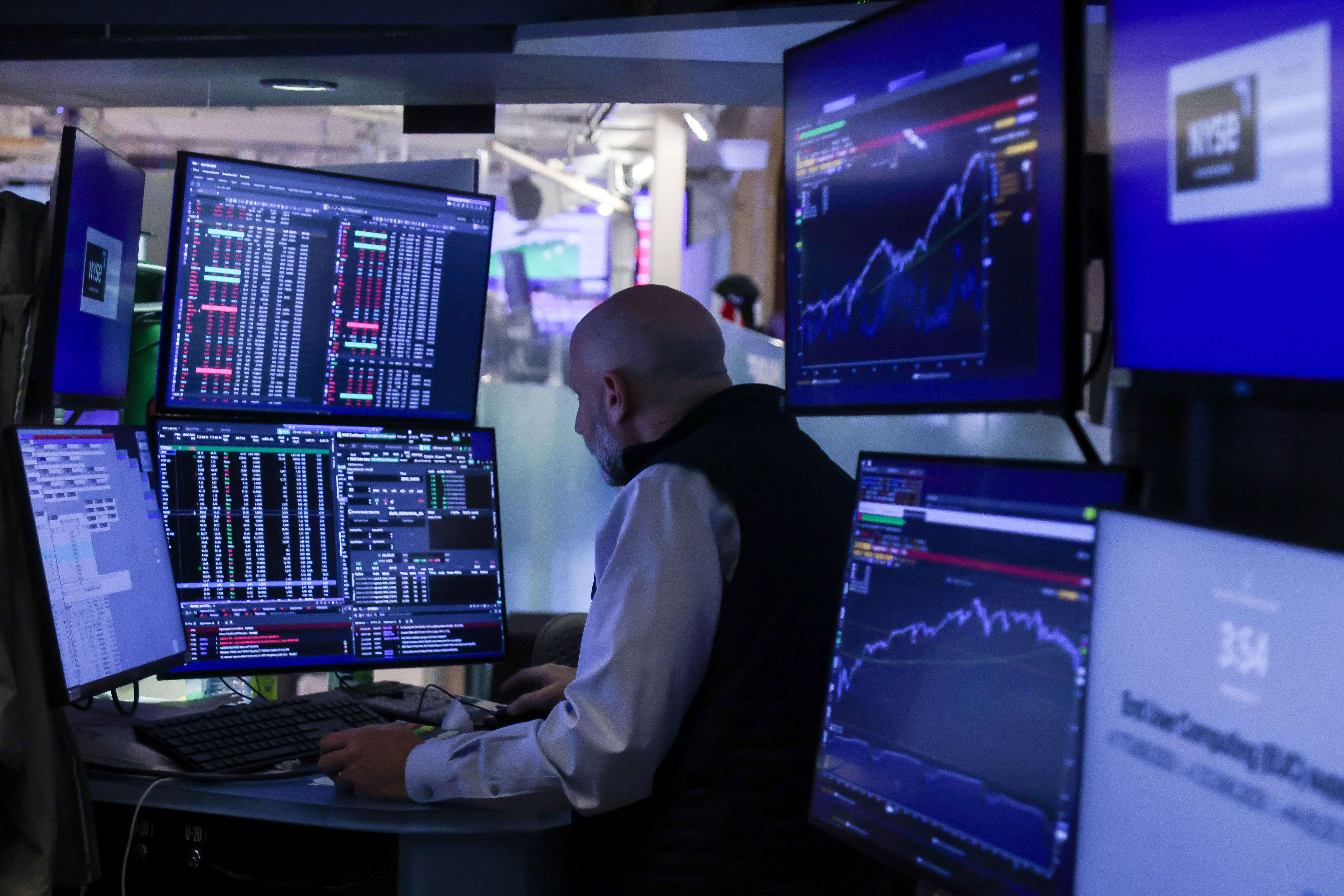
Strategists at some of Wall Street’s biggest banks are upbeat on the outlook for US earnings after a positive start to the first-quarter reporting season.
Investors are set to pour more money into defense, energy and technology stocks as the Middle East war forces governments to prioritize security and become more self reliant.
The housing industry had good reasons for optimism heading into 2026. Transactions were picking up after three listless years as improved affordability and decent inventory levels brought buyers back into the market.
Sam Altman, the chief executive officer of OpenAI, said at a finance conference in October 2023 that he and his “CEO friends” were running a betting pool on when the first one-person billion-dollar company would be created thanks to artificial intelligence.
EQT AB, Europe’s biggest private equity firm, says the path to exiting investments in clean-energy developers and operators faces a growing number of hurdles.
Bitcoin’s recovery above $75,000 has a credibility problem: the traders with the most leverage don’t believe in it.
US stocks rallied Friday after Iran said it would open the Strait of Hormuz following the truce between Israel and Lebanon, promising to ease an oil shock that has shadowed the global economic outlook ever since President Donald Trump started the war seven weeks ago.
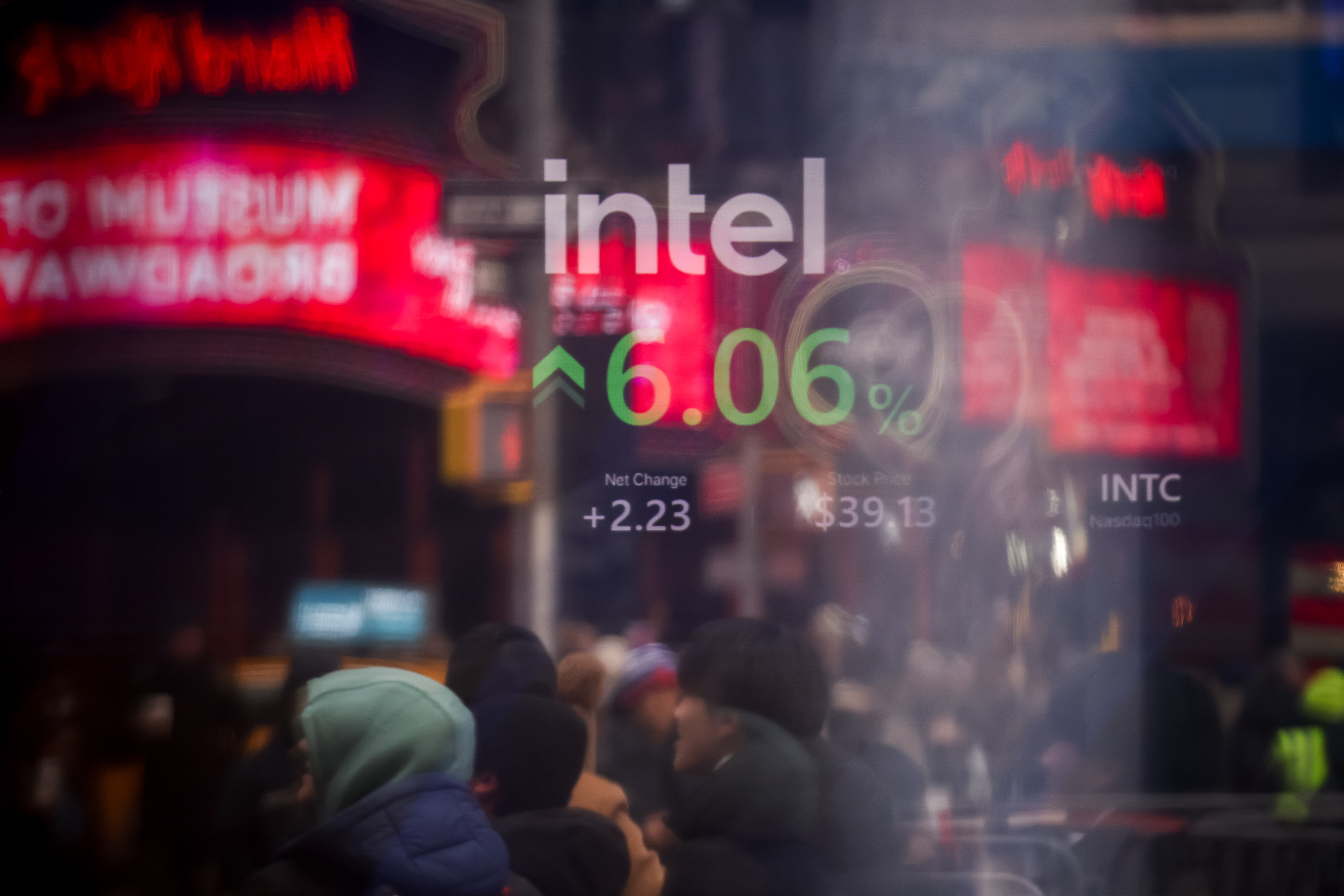
Intel Corp. shares leaped to their highest intraday level since the dot-com era on Friday as optimism that the chipmaker’s turnaround plan is working continues to grow.
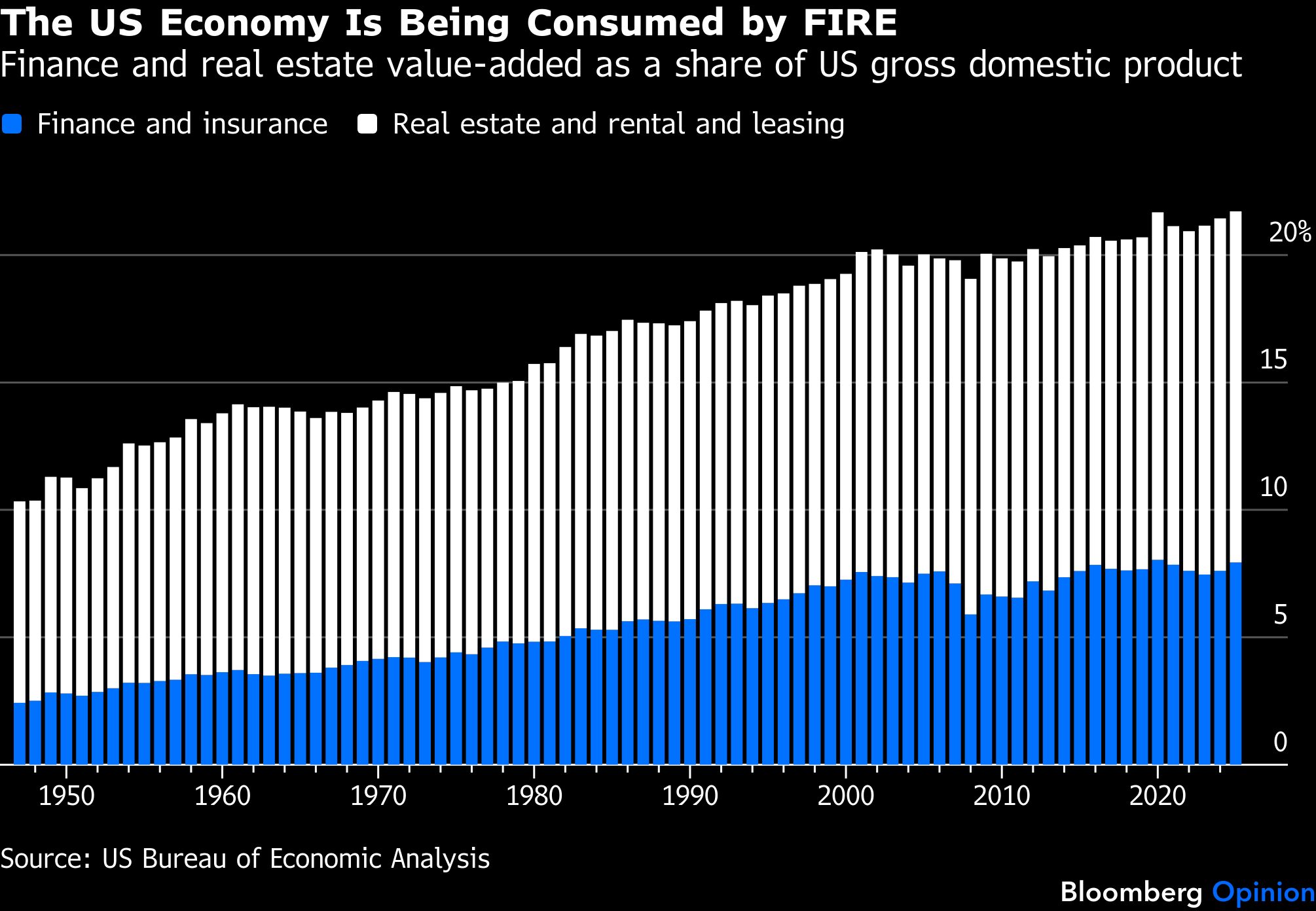
During and immediately after the financial crisis of 2008, there was much talk and academic research about the rapid growth of the US financial sector over the preceding decades and whether that was good or bad.
For the first time, stablecoins have surpassed the Automated Clearing House (ACH) payments network in monthly transaction volume. According to blockchain analytics platform Artemis, stablecoins processed $7.2 trillion in February, topping the ACH’s $6.8 trillion.
As private credit managers mount a spirited defense of their industry to discourage investors from fleeing, they’ve found at least one persuasive argument for why much of the cash they lent to software firms at the start of the decade shouldn’t be at risk.
The Iran war has created a reshuffle in investing. High-flying tech companies are out while unloved old economy names are getting a second look.
When Paul Atkins took the helm of Wall Street’s top regulator, he came with a long to-do list: craft rules for the cryptocurrency industry, make initial public offerings “great again” and ease financial reporting for public companies.
A dramatic shift is underway in US equity markets. Stocks hit an all-time high Wednesday as Middle East peace hopes tamped down geopolitical anxiety, and derivatives traders who had pulled back from bullish bets are now racing to position for further gains in technology shares.
Hedge funds are increasingly downbeat on the dollar as the prospect of a two-week ceasefire extension between the US and Iran sap the currency’s war-driven strength.
Mythos, a new artificial intelligence model that Anthropic PBC has teased as too dangerous to release, looked at first like a problem for banks.
I came across a statistic the other day that goes against the intuition of practically everyone in the US who has a job: Americans are working less than they did in the 1950s and ’60s. How is this possible, when we all feel chained to our desks or our phones?
Bitcoin trended toward the high end of its more than two-month trading range as risk assets rallied on optimism that the US can strike a deal with Iran to end their conflict.
With the US-Iran war demonstrating not just how captive the world economy remains to fossil fuels, but also how easily energy can be weaponized, whether to drill at home is becoming an even more pressing question for some countries.
Most business owners spend decades building their business. For many, it represents 70–80% of their net worth. As your client’s trusted advisor, your role isn’t to become a transaction expert. It's to recognize where risks lie, ask the right questions, and spot red flags.
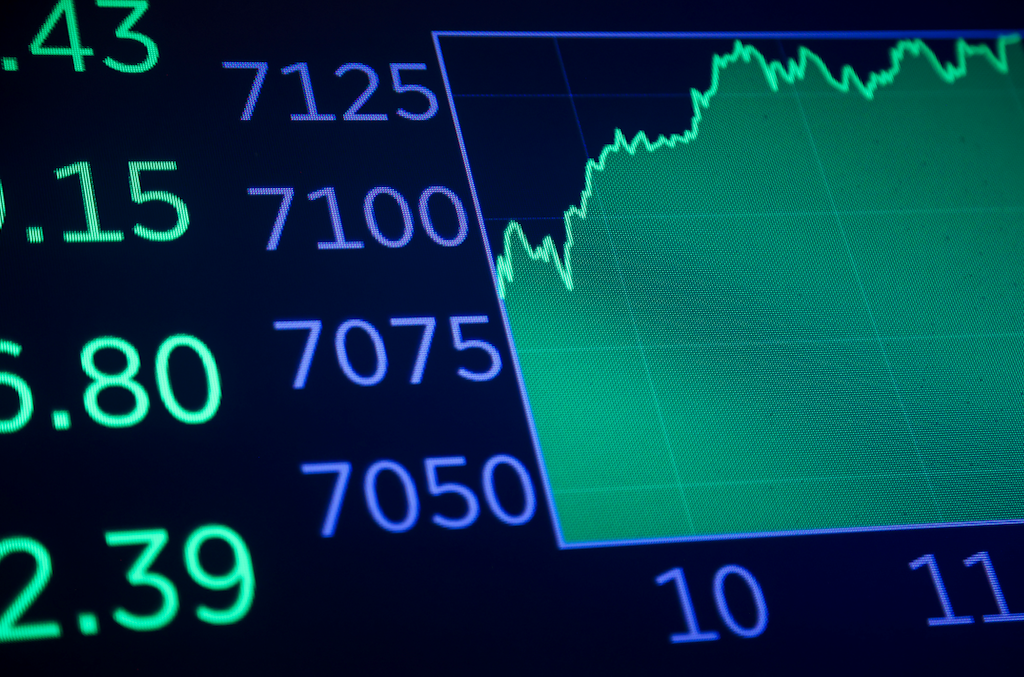
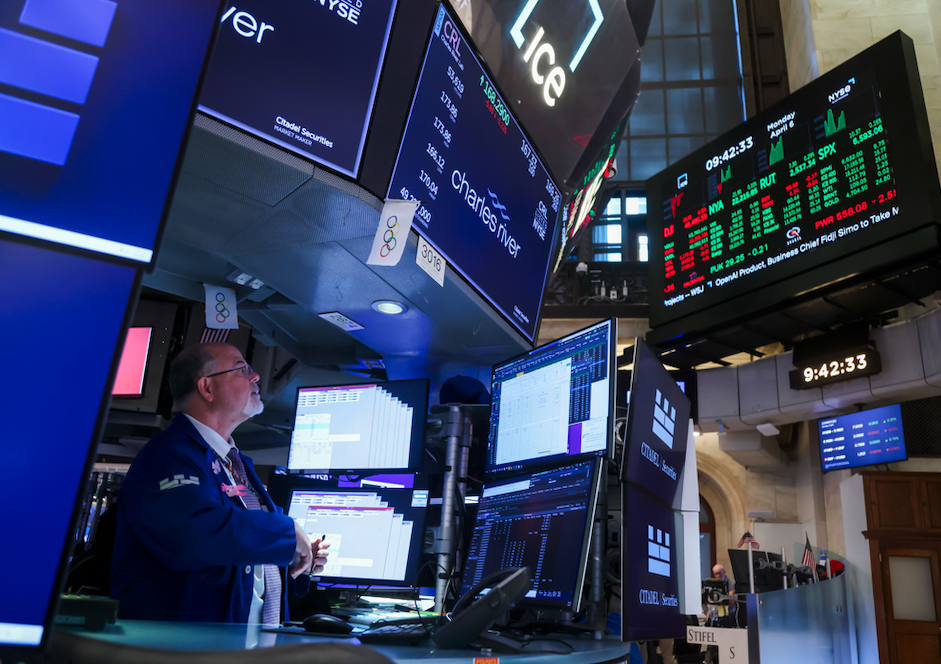
The S&P 500 Index is on track to close at its first record since January, as traders bid up stocks amid optimism over the ceasefire between the US and Iran and robust corporate fundamentals.
Wall Street has gotten repeatedly burned calling a bottom in software stocks, which have been hit hard by fears that artificial intelligence will make the companies obsolete. But this week’s bounce is bringing some bottom-fishing investors back to the group on hopes that the worst may finally be over.
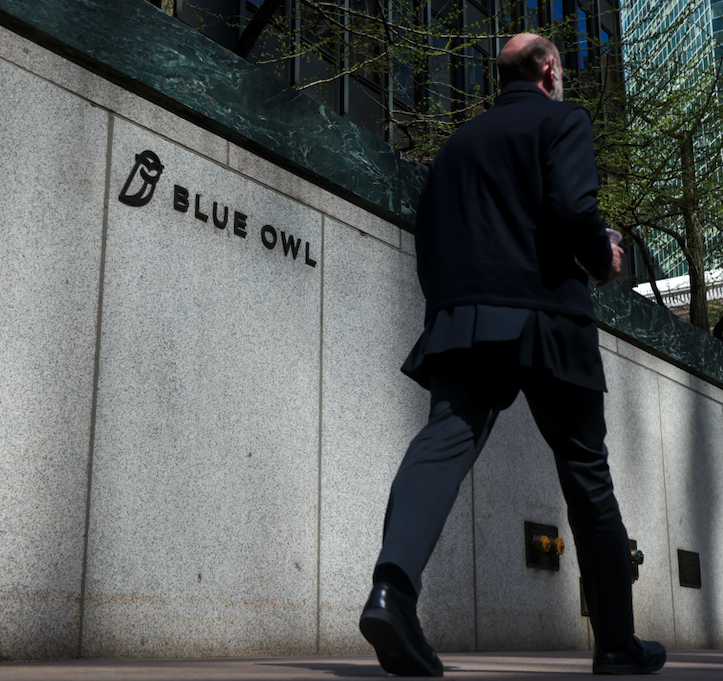
Pacific Investment Management Co. bought all $400 million of bonds issued Monday by a Blue Owl Capital Inc. private credit fund, according to people with knowledge of the matter.
Bank of America Corp. disclosed it has about $20 billion in private-credit exposure, as the bank and its Wall Street peers seek to calm concerns about the industry’s exposure to the asset class.
Morgan Stanley’s traders got a boost from President Donald Trump’s deregulation agenda. In the first three months of the year, Morgan Stanley plowed capital that was freed up after US regulators relaxed a key rule into its prime brokerage division and its macro trading desks, according to Chief Financial Officer Sharon Yeshaya.
When I teach my graduate classes in leadership, we talk about the essence of motivation. Even the best leaders cannot motivate other people to do something. They can create an environment within which the person becomes self-motivated. But motivation is intrinsic.
Compliance officers hold qualifications that take years to earn, develop an understanding of regulatory frameworks most people in financial services never fully acquire, and build institutional knowledge that no keyword-match system can replace.
Novo Nordisk A/S will integrate OpenAI’s artificial intelligence across the company to accelerate drug development.
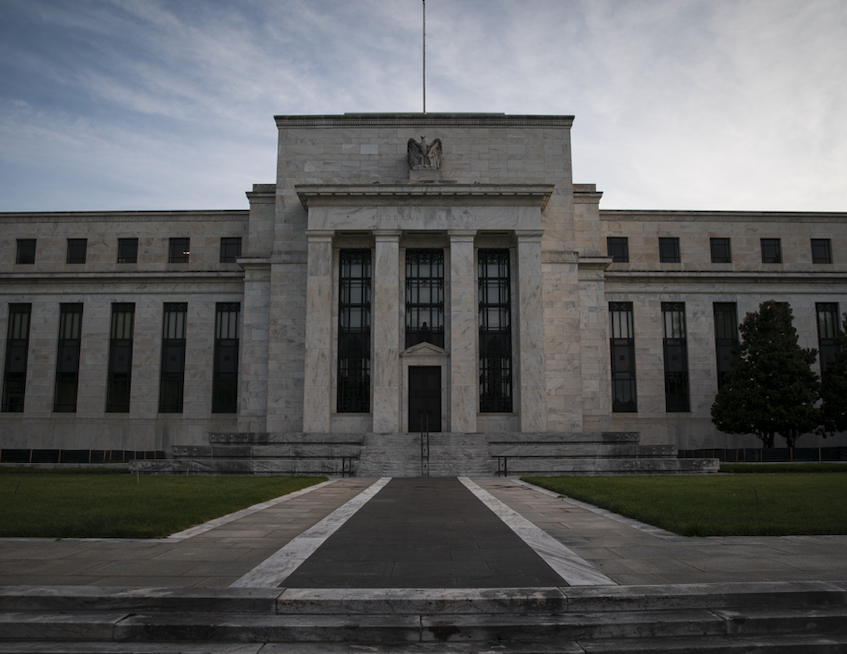
Treasuries traded steadily after a reading of US wholesale prices last month rose less than anticipated, affirming wagers that the Federal Reserve will cut interest rates at least once this year even as the broader inflationary outlook remains murky amid the war in Iran.
JPMorgan Chase & Co.’s traders posted their highest-ever quarterly revenue in the first three months of the year, with record stock-trading results boosting the total past the firm’s previous record by almost $2 billion.
BlackRock Inc. Chief Executive Officer Larry Fink sees increased demand for private credit from big institutional investors like insurers, even as retail clients grow skittish over the asset class and seek to redeem more of their shares.
The leading cause of recurring tax-time friction is simple: HNW households rely on a roster of professionals who communicate inconsistently, if at all.
Economic conditions are set to be even rockier in 2026, as the US-Israel war with Iran has set inflation on a continued upward trajectory and further rankled markets. Even if there were a de-escalation in the conflict, a domino effect has begun.
Shadow advisors don’t have to be a problem. If a family member has genuine knowledge or carries enough emotional weight to influence your decisions, it may be better to include them than to pretend they don’t exist. The key is transparency.
The gap between what advisors are doing and what's now possible in tax-aware portfolio management has never been wider. The tools have outpaced the practice. Here's where I see advisors falling short, and what to do about it.
When advisors discuss referral strategies, the collective feelings on the subject tend to be very similar. The language varies slightly, but the sentiment is consistent: Such conversations feel awkward, forced or misaligned with the nature of the client relationship.
Saving for education can feel like a race against rising tuition costs, but 529 college savings plans offer families a powerful way to stay ahead.
A strong professional network does far more than provide camaraderie. It’s a growth engine, a source of expertise, a safety net, and often a long-term competitive advantage. The path forward might not be another software upgrade or marketing campaign — it might simply begin with finding the right peer group.
Once upon a time, not so long ago, about a third of all American workers had a gold-plated pension: When they retired, someone paid them nearly their full salary for the rest of their lives. They didn’t have to worry about the market, or inflation, or running out of money.
While artificial intelligence is unlikely to replace financial advisors, it can certainly enhance both the quality and the productivity of advisors who embrace it. I agree that AI will boost productivity, but I wanted to put it through the test now to see how accurate and insightful it was. To do so, I gave Anthropic’s Claude a spin.
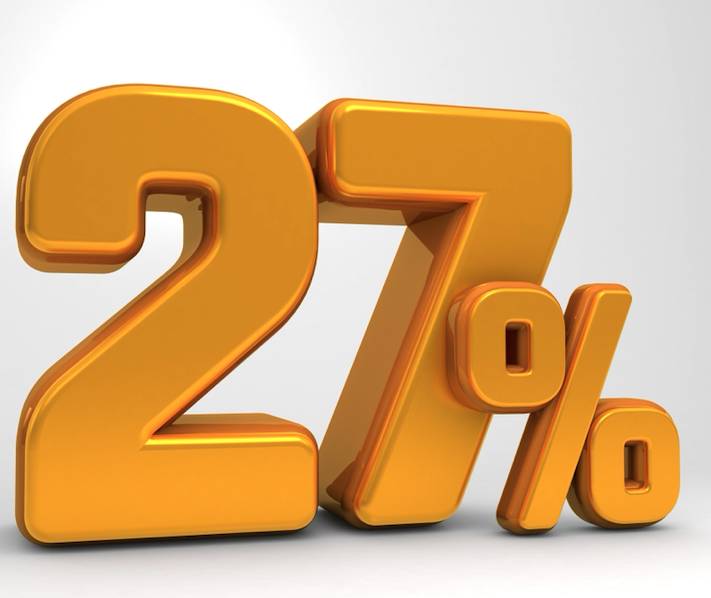
Over 6,537 trading days from 2000 through 2025, about 27% fall into the pure beta category. That 27% is sitting in every trailing return anyone’s ever used to evaluate an active manager, quietly diluting the signal.
While tech giants race to invest billions into AI, executives at Apple are quietly sitting on their hands and a mountain of cash. The puzzling question, however, is why Apple isn't following suit. Or is it taking a different approach to winning the AI arms race?
Inflation fears are not new, but the current path is beyond alarming. The U.S. is spending its way into a rampant inflation catastrophe. That is why gold and commodities are being bid up in price and will likely continue to be bid up.
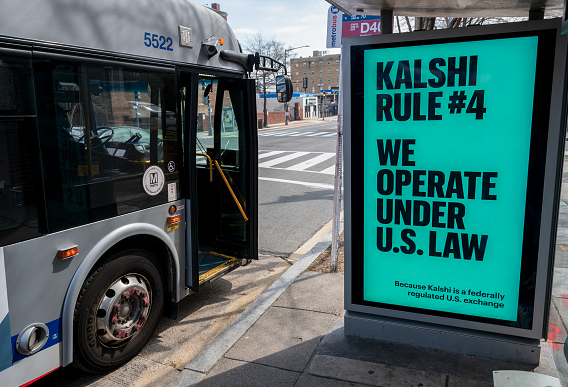
Sportsbooks profit from customer losses, making them structurally predatory. Kalshi, by contrast, operates as a peer-to-peer exchange: customers bet against each other, Kalshi takes fees from both sides, and the house has no stake in the outcome. It's a financial market, not a casino.
With the Middle East in flames and a fifth of the world’s supplies of oil and gas in limbo thanks to the uncertain status of the Strait of Hormuz, it’s tempting to imagine that a clean-energy world might leave such conflicts behind.
Wall Street strategists expect the Federal Reserve to take a slow and careful approach to winding down a program meant to help ease pressure in funding markets.
Accelerating earnings are protecting the S&P 500 from deeper losses and masking a broader pullback in US equities, according to strategists at Morgan Stanley.
Intel Corp. has quickly become one of the hottest stocks in the S&P 500 Index thanks to a nine-day surge that has added more than $100 billion in market value.
Bond traders held onto wagers that the Federal Reserve will lower interest rates once this year after data confirmed that US inflation quickened in March as the Iran war led to higher gasoline prices.
Late last month, Blackstone Inc. announced the first inbound Gulf private equity deal since Iran started attacking Middle Eastern hubs, while Citigroup Inc.’s top boss fired off a 600-word memo underlining the bank’s enthusiasm for its business in the region.