The riskiest bond trade in emerging markets is mounting a comeback, offering double-digit returns to those brave enough to flirt with default.
Investors continued to increase their bets on two exchange-traded funds tied to natural gas as prices for the heating fuel show signs of bottoming following a seven-week selloff that sent the commodity plunging more than 60%.
The dark side of ESG investing has the potential to undermine a whole generation of clean-tech strategies.
Some growth companies could very well outperform the broader market indices, even in a recessionary period.
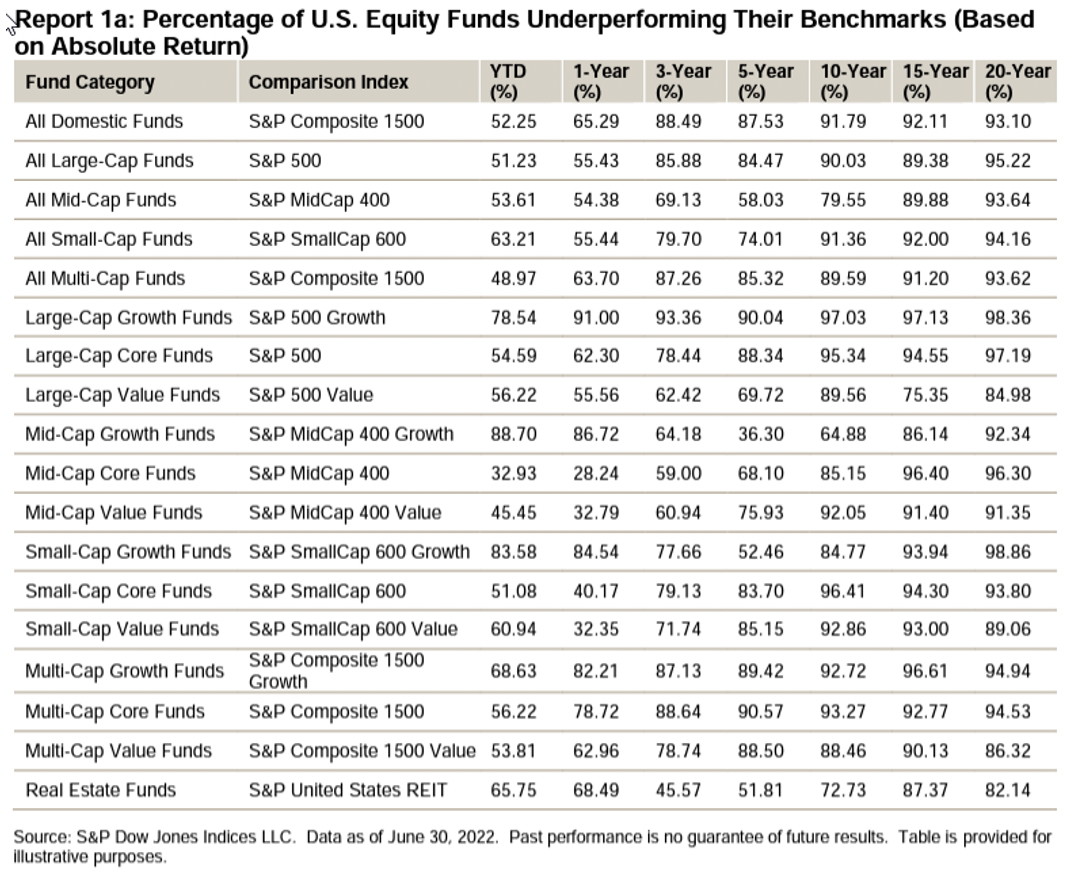
It’s common for a mutual fund to outperform its benchmark over a short time horizon – a few years – as happened with Cathie Wood’s ARKK. But new research shows that mutual funds fail dismally when performance is measured over the long horizons that retirement-focused investors face.
Chinese-based technology sits behind some of the world’s most powerful companies – Baidu, Alibaba, WeChat, and Tencent, the subject of a new book. That has created immense wealth for a few bold entrepreneurs, but new policies by the Chinese government aim to reduce that wealth inequality.
Advisor Perspectives has announced its Venerated Voices™ awards for commentaries published in 2022.
This year, 2023, markets are poised for performance dispersion among equities (i.e., some stocks will do quite well and some quite poorly). That means it pays for growth and tech equity investors to be selective. We face a challenging economic outlook, from rates to a potential recession, but there are themes will shine within growth and technology. Here to explain how advisors can be more precise about where to find opportunities to navigate challenging near-term economic conditions, while seeking to capture exposure to long-term structural megatrends, is Jay Jacobs.
For all the fretting about the political standoff over the US debt ceiling, one fund manager sees the deadlock providing a boost to the stock market.
Assumptions can be wise or unwise. They can be unduly optimistic or excessively pessimistic. Slightly different assumptions can produce giant changes in predicted outcomes. Assumptions are necessary but we shouldn’t make them lightly, nor forget we are making them.
This Super Bowl will also be remembered, I believe, as a major turning point in sports betting in the U.S. More than 50 million American adults are expected to bet on the game, the most ever and a remarkable 61% increase from last year.
Just weeks after professional stock pickers celebrated their best year since 2017, the wind in the stock market has shifted, upending their fate.
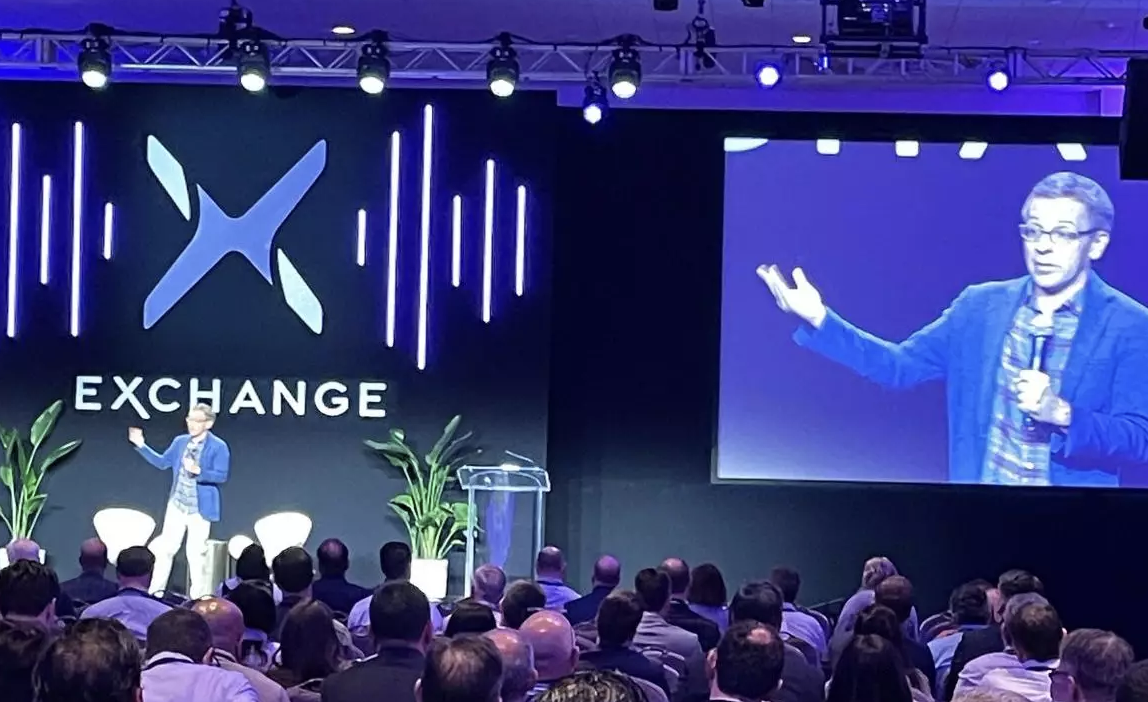
For the nearly 2,000 attendees of the ETF Exchange conference, a lot has changed in a year.
The US government is exploring narrowly focused trade pacts on critical minerals with Japan and the UK, in addition to talks with the European Union, the latest salvo in its push to counter Chinese influence in key sectors, officials familiar with the matter said.
Despite enduring a brutal start to the year for their portfolios thanks to a surprise market rally, two top-ranked fund managers are sticking to the bearish views that made them winners in the 2022 stock crash.
The one-of-a-kind fund structure that helped turn Vanguard Group into the second-largest ETF manager in the world may be about to get a lot less unique.
Review the latest portfolio strategy commentary from Mike Gibbs, managing director of Equity Portfolio and Technical Strategy.
The asset management industry is infected with buzzwords. Nowhere is that more obvious than in technology. Advisors are confronted with an array of labels like innovation, disruption, AI and deep learning. My guest is here to explain how providers of thematic technology ETFs are abusing industry buzzwords. You will learn how to inspect an ETF to prevent being victimized by “techwashing” – throwing buzzword labels on investment products with the goal of improving their marketing appeal but not necessarily their performance.
Suppose recession warnings, such as the yield curve and manufacturing surveys, prove prescient, as they reliably have. In that case, this will be a rough year for the Goldilocks soft-landing believers.
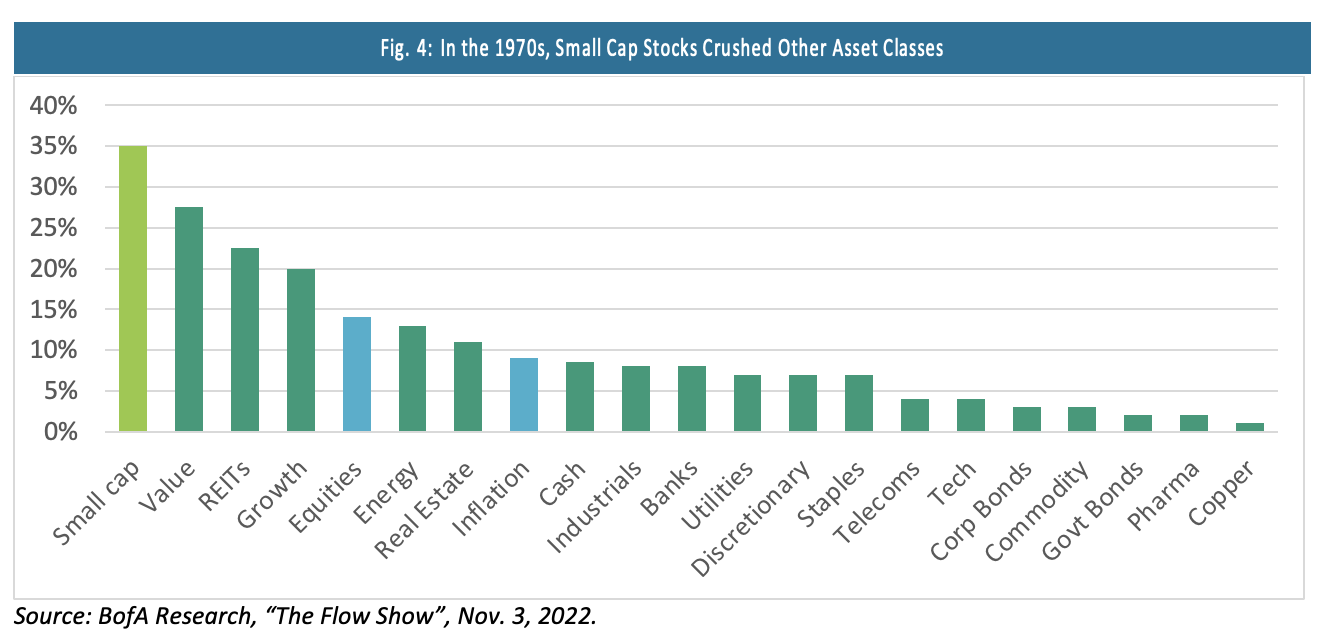
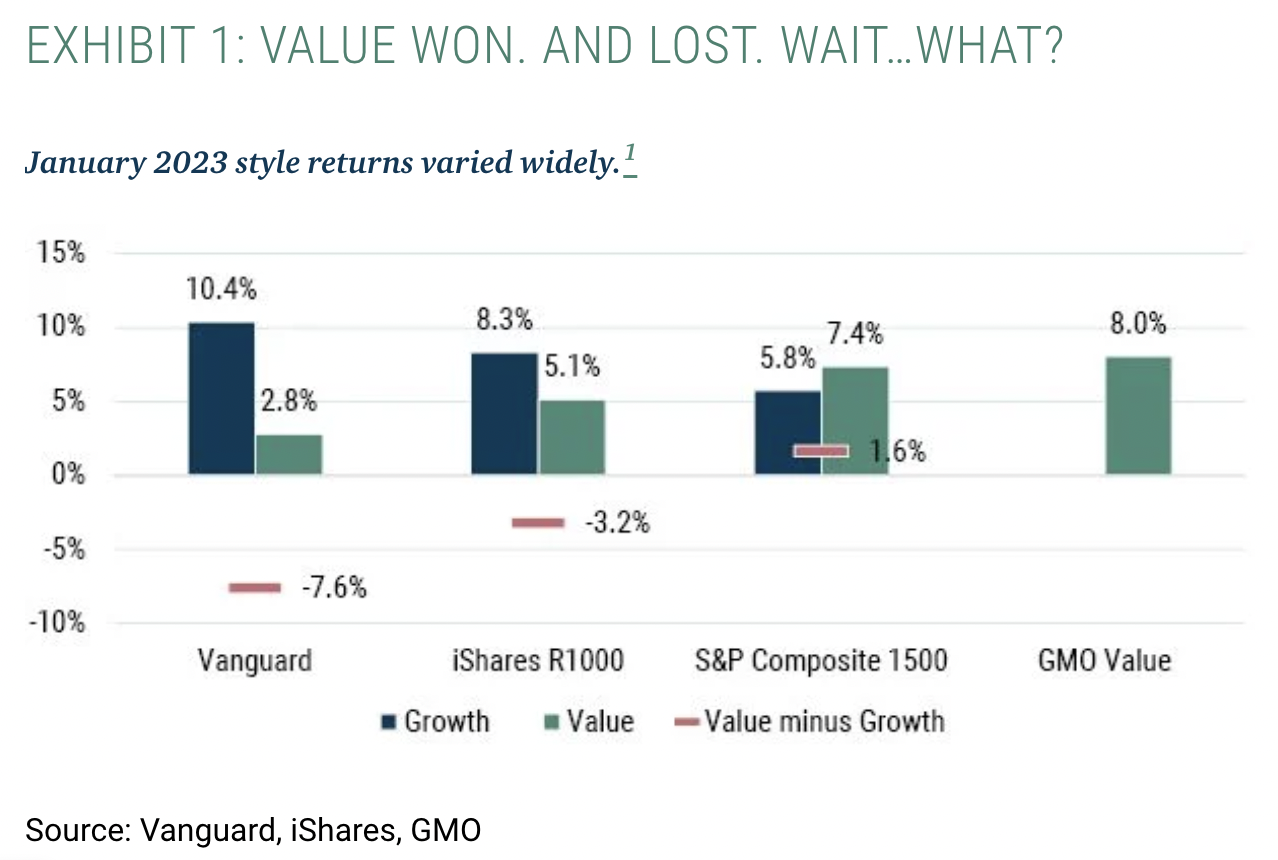
After a bruising 2022 for equities globally, Value stocks in the U.S. have become attractive in an absolute sense and worthy of inclusion in one’s portfolio.
The aftermarket auto parts industry has been dominated by fast-growing growth stocks O’Reilly automotive and AutoZone.
The stakes in the race for generative AI are rising.
Count on crypto fans to jump on any burgeoning trend as fast as they can.
Federal Reserve officials stressed the need to keep raising interest rates, including the potential for borrowing costs to peak at a higher level than previously expected amid ongoing price pressures.
Money managers have cut $300 billion of bearish bets and are now positioned more in line with historic norms — robbing the market of pent-up demand just as the Federal Reserve warns its inflation-fighting battle is far from over.
Despite the current rally in risk assets that includes US equities, we believe caution remains warranted.
Read Michael Contopoulos' latest report highlighting opportunities outside of Investment Grade corporate bonds and why one does not need to own credit to generate income at the moment.
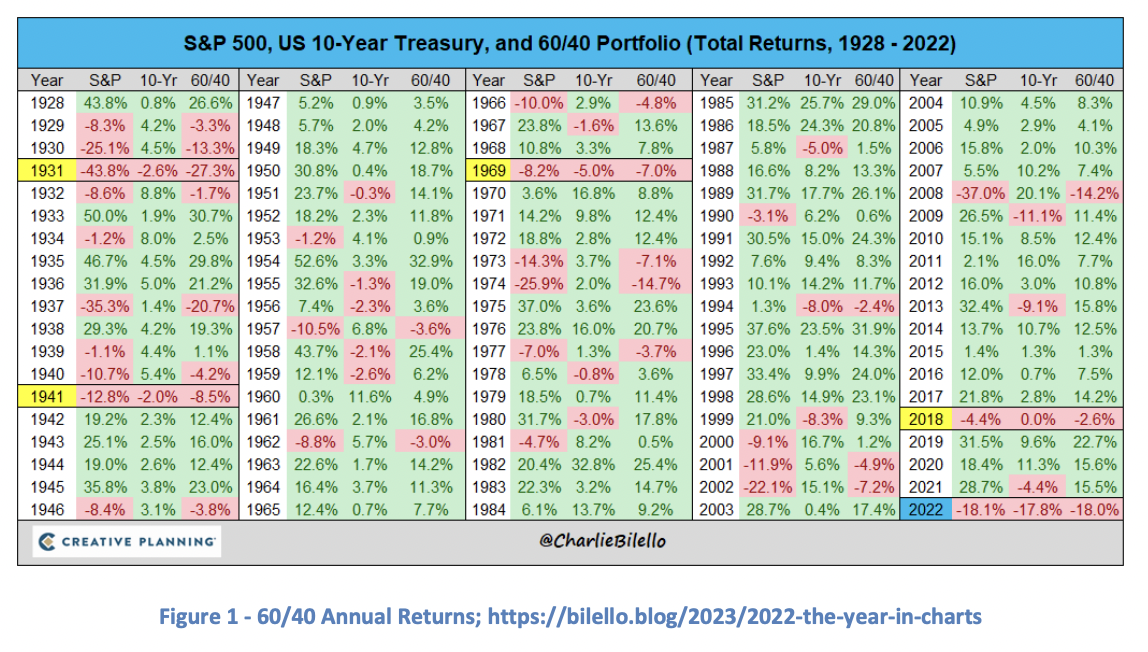
Last year, 2022, the 10-year bond yield rose 225 basis points, delivering record losses to bond investors. Equities were not much better, as the S&P lost 18.11% of its value. But this year has been different. The 10-year yield is down 27 basis points, and the S&P 500 is up 6.08%. Here to discuss whether those rallies in stocks and bonds will continue, and how advisors can protect portfolios from the volatility that we saw last year is Tim Urbanowicz.
Stocks lower as investors digest data, Fed commentary.
This year’s surge in technology stocks has been especially pronounced in the riskiest corners of the market, suggesting to some skeptics the potential for a swift reversal.
Microsoft Corp. showed off plans to use new tools from startup OpenAI to improve its little-used internet search and browsing services, seeking to gain ground against market leader Google by being first to offer conversational responses powered by artificial intelligence.
The triumphant comeback of quant-investing strategies on Wall Street is suddenly on shaky ground as virtually all of 2022’s hottest market trends get derailed in the new year.
With the new year in its infancy, it may be too early to think about where to spend Thanksgiving or booking your car’s fall tune-up.
US workers are clearly feeling the strain of economic uncertainty, according to Franklin Templeton’s third annual “Voice of the American Worker” study.
Surveying your clients and prospects is essential, especially as we continue to confront a major shift in how we live our lives.
I want to know how well I am doing and what I need to modify.
I am often asked by advisors who are RIAs or are considering the model how they should explain that choice to their clients.
“Geopolitical recession” doesn’t exist as a defined term. But it should, according to Ian Bremmer. If relations among global powers were framed in economic terms, we would be in the “bust” phase of the business cycle, he said.
ETF Prime Host Nate Geraci is joined by VettaFi's Lara Crigger and Dave Nadig, along with Bloomberg's Eric Balchunas, to recap the ETF event of the year.
Investors should be aware of potential real-time market exposure risks when implementing large changes to their portfolios.
The world should end this season with its first sugar surplus in four years, but you wouldn’t know it from how prices have surged.
The world’s largest publicly-traded hedge fund is bracing for a selloff in emerging markets, a view that pits it against bulls at some of Wall Street’s biggest investment banks.
Music-loving investors may soon be able to bet on their favorite melodies as a new entertainment-focused exchange-traded fund edges closer to reality.
How do you visualize the organizational structure that best leverages the strengths of your staff and puts you on a path for fast, profitable growth?
Northern Trust Asset Management (NTAM) is a leading global investment manager with $1 trillion in assets under management. It released “The Risk Report” late last year, which is an aggregated analysis of 280 institutional equity portfolios across the globe. The report revealed six common drivers of unintended investment results. As an investment manager that employs a quantitative risk-aware approach, NTAM regularly partners with investors and their consultants to provide them with a distinct analysis of underlying risk components impacting their portfolios’ ability to achieve intended outcomes. Of utmost importance to our Advisor Perspectives listeners and readers, the findings of the research are as applicable to portfolios managed by advisors for individual investors as they are to institutional investors. NTAM does indeed serve individual advisors through a number of offerings, including Northern Mutual Funds, FlexShares ETFs, and Diversified Strategist model portfolios. NTAM’s purpose in conducting the research behind the Risk Report was to help investors make needed adjustments consistent with NTAM’s core philosophy, which is that investors should get paid for the risks they take – in all market environments and in any investment strategy.
Ignoring the Federal Reserve’s determination to keep raising rates and hold them there is a wildly profitable trade on Wall Street right now. It’s trying to swim against the rising market that carries risks.
Three straight days of gains are giving hope to embattled dollar bulls who are looking to a slew of Federal Reserve speakers and rising US-China tensions to extend a nascent rebound.
The US is preparing to slap a 200% tariff on Russian-made aluminum as soon as this week to keep pressure on Moscow as the one-year anniversary of the invasion of Ukraine nears, according to people familiar with the situation.
Cash flows into US sustainable funds plummeted last year as the broader market took a beating and anti-ESG crusaders targeted money managers including BlackRock Inc. for “woke capitalism.”
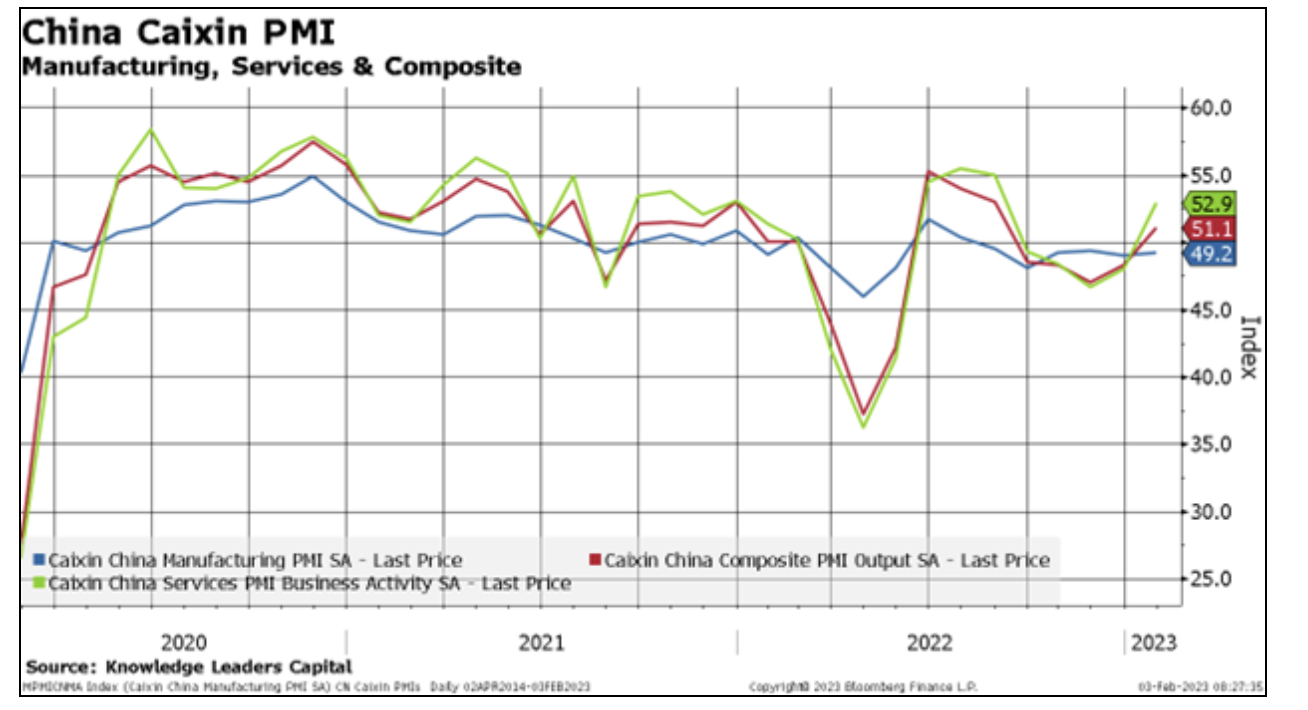
With Caixin China PMI numbers today broadly confirming Monday’s official CCP data, the outlook for China and its neighbors remains bright.