The latest IMF reports shows the mounting risks facing emerging markets.
The fiercest adversary of investing based on environmental, social and governance (ESG) is Aswath Damodaran. ESG is a failure, its advocates are to blame, and the concept should be retired, according to Damodaran.
How do you go from the theoretical to the practical? What AI tools can you use that will streamline and improve your processes?
JPMorgan has unseated itself for the title of largest actively managed exchange-traded fund in the $7 trillion arena.
The startup world has had a tough year — plagued by mass layoffs, plummeting venture capital investment and the chaotic collapse of Silicon Valley Bank. But many in tech believe that the worst is yet to come.
Alphabet Inc.’s Google has consolidated its artificial intelligence research groups into one unit, the company’s latest move to keep from falling behind in the AI race.
The disruption in office real estate is outlasting the term on its loans.
VettaFi’s Tom Lydon discusses recent advisor polling data on everything from 60/40 portfolio returns to active ETFs. Sprott’s John Ciampaglia spotlights their lineup of energy transition ETFs, including the first-ever nickel miners ETF. Horizon’s Scott Ladner explains the process behind their ETF-centric, goals-based model portfolios.
How can advisors ensure that clients will keep their assets with you?
I reviewed some advisor websites and I was confused by their value propositions.
Hedge funds are betting on higher Treasury yields in a market that’s divided over whether the US economy can avoid recession and Federal Reserve interest-rate cuts.
As Microsoft Corp., Alphabet Inc., and — now — Amazon.com Inc. blaze ahead in the race to deploy advanced chatbots like ChatGPT, one rival remains nowhere to be seen. Apple Inc. may be biding its time for the technology to mature...
If the US ceases to be the world’s economic leader, it can only blame itself.
In spite of weakness in some economic data, problems in the banking sector, and much higher interest rates, real GDP in the first quarter will almost certainly show moderate growth.
Pricing power and profit margins showed signs of stabilizing in the first quarter. But a survey of Loomis Sayles’ credit analysts leads us to believe the bottom in corporate fundamentals is yet to come.
Investors are losing their ability to resist a stock rally that much of Wall Street is convinced is doomed.
Sometimes when volatility jolts financial markets, the safest trades can quickly morph into dangerous bets.
Back before clocks went digital, you could say “a stopped clock is right twice a day” and even youngsters would know what you meant. A mechanism could be nonfunctional but occasionally correct.
Chinese economic data blew expectations out of the water this week, reflecting a strong comeback for the Asian giant as it finally emerges from the world’s most restrictive pandemic-era lockdown.
Former Treasury Secretary Lawrence Summers rejected speculation that the dollar is rapidly losing its dominance in the global economy, and highlighted China’s detractions in providing an alternative reserve currency.
China’s economy has turned the corner, and is on a path towards a gradual, domestic demand-driven recovery. Andy Rothman outlines the reasons why China’s recovery is likely to be sustainable.
ChatGPT is the fastest growing app of all time, gaining more than 100 million users just two months after its launch in November. It allows users to have human-like conversations that include reasonable-sounding and often correct answers to all sorts of questions. Like humans, it can ask for more information and explain reasoning.
Big Tech earnings next week will offer investors a dose of reality following this year’s impressive gains in the sector that were powered by hype over artificial intelligence.
Can central banks simultaneously provide liquidity to banks suffering sharp deposit withdrawals while also slowing money and credit creation by raising interest rates? In essence, can central banks quantitatively tighten and quantitatively ease at the same time?
Corporate bond investors may be wondering if banking sector turmoil will affect financial institution bond issuers. Here's what to know now.
Many investors, including my clients, have been worried about their Schwab account safety. Are they right to be worried?
Bitcoin’s dominant showing in 2023 is leaving exchange-traded fund investors divided on what’s next for the world’s biggest cryptocurrency.
Despite continued geopolitical events and a potential banking crisis, markets remained focused on the economy and central banks’ attempts to control inflation.
Consisting of 60% stocks/40% bonds, this classic investment portfolio has historically been a trusted way to generate returns and diversify investor portfolios. However, we believe the 60/40 allocation may now be working against investors.
Procter & Gamble Co. and its peers have vowed to recapture profit margins that slipped during the pandemic. Now, investors are getting a chance to gauge their progress.
This year’s top US bond managers agree that Federal Reserve interest-rate cuts are inevitable this year. The main debate they see is how deep the economic pain gets.
This week as regional banks start reporting earnings we will get a better look at the lasting effects of the bank crisis kicked off by the failure of Silicon Valley Bank last month. Looking at recent earnings forecast revisions, regional banks appear particularly exposed to short- and longer-term headwinds.
Homebuilders continue to finish homes faster than they’re starting new ones. Improved supply chains are allowing them to work through backlogs built up during the pandemic when they couldn’t keep up with demand.
The value style is in the early stages of what Mutual Series believes could be a multi-year outperformance relative to growth.
My guest today, Harin de Silva, is one of the leaders of the quantitative investing community and the winner of several Graham Dodd Awards for institutional research. He is a member of the Q Group and a pioneer in factor investing.
Your prospect is not an expert and has no ability to judge whether you’re right for them based on the information you provide about their finances.
Start me up! This iconic Rolling Stones song keeps racing through our minds as we glance across the investing landscape. Why? Because it feels like the drivers of this turbulent market – Federal Reserve (Fed) tightening, inflation, recession worries, geopolitical fears – will never stop.
Thanks to the recent banking crisis, the Fed’s “dual mandate” has taken on a new meaning. The increased economic uncertainty during the first quarter drove investors towards safer assets, boosting investment grade bonds.
Many advisors want to write or have an idea for a book stuck between their ears. They’re waiting for the time and inspiration to get it down on paper. So let me tell you a secret.
We are at the start of the period when companies release their results for the first quarter of 2023, known as earnings season. With everything going on—inflation, rate hikes, a labor shortage, the weakness of the dollar, a pending recession, the list goes on and on...
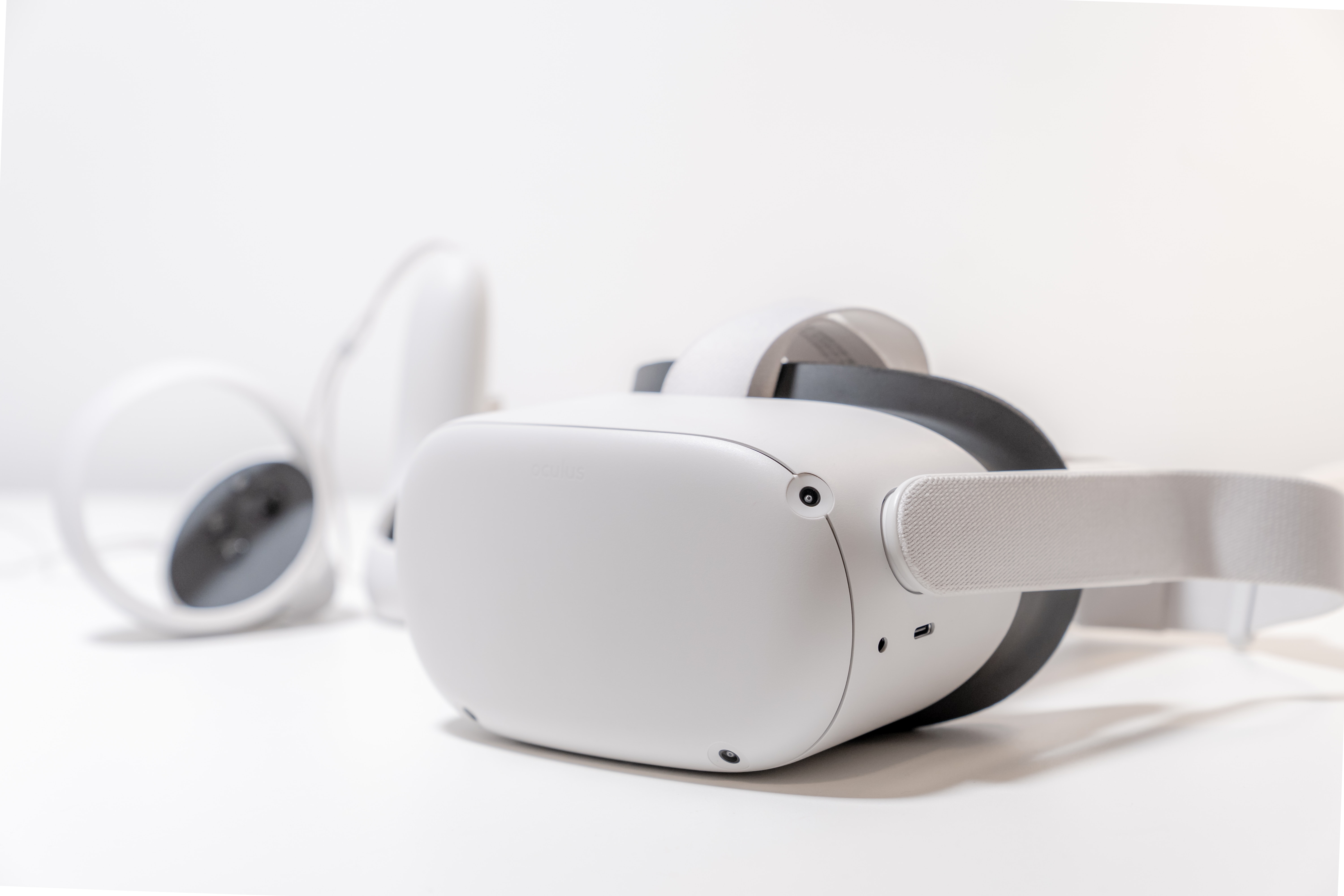
Apple Inc. is racing to build a trove of software and services for its upcoming mixed-reality headset, seeking to win over potentially wary consumers with apps that use the device’s novel 3D interface.
There was a time when investors would send money into Cathie Wood’s funds even when they were struggling. This year, even as ARK Investment Management roars back, the flows are notable by their absence.
The first wave of academic research applying ChatGPT to the world of finance is arriving — and judging by early results, the hype of the past few months is justified.
Nexus or Icebreaker? Two competing ideas are jostling for attention, each promising to reshape the inefficiency-ridden landscape of moving money from one country to another. Instead of trying to choose between them, central banks ought to give both a shot.
Chat UX creates a natural-language interface to help us use software.
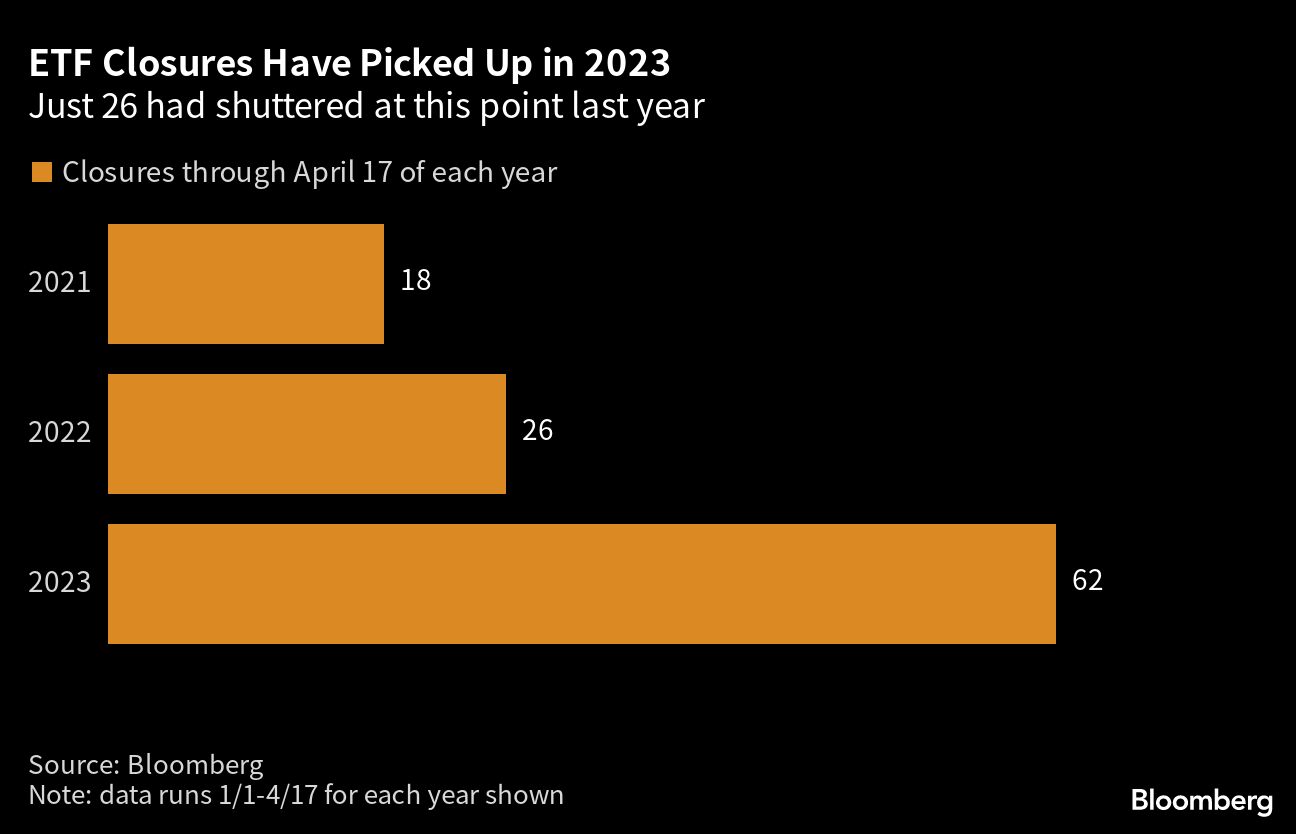
The pace of failures has more than doubled in the $7 trillion exchange-traded fund industry so far this year, as volatile markets and fierce competition put pressure on issuers.
Two brutal weeks for banks have mostly scuttled hopes in markets that a US recession can be avoided. But a close read of the cross-asset landscape still finds investors unconvinced the stress portends a genuine financial crisis.
At the end of 2021, the Dow Jones Industrial Average closed at 36,338, and the career scoring total of LeBron James stood about 60 points lower…
Technology enhancements have increased the speed of panic.
VettaFi’s Roxanna Islam discusses the evolving Communication Services sector, along with ETFs covering the space. Hashdex’s Marcelo Sampaio explains the first 1933 Act bitcoin futures ETF (DEFI) and offers perspective on the future of crypto. Amplify ETFs’ Christian Magoon spotlights several ETFs including the Amplify CWP Enhanced Dividend Income ETF (DIVO).