The semiconductor cycle is dead, long live the super cycle!
War, inflation, rising rates, banking chaos, and recession are among the challenges facing markets. Investors must balance these shorter-term risks with the long-term return prospects of equities.
Here are some practical tips for optimizing your social media presence as a financial advisor.
The two primary styles of dividend investing are growth and yield. In the latter, investors embrace stocks with what are deemed above-average yields — often from slower-growth sectors, such as utilities and real estate.
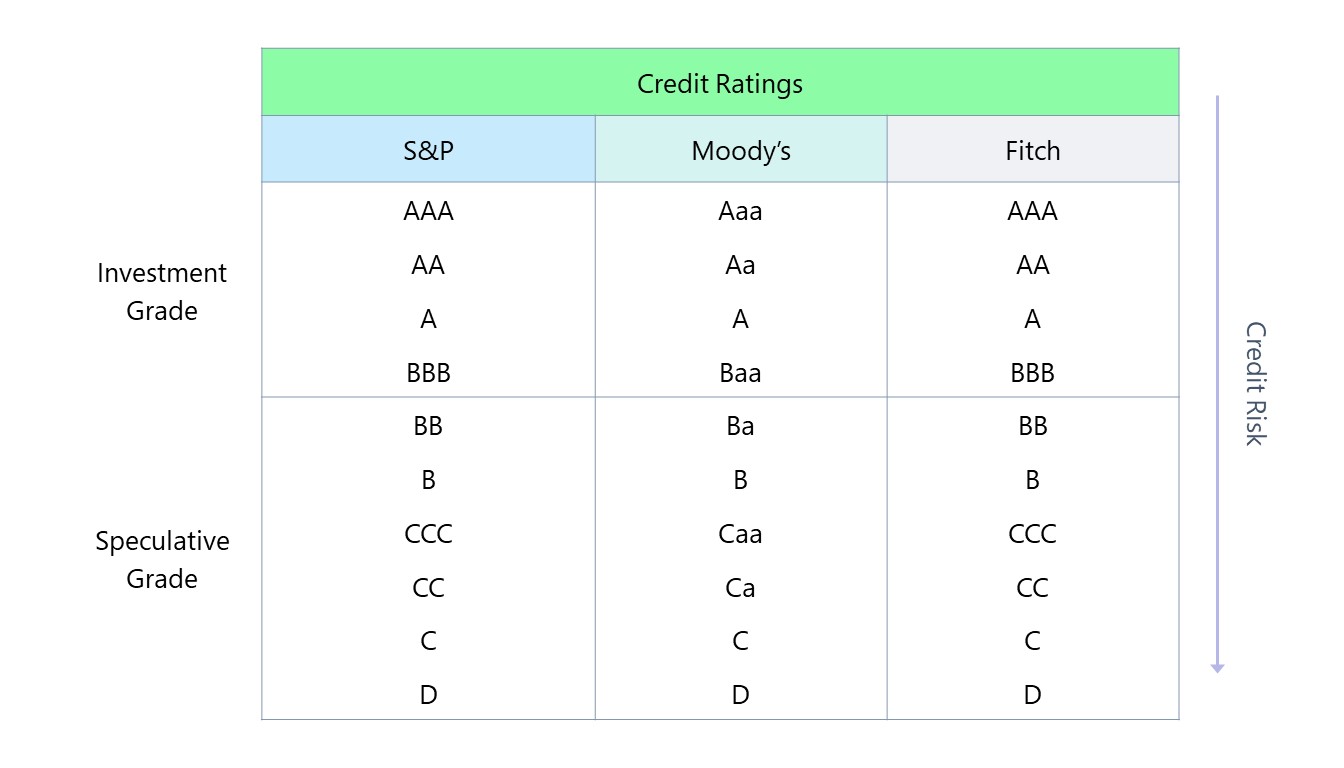
Investors should rely on the wisdom of crowds as expressed through bond yields, not credit rating agencies, to judge fixed-income credit risk.
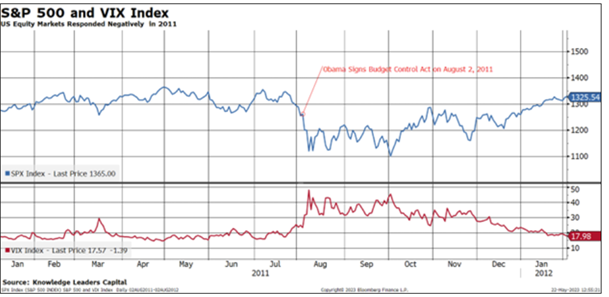
In 2011, markets were relatively flat during the year before Congress and the White House (temporarily) buried the hatchet with the passage of the Budget Control Act on August 2, 2011.
AI’s arrival will have an increasingly large impact on our lives. That includes investing and, especially, other aspects of financial planning.
Host Nate Geraci is back from Inside ETFs. VettaFi’s Todd Rosenbluth offers his thoughts on Nate’s key takeaways, which cover some of the industry's hottest trends.
To better understand the state of play, VettaFi’s financial futurist Dave Nadig met with Canopy founder Eric Golden for a discussion on crypto’s prospects.
The most famous “Hail Mary” in American football history happened in 1984. On the very last play of the Boston College football game, an undersized quarterback named Doug Flutie threw a bomb into the end zone to teammate Gerald Whelan. Boston College had won the game!
Microsoft Corp. is bringing its Bing search engine to OpenAI Inc.’s ChatGPT, further tightening ties with the artificial intelligence startup in a bid to challenge Google.
One of the advantages of exchange-traded funds (ETFs) compared to other investment vehicles is their relative liquidity. But what is liquidity for an ETF? How does that liquidity actually give ETF investors the upper hand, compared to other assets?
Here are a few strategies to ease the change-management process, bringing advisors of every age and background onto the right path toward adoption.
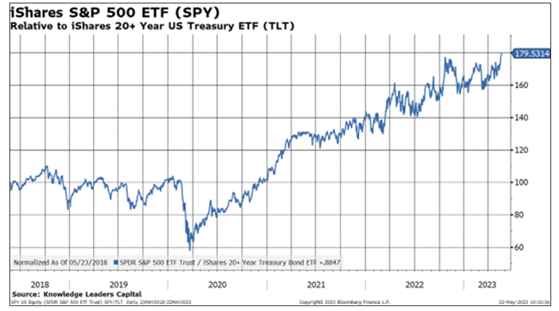
One metric I look at fairly often for various countries is the relationship between the performance of stocks vs. bonds. The idea is straightforward enough: when stocks are outperforming bonds, it tends to be associated with a growing economy.
Both domestic and external forces may limit China's growth prospects.
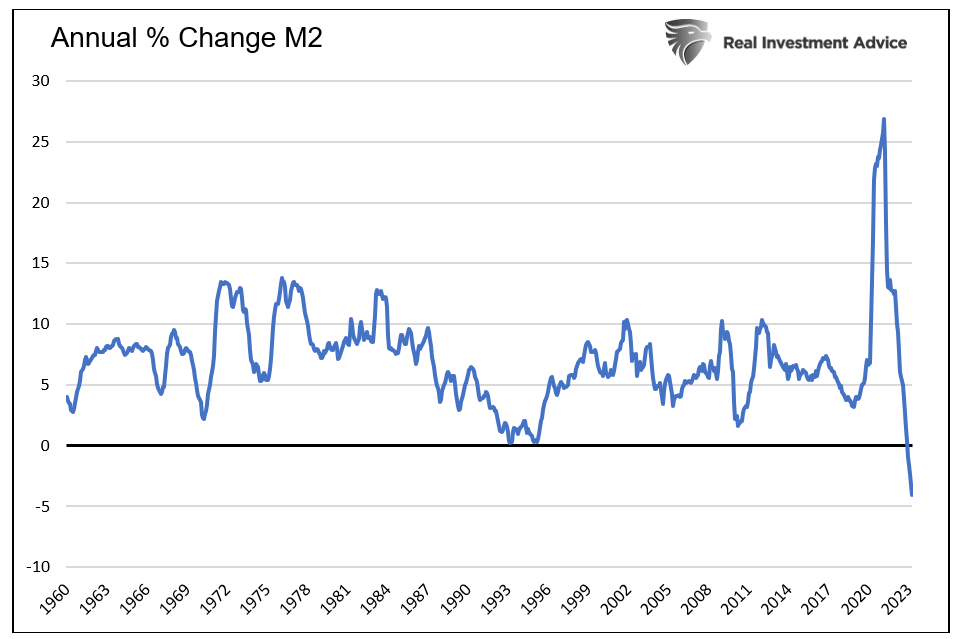
The Fed failed to recognize the danger of its loose monetary policy in 2021. We are seeing its pernicious effect, as the money supply and velocity combined to inflict non-transitory inflation.
Bond-market titans BlackRock Inc., Pacific Investment Management Co. and Vanguard Group Inc. are warning that recent violent swings in US Treasuries are only the beginning of a new era of volatility that’s here to stay until central banks conquer inflation.
Diversification is a cornerstone of thoughtful, long-term focused investing. Incorporating assets and asset classes that don’t always move in tandem – that is, their returns aren’t strongly correlated – can help temper stock and bond market risk.
Several key economic indicators are released every week to help provide insight into the overall health of the U.S. economy. Policymakers and advisors closely monitor these indicators to understand the direction of interest rates.
Tax-loss harvesting is one of the direct indexing’s biggest benefits. The automation that direct indexing provides greatly increases the strategy’s potential benefits.
Here’s a quick guide to avoiding the trap of micromanagement and promoting productivity, innovation, and employee satisfaction.
The worst may be over for residential investment.
Many investors view real estate as an attractive long-term investment opportunity that plays an important role in portfolio diversification. With that in mind, Columbia Threadneedle Investments recently announced the expansion of its exchange-traded fund offerings with the launch of the Columbia Research Enhanced Real Estate ETF (Ticker: CRED). The fund offers investors and allocators an accessible, research-driven way to gain exposure to the real estate asset class. REITS have a history of low correlations and attractive long-term returns and have a strong historical performance record in high inflation. According to a recent Columbia Threadneedle survey, 93% of financial advisors plan to maintain or increase their real estate allocations over the next 12 to 24 months.
The distinction between futures-based ETFs and crypto equity ETFs is clear when you look closely at the two. But even when examining them closely, it may be difficult to distinguish between the different types of blockchain/crypto equity ETFs because of similarities with fintech, metaverse, and Web3 concepts.
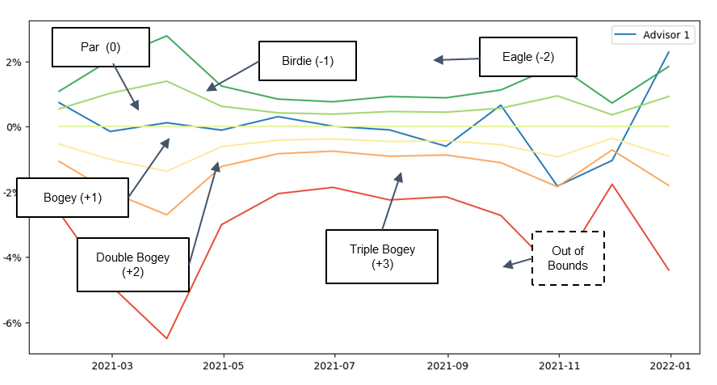
We propose a golf-inspired advisor assessment framework with a scorecard, fairway average and handicap as performance measures to quantitatively assess an advisors’ investment performance.
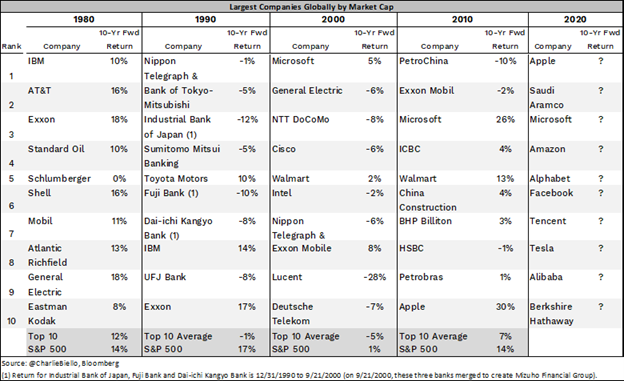
No piece of technology is more crucial than the microchip. Its supply was central to the cause of the post-COVID-19 inflation, and the stability of the U.S.-China relationship hinges on its manufacture.
Investors are planning to ramp up bets in emerging markets, according to the latest Markets Live Pulse survey — a sign the asset class is becoming a favorite for those wary of a US recession.
What generally follows that expression is a succinct synopsis. We’re always trying to be concise; however, distilling complex economic and investment matters usually requires several pages.
Macroeconomic uncertainty presents new challenges for investors who are saving for long-term goals like retirement. Inflation can diminish the ability to save today and the value of those savings tomorrow.
We often talk about technology’s influence on the economy. After the Strategic Investment Conference, though, I’ve decided that isn’t strong enough. It’s more correct to say technology is the economy.
Although attendance was down this year compared to last—mostly because Bitcoin’s price is still off its record high of approximately $69,000, set in November 2021—there was nevertheless an impressive turnout of investors of all ages, industry leaders, policymakers and more.
Factor investing has seen increased popularity in the US. Investors may also want to consider increasing their opportunity set by considering factors abroad.
Investors aren’t likely to see a Bitcoin-spot exchange-traded fund offered in the US anytime soon, according to VanEck Chief Executive Officer Jan Van Eck.
Deep in the bowels of Wall Street, there’s a surprisingly successful counterfeiting operation underway: The world’s largest banks have created a booming business churning out imitation quant trades.
Here’s what we learned in earnings season about how companies are coping with a particularly tricky set of macroeconomic conditions.
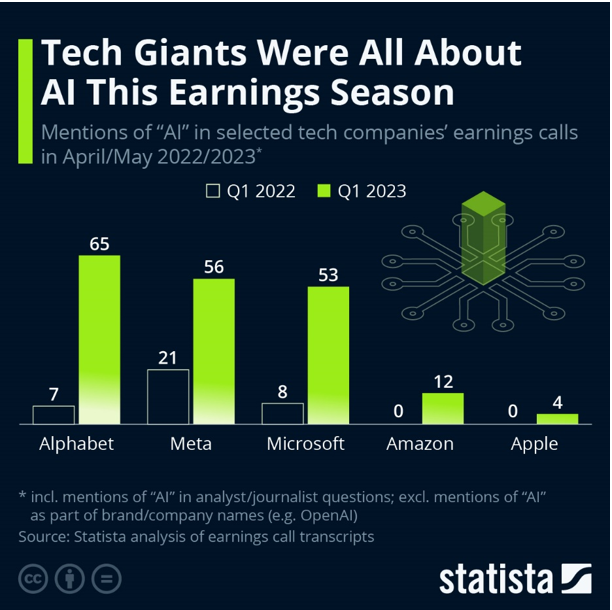
Artificial Intelligence (AI) is a key pillar of the digital transformation theme, which is driving significant disruption and spurring new growth. Grant Bowers, portfolio manager with Franklin Equity Group, offers a unique perspective of the challenges and benefits of this evolving and disruptive technology.
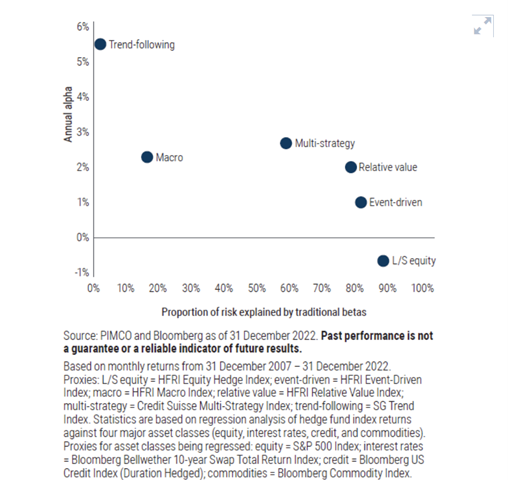
An in-depth analysis of hedge fund performance demonstrates that, over the past 15 years, lower-beta hedge fund styles have generally achieved higher alpha, aligning with investors' objectives of maximizing returns and diversification.
For this edition of Bull vs. Bear, James Comtois, and Elle Caruso discussed the pros and cons of using single-stock ETFs to express opinions on stock earnings.
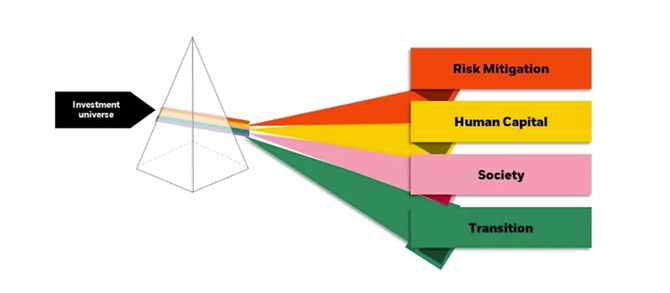
The view by many is that sustainable investing is concessionary in that financial results are forgone in order to achieve sustainable outcomes. Our historical analysis shows that this assertion isn’t true and that unique ESG data can be predictors of company results.
The Northern Trust Economics team shares its outlook for U.S. growth, employment, interest rates, and inflation.
Tencent Holdings Ltd. posted its fastest pace of revenue growth in more than a year but earnings missed estimates, reflecting an uneven internet sector recovery during China’s post-pandemic reopening.
Investor indifference to the threat of a prolonged debt-ceiling impasse has left a handful of tail-risk strategies almost too cheap to pass up.
The CBOE Volatility Index (VIX) is down about 26% for the year, but investors shouldn’t assume there won’t be market fluctuations ahead, especially with quantitative traders increasing their activity as of late.
VettaFi’s vice chairman Tom Lydon discussed the Global X Russell 2000 Covered Call ETF (RYLD) on this week’s “ETF of the Week” podcast with Chuck Jaffe of “Money Life.”
BNY Mellon Investment Management recently launched its latest suite of thematic ETFs, including the BNY Mellon Innovators ETF. It is managed by John Porter, who joins us today to discuss the ETF, what it means to invest in innovation, and why thematics.
The BNY Mellon Innovators ETF was created to support innovation across a wide range of industries and sectors, not just technology. It invests in companies that can provide economic benefits, create new jobs, and improve the quality of life for people worldwide. John’s broad definition of innovation is unique and we’re here to discuss more about the strategy with him.
The paradox that this marriage potential created at the college was that the odds are good, but the goods are odd. This is the statement that can be made for common stock investing today.
Alphabet Inc. is back in the game. The artificial intelligence game, that is.
The patent that’s given Vanguard Group an edge over competitors for the past 20 years — and helped its clients pull in more than $100 billion worth of additional investment gains — expired today.
Muni investors have more reasons for optimism than concern as California tackles a projected $31.5 billion budget deficit.
What's on the menu? Heading into a profits recession, there are many things to consider when building a portfolio. Here's a sneak peek at what we are serving up.