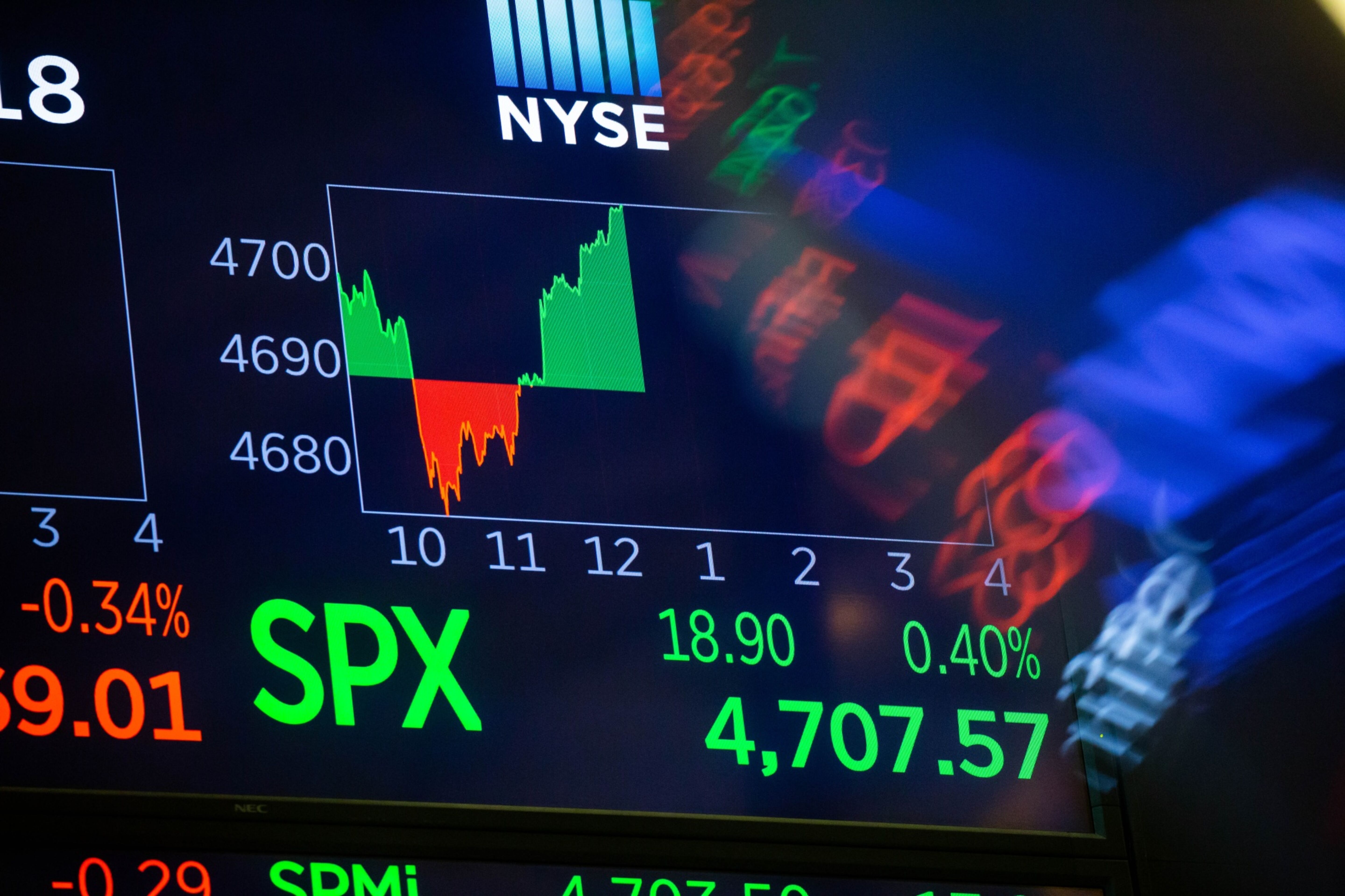
As that information presents itself, we may see a fair bit of market choppiness. This is why, even though the market’s monthly moves are fascinating and informative, they are far from instructive for a long-term investor.
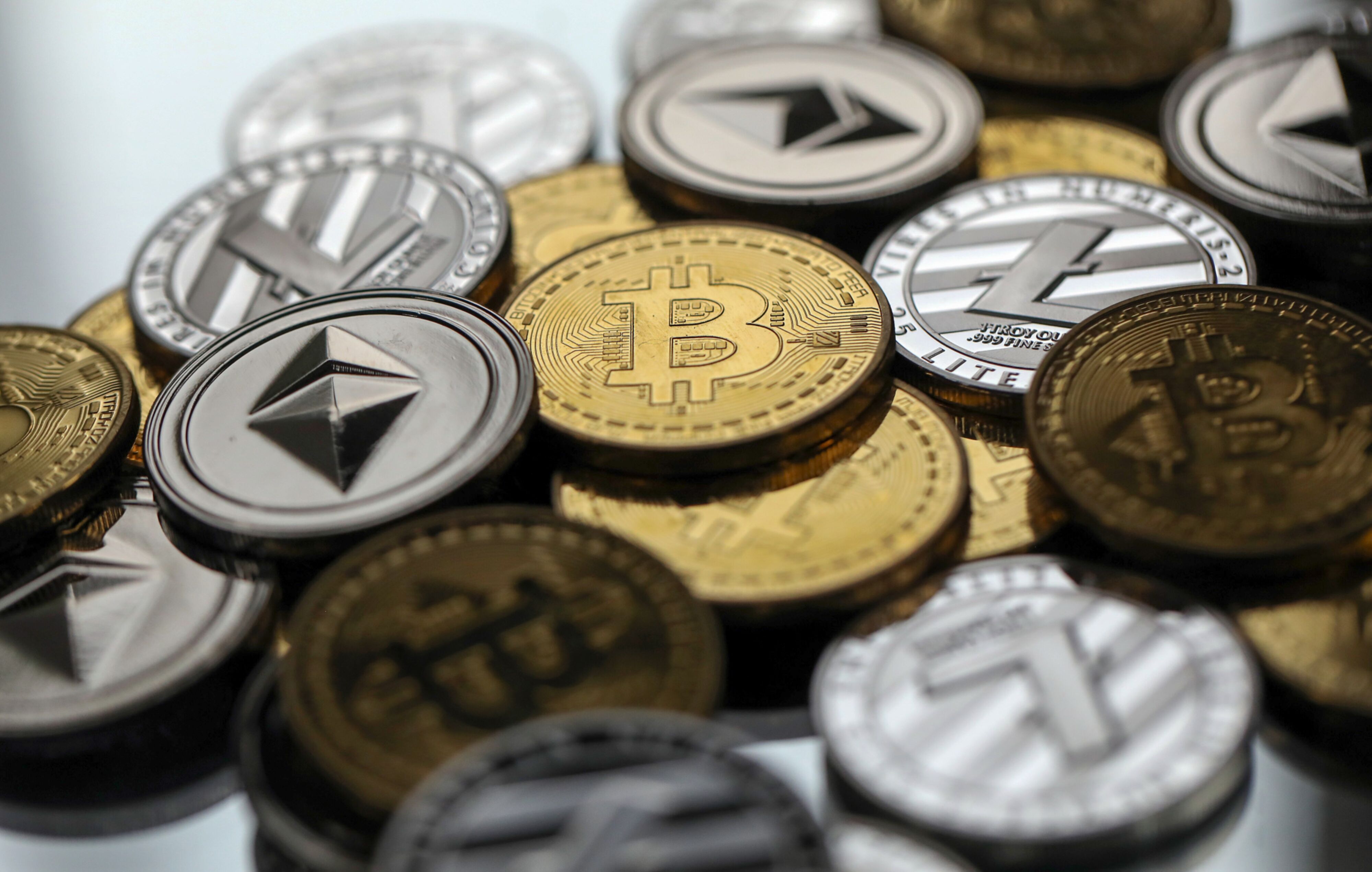
Franklin Templeton’s new digital assets primer provides in-depth information on these new concepts and terminologies. In this article, Sandy Kaul, Head of Digital Asset & Industry Advisory Services, summarizes each section in the primer.
Investors can use gold as part of a short-term strategy to hedge against volatility, inflation and weakness in the dollar. Over the long term, it can serve as a portfolio diversifier, providing uncorrelated returns.
BondBloxx Investment Management continues to grow at a rapid pace in a short time. The fixed income specialist has exceeded $2 billion in assets under management. The firm achieved this milestone shortly after reaching $1 billion in AUM in April.
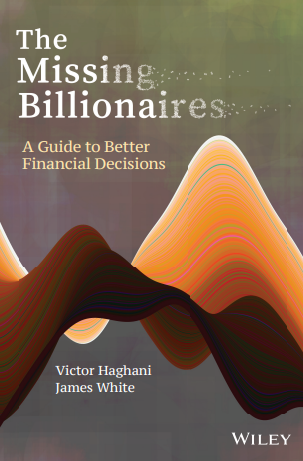
Today, not one Vanderbilt descendant can trace his or her wealth to the vast fortune Cornelius bequeathed.
Exchange-traded fund issuers are once again venturing into crypto territory that regulators had recently steered them away from.
Of all the signs out there that the US will manage to dodge a recession once deemed inevitable, perhaps none is more convincing than this: CEOs across the country are opting to reinvest more of their profits in expansion projects rather than handing the money back to shareholders.
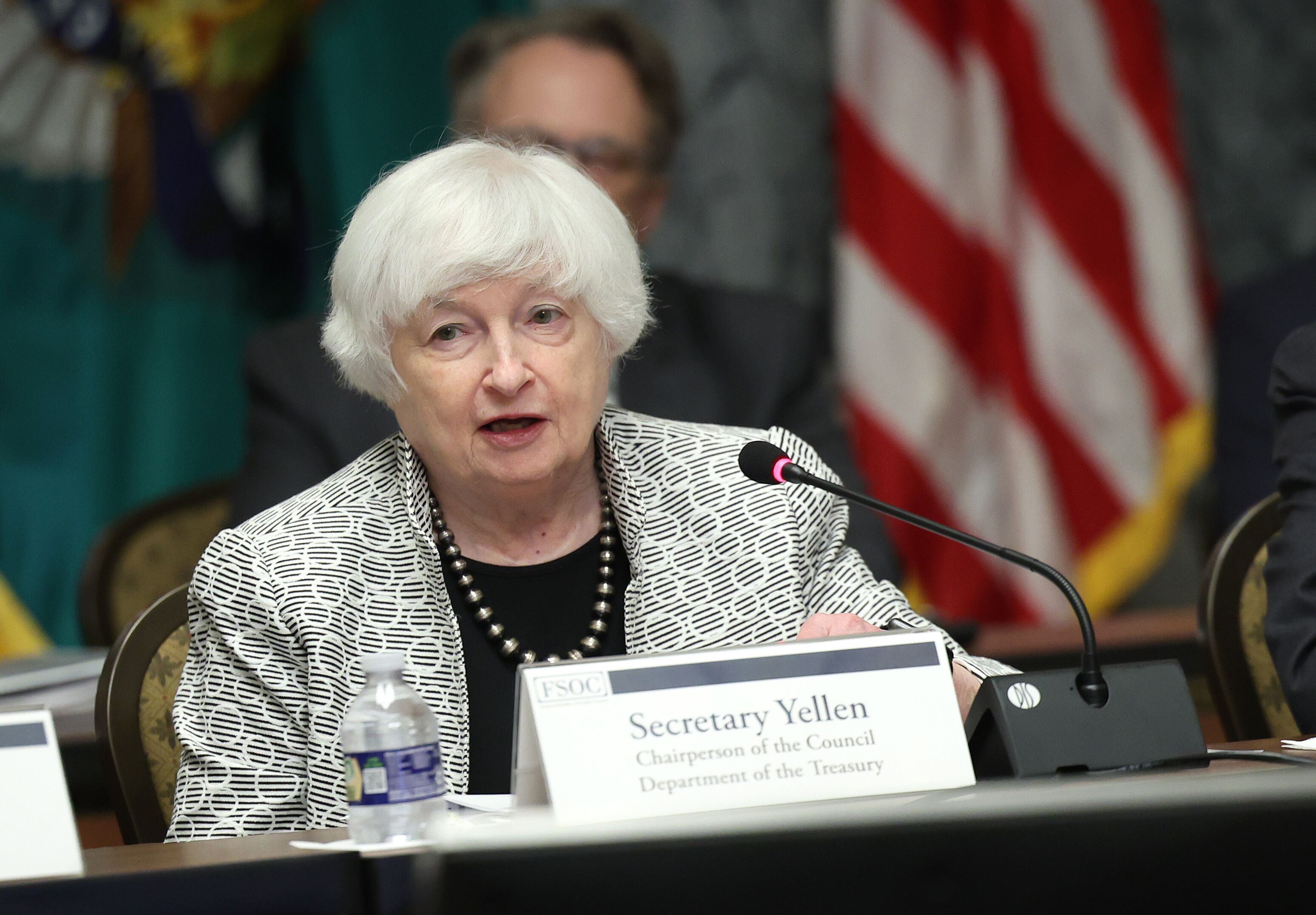
Treasury Secretary Janet Yellen on Wednesday slammed the move by Fitch Ratings to strip the US of its top-tier credit rating, calling it “flawed” and “entirely unwarranted.”
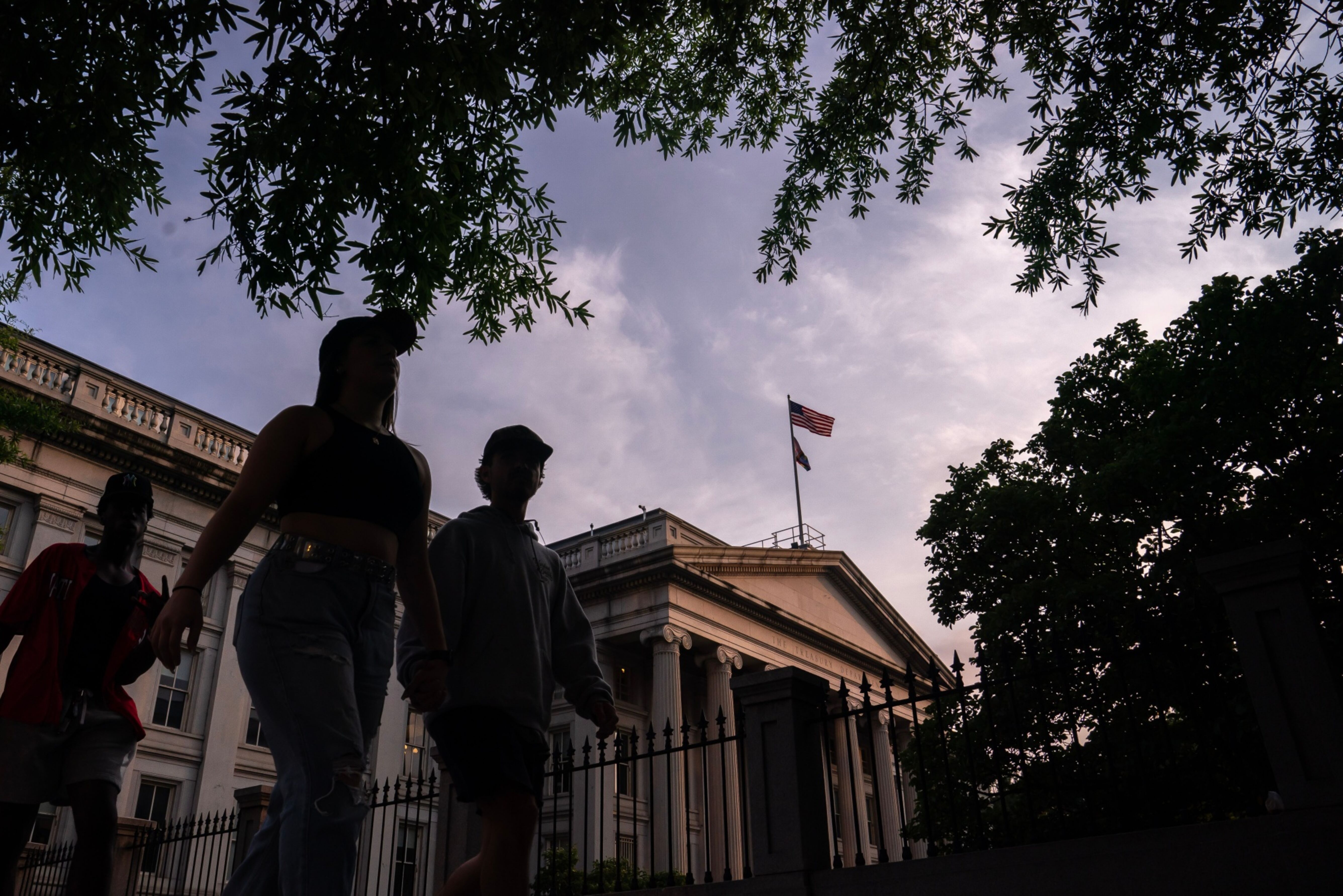
The US Treasury boosted the size of its quarterly bond sales for the first time in 2 1/2 years to help finance a surge in budget deficits so alarming it prompted Fitch Ratings to cut the government’s AAA credit rating a day earlier.
Markets posted a strong first quarter, though it was a rollercoaster ride. The path forward will likely stay turbulent, with bank turmoil likely tightening credit conditions and the Fed still wrestling with inflation.
During the past decade, a turnaround in the Golden State has resulted in higher credit quality for many issuers.
VettaFi’s vice chairman Tom Lydon discussed the ETF of the Week: WisdomTree US SmallCap Earnings Fund (EES) on this week’s “ETF of the Week” podcast with Chuck Jaffe of “Money Life.”
We think advisors and end clients should dig deeper than a fund’s expense ratio to understand the exposure provided. For example, while IEMG has exposure to South Korean stocks, SPEM is like VWO and does not own them.
Last week was Super Bowl week for economists, with fresh guidance from the Fed, ECB, BoJ, as well as data releases on GDP and inflation. The economic data fireworks show was set against a busy week of earnings data, which acted as garnishes to the main course of economic data.
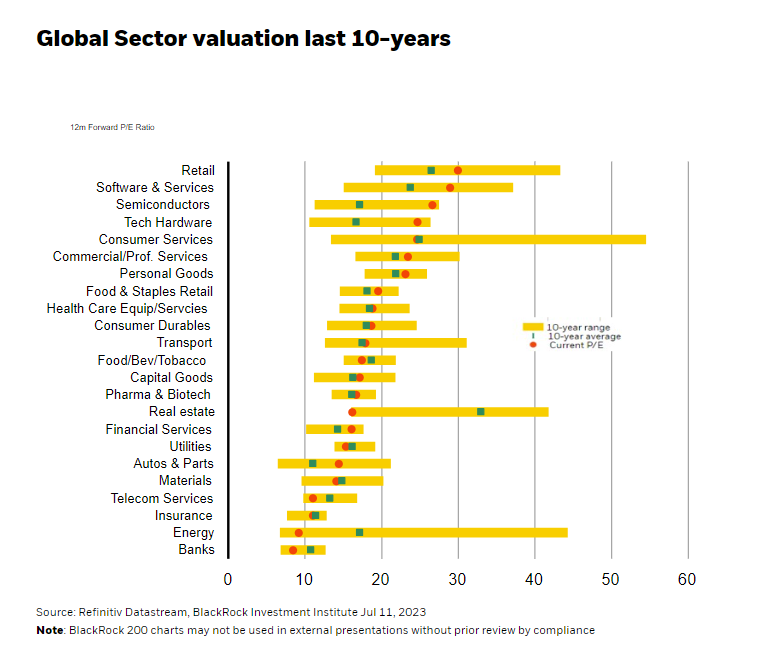
After a strong resurgence from last year’s bear market, the S&P 500 Index looks stretched. By at least one valuation measure, the leading gauge of the US stock market has rarely been more expensive during the past three decades.
The US Treasury boosted the size of its quarterly sale of longer-term debt for the first time in over 2 1/2 years, testing dealers’ appetites amid an increase in government borrowing needs so alarming it spurred Fitch Ratings to cut the US sovereign rating from AAA.
Energy/oil may have possibly broken out of a range in the low $70s (Brent Crude), which suggests we may have seen a bottom in energy sentiments/stock prices.
State Street Global Advisors is challenging larger exchange-traded fund rivals BlackRock Inc. and Vanguard Group Inc. with its latest round of fee cuts.
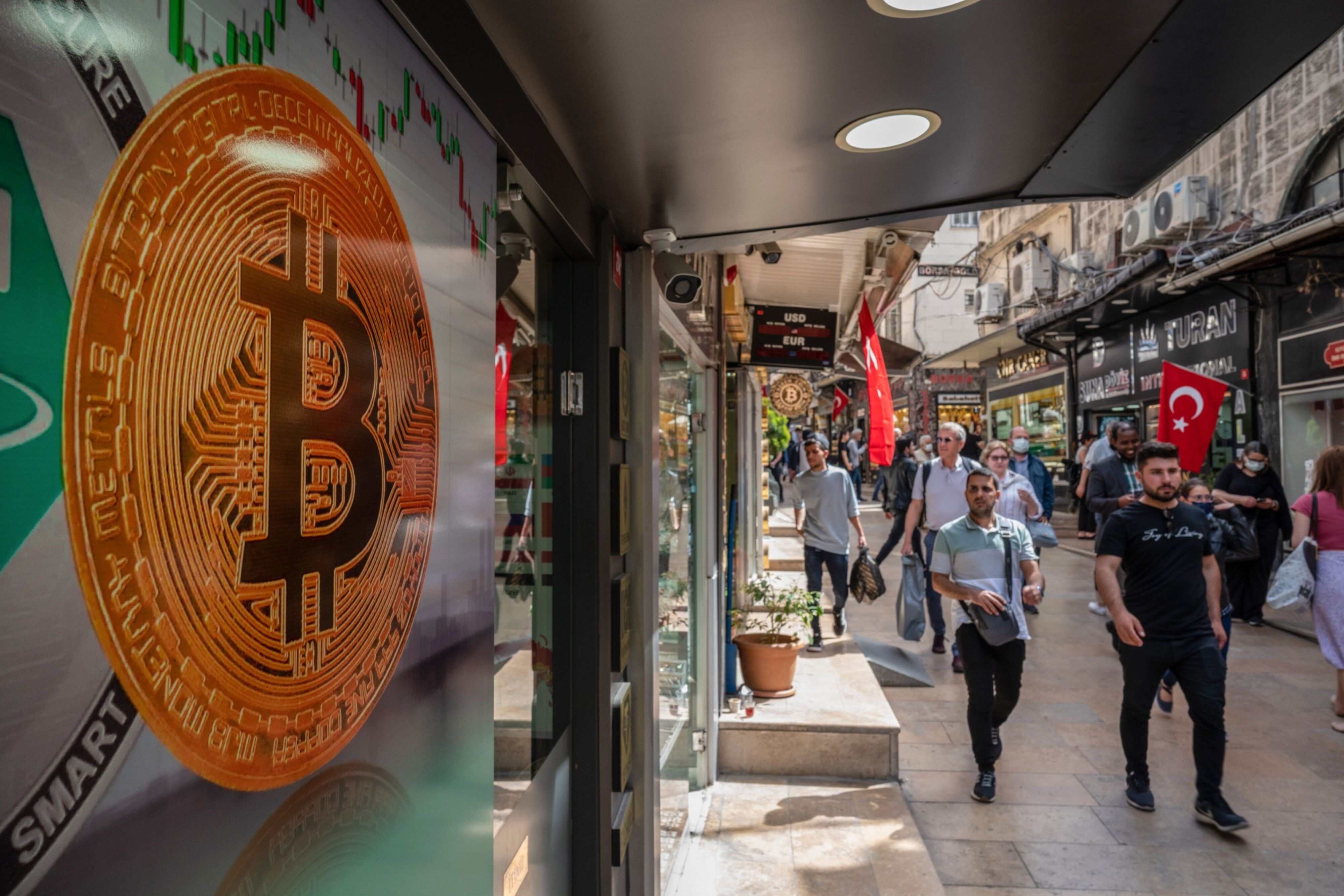
Bitcoin trading volume tumbled last month amid waning volatility and little notable price swings in a market that speculators traditionally gravitate to for its turbulence.
Is it vogue to be pessimistic about China’s economy? Andy Rothman explores.
Record-breaking heat waves dominate the news headlines, with 2023 shaping up to be one of, if not the hottest year on record. Extreme temperatures are shattering records across the U.S., Europe and in parts of Asia – not just on land, but also in the sea.
In a quarter filled with talk of potential Treasury default and the second largest bank failure in U.S. history, markets chose to look forward. This was a quarter of AI captivating markets.
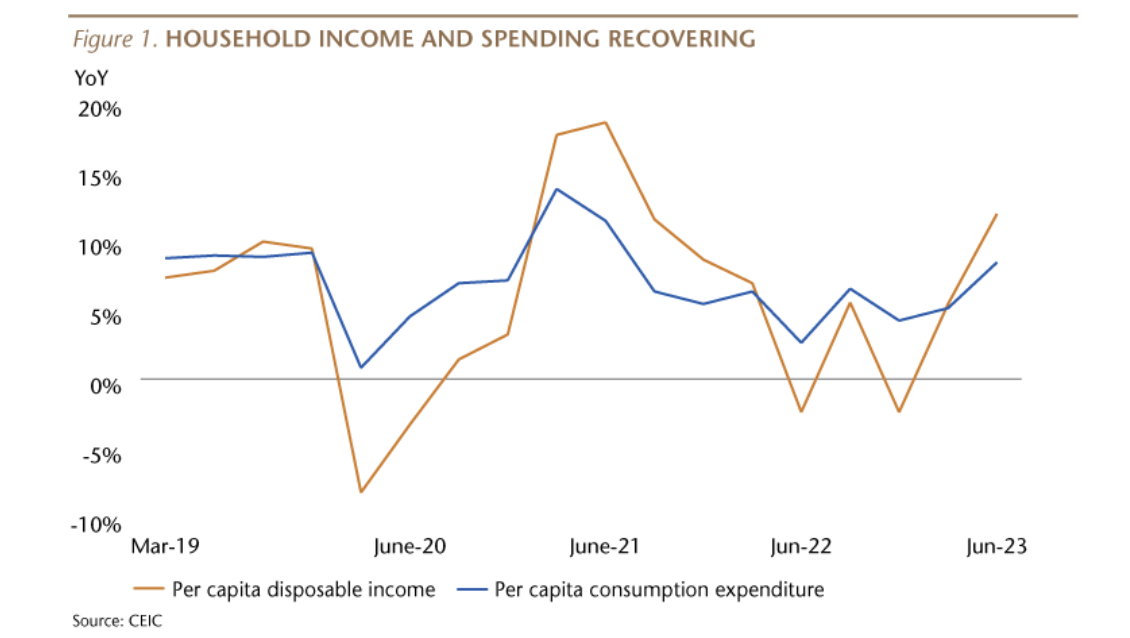
Over the past 18 months, high inflation drove rapid monetary policy tightening, which weighed heavily on consumer spending power and corporate margins. As inflationary pressures now abate, we see eventual improvement in both real incomes and profits, which should enhance prospects for multi-asset investors.
The current environment looks favorable for equity market neutral, global macro and insurance-linked securities, according to K2 Advisors. The team offers its mid-year outlook for these and other hedge fund strategies.
Talk of Goldilocks has taken hold in the markets, and with it the risk-taking allure of not-too-hot and not-too-cold investing conditions.
Dimensional Co-CEO Gerard O’Reilly discusses the firm nearing $100 billion in ETF assets and goes in-depth on their recent SEC application for ETF share class exemptive relief. VettaFi’s Lara Crigger covers several topics including Dimensional’s pursuit of the ETF share class structure, Grayscale’s recent letter to the SEC, and surprising new ETF launches. Sage Advisory’s Komson Silapachai outlines the firm’s approach to ETF-focused portfolio construction.
After a string of encouraging data, markets are displaying increasing optimism that the Federal Reserve might be done with its battle against inflation — and that the US will experience a rare “soft landing,” in which inflation falls back to 2% and the economy cools without dipping into recession.
There’s a shift in tone happening across Wall Street.
Oil exchange-traded funds posted their largest week of outflows for more than a year, led by a record withdrawal from the crude market’s biggest ETF.
Russ Koesterich CFA, JD, Managing Director, and Portfolio Manager discusses how improving economic expectations may suggest adding to cyclical areas of the market.
European equities have been attracting interest from U.S. investors who may be nervous about the future of domestic markets and looking to diversify by investing overseas. Two of the largest ETFs covering developed markets in Europe have pulled in billions in assets during 2023.
Families can meaningfully improve returns in the public equity markets by thinking thematically and extending the duration of their ideas.
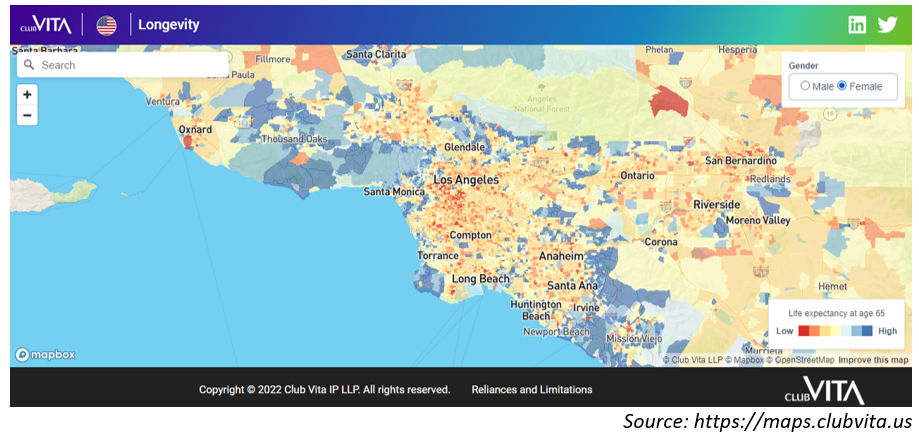
Many advisors are using longevity assumptions that are less conservative than they think.
When it comes to measuring the progress of Mark Zuckerberg’s metaverse, big numbers have been in short supply. Only 20 million of his Quest virtual reality headsets have sold since 2019.
With the Federal Reserve nearing the end of its most disruptive monetary-tightening campaign in a generation, a softening US dollar is poised to boost profit growth for nearly half of the companies in the S&P 500 Index over the next year.
US stock market traders are almost completely fearless now, which has some strategists bracing for a possible selloff.
Investors on Wall Street and beyond are betting that the great tech rally of 2023 has staying power, even as they appear skeptical that the artificial intelligence era will live up to the hype.
All the chatter back in December was that 2023 was to be the “year of the bond.” And for a brief moment or two in the winter, that call — and the economic doom and gloom that underpinned it — looked right.
As Bitcoin roars back after a year of crypto industry scandals and losses, Mike Novogratz says one man, in particular, gives him reason to stay bullish.
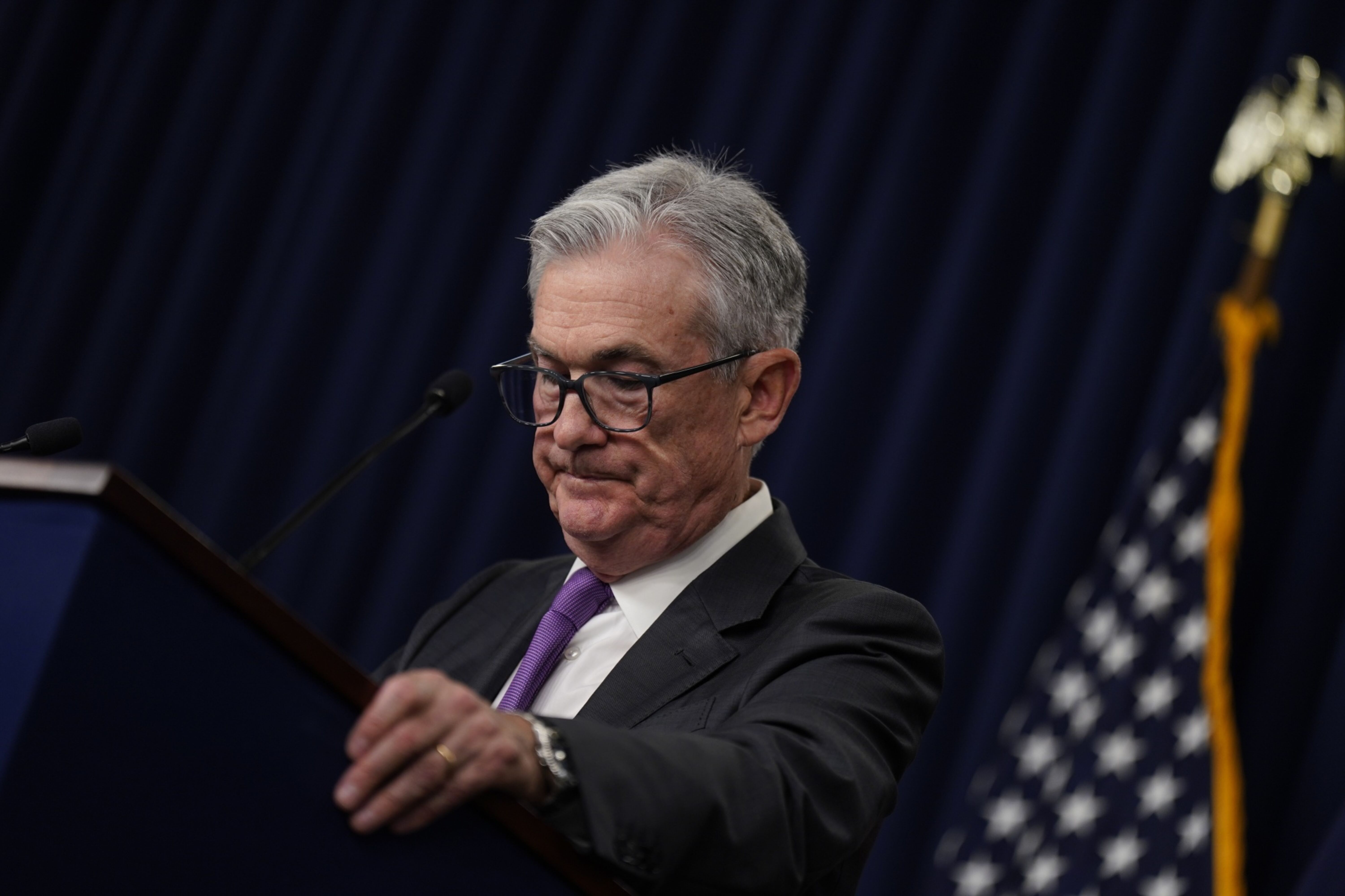
Federal Reserve Chair Jerome Powell on Wednesday appeared to give traders the positive signal they’ve been waiting for — that the central bank may finally be wrapping up its steepest interest-rate hikes since the early 1980s.
There is one incredibly potent tool that keeps employees engaged and productive.
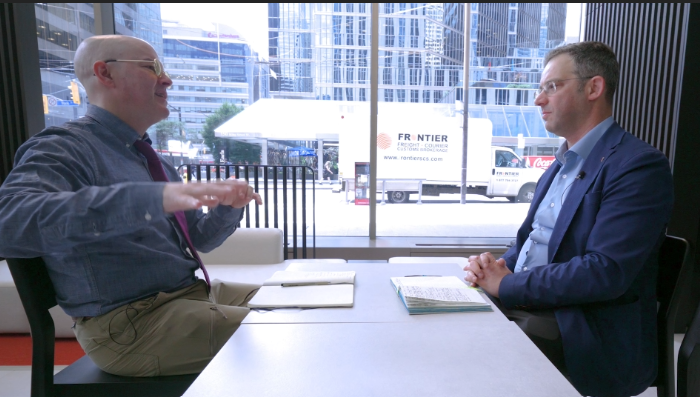
Home Bias, Yield Hunters & Thematics - The Canadian Perspective. A conversation with Dave Nadig, Financial Futurist at VettaFi and Daniel Straus, MD, ETF Research & Strategy at National Bank Financial.
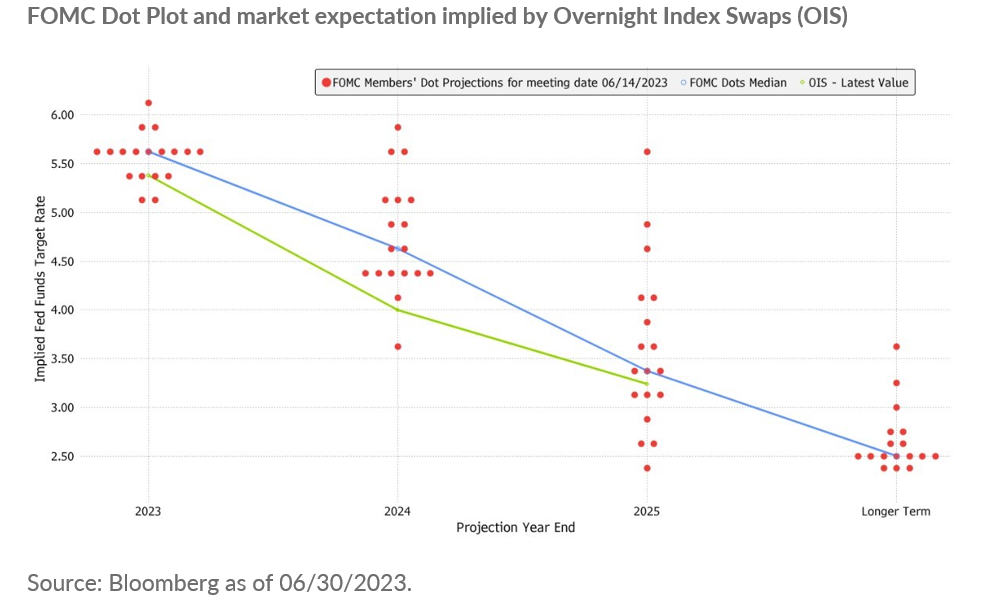
The Fed continued to signal a "meeting-by-meeting" data-dependent approach to monetary policy. While the June Summary of Economic Projections suggested that there might be one more hike after today's, we think it's also possible that today's hike may be the last one.
When markets are rising, investors don’t always prepare for turbulence. Yet we think the best time to build a defensive plan for an equity allocation is before volatility strikes.
Mutual Series’ Christian Correa and Mandana Hormozi believe the Japanese equity market is finally benefiting from reforms, inflation, and efforts to push companies to focus on growth and improve their valuations.
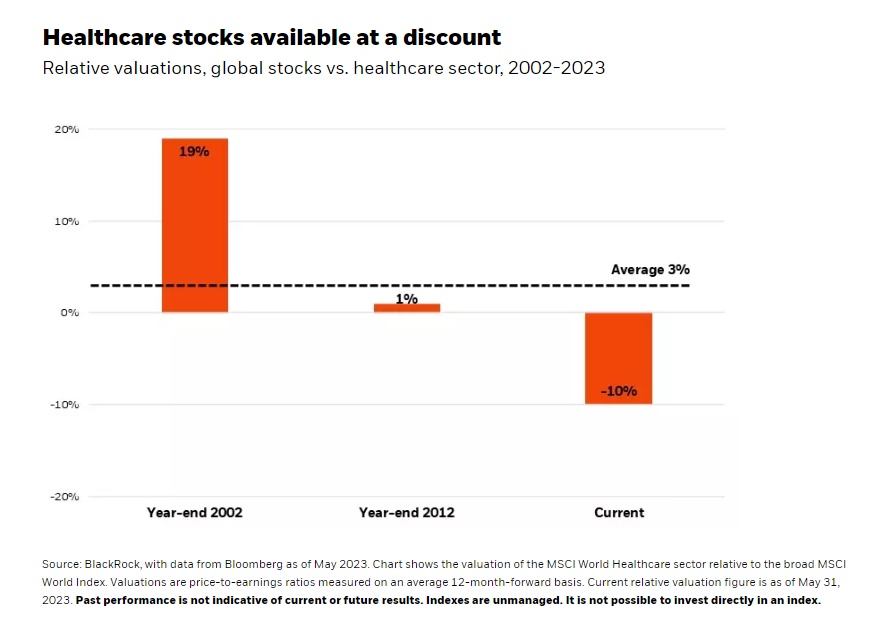
Healthcare stocks rank high on our like list, boasting a history of resilience amid both inflation and recession as well as attractive growth prospects thanks to potent innovation. Dr. Erin Xie examines the opportunity.
Korea has emerged as a global powerhouse in many industries. Read Portfolio Managers Elli Lee and Sojung Park’s latest on how Korea continues to create new opportunities for investors.
We talk frequently about the way central banks and governments affect the economy. In the grander scheme of things, though, whatever the Fed does is more like throwing a hand grenade into a large building. Yes, you’ll make some noise and cause some damage. People may be hurt. But the building won’t care, and the owner will fix it.
Fresh from the Mining Disrupt conference in Miami, Frank Holmes shares his perspective on a resilient Bitcoin market and the upcoming halving event, amid ongoing debates around the need for regulatory clarity. From an optimistic outlook for a U.S. spot Bitcoin ETF to state-level breakthroughs in Bitcoin mining laws, this account offers a comprehensive glimpse into the evolving digital asset landscape.
Biodiversity is taking on increasing importance as a consumer concern, but it isn’t always top of mind for investors. We think that could soon change. Beyond the obvious environmental benefits, there’s an economic case to be made for protecting biodiversity.