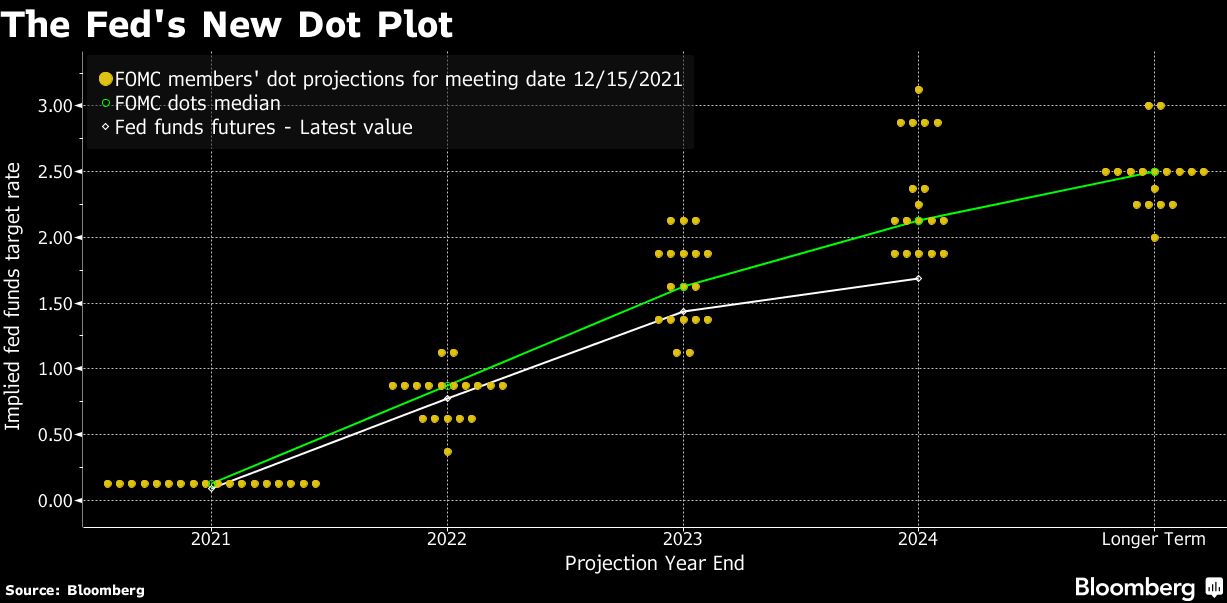
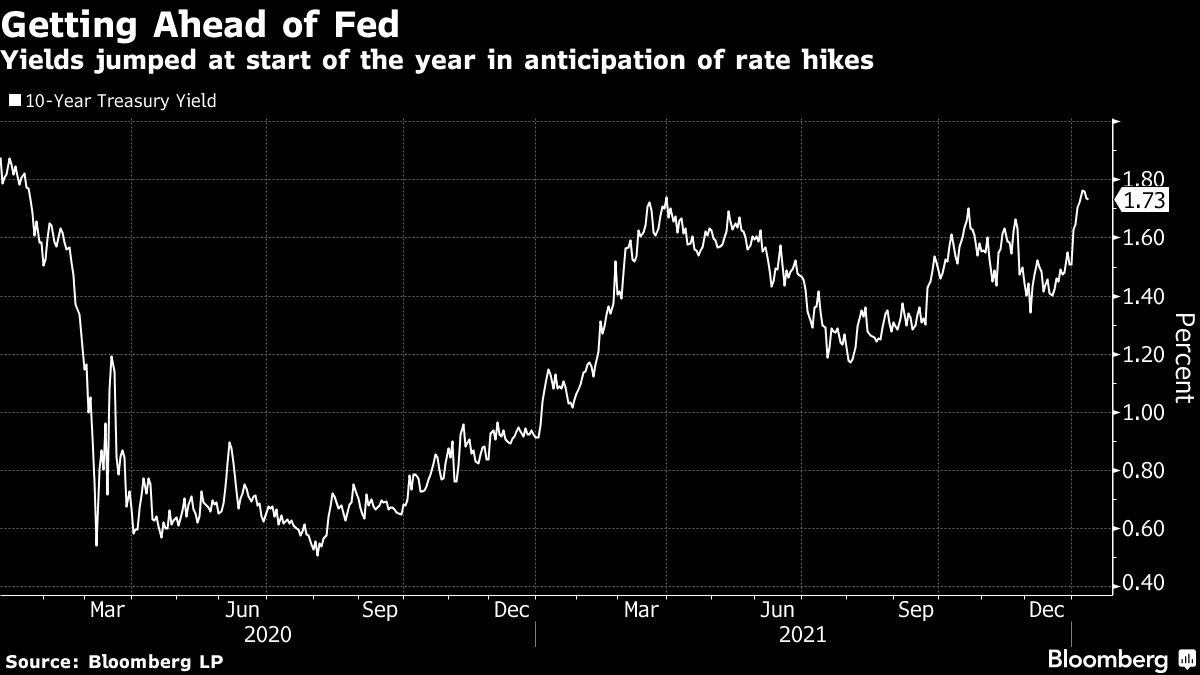
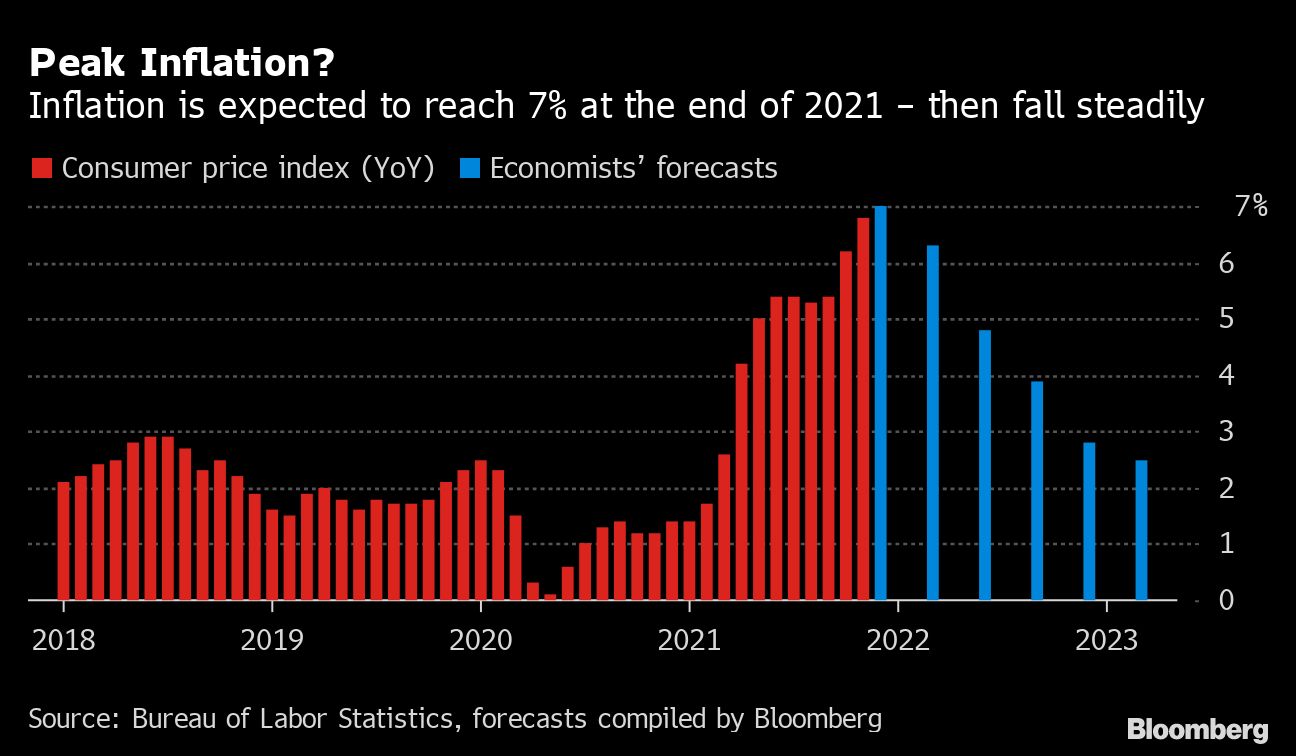
The Fed is walking a tightrope between instability and inflation. Can it successfully tame inflation without causing severe market dislocations?
To reap the potential tax benefits of MLP investing and to make sure the allocation is meeting an investor’s needs, it’s important to understand the nuances of MLP investing.
In 2012, an SEC director declared that conflicts kill objective investment advice. But this is no longer true, according to new guidance from the CFP Board.
Is the failure of the value factor over the last decade due to the inability of book value to incorporate so-called “intangible assets,” such as the intellectual property that has propelled companies like Amazon, Alphabet and Apple? New research provides the answer.
Laurence Kotlikoff is a world-class economist who can convince you to pay off your mortgage and make you snort out your nose laughing at the same time; Money Magic is his compendium of life hacks aimed at leaving the reader wealthier and happier.
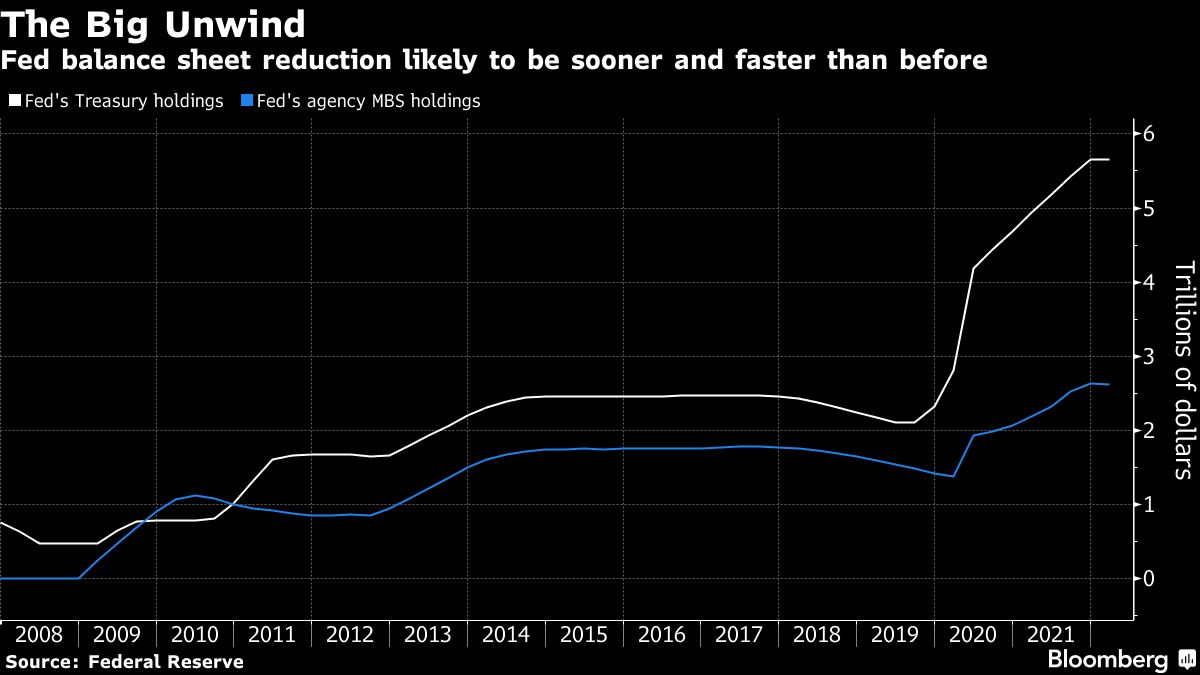
A rapid one-two punch of interest-rate hikes and balance-sheet reduction from the Federal Reserve risks unsettling bond and stock markets that have already taken a beating.
The head of the Bank for International Settlements, Agustin Carstens, recently set out a dark vision for our financial future, quoting Goethe’s “Faust” and claiming that the “soul” of money was at stake.
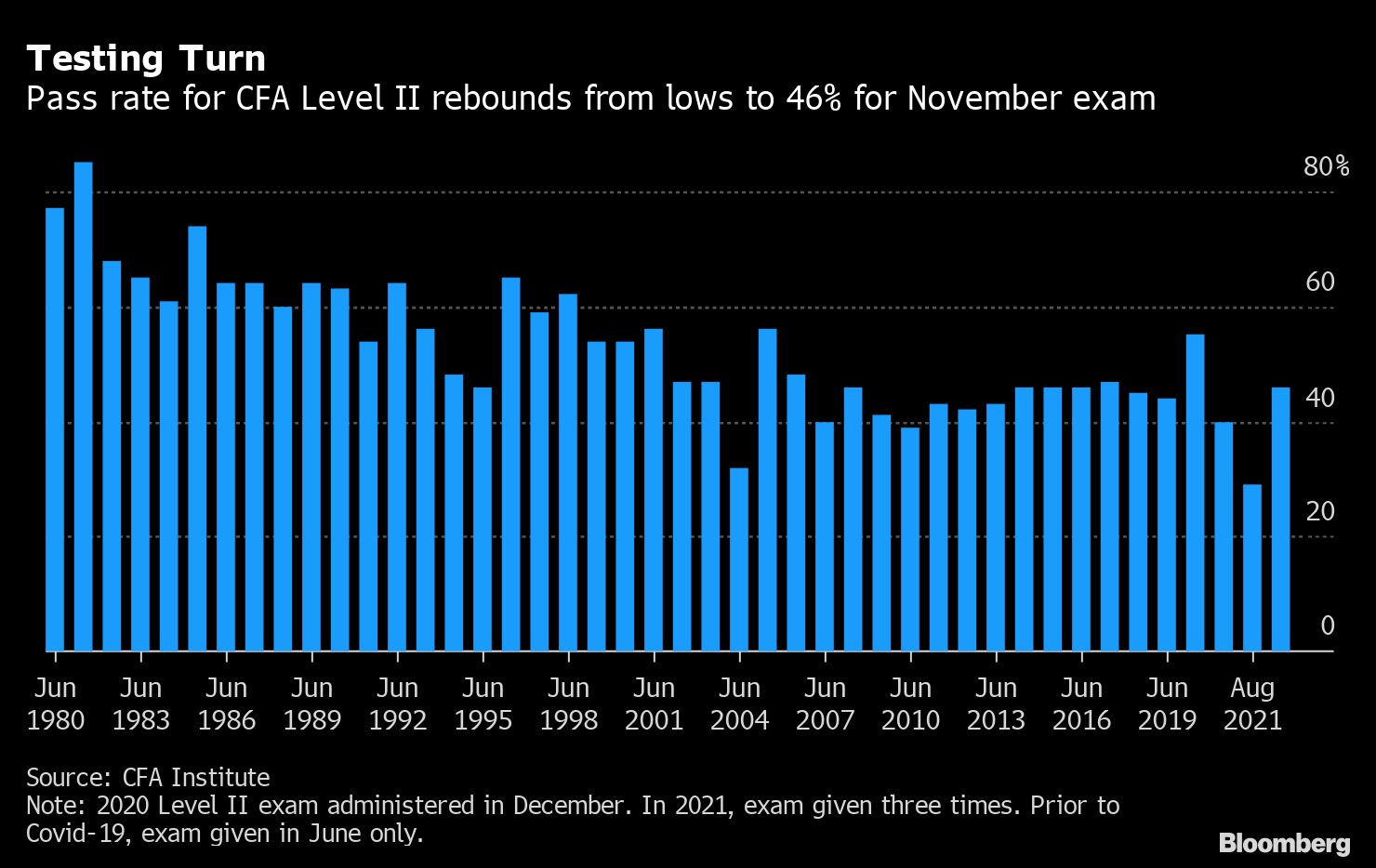
The pass rate for the second level of the chartered financial analyst exam bounced back from historic lows set last year.
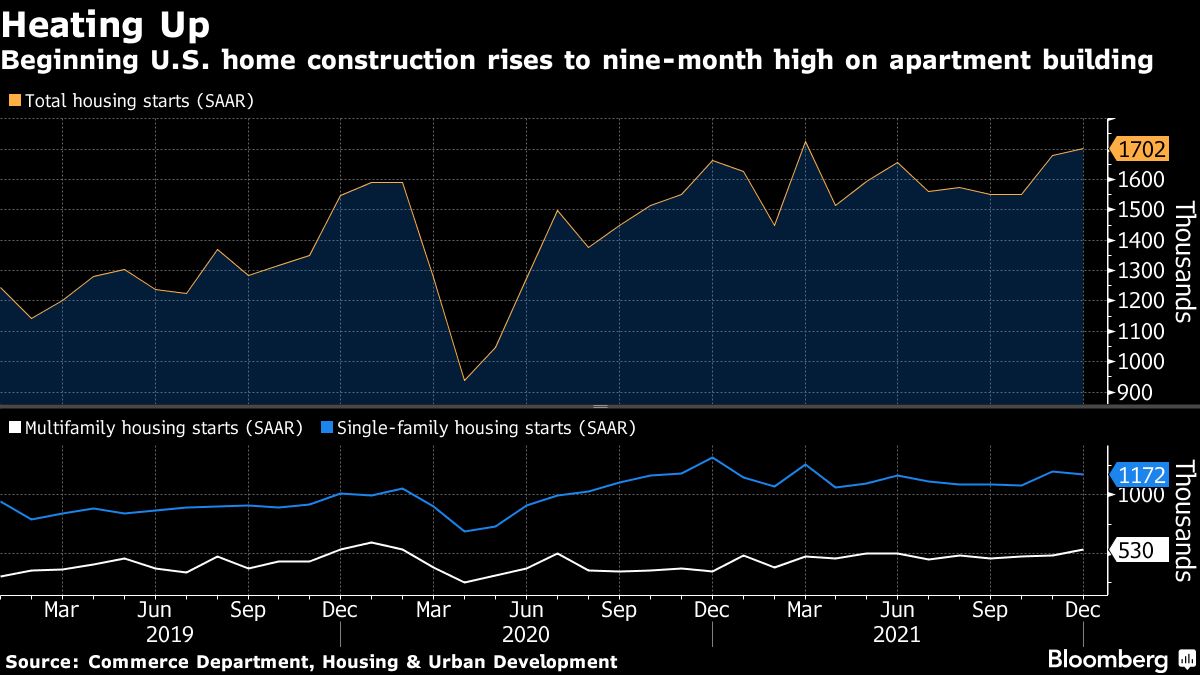
New U.S. home construction unexpectedly strengthened in December to the fastest pace in nine months, led by apartment projects and suggesting builders found some success navigating shortages of materials and labor.
If a recently widowed client hasn’t fired you, then you are among a lucky few. Here’s a thought experiment that illustrates the vulnerability advisors face when they don’t engage the female half of a couple.
Applications for U.S. state unemployment insurance surged last week to a three-month high, suggesting that the omicron variant is having a bigger impact on the labor market.
Exiting bankruptcy alone won’t bring Puerto Rico prosperity and vitality. But it’s a crucial first step.
There is no shortage of candidates for the title of the most dangerous business idea of the moment. Management-by-algorithm may remove what humanity there is left in the corporate world. The office-less future may dissolve workers into angst-ridden atoms. I want to suggest a less obvious contender for the title: “social purpose.”
The industry has been slammed by a combination of concerns about higher U.S. interest rates, a probable reduction in solar-system subsidies for California homeowners, the broader stock market rotation out of high-growth technology companies and the obstruction of President Joe Biden’s stalled “Build Back Better” agenda by 50 Republicans and two Democrats, Joe Manchin and Kyrsten Sinema.
President Joe Biden’s Build Back Better plan is stalled, and the next steps are unclear. Some Democrats are talking about the need for new pandemic-relief measures, even as the White House is reportedly looking at a stripped-down version of the original proposal. Meanwhile, most analysts are giving short shrift to an issue that deserves more thought: how Build Back Better would make it harder to fight inflation.
Walk into a U.S. supermarket, and chances are you’ll see some empty shelves once more. It’s an unwelcome throwback to earlier stages of the pandemic.
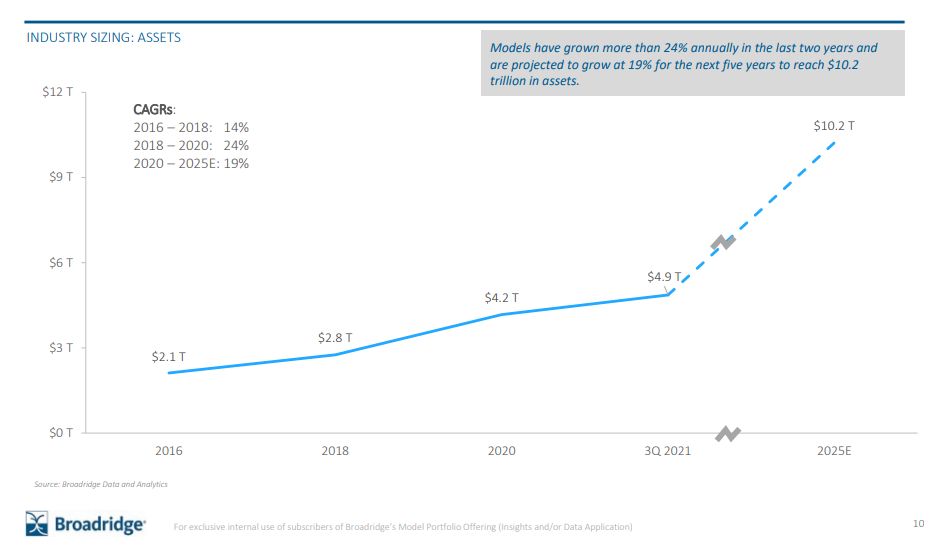
A booming $4.9 trillion branch of the U.S. asset management industry is funneling investor cash into funds that are pricier and worse-performing than alternatives, new research claims.
Climate change concerns are growing among top executives at global firms, but they still struggle to implement solutions across their firms to address those worries.
We've made it to the middle of January, that time of year that is the graveyard for so many New Year's resolutions. Even if you abandon any other resolutions you may have made, please carry out a very important one: Make a will.
Our advisors are good at what they do, but a couple of our best performers are terrible communicators.
Since implementing new software, we’ve tripled our conversion rate with new prospects and dramatically shortened our sales cycle.
Imagine if universities started crafting their coach’s compensation plans the way broker/dealers draft plans for their advisors.
Sending quick video messages is an effective way to stay top of mind and regularly remind your connections that you are a resource they can count on and trust.
I asked a prospect what legacy she wanted to be remembered for at her company. She paused and then said, “I want my employees to know how much I cared about them and appreciated their contributions to our success.”
Treasuries slid and yield-curve premiums shrank to the lowest in almost two years amid increased speculation the Federal Reserve will deliver more than a quarter-percentage point rate hike in March.
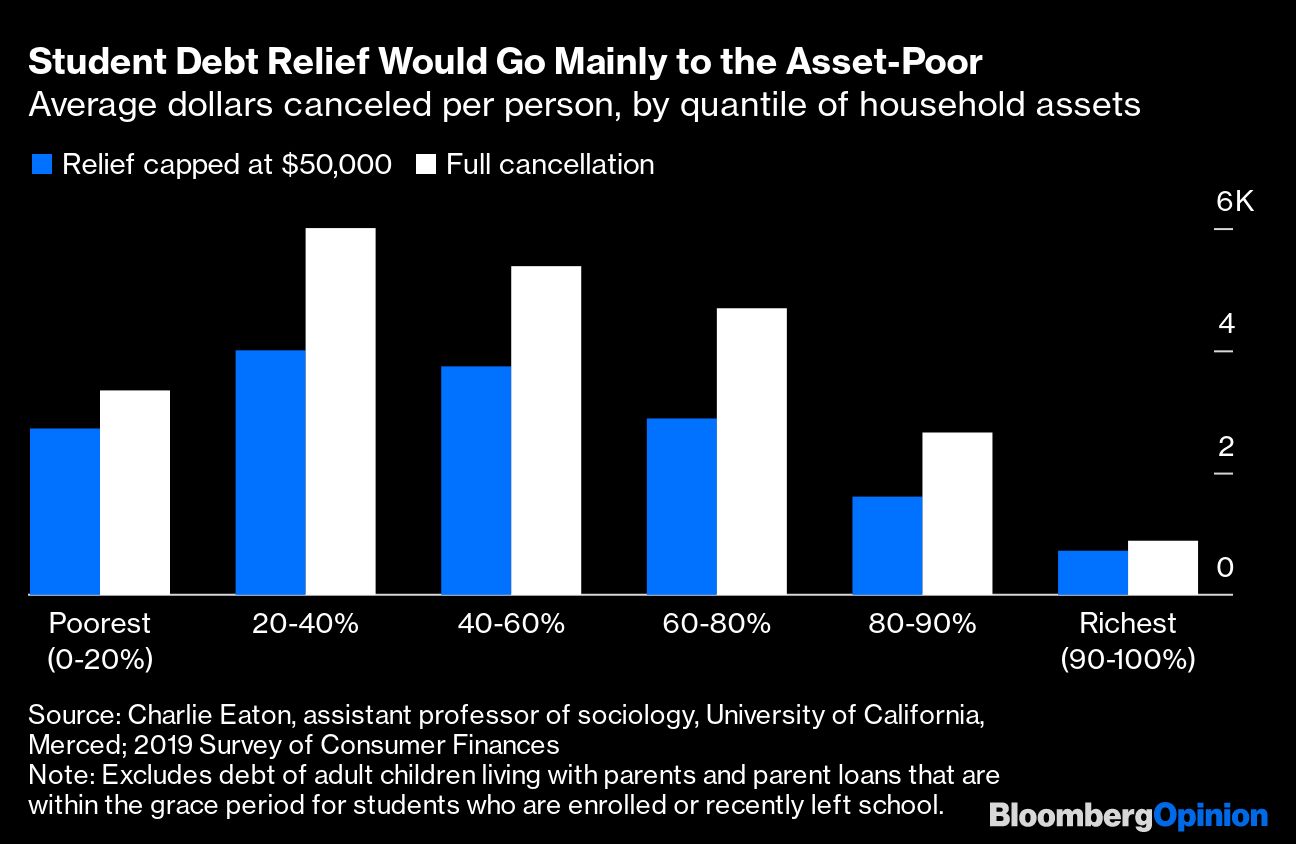
When people debate whether to forgive some or all of the $1.75 trillion in student debt weighing on millions of American families, opponents often argue that it would be wasteful and unfair: Too many relatively well-off, well-educated people would benefit at the expense of all taxpayers, many of whom never had the desire or opportunity to attend college.
Many of us fantasize about quitting our jobs. In 2021, more people than ever turned that dream into reality. The latest U.S. Bureau of Labor Statistics data show that 4.53 million Americans voluntarily left their jobs last November. This was both a new monthly record and the eighth successive reading above the pre-pandemic high.
Markets are weird right now. The value of risk-free assets has gone all out of whack, and if that doesn't seem scary, keep reading.
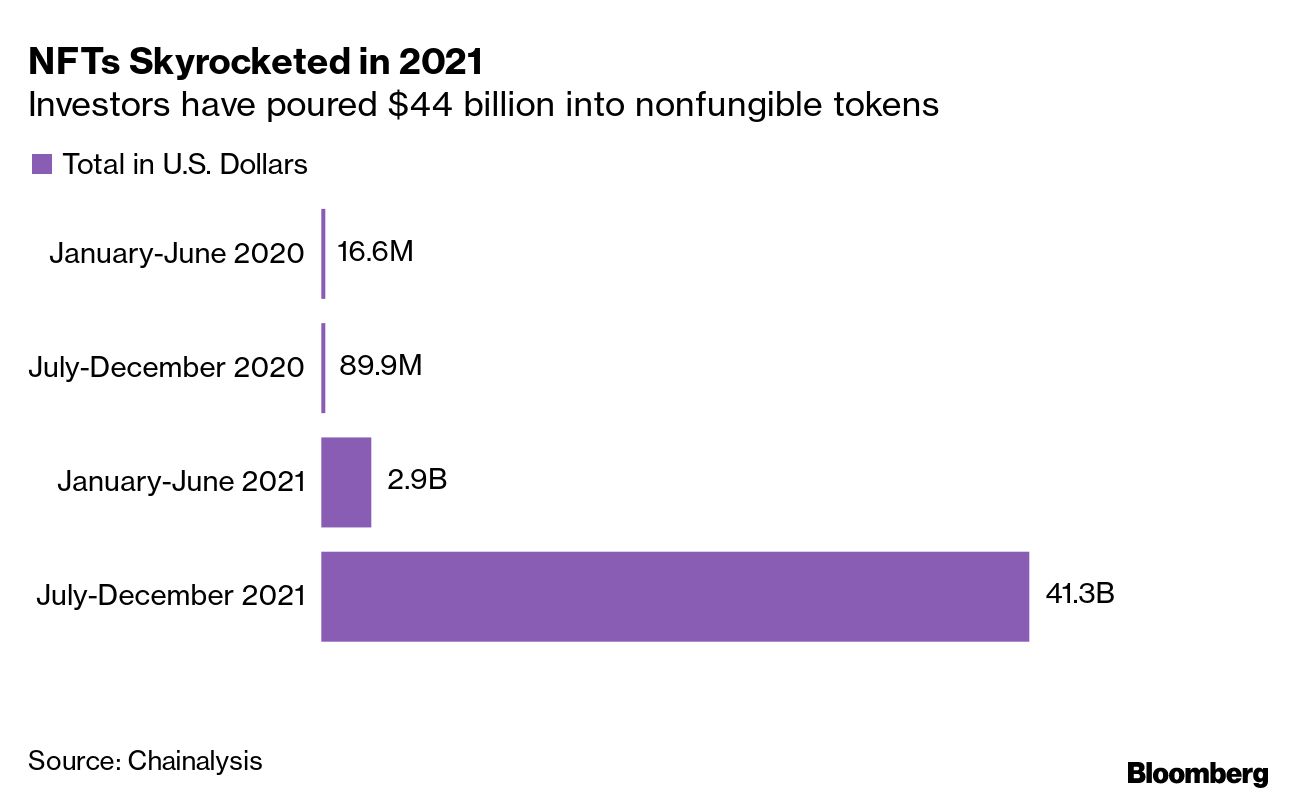
Investors and creators of nonfungible tokens -- a market that has ballooned to $44 billion, Chainalysis data show, and attracted fans from Justin Bieber to Melania Trump -- face billions of dollars in taxes and rates as high as 37%, according to tax experts.
What insights can we glean beyond last year’s impressive 28% return? How did it compare it to global equities? I will show you some of the winners and losers, and finish with a few observations on the VIX.
It is not a matter of if the markets will correct but a matter of when. That is why I set the stage for corrections during my client meetings, by sharing what I plan to do when we have one.
I’ve been asked many, many questions about referrals from advisors all over the country. This article has the most popular questions I’ve heard time and again, followed by my response.
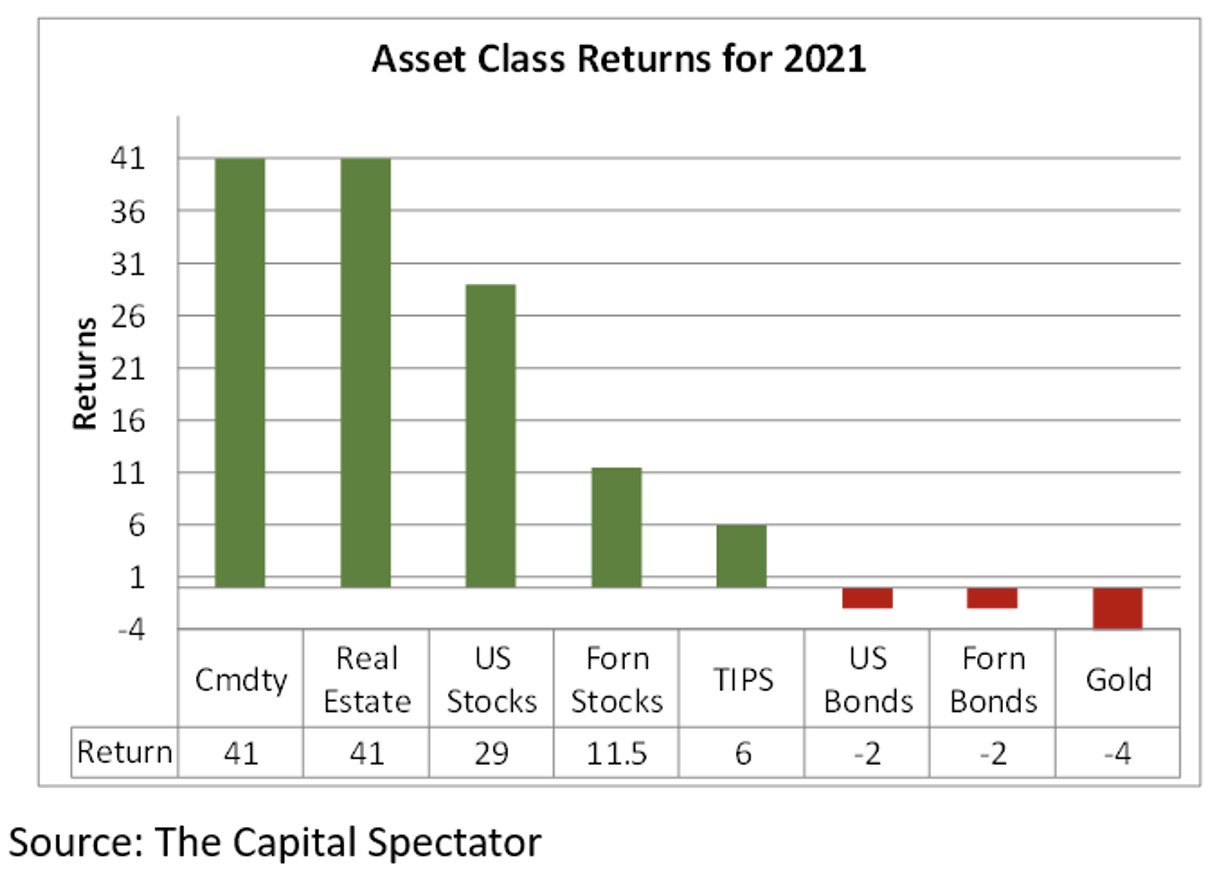
Last year was a good year for stocks, but not bonds. The post-2008 recovery has been spectacular, one of the best 13-year U.S. stock markets. I provide details for the entire 96 years as well as five-year and 10-year sub-periods
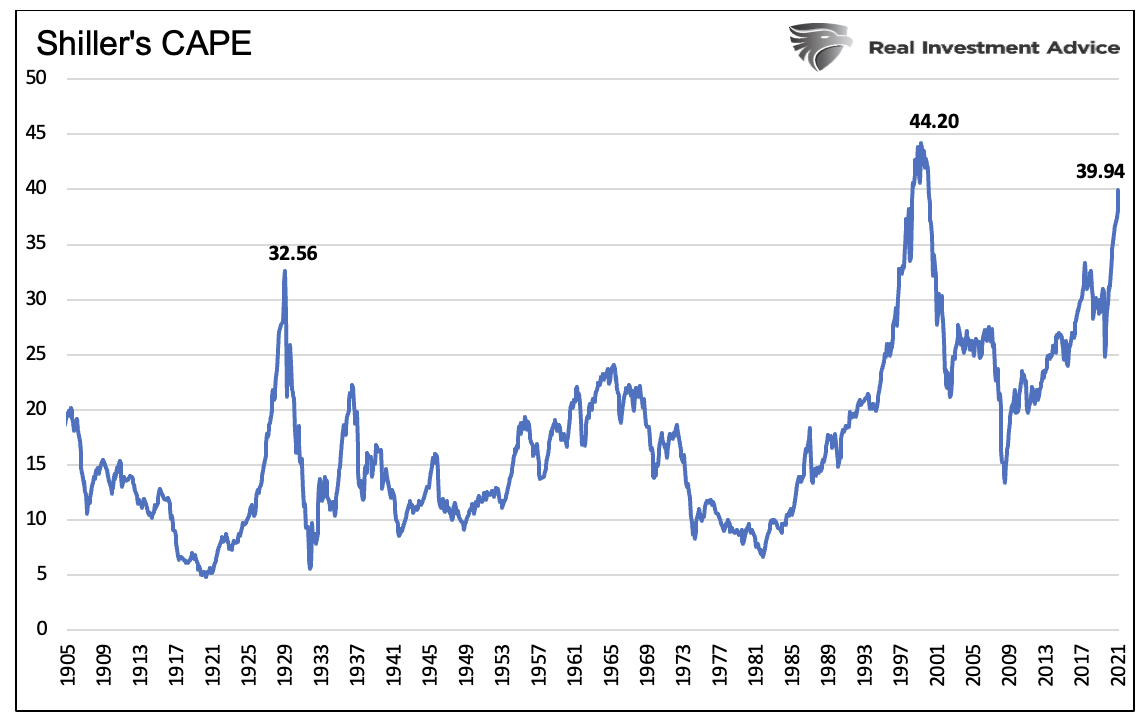
Stocks are priced for perfection. Bonds trade at historically low yields despite 7% inflation. What could go wrong?
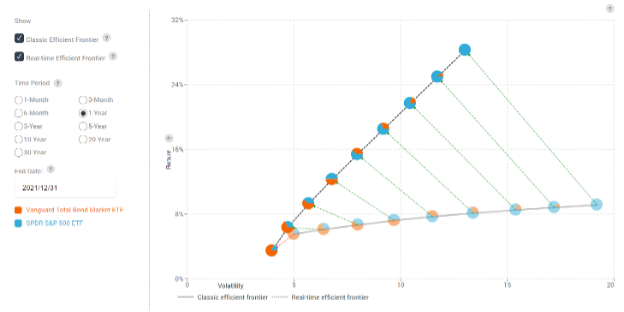
If we will experience a lower equity risk premium, how much lower of a premium will make stock investing unattractive relative to bonds?
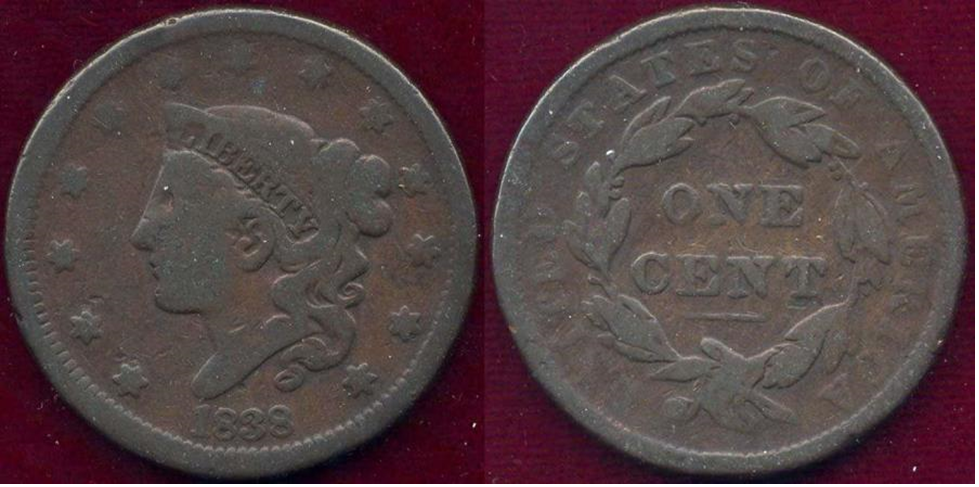
In 1837, as in 2022, there was general certainty that prices were determined by the money supply – the quantity of legal tender circulating in the economy.
Impact investing seeks to achieve social good, but new research shows that it has had a negligible effect on the cost of capital for so-called “brown” companies.
The U.S. Securities and Exchange Commission is worried about a lack of oversight in how large, private companies raise capital.
This week’s lawsuit against 16 top colleges and universities accuses the schools of gaming their federal antitrust exemption in order to admit more wealthy students.
Investors expect the Fed’s bond-buying program to be promptly wound down and have calmly penciled in four increases in interest rates this year, starting in March.
One of cryptocurrencies' biggest selling points is that they allow people to break away from traditional banking systems. Now banks are hoping to convince you otherwise.
Federal Reserve Bank of Philadelphia President Patrick Harker joined the widespread calls by his policy-making colleagues for higher interest rates this year, saying he favors a March liftoff and three or four hikes for the 2022.
Prices paid to U.S. producers decelerated in December as two key drivers of inflation in 2021 -- food and energy -- declined from a month earlier, representing a respite in the recent trend of sizable increases.
Oil climbed after two major agencies indicated that markets may be tighter than previously forecast and a U.S. government report showed crude inventories plummeted.
U.S. Treasuries shook off the steepest jump to consumer-price inflation in four decades and absorbed a 10-year note sale, with the figures reinforcing already widespread anticipation that the Federal Reserve will start raising interest rates in March.
Federal Reserve Chair Jerome Powell sought to reassure lawmakers and investors on Tuesday that the central bank can pull off the tricky task of bringing down four-decade high inflation without damaging the U.S. economy.
Bitcoin climbed above $44,000 for the first time in a week as the most U.S. inflation in four decades revives the debate about whether the cryptocurrency is a hedge against rising consumer prices.
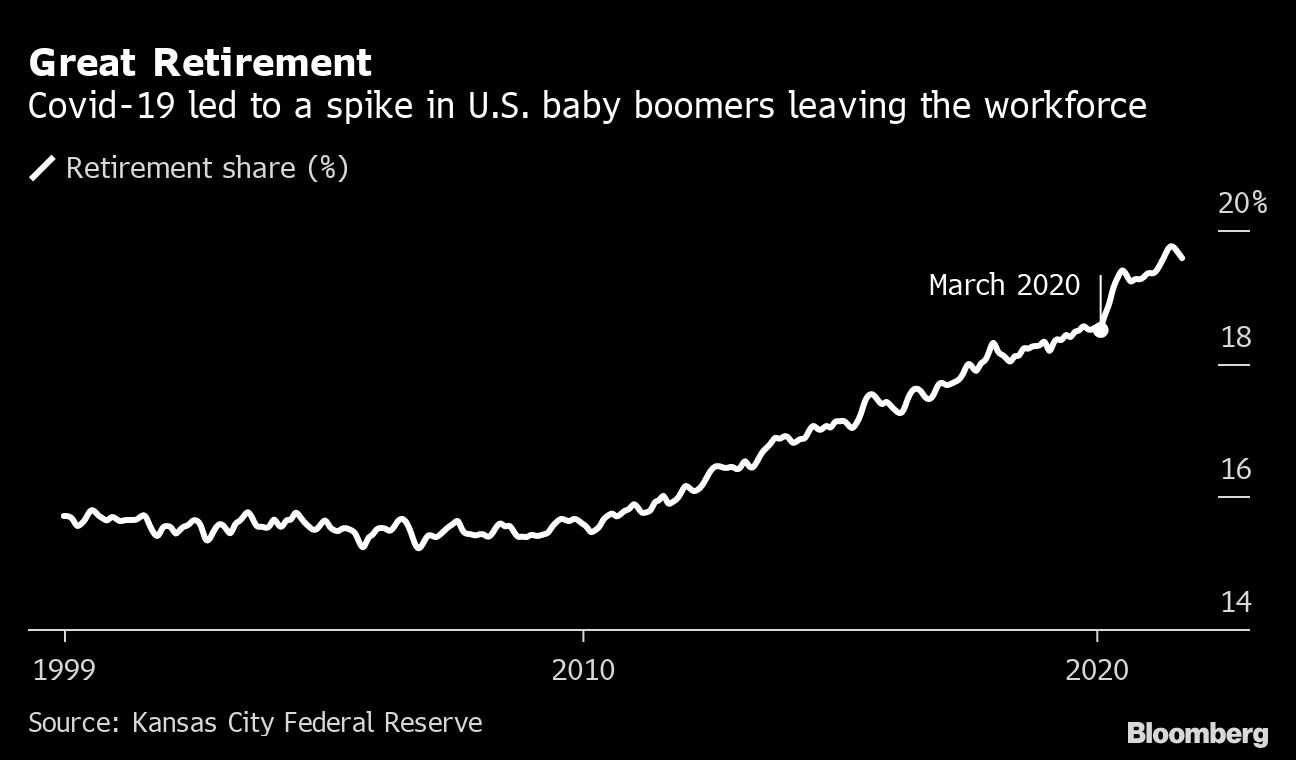
The surge in U.S. retirements during the Covid-19 pandemic was led by older White women without a college education, according to research by the St. Louis Federal Reserve.
Investing in ESG funds is like trying to navigate “the Wild West” as both regulations and enforcement fall short, according to Andrew Behar, the chief executive of As You Sow.
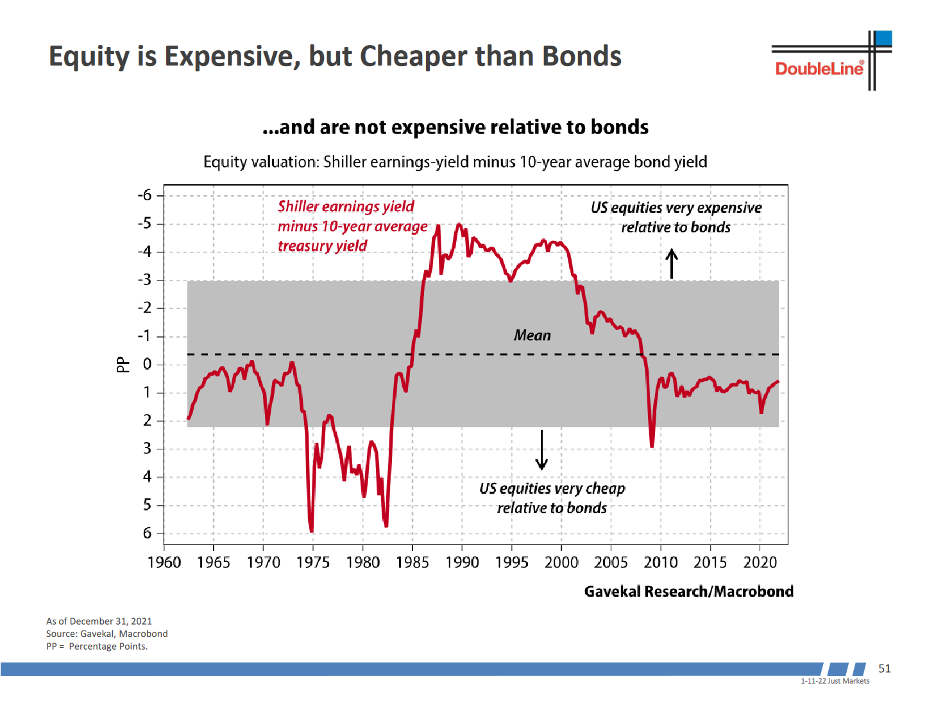
Monetary policy has driven U.S. stock prices to excessive valuations, according to Jeffrey Gundlach. But they remain cheap relative to bonds.