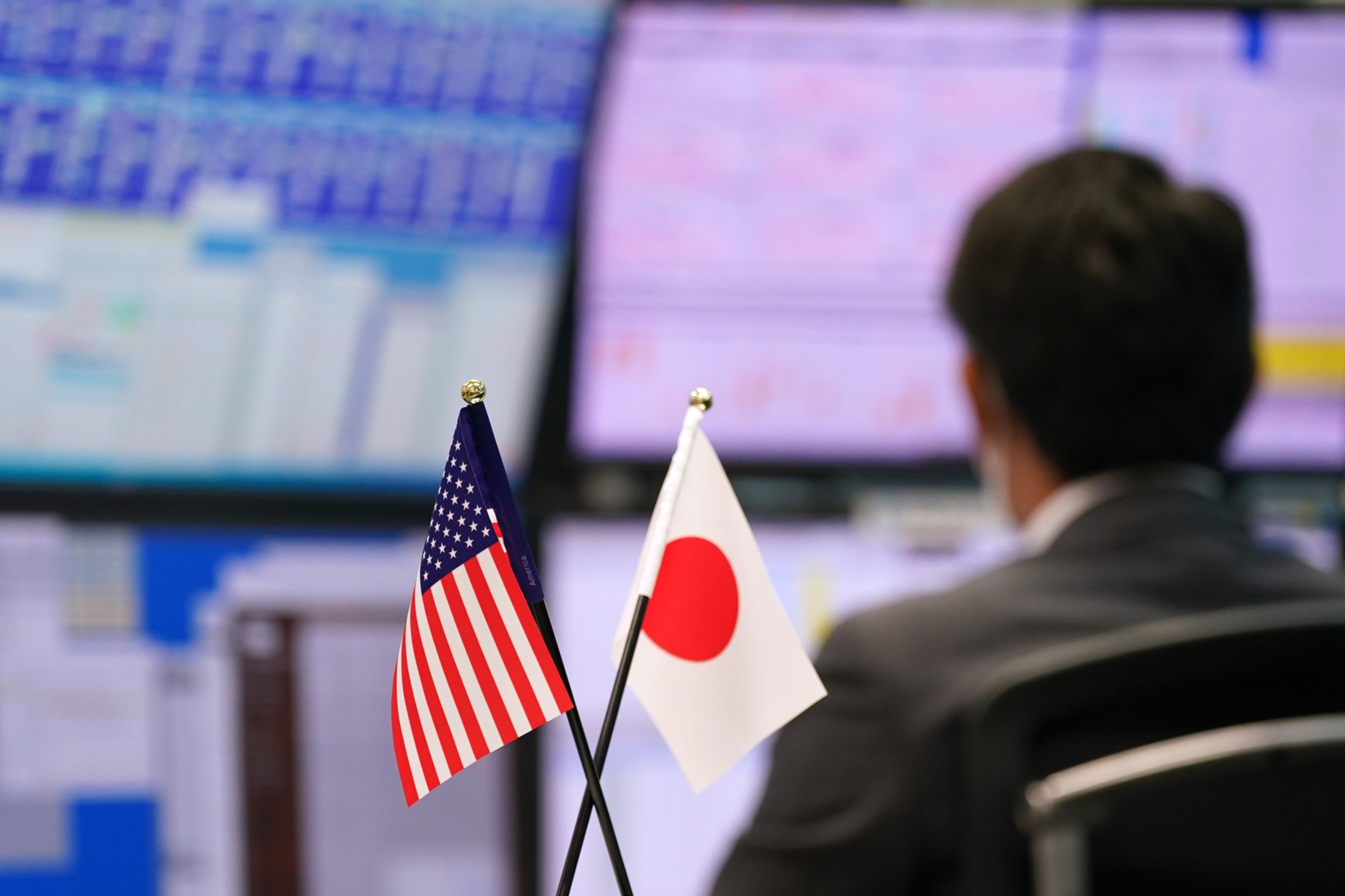
Investors hammered Chinese assets and those of developing nations relying on its sustained growth a day after US President Joe Biden described the country’s economic woes as a “ticking time bomb.”
With that, the economy would avoid a recession, interest rates would fall in an orderly fashion, stocks would build on their already impressive gains, and highly levered corporate exposures would be normalized methodically.
The consumer price index report for July showed the smallest back-to-back monthly increase in two years. This is welcome news in the battle to tame inflation but the even better news was buried deep in the report.
Federal Reserve policymakers are increasingly likely to leave interest rates unchanged at their next meeting in September after fresh data showed further signs of cooling inflation.
It could take just a 1% move in the S&P 500 — up or down — every day for a week for the rally in US stocks to come under significant pressure.
Hedge-fund veteran George Noble’s foray into the exchange-traded fund industry has come to a quick, and painful, end.
In 1949, the list of the country’s most affluent metropolitan areas was dominated by Midwestern industrial cities.
In the spring of 2022, the US economy went through an abrupt shift as consumer spending moved from goods to services. Travel boomed. Retailers slumped. Warehouses overflowed with inventory no one wanted to buy, and factories and the freight industry went through a recessionary adjustment.
The latest monthly US jobs report showed a moderation in employment growth, bolstering hopes that the Federal Reserve can stop raising interest rates. Not so fast, say the monetary policy hawks such as former Treasury Secretary Larry Summers.
Inflation concerns are threatening to keep US Treasury yields higher for longer, worsening a slide in Asia stocks as investors sell chip shares after their recent rally.
Bond investors who have repeatedly gotten burned buying 20-year Treasuries since the US government reintroduced them in 2020 appear willing to conclude that this time will be different.
A key measure of US consumer prices rose only modestly for a second month, bolstering hopes that the Federal Reserve can tame inflation without sparking a recession.
We've all heard the mantra "Cut your losses early; let your profits run." Does it make sense? We take a deeper dive in this short research note.
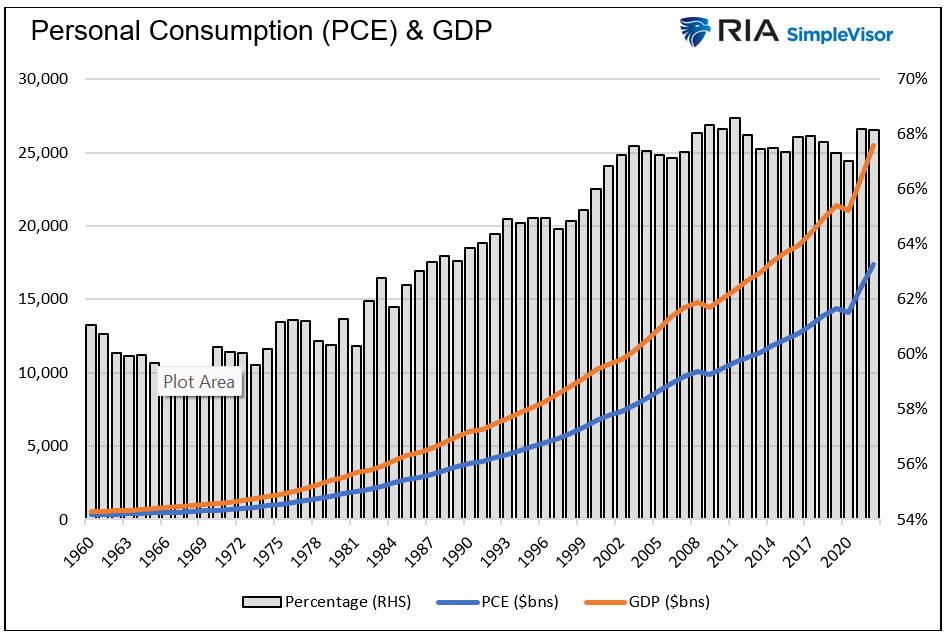
Personal consumption growth rates are showing signs of fatigue. Given it consistently accounts for more than two thirds of economic activity, it's worth exploring the state of the consumer.
Twenty years ago, the answer to this question was obvious. Wirehouses had better technology compared to any other firm or affiliation model.
Why don’t more advisors recommend simple portfolios?
I’m having a hard time helping the senior advisor see that I have insights and ideas.
If you are paying for any of the following garbage, get the scissors and snip it out of your budget.
A medieval king was nothing without his sage advisers. It’s not so very different in the Silicon Valley of 2023.
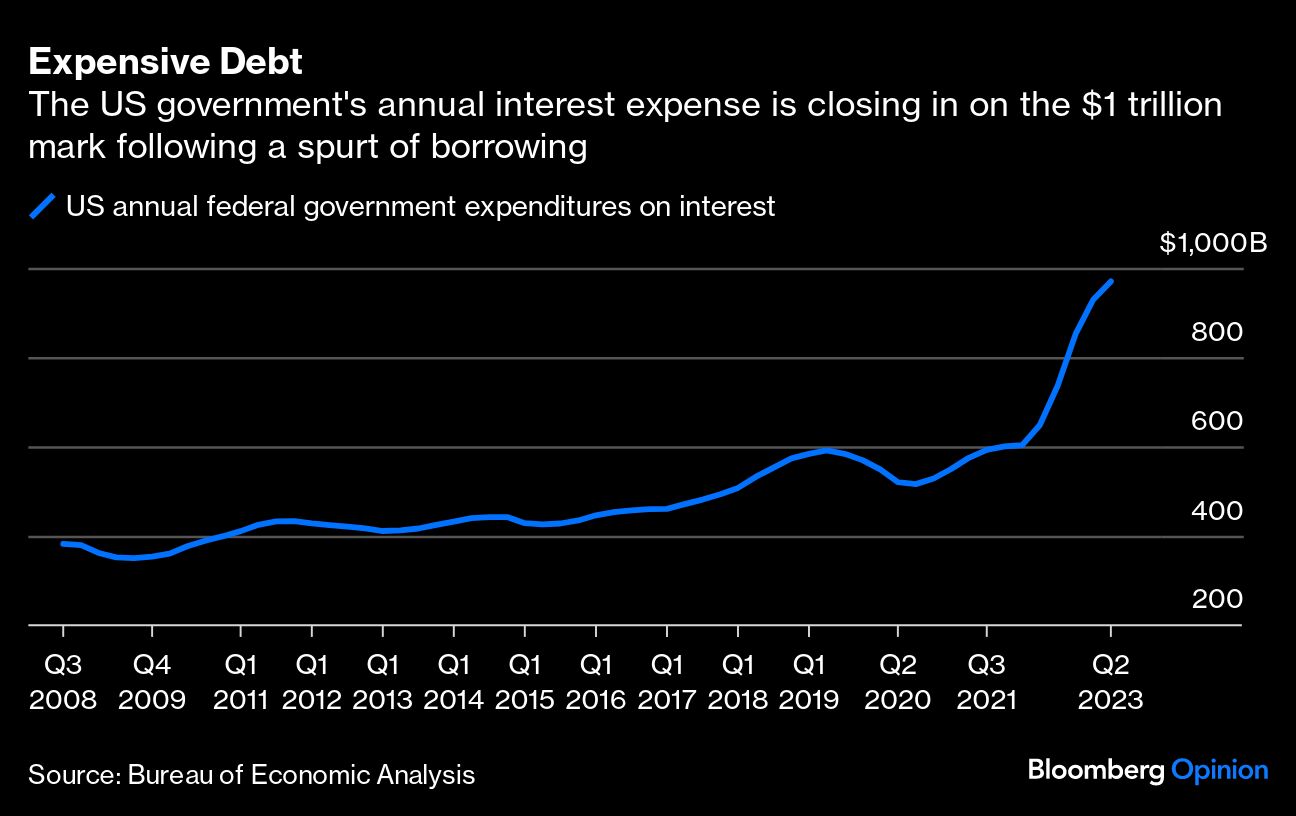
The reaction to Fitch Ratings’ recent downgrading of US government debt was more revealing than the announcement itself. Citing concerns about America’s long-term fiscal position and the risk that Washington’s political dysfunction could make matters worse, the company marked US debt down from AAA to AA+.
Hedge funds are betting that stocks in some of the market’s hottest sectors are headed for a fall, amid concern over how long the boom in electric vehicles, luxury goods and artificial intelligence will last.
US bank stocks declined after Moody’s Investors Service lowered its ratings for 10 small and midsize lenders and said it may downgrade major firms including U.S. Bancorp, Bank of New York Mellon Corp., State Street Corp., and Truist Financial Corp.
S&P Global Inc. will no longer publish ESG scores along with its credit ratings, as the company adjusts its approach in response to investor feedback.
A closely watched bond market gauge of expected US inflation is rising back toward a nine-year high, signaling concern the Federal Reserve may continue to wrestle with elevated price pressures for years.
Bitcoin may be closer to bursting out of a period of unusually low volatility if chart patterns and the token’s history are any guide.
Most advisors don’t consider do-it-yourselfers as serious potential clients. That is a big, incorrect and very costly assumption.
Advisors are increasingly turning to OCIOs to differentiate their firms, increase profitability and scale their businesses through gained efficiencies.
The most frequent question I’m asked when mentoring newer advisors is, “How do I demonstrate my value to prospects?”
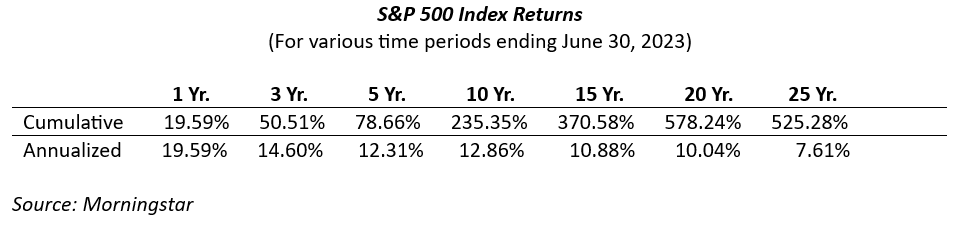
Everyone who has ever invested in Mr. Market at any time in recorded history, except for those who started investing at the end of 2021 or the first few quarters of 2022, made money.
The seemingly unstoppable rally in homebuilding stocks may face a few potential roadblocks ahead.
Berkshire Hathaway Inc. jumped to a record high after its Saturday earnings report showed an operating profit for the second quarter that exceeded Wall Street expectations.
Cathie Wood said that the US Securities and Exchange Commission may approve multiple spot-Bitcoin ETFs at the same time, reversing an earlier view that her firm would be first in line to get potential approval for the long-awaited product.
Bulging sales of US Treasuries are about to deliver a major test of investor demand and determine whether a selloff has room to run, as the market braces for the biggest round of refunding auctions since last year.
There is next to zero chance the government won’t be able to pay its creditors and the Treasury Department’s access to funding is determined by forces far more fundamental than a few capital letters tied to a ratings report.
Wall Street is growing more confident that there won’t be a recession. But one thing that stood out for me from otherwise decent-second quarter earnings is the number of executives claiming their industries are already in recession.
Here is a tale of two families who were alike in many ways, including political and religious beliefs, income, and net worth. But they were drastically different in how they approached aging.
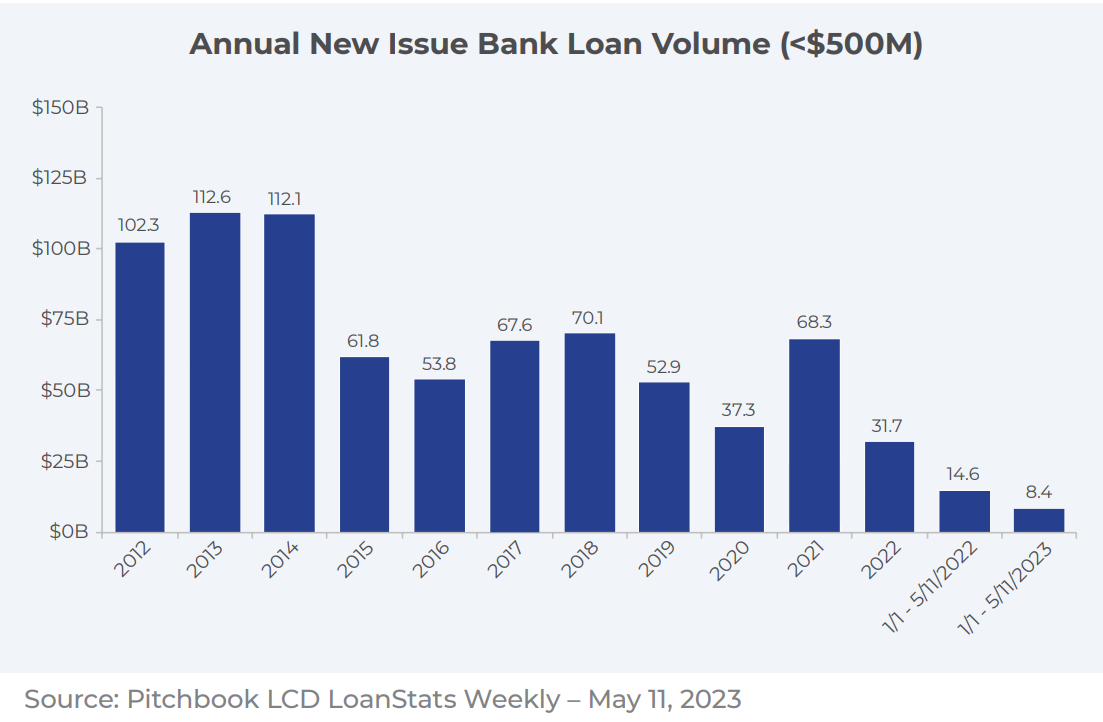
As the Fed tightens and banks accelerate their pullback from middle-market lending, private credit’s stability, strong downside protection and floating rate yields make it an attractive fixed income alternative.
Investors planning for retirement are facing seven significant challenges.
A clear majority of investors expect a US recession before 2024 is out, leading them to view the current bull market in stocks as ephemeral and to favor long-term US Treasuries.
A fresh fiscal showdown is brewing in Washington that threatens to complicate the Federal Reserve’s policymaking and strengthen Fitch Ratings’ warning that self-inflicted wounds are tarnishing America’s standing in the global economy.
Peter Turchin’s End Times is a brilliant, sprawling, and oft-times maddening look at the rise and fall of nations and empire. He’s worried, and rightly so, about the United States.
Investors in emerging markets are shifting to stocks from bonds as they prepare for the world after monetary tightening.
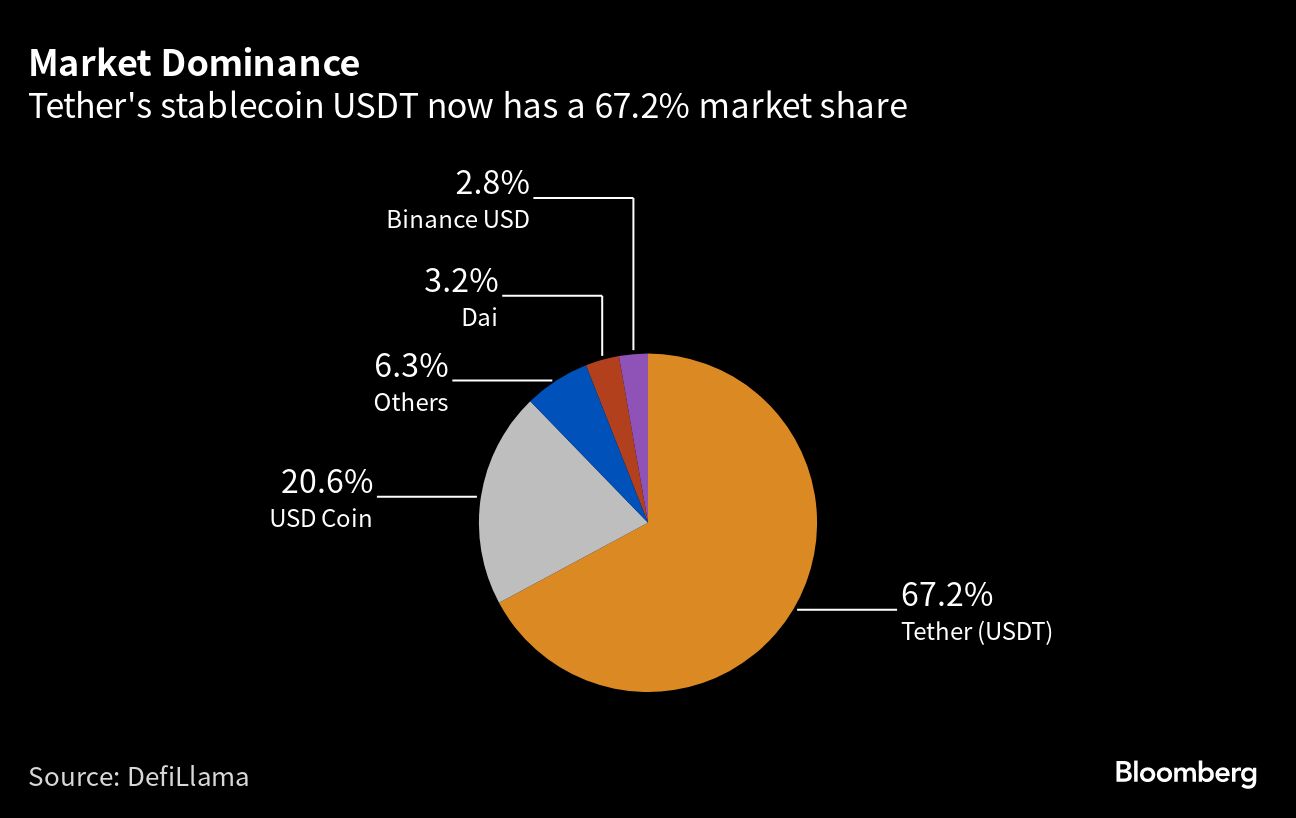
PayPal Holdings Inc. is rolling out a stablecoin, the first by a large financial company and a potentially significant boost to the sluggish adoption of digital tokens for payments.
With Corporate America’s earnings season nearing an end, the takeaway is clear: Challenges remain, but for a broad swath of companies the worst of the profit pain is likely over as margin-shredding inflation pressures ease.
Last week’s sharp moves in the US government bond market have people wondering about the implications not only for the outlook for other financial assets, including stocks but also for the economy and policy.
Is it possible for economic news to be a little too good? If many economic worries seem to be dwindling, is that reason to be scared? After periods of success, are economies due for a comeuppance — perhaps even for reasons stemming from their earlier achievements?
What is the secret to digital marketing that drives website traffic and leads?
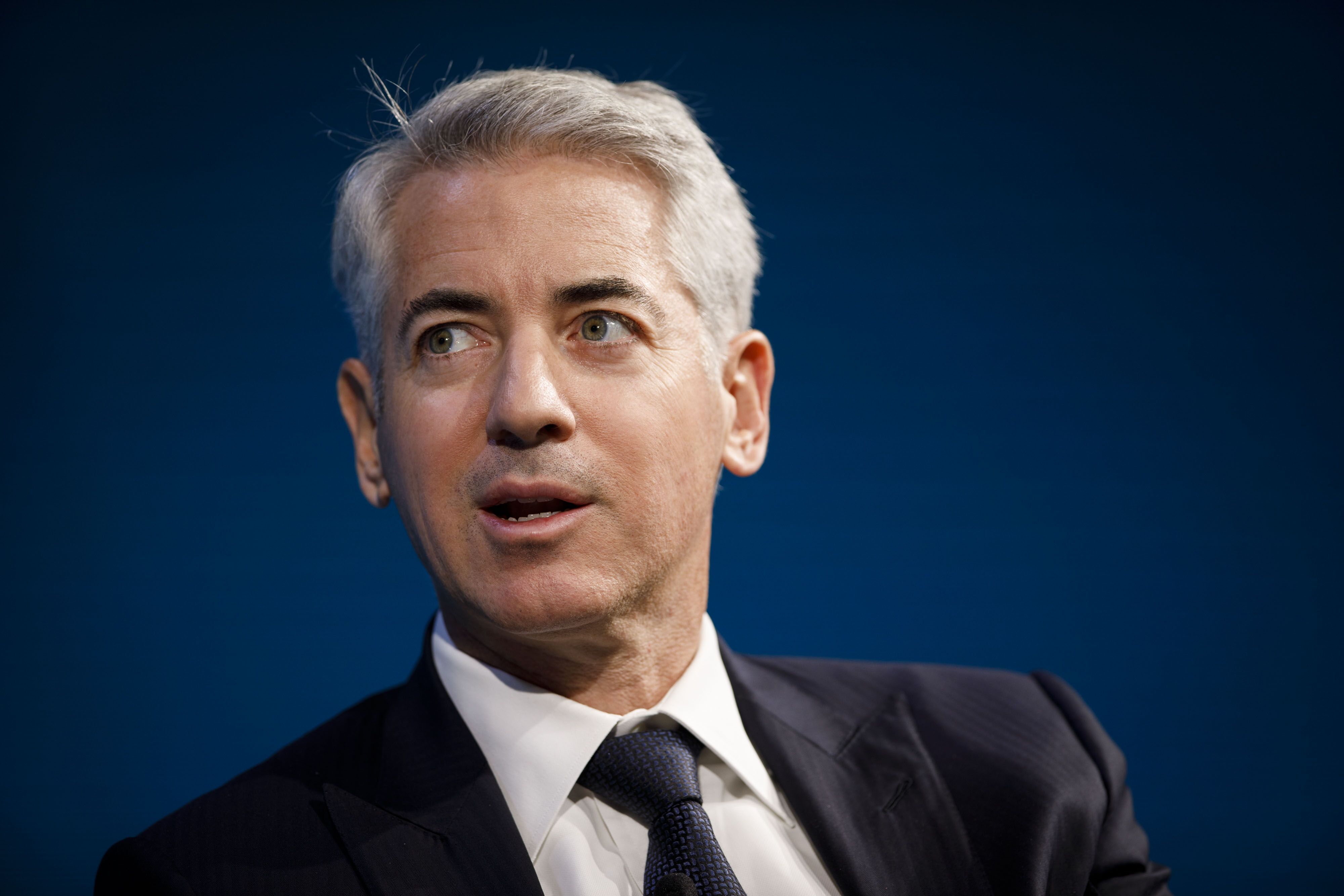
Admittedly, I’ve glossed over the other catalysts in Ackman’s thesis — including the aforementioned supply-demand issues and the fiscal and governance challenges that Fitch underscored in its recent downgrade — but the inflation call seems to be the linchpin to his argument, at least going by the math in the post.
All told it’s hard to get worked up about the near-term implications of the latest downgrade. But it’s telling that one of the most popular defenses of America’s creditworthiness has lost its rhetorical potency.
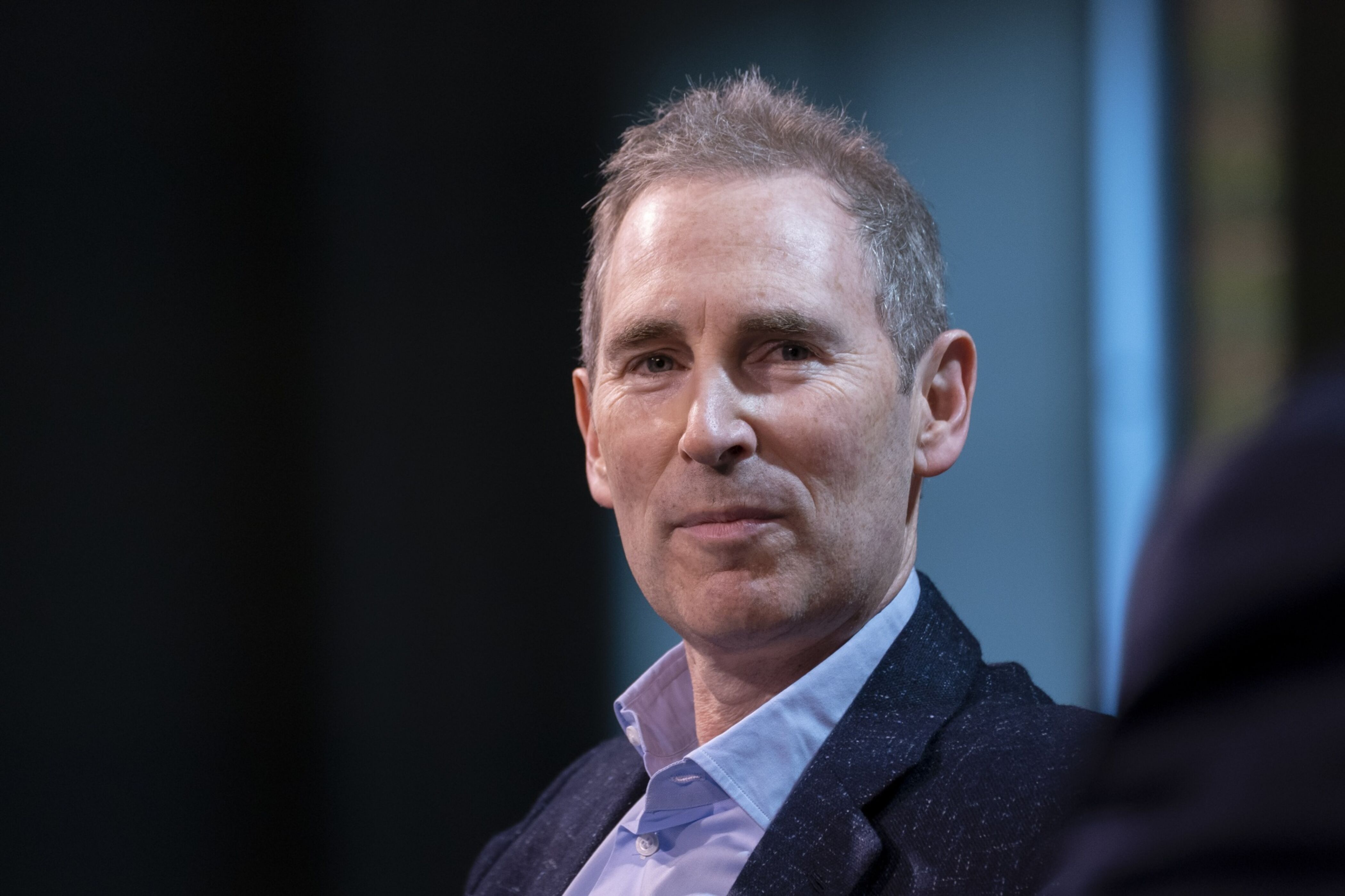
Amazon.com Inc. Chief Executive Officer Andy Jassy pulled off a financial double play this earnings season: generating strong revenue growth from the core e-commerce business while cutting the pace of spending. The shares rose about 9% as the markets opened on Friday.