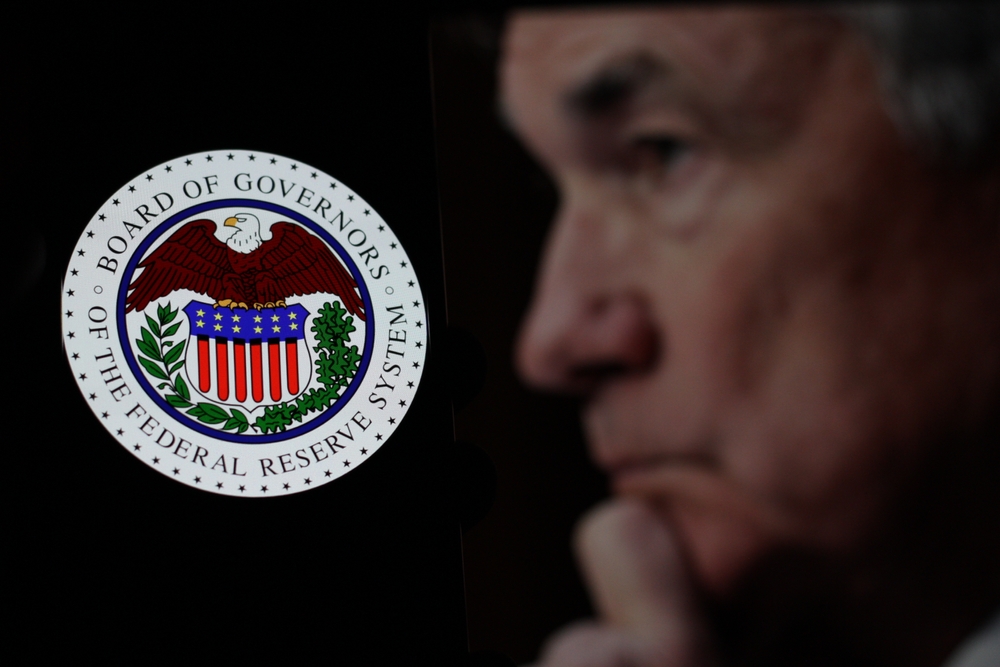
Despite a seemingly Hawkish stance, a closer look suggests the Fed’s conservative inflation estimates could lead to more rate cuts than anticipated.
Mexico has momentum to meet demands from reshoring.
European disinflation allowed for a first cut, but the pace from here will be gradual.
I will never forget the first auction I witnessed. It took place during one of the many summers that I spent on a farm. The auctioneer talked exceedingly quickly, but those in the crowd seemed to understand everything he said.
European value stocks offer a compelling case for short- and long-term investment opportunities, supported by strong fundamentals, attractive valuations, and favorable market conditions.
Summer hiring promises more than just monetary rewards for teens.
This year's venture to Asia was informative and delicious.
Investors are reconsidering long-term capital commitments.
Home equity lending does not require policy support.
Lower interest rates in Europe will favor spending over saving.
New tariffs will renew trade tensions.
The Northern Trust Economics team shares its outlook for growth, employment, inflation and interest rates in major markets.
The price gap between eating out and cooking at home is rising.
However we measure inflation, we see an incomplete recovery.
Will the rapid growth of private credit impair financial stability?
We explore how stabilization and growth of global markets may potentially shift preferences toward equities relative to bonds.
The Northern Trust Economics team shares its outlook for U.S. growth, employment, interest rates and inflation.
Sanctions have not been as powerful as expected.
Skepticism is warranted when inflation stories exclude bad news.
AI adoption will dent the fight against climate change.
Hong Kong's prospects are closely linked to the outlook for China.
The FOMC has enough factors to consider without adding politics to the mix.
The stronger U.S. dollar is benefiting America, but creating troubles in other geographies.
There are attractive investment opportunities in private credit against a backdrop of a U.S. economy that continues to outpace the eurozone and the U.K.
We saw a dovish slant to Powell’s remarks at yesterday’s press conference, with no rate hikes in sight.
For investors considering adding small-cap stocks to their equity portfolios, we suggest they do it selectively, steering clear of more speculative investments.
Having played sports my whole life, there is hardly an outdoor activity which I haven’t tried. I have been known to skip irksome social gatherings just to get out on to the fields.
Government economic intervention has persisted since the pandemic.
Financial stability is much improved since last year's stress.
Amid economic challenges, increased dispersion in high yield bonds suggests opportunities for selective investment choices versus broad sector-based strategies.
Demand for copper is on the rise. Can its supply keep pace?
Debt distress is rising fast, but restructuring is becoming more complex.
Dr. Bernanke found significant shortcomings in the BoE's forecasting.
The Northern Trust Economics team shares its outlook for key APAC markets.
The Chinese yuan is softening in line with the nation's economic outlook.
We had expected the Federal Reserve to start cutting rates in June. But as more of our audiences asked why, we saw the case was not strong. This week’s inflation reading seals the deal: we now expect the easing cycle to start in September.
We’ve covered some of the issues related to America’s fiscal crisis in recent months.
Analysis of Q1 2024’s equity market reveals the stage is likely set for a favorable equities market for the remainder of 2024.
Water raises the risks of conflict, civil unrest and economic pain in many parts of the world.
Immigration is coming up everywhere, including economic data.
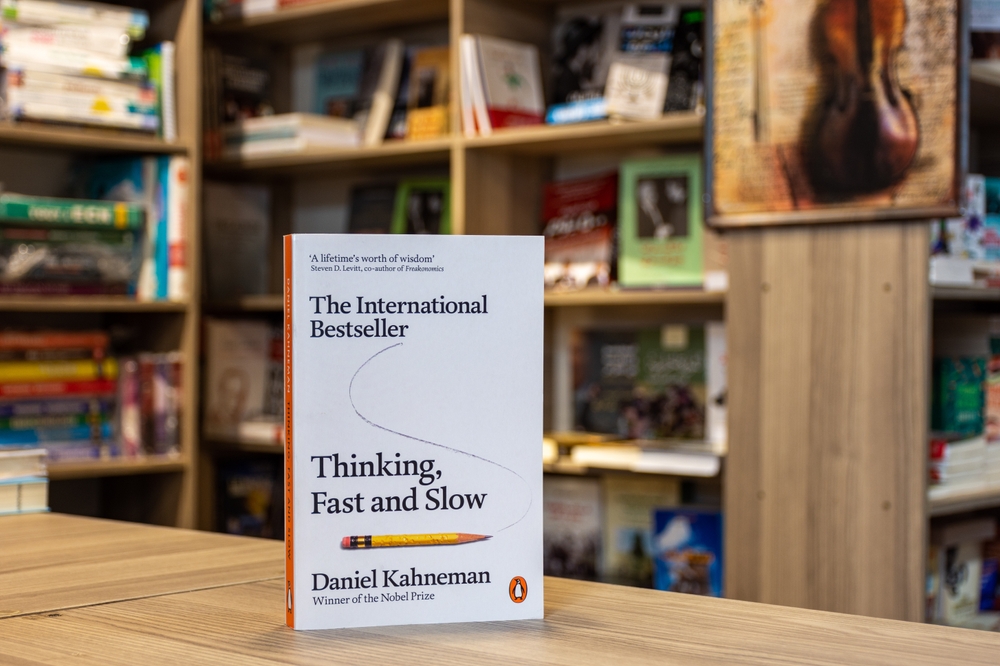
Daniel Kahneman will be missed. But his work on behavioral economics will forever be with us.
Evidence of overstretched households is emerging, which could threaten the soft landing scenario.
Negative interest rates have more cons than clear pros.
We need a much more conservative approach to projecting budget outcomes.
The negative rate experiment has ended. What comes next?
Cautious investment is holding back the outlook for European nations.
More charging stations and lower prices can break EV sales out of their slump.