US exchange-traded funds investing in Bitcoin recorded their highest daily net outflow to date as markets brace for Election Day.
The 2024 presidential campaign was marked by two assassination attempts, a candidate switch, divisive rhetoric and warnings about the fate of democracy. And that may have only been the beginning.
Next-generation investors are looking for more than just traditional portfolio managements, and advisors should look to meet those expectations.
A visit to the annual Bogleheads conference got Elm Wealth's Victor Haghani thinking about static vs. dynamic asset allocation.
Consistent communication through market events is vital for advisors concerned about client retention.
Politicians often promise to cap prices, but success is unlikely and would result in worse outcomes.
After driving Treasury yields higher for weeks, traders are taking chips off the table before the US election, reluctant to take bold bond bets with the presidential race too close to call.
The age of a typical homebuyer jumped to an all-time high of 56 in the US, with many young people locked out of the housing market while older owners tap their accumulated home equity for cash purchases or to make large down payments, according to a report.
Treasury yields fell sharply and the dollar weakened as investors pared bets on Republican Donald Trump prevailing in Tuesday’s US election.
RIAs should consider becoming more like VC firms by adopting the principles that govern them.
Stocks struggled for direction, bonds rose and the dollar fell, with polls continuing to depict a tight race in the US presidential election ahead of the Federal Reserve decision.
Ryanair Holdings Plc cut its passenger growth target for next year because of delivery delays from aircraft supplier Boeing Co.
Protect yourself with Treasury Inflation Protected Securities (TIPS), precious metals, certain real estate like farmland, and other real assets.
Legendary investors Paul Tudor Jones and Stan Druckenmiller are short bonds. You might want to carefully consider the data before you follow their lead.
Bill Bernstein digs into a book that follows the complicated history of Elon Musk's chaotic acquisition of Twitter and its subsequent transformation into X.
Intel Corp. and Samsung Electronics Co. have shed a total of $227 billion in market value this year on their lack of leadership in artificial intelligence.
Amazon.com Inc. reported strong results that showed a company humming on all cylinders, a testament to its efforts to cut and reallocate costs and put the cloud computing and e-commerce giant on sounder footing.
Three months ago, Wall Street punished the world’s largest technology firms for spending enormous amounts to develop artificial intelligence, only to deliver results that failed to justify the costs.
Investors who’ve been hedging against a deeper selloff in US Treasuries are preparing for volatility as Friday’s hurricane- and strike-tinged US employment report offers final clues ahead of next week’s Federal Reserve policy decision.
A middle-aged man who works in emergency services in the US had been battling depression and suicidal thoughts for 17 years, unable to sleep most nights and leaving his wife and teen daughter walking on eggshells because of his irritability, before he opted for a shot in the dark.
Builders are an important part of any plausible fix for the housing shortage in the United States — not only constructing more homes but also finding ways to improve affordability.
Apple Inc., heading into its most critical sales period of the year, sparked fresh concerns about revenue growth and lingering weakness in an intensely competitive China market.
Municipal bonds are an important component in a well-diversified fixed income allocation. We recently caught up with Sylvia Yeh, co-head of municipal fixed income at Goldman Sachs Asset Management, to dive deeper into this unique bond category.
Today, Apple is having to become a different type of company. Its two most important products are being developed very much in the full view of the public, and I would say before they have met the previous Apple standard. “It just works” is now “we’re working on it.”
It’s a good time to buy asset-backed securities tied to data centers, according to a October research note from DoubleLine Capital LP, as demand for digital infrastructure is booming and supply is constrained by energy requirements.
Meta Platforms Inc. CEO Mark Zuckerberg will ramp up heavy investments in AI and other futuristic technologies, continuing a years-long tug-of-war between the company’s long-term bets and the core advertising business that provides the vast majority of Meta’s revenue.
For the land of free markets and open competition, the US has surprisingly little choice when it comes to payments. Americans use cards for most of their purchases, and most of those transactions are handled by just two companies, Visa or Mastercard, which levy billions of dollars of fees on the merchants that rely on them.
The Federal Reserve’s preferred measure of underlying US inflation posted its biggest monthly gain since April, bolstering the case for a slower pace of interest-rate cuts following last month’s outsize reduction.
If Elon Musk sold plug-in hybrid vehicles, he surely wouldn’t call them plug-in hybrid vehicles, or PHEVs, or anything else that sounds coined by an engineer. Far too clunky. Surely “Cyborgtruck” would offer a more futuristic spin on these marriages of gasoline and batteries?
In a corner of the credit market that regulators last year characterized as a potential hot-bed of greenwashing, there are signs that bankers have been cracking down on corporate pitches.
Gold rose to a record on Wednesday on haven demand before the US election, and held a narrow gain after jobs and GDP data that showed the ongoing resilience of the US economy.
Google parent Alphabet Inc. is showing an expensive foray into artificial intelligence is starting to pay off, delivering better-than-expected sales for its cloud-computing business and driving more usage of its flagship search engine.
To understand the wave of bank partnerships with private-credit fund managers during the past year or so, think back to the boom in mortgage lending through securitization in the early 2000s. The same forces are at work: a huge demand for finance, limited and costly bank capital and investment bankers’ ingenuity and desire to generate business.
In corporate-speak, when a company says a key target is “currently” unchanged but it plans to disclose a “review” soon, you know trouble is coming. And indeed, there’s trouble ahead for BP Plc.
Questioning leads to closing. A number of the advisors I work with are pretty good at engaging, asking questions and caring about the answers. However, they are really uncomfortable with the close. I promised you I wouldn’t give you coaching on “closing,” so I won’t.
I’ve identified long-term care as the greatest unsolved challenge in the field of goals-based retirement investing. This doesn’t make me Sherlock Holmes. Anyone who has requested a quote for LTCI knows we’ve got a problem.
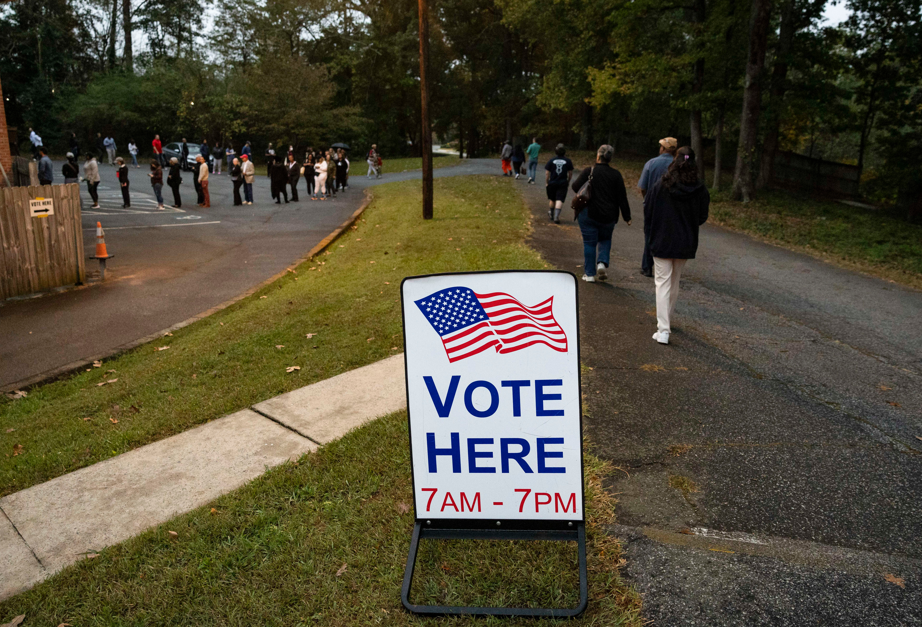
While the overall market tends to respond favorably once the uncertainty of the election is behind us, it's important to recognize that there will be different winners and losers depending on the outcome.
The "ideal life" is a harmful myth that can distort perceptions of success and happiness. By recognizing different values and goals, you can foster a more inclusive – and realistic – understanding of what it means to lead a fulfilling life.
Most advisors grow by referral and word of mouth. But what happens when your clients stop talking about you? Here are three ways to start marketing.
The greatest dangers to a portfolio during an election year are either external events or the investor’s own actions. An election year makes staying the course more important than ever.
Alphabet Inc. shares have gone nowhere for months, trailing Magnificent Seven peers as investors struggle to price risks confronting the company. It’s a stretch to believe Tuesday’s results will blow away those concerns.
The titans of finance who congregated in Riyadh this week for Saudi Arabia’s annual Davos-style confab were mostly upbeat on the prospects for the US economy, but concerned about more sluggish growth in Europe.
If you’re unfamiliar with synthetic risk transfers, there’s a chance you’ll hear all about them when the next financial crisis hits. They’re the latest way for big banks to game rules designed to safeguard the system, and they’re growing fast. So far, regulators seem all but oblivious.
The US presidential election Nov. 5 is shaping up to be the mother of event risks so you’d think the safest of all havens would be holding up. But it’s not — and that’s only one of the notable anomalies springing up in financial markets. Yields on 10-year US Treasuries have risen nearly 70 basis points since the Federal Reserve's punchy half-point initial rate cut on Sept. 17.
Apple Inc.’s iPhone exports from India jumped by a third in the six months through September, underscoring its push to expand manufacturing in the country and reduce dependence on China.
When done effectively, your outsourced team of professionals can help improve efficiencies, increase productivity, and scale profitably – all while giving you the freedom to focus on what you’re most passionate about.
There is a demographic that likes to work with you and consistently hires you – you probably just don’t have it defined for you and your team. If you don’t know who you work best with, there is no way that your prospect efforts will be profitable. Rather, they will be coincidental.
Here, we'll explore why serving family offices is a natural fit for many RIAs, discuss the considerations that need to be factored in when launching an MFO practice, and offer a roadmap for successfully building one.
Digital assets are emerging as a crucial subset of alternative investments, and their integration into wealth management portfolios is inevitable.
Private equity can play an important role in an investor’s portfolio, offering strong return potential, increased diversification, and expanded investment opportunity. But a key step to the success of these investments is selecting the right manager.