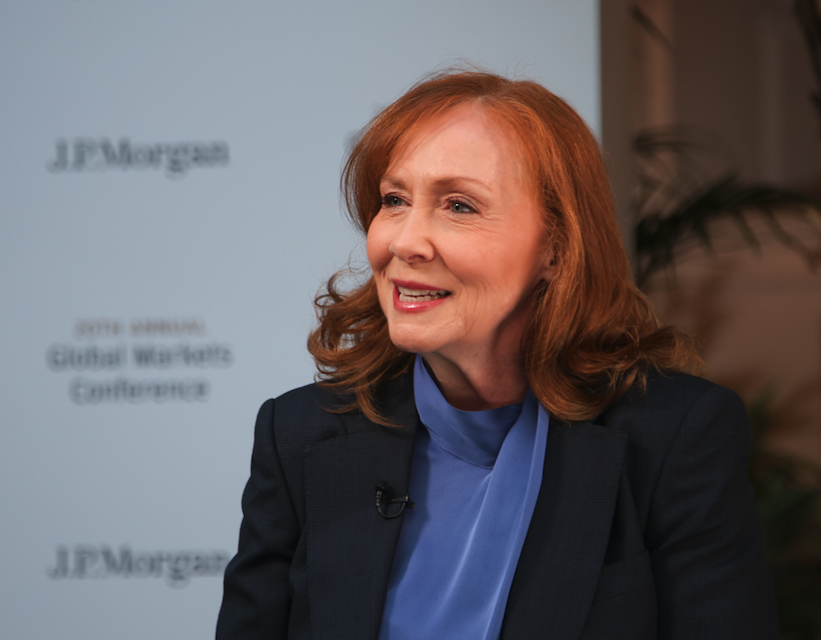
One of JPMorgan Chase & Co.’s most senior executives is leaving the bank after a four-decade career, in which she most recently led its artificial intelligence drive from a coveted spot on its top operating committee.
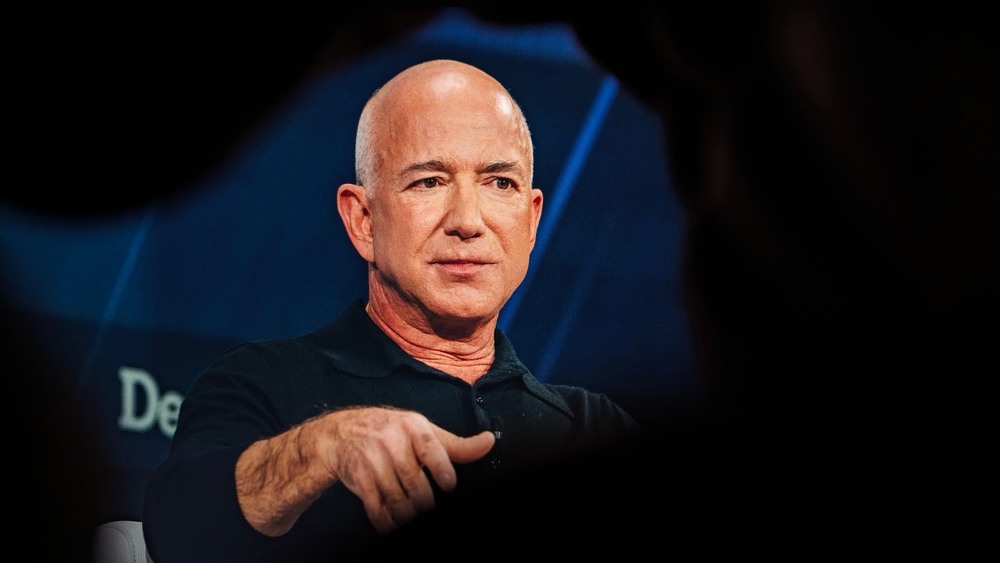
Slate Auto, the electric vehicle start-up backed by Jeff Bezos, is a grand experiment in whether austerity sells — and a warning for the US auto sector.
The artificial intelligence boom has a power problem, and Wall Street is betting billions on companies that promise to solve it — even if some of the technology hasn’t been fully developed yet.
The head of BlackRock Inc.’s beleaguered private credit fund is in the process of leaving the firm, a move that follows months of losses on soured loans and revelations of a US regulatory probe into the unit’s valuation practices.
The business of overseeing individually tailored municipal-bond portfolios has continued to grow rapidly, turning those money managers into the biggest holders of state and local government debt, according to JPMorgan Chase & Co.
With the artificial intelligence race moving so rapidly, even a momentary lag can be costly. Alphabet Inc.’s Google is learning this the hard way: The search giant rapidly caught up with
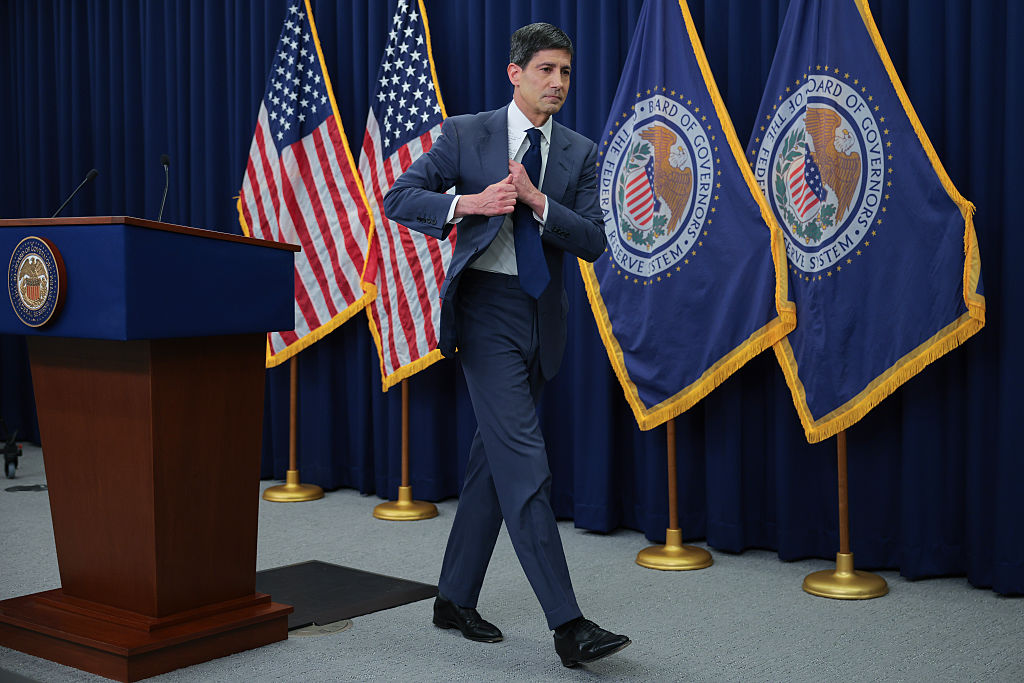
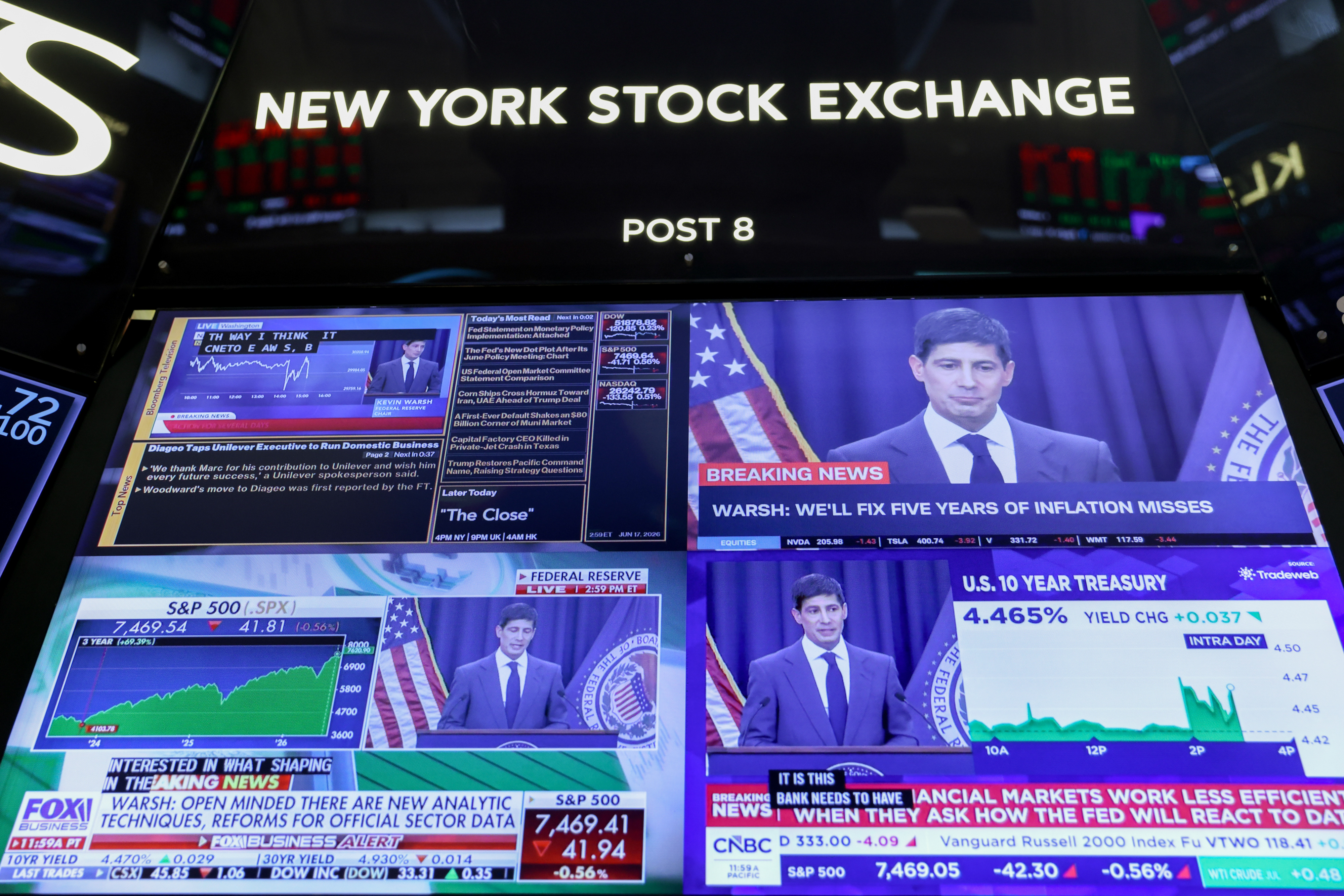
Federal Reserve Chairman Kevin Warsh said price risks have come down in recent weeks, while repeating his determination to bring inflation back to the US central bank’s 2% target.
This debate also highlights a broader challenge facing markets today — balancing the desire for transparency with the need to encourage long-term thinking. Despite how often companies report results, investors will still need to discern short-term noise from long-term value.
The firms that operate rigorous vendor evaluation will compound two advantages simultaneously: They buy the right tools now, and their advisors trust them when the next generation of AI arrives. In a decade that will be defined by the industry's capacity to do more with fewer people, that trust is a strategic asset.
Acquiring a book of business is one of the fastest ways an independent advisor can grow AUM, expand a client base, and build long-term enterprise value. It is also one of the most financially consequential decisions you will ever make — and most advisors approach it underprepared.
A private bond market dating back more than a century is opening a new front in the trillion-dollar AI funding boom, allowing tech borrowers to sell debt directly to deep-pocketed insurance firms.
July is a great time to buy stocks. In fact, it’s been the best month for the S&P 500 Index in the past two decades. Bulls are finding comfort in that history ahead of what stands to be an eventful stretch.
At the start of the regional war in February, Wall Street banks were grappling with the prospect of a protracted slowdown in the Middle East. Three months in, many firms are rushing to add bankers after local investors largely looked past the conflict and doubled down on dealmaking.
Meta Platforms Inc. is developing plans for a cloud infrastructure business that will sell access to AI computing power and models, setting up a new vector of competition with industry leaders like Amazon Web Services, Microsoft Azure and Google Cloud.
If your heart and mind tell you to go looking for someone older because that’s going to fit your culture more effectively, by all means search in that direction. Just don’t give up on younger, next-generation team members without making sure you have given them every opportunity to succeed.
The US Securities and Exchange Commission is signaling a potential rethink of how it oversees exchange-traded funds after a recent wave of filings for prediction-market ETFs prompted fresh scrutiny of the existing regulatory framework.
The OBBBA created something the industry rarely gets: a defined planning window without a hard deadline attached. Exemptions are historically high, the law has no sunset, and there's a real body of existing work that needs revisiting. The advisors who treat this as an opportunity, rather than waiting for a client to ask, will drive much stronger outcomes compared to those who don’t.
Even people whose money beliefs and behaviors align more closely are not necessarily an ideal match. Partners whose predominant money scripts fall into the money vigilance category may both track expenses, openly discuss finances, and hold similar values around saving.
These are dark days for free-market economists when one of the few areas of bipartisan consensus is for a terrible idea: Both Vice President JD Vance and Senator Bernie Sanders want the federal government to take an explicit stake in AI firms.
Oil headed for the biggest quarterly decline since the pandemic as flows through the Strait of Hormuz accelerated following progress on a peace deal, with Morgan Stanley warning of a potential glut ahead.
Chip stocks are heading for their best quarter ever, extending an extraordinary start to the year driven by insatiable demand for artificial intelligence equipment. But after recent jitters sent the stocks tumbling, investors are wondering how much further the rally can go.
A sharp rise in the dollar may emerge as one of the biggest “pain trades” in the second half of the year, according to HSBC Holdings Plc.
Meme mania swept through Wall Street in 2021. Retail investors gathered on social media and coordinated trading strategies to short squeeze high-profile hedge funds.
Markets will continue to shift. Headlines will change. Volatility will come and go. What endures is the value of having a thoughtful, well-constructed plan. Planning creates structure during uncertain periods and helps clients stay focused on long-term goals instead of short-term noise.
Jesse Livermore’s prolific trading stories about the fortunes he made and lost are well documented in two books. While his career was marked by the incredible volatility of his wealth, and some consider him a failure as he died broke, his market knowledge is invaluable. Accordingly, we share his 21 market rules.
The way the SPIVA U.S. Scorecard evaluates performance is not well aligned with the experience of investors. Adjusting for this reveals a more balanced view of active fund performance. While active and passive U.S. equity funds perform similarly, active bond funds tend to outperform.
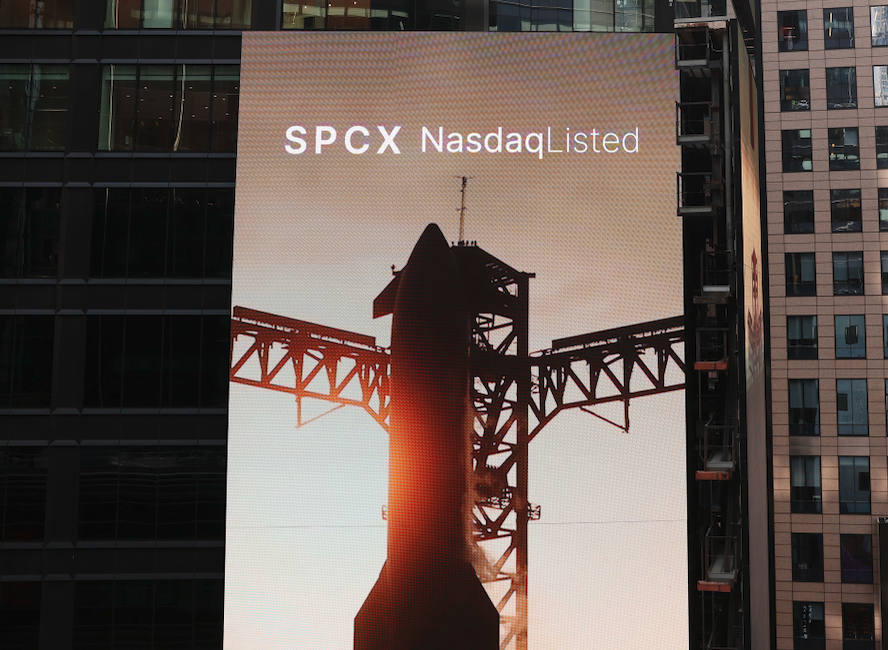
Wall Street bankers are on a high after record-setting offerings from SpaceX and Google parent Alphabet Inc., lifting expectations for deal activity in the rest of 2026. More deals are on the way, including a steady stream of initial public offerings in the coming weeks, and a potential mega-deal for Anthropic PBC as soon as October.
European firms in critical sectors like nuclear energy and quantum computing are flocking to the US, despite efforts by European authorities and bourses to make the region’s markets more appealing and accessible.
Microsoft Corp. shares are heading for their worst month in years as investors continue to fret about how the software giant will fare in a world marked by artificial intelligence.
Social Security is now just six years away from insolvency, according to the latest annual assessment. Many in Congress might like to keep on ignoring the problem, as they have for years, but this won’t be an option much longer. Senators elected in November will see the system’s trust fund empty during their terms.
The Federal Reserve’s new chairman, Kevin Warsh, plans to convene no fewer than five task forces to review the central bank’s methods and operations. They will ask how the Fed can improve its communications, balance-sheet policy, use of data, understanding of “productivity and jobs in an era of transformation,” and delivery of price stability.
This roller-coaster week for tech stocks from Seoul to New York fueled by extreme investor positioning and worries over chip demand is sending a strong signal: the case for the artificial-intelligence trade is still strong, but the days of everything going up in a straight line appear to be over.
The dollar is wrapping up one of its best months in a year as a raft of Wall Street banks see a turnaround of fortunes for the US currency.
SpaceX’s blockbuster bond sale is weakening so quickly in the secondary market that traders say they can’t recall another recent deal that widened this sharply.
Bitcoin’s collapse is forcing crypto veterans to confront the question every bear market eventually asks: when does mass panic create a buying opportunity? The answer, according to many of the investors and analysts who have lived through previous boom-and-bust cycles, is: not yet.
JPMorgan Chase & Co. named Troy Rohrbaugh and Doug Petno co-presidents as the abrupt departure of consumer banking chief Marianne Lake marked another twist in the race to succeed Chief Executive Officer Jamie Dimon.
Market professionals already on edge about the staying power of soaring artificial intelligence stocks are starting to grapple with another risk: public anger toward the technology.
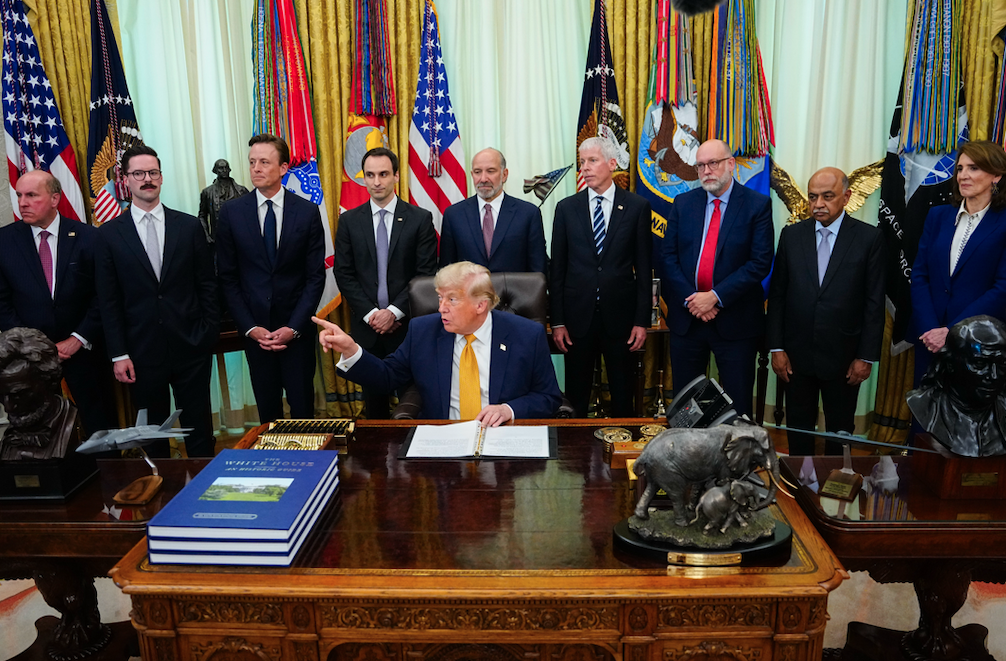
President Donald Trump signed executive orders Monday aimed at accelerating quantum research, laying the groundwork for federal agencies to adopt the technology and strengthen US defenses against cyberattacks.
Alphabet Inc.’s addition to the Dow Jones Industrial Average marks another step in the benchmark’s effort to catch up with a market increasingly defined by Big Tech.
With back-to-back announcements this week, SK Hynix Inc. and Micron Technology Inc. have solidified the memory chip market as the hottest part of the AI industry.
Federal Reserve Chair Kevin Warsh is changing how the central bank conducts monetary policy. A fresh look is appropriate, especially given the Fed’s failure to achieve its 2% inflation objective for more than five years. But this needs to be done with greater care than Warsh has shown to date.
That gap — between believing you are excellent and being able to prove it — is the central problem this article addresses. And solving it is precisely what “The 80/20 Manifesto” was written to do.
I have run sales teams, developed sales teams, trained salespeople and trained advisors for many years. Education is your best bet, but if people are focused on growth at all costs, sometimes they aren’t in a position to really listen.
Advisors have largely made up their minds about AI. What they have not settled is governance. AI adoption ran ahead of policy, the way it usually does, and the gap between the two is where the trouble starts.
US technology stocks rebounded, lifting key indexes, after the latest flareup of concerns about the scale of the artificial-intelligence-fueled rally wiped nearly $1.3 trillion from the market capitalization of Nasdaq 100 companies over the first two days of the week.
When investors feel like the stock market is toppy, as many do now, they often compare what they expect stocks and bonds to pay. The yield on stocks should offer a premium over bonds to compensate for higher risk, and it usually does.
Alan Greenspan, the titan of global central banking who led the Federal Reserve during decades of prosperity, has died at 100, just when elements of his free-market philosophy are experiencing a renaissance.
SpaceX is seeking to raise between $20 billion and $25 billion from a debut bond offering on Tuesday, after attracting about $30 billion of investor orders even before the sales process had formally begun, according to people with knowledge of the matter. At that size, the deal would rank among the biggest of the year, according to Bloomberg-compiled data.
A massive profit warning from BMW AG last week delivered yet more evidence that Germany’s automaking business model is broken. With Volkswagen AG’s top executives reportedly worried about existential threats to their company, BMW’s woes aren’t isolated.
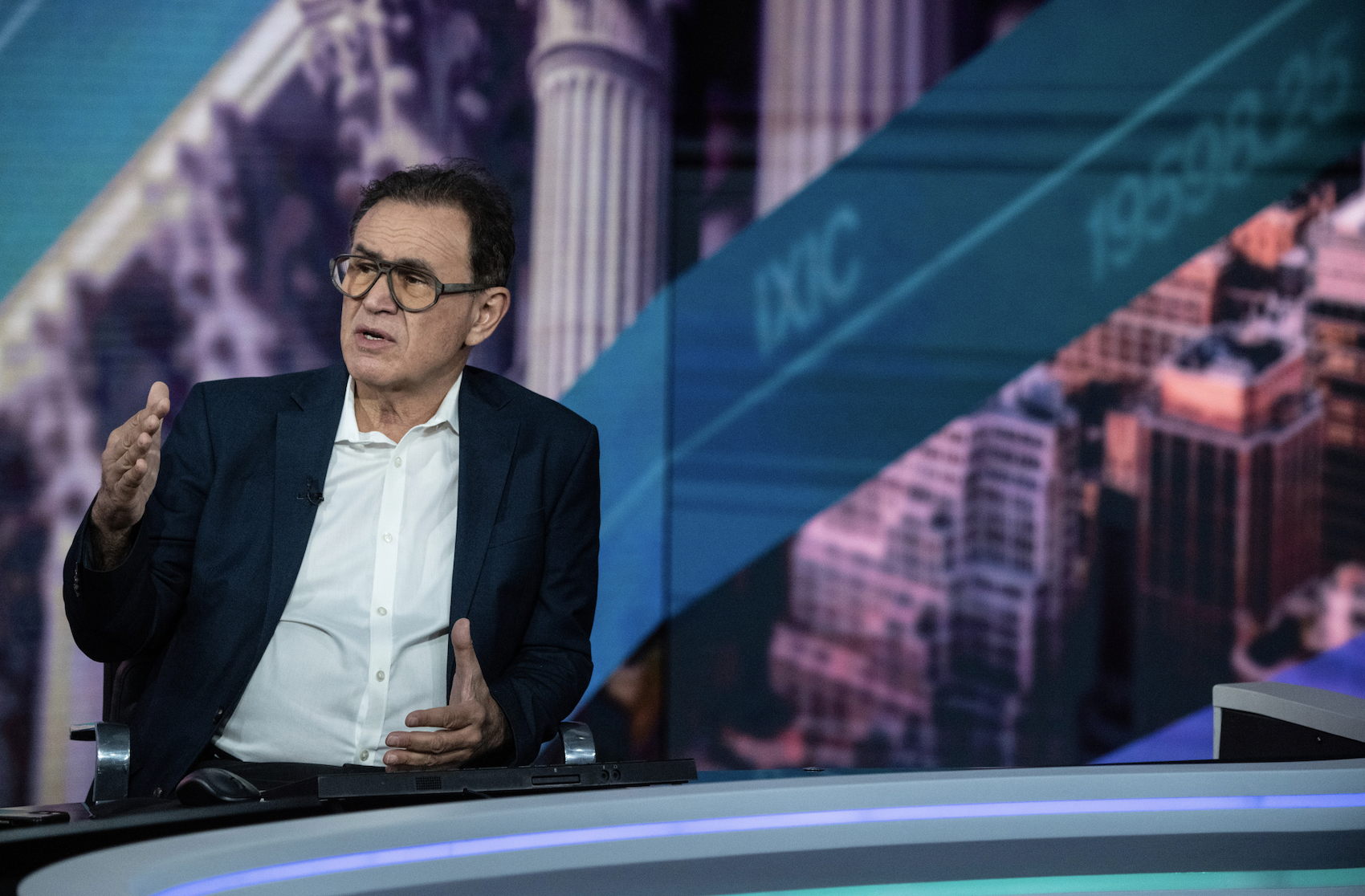
Nouriel Roubini, the economist known for predicting the 2008 financial crisis and later for his sharp criticism of crypto, is putting one of his investment products on the blockchain.