Do advisors need to accept that technology will forever be a drag, or can the right approach lead to personal happiness and a more productive practice?
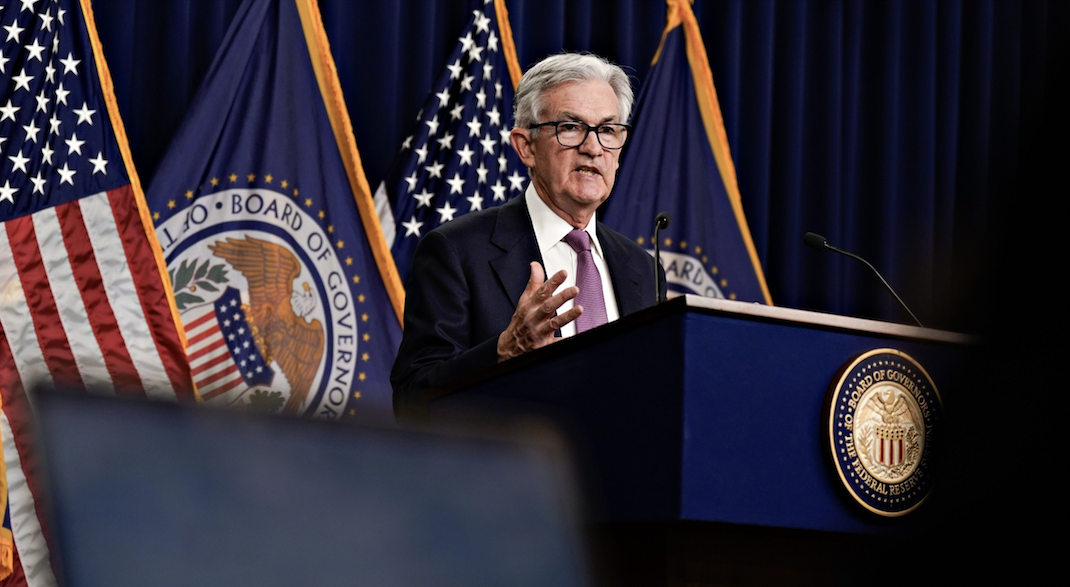
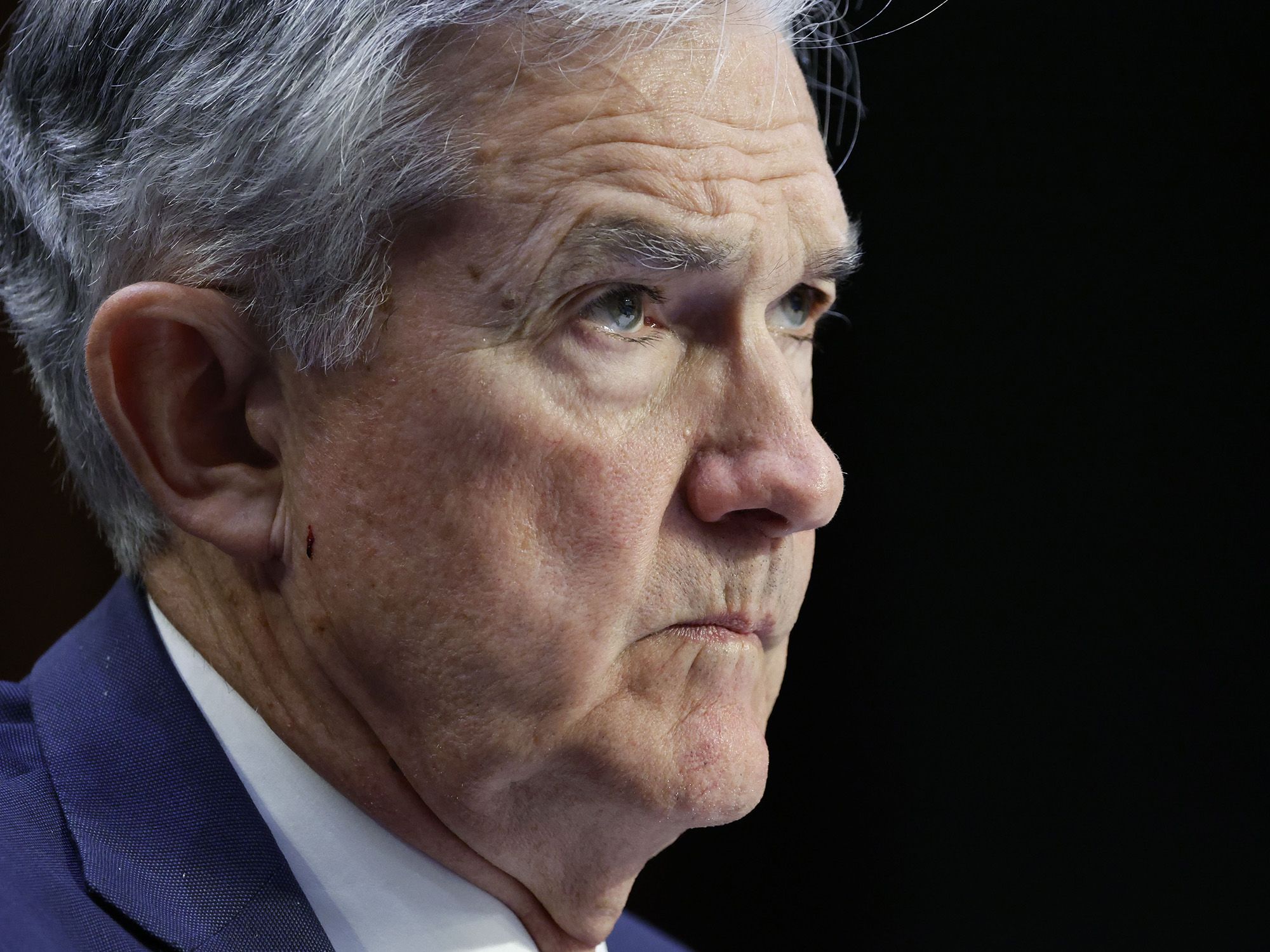
All eyes in the financial and economic world will be laser-focused Wednesday on the Federal Reserve as Chair Jerome Powell tries to balance his fight against inflation against a sudden banking crisis.
Easing financial conditions globally have made Morgan Stanley “outright bullish” on growth stocks in Asia and emerging markets versus their value peers.
A Singapore-based fintech investment firm is close to raising $100 million to back finance and blockchain startups in China and Southeast Asia.
A question has arisen amid all the bank failures. How, with the bond market enduring its worst spasm of volatility in almost four decades, have benchmark-level stocks managed to glide along, oases of calm?
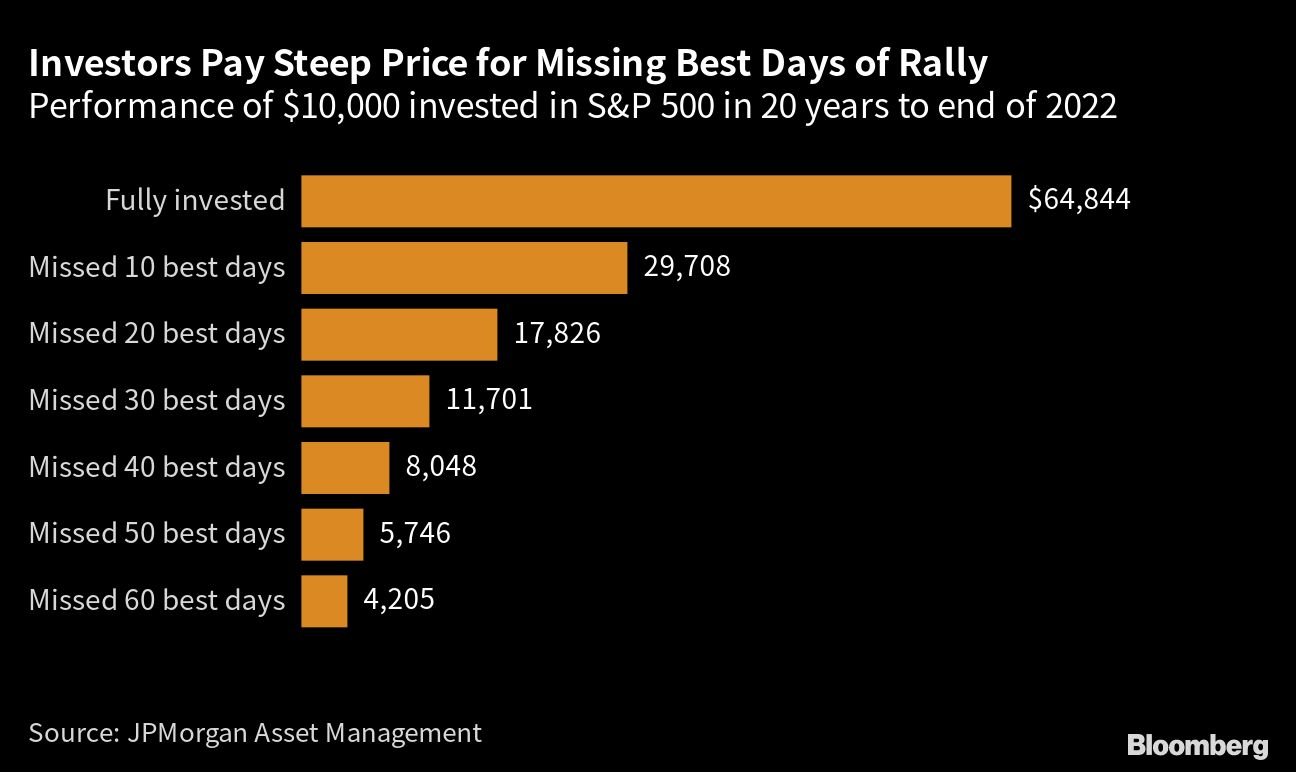
Some of the world’s biggest investors are looking beyond interest-rate hikes, bank failures and the threat of recession to one of the greatest fears of all money managers — missing out on the next big rally.
US officials are studying ways they might temporarily expand Federal Deposit Insurance Corp. coverage to all deposits, a move sought by a coalition of banks arguing that it’s needed to head off a potential financial crisis.
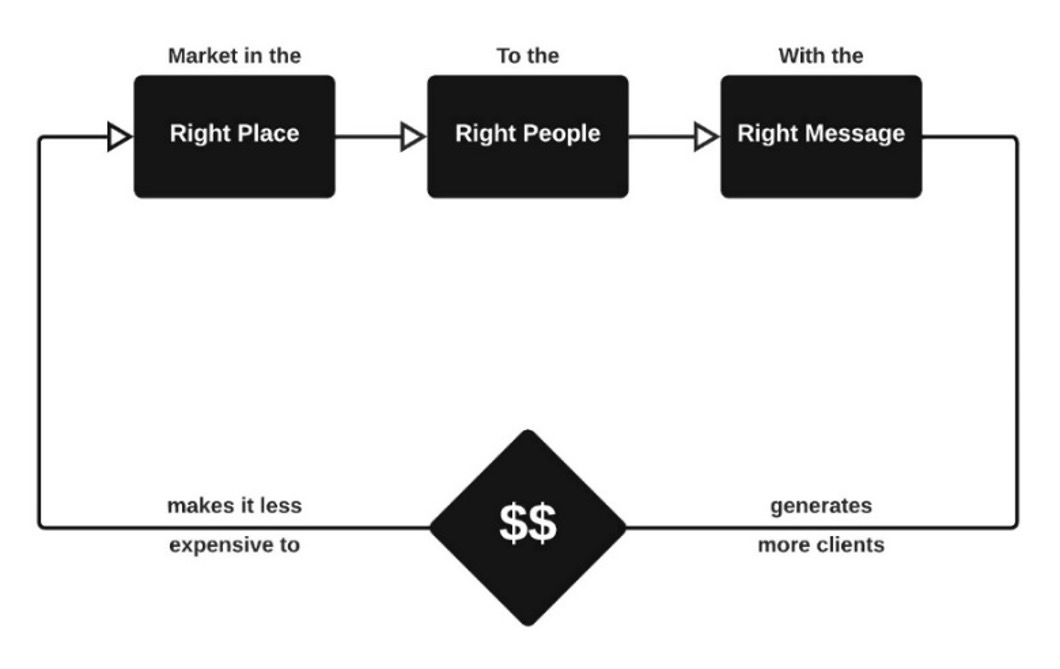
When I hear of advisors spending $80,000 on marketing and getting zero clients, as one advisor shared with me recently, I envision a revolving door.
You provide a lot of value to your clients. Save them from making even a single catastrophic financial mistake and your fees will forever be a moot point.
If you work with boomer-generation women, are you properly responding to their need for lifetime income? Consider this parable.
The best way to preemptively avoid paying unnecessary fees is by checking before the services are consumed.
Steve Chiavarone doesn’t want to scare anyone, but what he remembers most from the last banking crisis was how sure most people were that it wouldn’t happen.
Markets have been trading as if the end of the world is at hand – but what most participants see, behind the recent financial turmoil and contagion fears, is a still-strong US economy, the MLIV Pulse survey shows.
UBS Group AG agreed to buy Credit Suisse Group AG in a historic, government-brokered deal aimed at containing a crisis of confidence that had started to spread across global financial markets.
The strongest force standing in the way of nuclear energy is the antiquated, irrational fear of it.
New research confirms the valuable role that short sellers play in correcting the valuations of overpriced stocks.
A TIPS is risky in the short term and riskless in the long run, which is precisely the opposite of, and complementary to, a T-bill, which is riskless in the short term but, because of reinvestment rate volatility, risky in the long run.
The politics of the status quo creates the illusion of action, fostering the image that Social Security is a hot topic that has captured the attention of Washington.
My “five-step investment process” provides an ongoing systematic framework for making portfolio decisions, and further incorporating financial planning and tax considerations into overall portfolio construction.
The key to if — or when — the US economy falls into recession will depend on how the latest turmoil in the banking sector spills over to Main Street.
Just over a year before Silicon Valley Bank’s collapse threatened a generation of technology startups and their backers, the Federal Reserve Bank of San Francisco appointed a more senior team of examiners to assess the firm. They started calling out problem after problem.
Jamie Dimon and Janet Yellen were on a call Tuesday, when she floated an idea: What if the nation’s largest lenders deposited billions of dollars into First Republic Bank, the latest firm getting nudged toward the brink by a depositor panic
Merely advertising your presence in the marketplace is too vague and unspecific. It fails to project authority and generate trust.
Is upheaval in the banking sector the prelude to a financial crisis, or just the biggest bump yet on the road to restoring order to the economy? Stock investors clinging to hopes this too shall pass are having their tolerance for pain severely tested.
Treasury Secretary Janet Yellen told Congress on Thursday that the US banking system remains sound, seeking to reassure lawmakers, depositors and investors amid concerns about how the sector is regulated.
Federal Reserve Chair Jerome Powell faces growing calls from key lawmakers and regulatory experts for an independent investigation into the collapse of Silicon Valley Bank, not just an internal review by the Fed board.
The banking earthquake is sending shockwaves through the financial markets. The financial and economic aftershocks, soon to follow, are underappreciated and will prove worse than the earthquake.
Quiet hiring. Quiet quitting. Quiet firing. It seems everyone’s allergic to confrontation in the labor market.
With online lead generation, it’s easy to haul in a large amount of leads in a short amount of time and think you’ve hit the jackpot.
Here is a series of helpful tips and strategies (backed by several studies) that will optimize your time and increase the number of prospects and clients attending your webinars.
I meet many advisors who prioritize work over family and productivity over relationships. There’s a better way.
Should we tell our clients we need their help to grow our business?
Government debt yields plunged globally as mounting financial-stability concerns prompted bond traders to abandon bets on additional central-bank rate hikes and begin pricing in cuts by the Federal Reserve.
China can match the US in artificial intelligence thanks to the expertise of companies from Alibaba to Baidu, joining a global tech transformation that will dwarf the mobile revolution, according to industry pioneer Kai-Fu Lee.
Bridgewater Associates founder Ray Dalio warned Silicon Valley Bank’s failure shows cracks widening in global finance, joining other US billionaires raising the alarm on fallout from the lender’s collapse.
I've put together four steps for effectively reviewing and updating your digital listings to ensure they are accurate and up to date – this month.
When it comes to value, you can’t deliver too much. Here are five ways to deliver even more value to your clients this week – without beating them over the head.
Since you’re in the business of building and nurturing relationships, your social capital is one of your most valuable assets.
Investors are zeroing in on key parts of the market for short-term dollar borrowing to determine if and how signs of systemic stress might be emerging after the biggest US bank collapse in over a decade.
Some of the world’s top money managers are sitting on a windfall after the collapse of Silicon Valley Bank spurred the biggest rally in US Treasuries since the early 1980s.
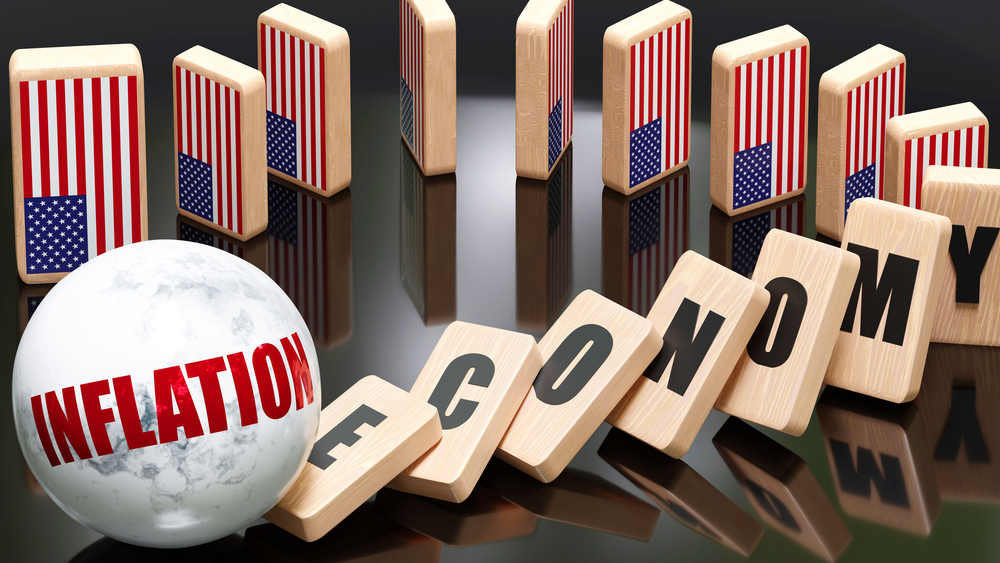
An acceleration in monthly core consumer prices seems likely to reinforce the Federal Reserve’s determination to raise interest rates to fight inflation, though the decision on next week’s move will be a tough call amid ongoing concern about financial turmoil.
Why don’t sellers of services transparently list one price that includes all fees?
Federal Reserve Chair Jerome Powell’s strategy to speed up the central bank’s inflation-fighting efforts is unraveling in the wake of Silicon Valley Bank’s collapse.
Your clients need a hero – one who can help them navigate the uncertain world and keep them on track to living their best lives no matter what circumstances they face. That hero should be their financial advisor.
Let’s explore the barriers that have kept alts in an ivory tower, why they’re becoming mainstream, and how advisors and their clients can incorporate alts into their portfolios.
Can we aggressively position assets today that have the potential for strong growth in the next 24 months when a tuition bill is due, without exposing those assets to market risk?
Here is some research on why our clients built a sizable portfolio while others had high income but little savings. I’ll address specifics on how to get savers to enjoy their money.
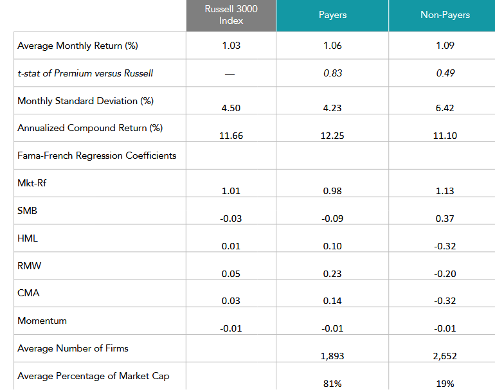
My research confirms what academic theory predicts: There has been no historical alpha among dividend-paying stocks, including those with a history of increasing dividends. Investors are better served by “tilting” allocations to factors that have historically outperformed (e.g., value).
Silicon Valley Bank became the biggest US lender to fail in more than a decade, creating fears of contagion in tech and finance sectors in the US and around the world.
US authorities took extraordinary measures to shore up confidence in the financial system after the collapse of Silicon Valley Bank, introducing a new backstop for banks that Federal Reserve officials said was big enough to protect the entire nation’s deposits.