A drumbeat of bad news for Apple Inc. is casting doubt on the argument that the world’s most valuable company is immune to risks related to economic turbulence.
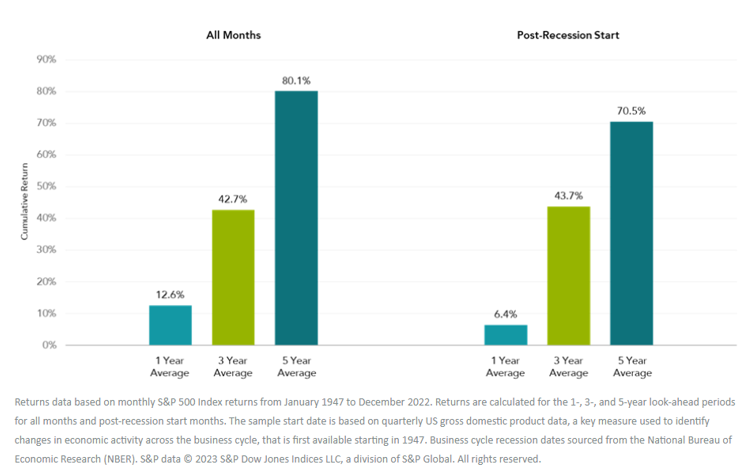
The popular 60/40 portfolio isn’t dead, and in fact is a significantly more compelling investment than cash over the coming decade, according to JPMorgan Asset Management.
Those closely following the quest for an exchange-traded fund that would hold Bitcoin have Friday circled on their calendars.
The AICPA PFP section approaches its 40th anniversary. The engagement of CPAs in providing personal financial guidance has deep professional roots.
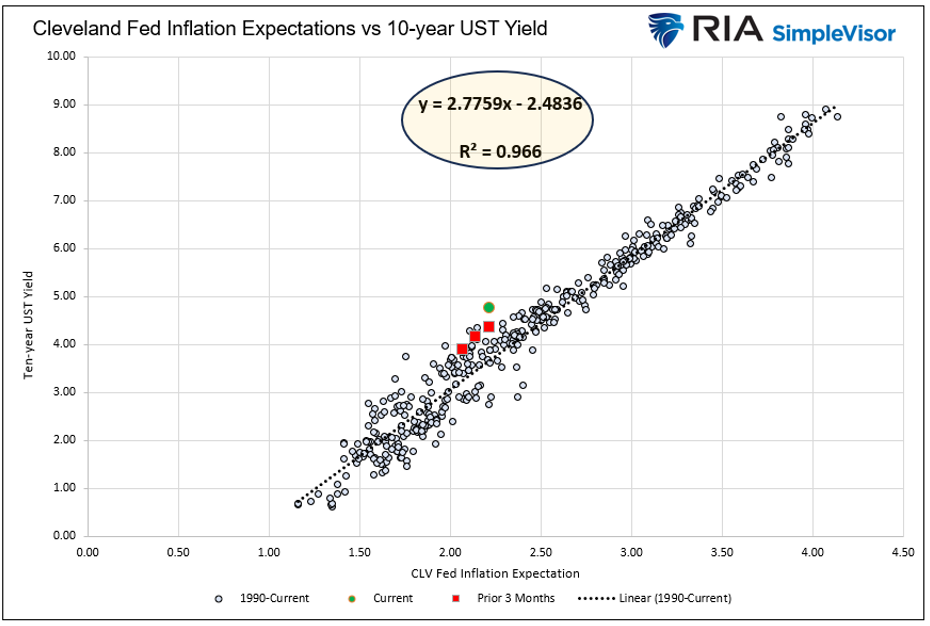
This article discusses one of my favorite bond fair-value models to show you the true bond-yield signal.
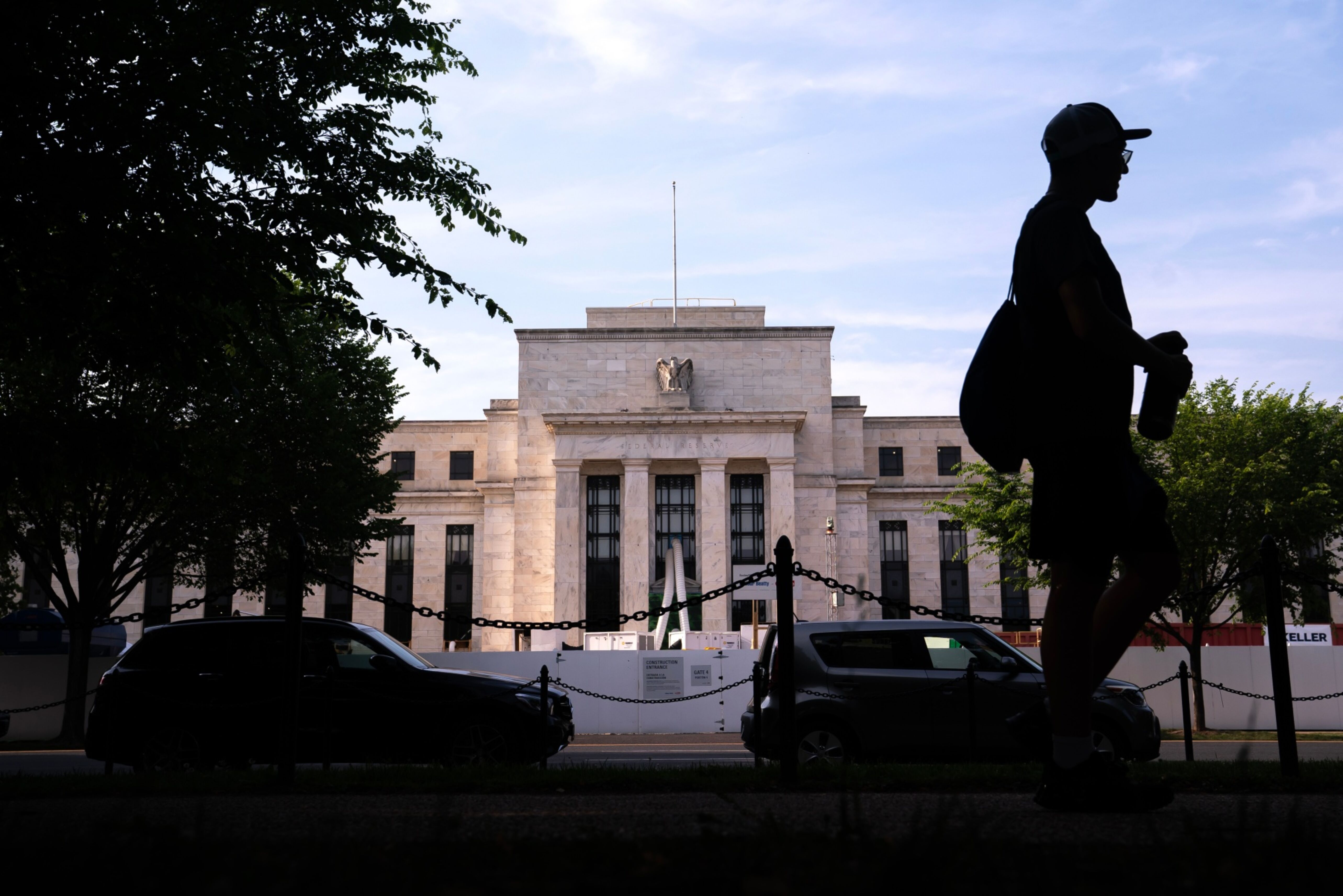
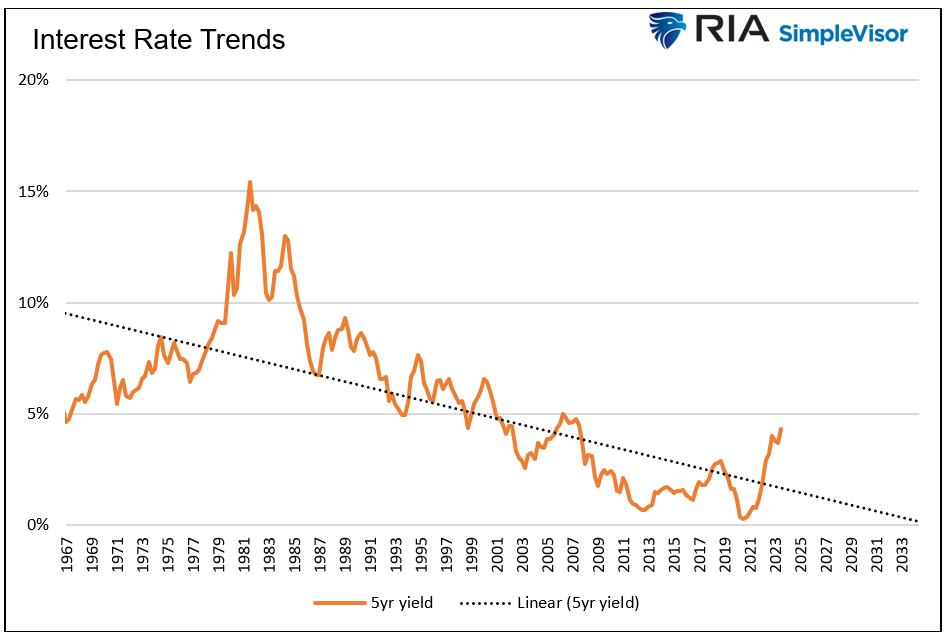
The US Federal Reserve’s efforts to quell inflation have sent long-term interest rates to their highest level in a generation, putting a lot of stress on banks, companies and anyone looking to finance a new home.
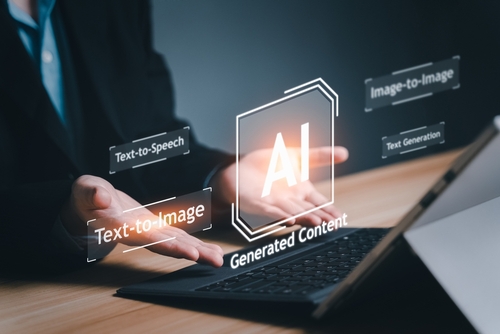
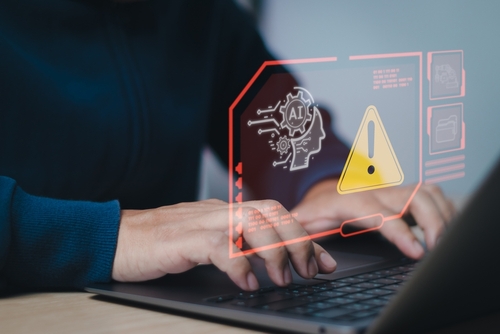
According to Gary Gensler, chair of the SEC, a market crash caused by artificial intelligence is “nearly unavoidable.” Like many other regulators, he has called for new regulations on AI to prevent such dire scenarios.
Dimensional’s new ETFs are good news for investors but raise issues for advisors.
US retail sales exceeded all forecasts and industrial production strengthened last month, fresh evidence of a resilient American consumer whose spending is helping stabilize manufacturing.
The Federal Reserve faces potential policy pitfalls ahead as it wrestles with how to respond to investor angst about the US government’s $33.5 trillion mountain of debt.
Treasury-market liquidity has mostly righted itself since the dislocations caused by the several regional bank failures in March, according to a Federal Reserve Bank of New York economist.
What’s hard for me is how often my wealthy clients don’t want to spend at all.
Trust is no longer created from your level of knowledge or expertise.
The Securities and Exchange Commission recently announced new rules for hedge funds to report on equity short positions. There’s nothing terrible in the rules, but they will impose pointless costs on investors, mainly because they were written by lawyers rather than accountants.
Howard Marks, the legendary credit investor and Oaktree Capital Management co-founder, has historically taken a humble approach to investing: the macro future is essentially unknowable, so active investors should focus on the small-picture things where they can gain an informational advantage.
A robust earnings season could be all it takes to fuel a year-end rally on Wall Street, eclipsing recent jitters from geopolitical tensions.
A brief 10% surge in Bitcoin gave traders a glimpse into the possible impact of a looming US Securities & Exchange Commission decision on whether to allow exchange-traded funds that invest directly in the cryptocurrency.
As my team and I talk with our clients, we’ve reflected on how generative AI can help enhance client service, decision-making, and more.
As Woody Brock explains, the fact that structural changes do exist, and that historical data are often of limited relevance presents a major opportunity for investors seeking to outperform others.
Goldman Sachs Group Inc. reported trading revenue that beat analysts’ estimates while a second straight quarter of real estate write downs dragged profit lower.
I’ll explore how you can take the lead in adopting technology to boost both competitiveness and growth.
There’s no nice way to say this: AI is coming for your job.
If you're concerned about the downside of leaving real estate to heirs, there are several alternatives.
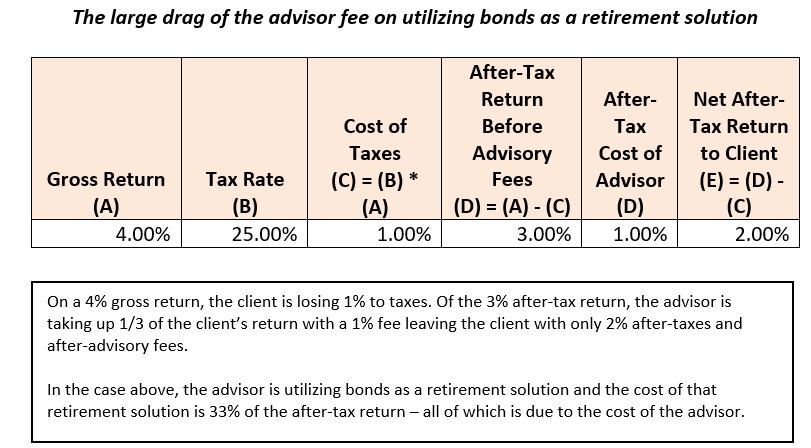
The choice to use an advisor in retirement is one that will cost clients and their beneficiaries millions of dollars in fees and opportunity costs as I show in this article.
New research shows that the tightening of bank lending standards – as is the case now – has led to stock-market underperformance. But with banks playing a smaller role in corporate finance, that finding has lost some relevance.
How worried should we be about AI and what should we do about it? There is risk on both sides: of not taking warnings about AI seriously enough, and of taking them too seriously.
While a goals-based approach divides a retiree’s liabilities (future spending goals/needs) and assets into separate pieces with separate mandates, it can be useful to see how they all stack together.
JPMorgan Chase & Co. Chief Executive Jamie Dimon calls it “over-earning,” but his isn’t the only bank that still hasn’t felt much pain from loan losses or rising deposit costs
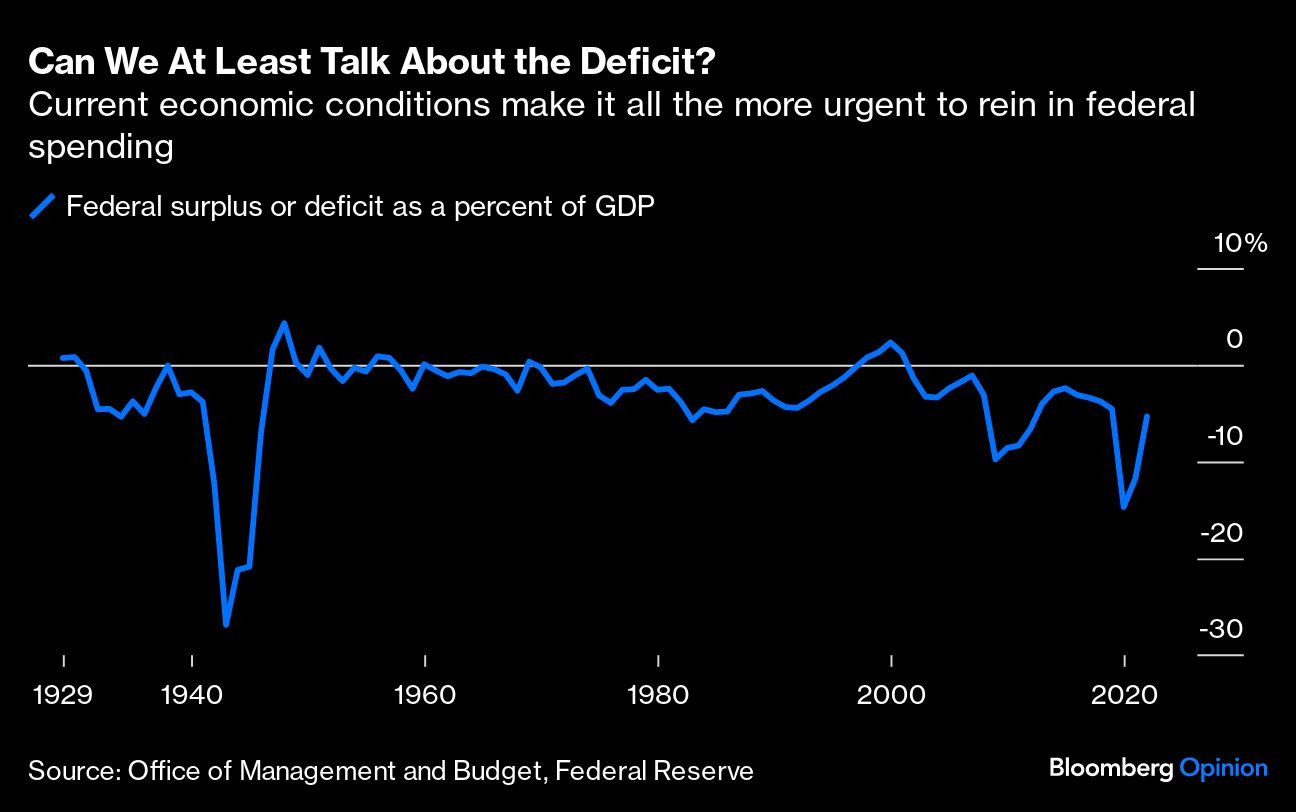
A decade ago, the US was deep into a misguided elite-driven freakout about the federal budget deficit. Back then, inflation was low, interest rates were low, and unemployment was high.
Florida’s farmers have spent nearly two decades fending off plagues, freezes and storms that decimated their orange crops. A growing number of them have had enough.
The outlook for earnings is weakening and could remain subdued, according to strategists from Morgan Stanley to JPMorgan Chase & Co.
Investors are growing more confident that a year-long slump in profits for Corporate America is about to end. Yet a fragile economic outlook, wary consumers and the highest interest rates in 16 years mean any relief for stocks could be short-lived.
From this research, advisors can discern ethical, non-manipulative ways to create more persuasive messages.
US housing affordability worsened to a fresh record low in August as Americans continue to bend under the weight of soaring mortgage rates and sticky prices.
When US banks kick off the third-quarter earnings season Friday, it will mark the first in a long line of hurdles the group needs to clear in order to assuage investor fears.
Amazon.com Inc. crowed over this week’s Prime Day sales, boasting that the two-day discount promotion “outpaced” last year’s event. Such a flashy description suggests the unofficial kickoff to the holiday season has set up the broader retail industry for a bright few months.
Hydrogen projects involving Amazon.com Inc., Exxon Mobil Corp. and Air Products and Chemicals Inc. are among those receiving portions of $7 billion in US funding meant to make the country a leader in the controversial fuel.
US consumers’ year-ahead inflation expectations rose sharply in early October, driving a steep deterioration in Americans' views of their finances as well as sentiment.
The pandemic changed many things about the economy — how we work, where we work and who we work with, for starters — but one of the most striking trends has been a big uptick in entrepreneurship.
Mortgage rates in the US rose for the fifth week in a row, topping 7.5% for the first time in more than two decades.
Crypto may have grabbed headlines last year, but the talk on Wall Street these days is all about options.
Market pricing, verbal cues from Federal Reserve members and the likely evolution of the economic data over the next couple of months all point in the same direction — the central bank is likely done raising interest rates.
When it comes to international trade and investment, AI will create some obvious winners and losers. It’s the second-order effects that may prove more interesting.
Fiduciary September just concluded. To generate further awareness, my organization, the Institute for the Fiduciary Standard, produced eight panels with 22 speakers.
The few remaining signs that the US economy is headed for a recession are vanishing before our eyes.
Getting John Beatson to pick stocks for you used to require a cool $25 million or thereabouts. Thanks to the newest trend in money management, these days it’s more like $25.
Amazon.com Inc.’s next big thing might be lurking in the expensive supply chain apparatus that’s helped transform its e-commerce business into a juggernaut.
The odds of a unicorn spraying rainbows across the sky and the government running a surplus are the same: zero percent.
The financial planning landscape is undergoing a great transformation, driven by emerging trends that have accelerated in recent years.
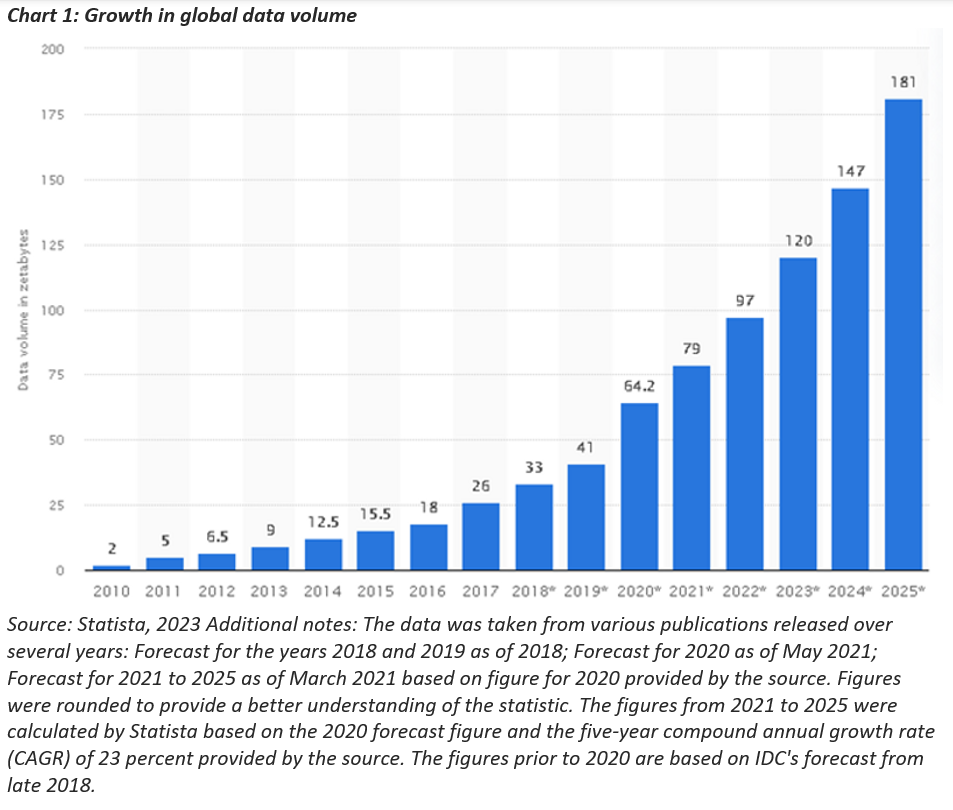
Data science will no longer remain the preserve of large quantitative managers.