The rout in US stocks has brought the S&P 500 Index to a crucial inflection point. It’s teetering near a correction after breaching 4,200 for the first time since May — a key technical level that may point to a longer-term selloff.
Embattled debt investors like the look of 5% Treasury yields as they weigh the risk-versus-reward scales for the world’s biggest bond market.
Amazon.com Inc.’s run as one of the best stocks this year will likely come down to the performance of a single business line: cloud computing.
Since taking a big leap upward in the 1940s and 1950s, the homeownership rate in the US has been remarkably steady since the 1960s, with close to two-thirds of households owning their homes.
Before we get carried away anew with declarations about how “the investing world is forever changing,” it’s worth remembering how fluid the relationship has proved over the past couple of years — and how another twist is always just around the corner.
The US economy grew at the fastest pace in nearly two years last quarter, fueled by a surge in consumer spending.
As 2023 enters the home stretch, I reflect on asset class performance for the year and discuss what my firm’s models are saying for the next 12 months.
Banks are taking a cautious approach in the investment-grade bond market amid some of the wildest swings in Treasuries in recent memory, waiting for pockets of calm to emerge as they seek to borrow before US officials can raise interest rates or tighten regulations further.
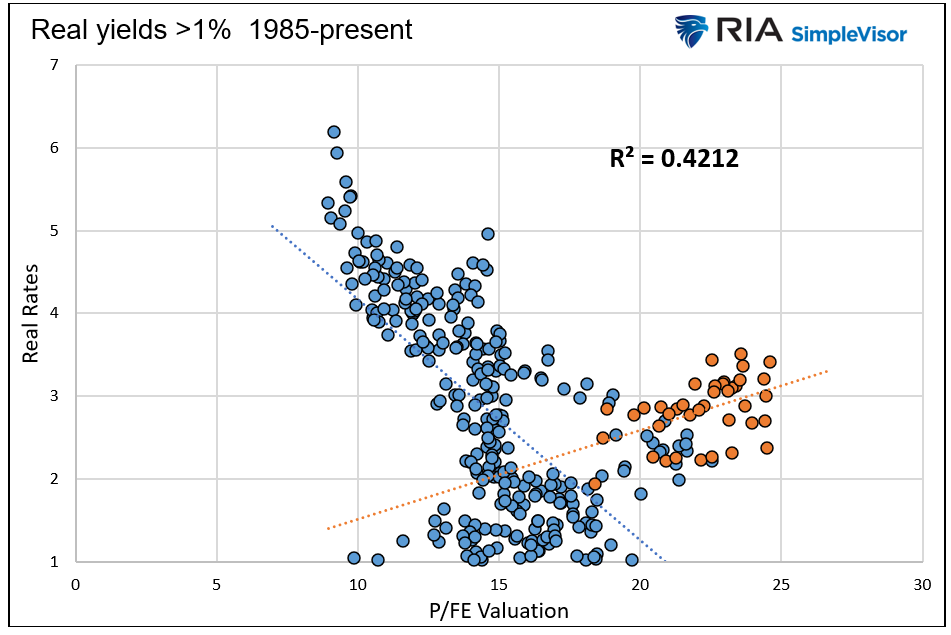
The relationship and the recent divergence between real rates and stock valuations is critical. Be ready for the historical trend to reassert itself.
I’ve identified nine skills and practices that will help you become a great leader and foster a culture that’s conducive to developing future leaders, not just followers.
A successful RIA hired a designer and spent $200,000 on a new logo as part of a project to create a new digital presence.
Being part of a football coaching staff fascinates me.
I don’t understand why it’s necessary to have an elaborate screening process to deal with prospects.
Maybe this time isn’t all that different for industrial companies. In a normal economic cycle, consumer-facing manufacturers feel the effects of a slowdown first, followed by industrial operations that can convert bookings into sales relatively quickly.
In the fiscal year that just ended, the US government borrowed $1.7 trillion, more than 6% of gross domestic product. Bear in mind, that was with an economy running hot, with high inflation and more than full employment.
Municipal-bond yields at the highest in more than a decade are spurring optimism on the part of investment managers, who have been dealing with persistent fund outflows this year as the market has struggled along with the rest of fixed income.
Here are my seven keys to emerging as a leader.
The worst selloff of longer-term Treasuries in more than four decades is putting a spotlight on the market’s biggest missing buyer: the Federal Reserve.
The lockstep moves that have gripped the US stock market this month look set to end — at least for a day. A slew of big tech earnings reports sent shares in heavyweights Microsoft Corp. and Alphabet Inc. careening in opposite directions.
When a prospect comes inbound, it’s easy to assume they know what they want, understand what they need, and recognize you as the one for them.
Once you gain someone's trust, they will accept almost anything you recommend. But trust is tough to earn and rarely given quickly.
Lately, Federal Reserve officials have been paying greater attention to financial conditions – that is, to the influence that market phenomena such as stock prices, bond yields and housing prices have on economic activity, above and beyond the effect of the short-term interest rates that the central bank controls directly.
Following systems and processes make all the difference in end-of-life care for clients.
What do we know, and not know, about macroeconomics? My co-author and I are currently revising our economics textbook — one of our decisions is to emphasize the Great Recession and the pandemic over the Great Depression — so I might be expected to have an answer to this question.
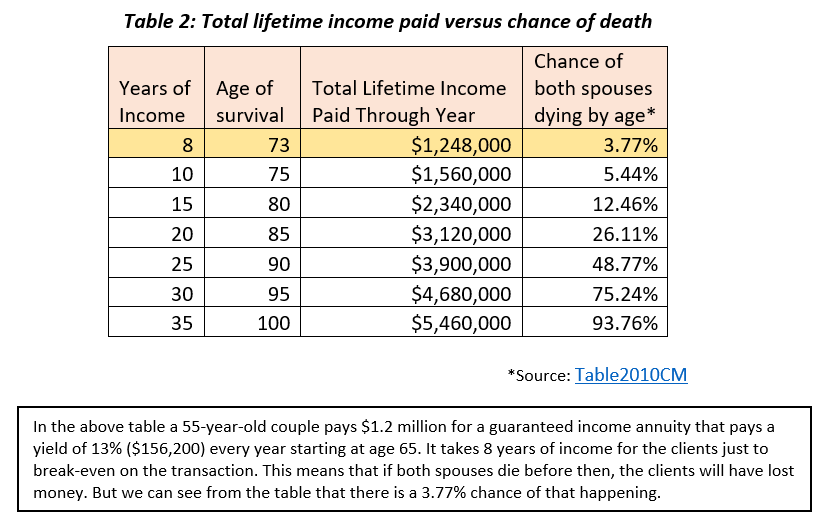
With interest rates at near 20-year highs, guaranteed lifetime income locks in those rates for the rest of one’s life, creating better retirement outcomes.
Wild swings in the “world’s safest asset” are once again acting as a driver for volatility across global markets.
Corporate America’s spending on share buybacks, a driver of the US stock market rally for over a decade, is slowing in the face of higher-for-longer interest rates and an uncertain economic backdrop.
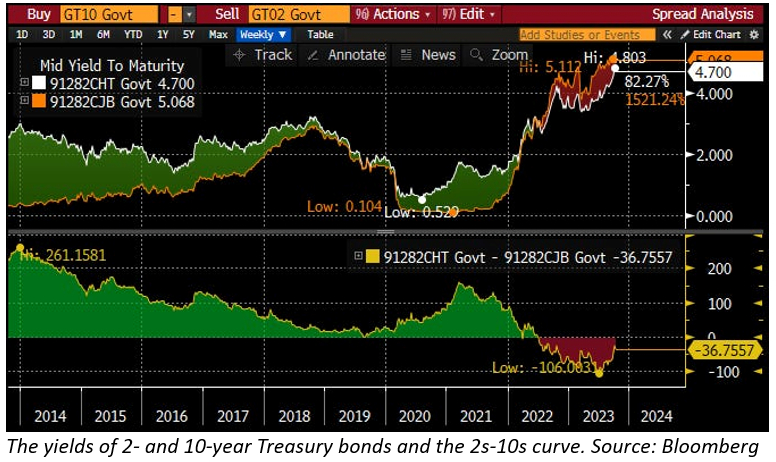
On Monday, the 10-year Treasury yield climbed over 5%, a 16-year high. It’s a level few would have predicted during the long run of rock-bottom interest rates that followed the Great Financial Crisis.
Is the work you do to make a living a job, a career, or a calling? Recognizing the difference will pay great dividends in many ways.
When it comes to the “art” of convincing people to buy services or products, I consider myself the worst salesperson on the planet.
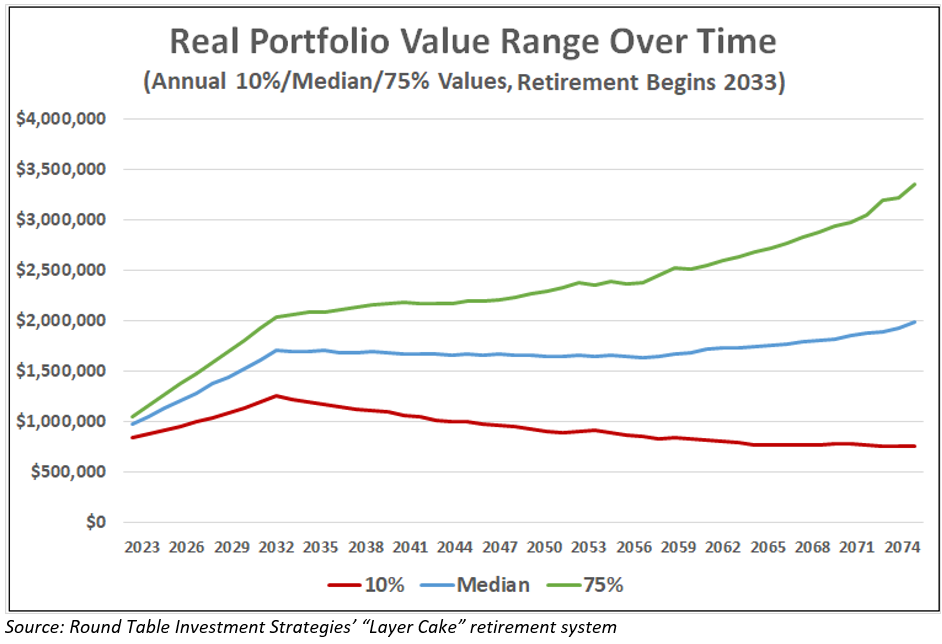
I previously discussed a method of applying long-run, risk-return insights to a goals-based approach to retirement investing. This article considers how to extend the process into the pre-retirement years.
Using a new database that isolates the activity of retail investors, new research documents their poor performance
Greater stability in US Treasuries is needed for the smooth functioning of other segments of the financial market, housing and the economy more broadly, both in America and beyond.
Many aspects of the economy are still being buffeted by the ripples from the pandemic, which makes precedents hard to apply, and should make everyone cautious as to their judgments. Housing market data is also, inevitably, reported with a lag.
For a fleeting moment this month, investment bankers in leveraged finance — the lucrative lending that oils the wheels of M&A and feeds the $1.3 trillion market for collateralized loan obligations — had rare cause for cheer.
The odds of a year-end rally in US stocks are fading as investors face a multitude of risks from elevated profit estimates to the Federal Reserve’s policy tightening, according to Morgan Stanley’s Michael Wilson.
A Bitcoin rally fueled by optimism about fresh demand from exchange-traded funds may have further to run if history is any guide.
Should you opt for transactional tactics that promise immediate results, or invest in transformational strategies that build a lasting business? Should you focus on short-term success or long-term sustained strategy?
Investors who snapped up shares of Nvidia Corp. at the bottom of last month’s swoon got a harsh reminder of the multiple forces pushing and pulling on the chipmaker’s business prospects.
Bitcoin topped $30,000 for the second time this week on growing expectations that another favorable court action raises the likelihood that an exchange-traded fund holding the cryptocurrency will finally be approved.
Tesla Inc.’s price cuts this year show customers are no longer willing to pay a premium for its vehicles. That raises a key question on Wall Street: Does its lofty stock-market valuation make sense anymore?
Investor positioning in stocks has become so bearish that it’s triggered a “contrarian buy signal” in a custom Bank of America Corp. indicator, setting up the asset class for a short-term rally, according to strategist Michael Hartnett.
The $25.8 trillion market for US Treasury debt is like the circulatory system for the world’s financial markets — everything else relies on it. In recent years blockages have occasionally formed, and central banks have had to step in to restore the money flow.
For the first time since the Federal Reserve started raising interest rates, every part of the housing market is now poised to worsen.
Top US regulators are zeroing in on dangers posed by highly leveraged hedge fund trades, and considering options to rein in risks to the broader financial system.
Exchange-traded funds offering investors betting on or against Tesla Inc. two times the returns of the volatile stock launched Thursday, after what seemed like a long-shot bid at winning regulatory approval.
Selloffs in Treasuries are compounded by the real loss in the purchasing power of the dollars they are denominated in.
In 2021, almost two-thirds of respondents said they considered environmental, social and governance (ESG) factors when investing. In 2022, that number was 60%, and this year it’s 53%, according to the annual ESG Attitudes Survey from the Association of Investment Companies.
Few are saying it out loud, but it seems plenty of investment banking leaders think a big rebound in dealmaking and fundraising is around the corner.
Is there a lesson here for financial advisors? Indeed, there are two.