The Federal Aviation Administration is resurrecting the dream of passengers flying faster than the speed of sound after it recently proposed lifting a ban on supersonic flights over land, which has been in place for more than five decades.
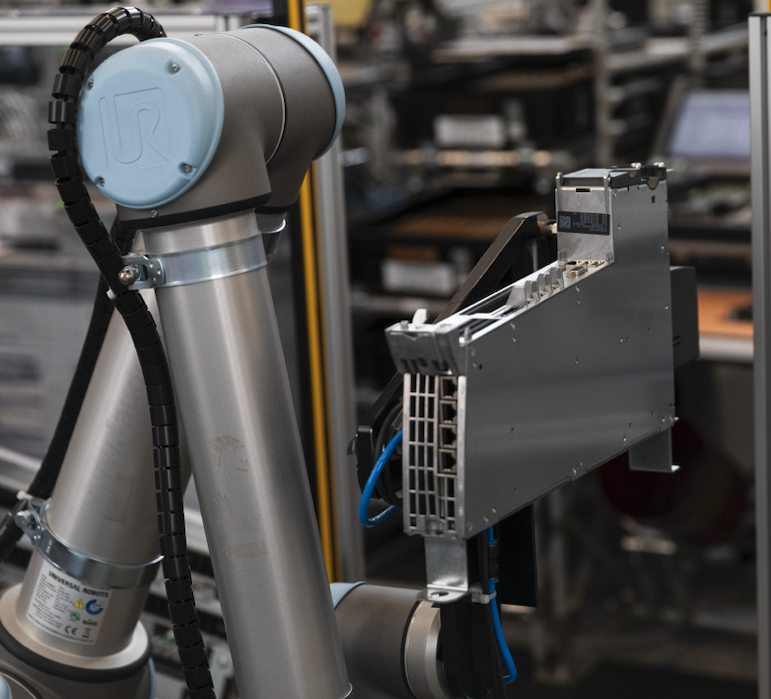
The US industrial robot industry is characterized by low growth and highly customized projects. Artificial intelligence holds out the hope to change that, especially when it comes to robots that can move and work safely around humans.
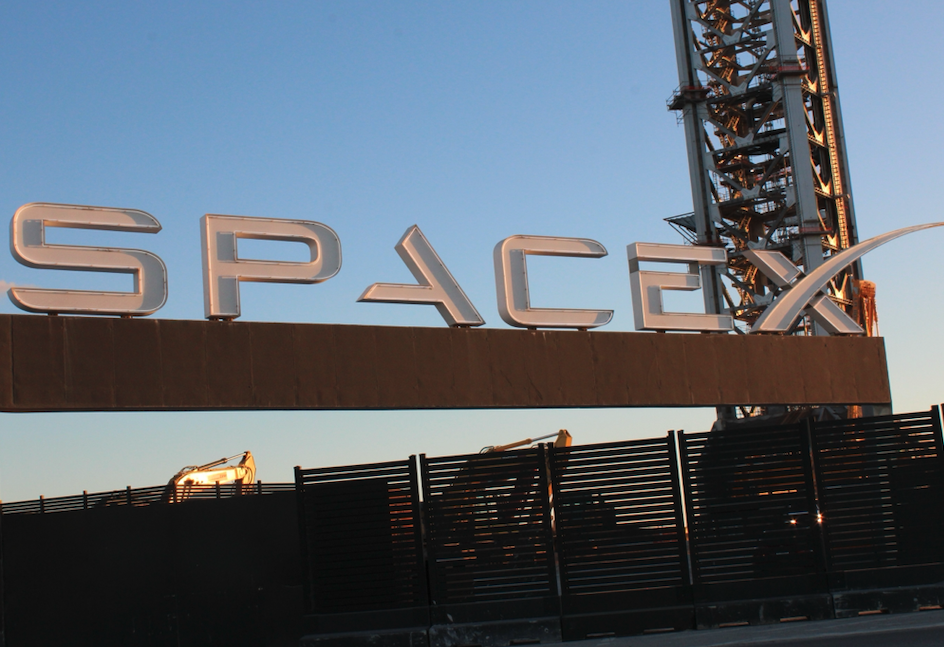
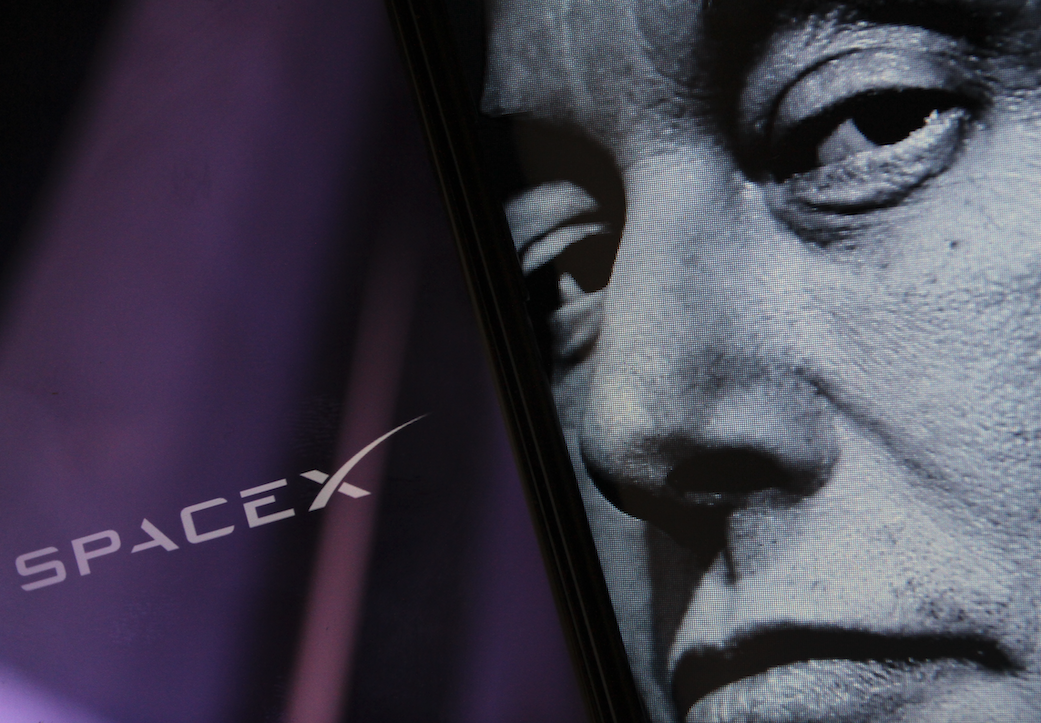
Elon Musk has bucked the trend of industrial conglomerate breakups, including such illustrious companies as General Electric and Honeywell International Inc., and decided to form a somewhat unwieldy company that makes rockets, spacecraft, satellites, antennas, modems and now computer chips. With SpaceX’s purchase of Musk’s xAI in February, the world’s leading space company was married to an AI startup and the X social media platform.
I was in West Texas recently to witness firsthand the emerging practical applications of artificial intelligence. What I saw bolstered my conviction about the technology’s progress and the need to mold it rather than resist the change.
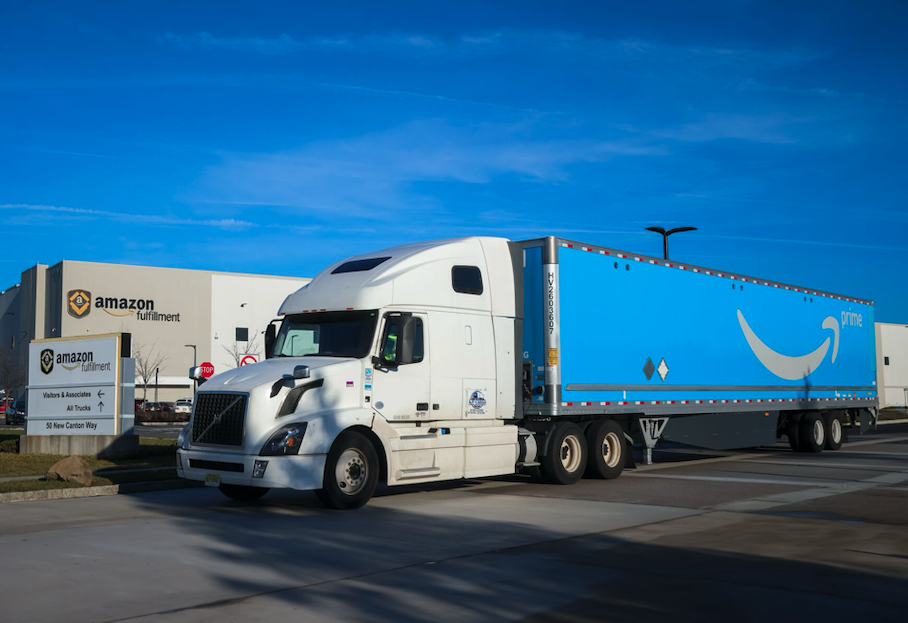
There’s no doubt that Amazon will begin to take market share now that it has declared that its third-party logistics business is here to stay. This move allays concerns among potential customers that Amazon’s offerings wouldn’t be permanent or would take a back seat to its own volume during periods of peak freight.
Elon Musk’s SpaceX is no stranger to the stratosphere, and neither is its coming initial public offering.
The captains of artificial intelligence are an impatient lot. There’s good reason for the existence of the Silicon Valley cliché “move fast and break things.” They are certainly moving fast on the buildout of AI infrastructure, rolling out eye-popping spending budgets to buy computer chips and construct data centers to house them.
SpaceX has a big head start on the technology of reusable rockets, which drastically lowered launch costs and helped spawn a commercial space industry that is gaining momentum year by year.
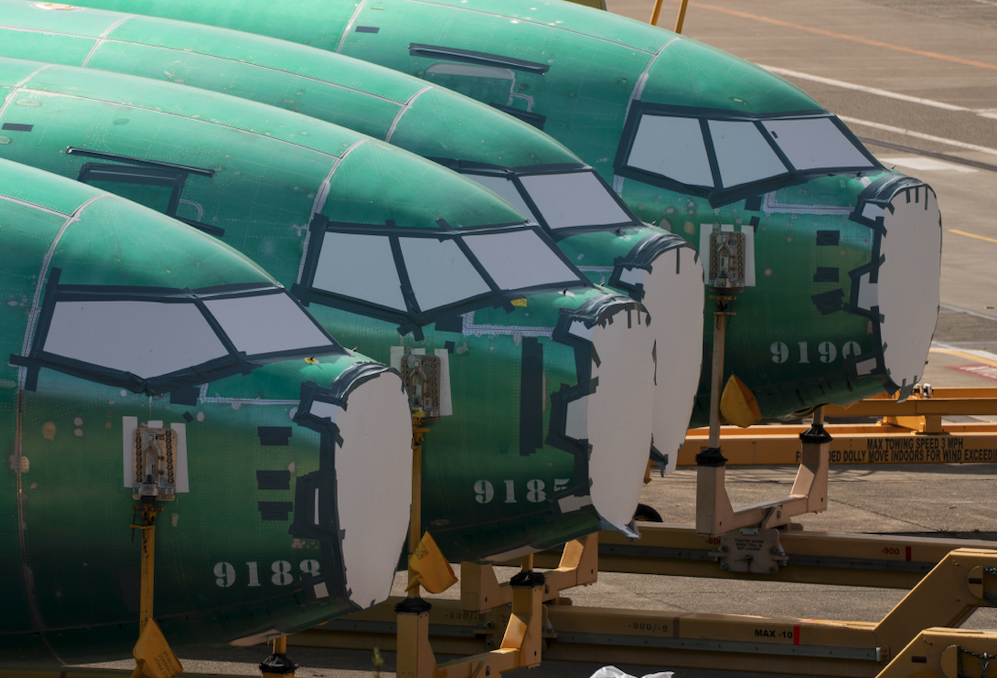
The iconic American manufacturer of commercial aircraft is investing to increase production rates of the 737 Max and the 787. The finish line for certification of two Max variations is in sight this year, and the game-changing 777X is expected to clear regulatory hurdles next year.
SpaceX’s dominance of rocket launches and satellite broadband internet service was reaffirmed last month with news of an insider share sale that would value the company at $800 billion. There was even speculation that Elon Musk’s space venture might sell shares to the public this year with a target valuation of almost double that amount.
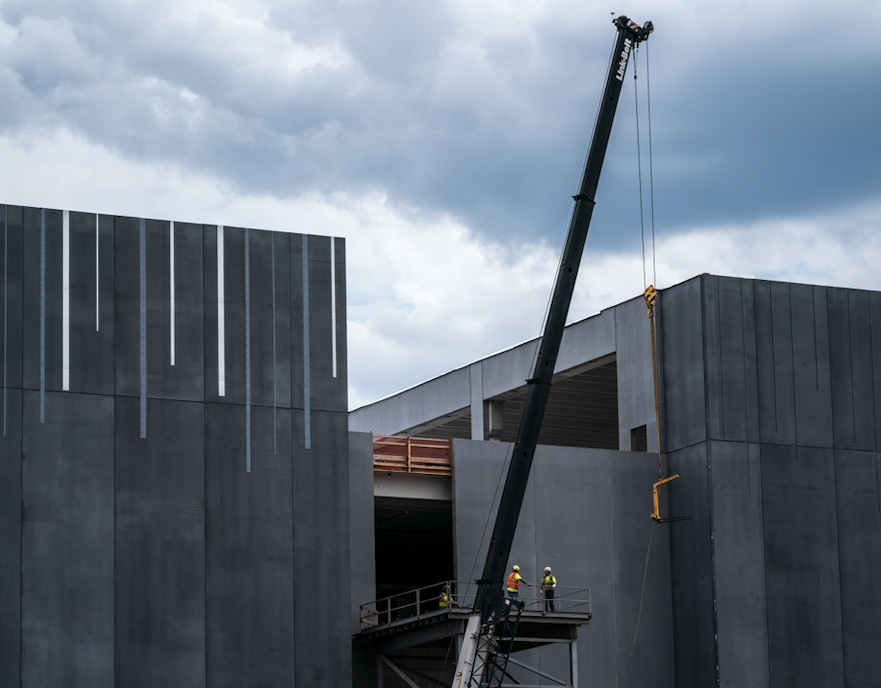
The artificial-intelligence boom is raging, fueled by a mad dash to add computing capacity. Tech giants are funneling billions of dollars to construction companies and industrial suppliers of equipment and power to build the vast data centers that the technology requires.
A sad chapter in Boeing Co.’s history closed on Thursday when a federal judge approved a non-prosecution agreement with the Department of Justice that drops criminal charges against the company for failures of its aircraft design and manufacturing process that led to two deadly crashes and an inflight accident that by miracle didn’t kill anyone.
US manufacturing may now be at its most vulnerable after decades of ceding crucial mining and production activities to China in the pursuit of low costs and higher company profits, and robust government support will be needed to narrow the time for securing the manufacturing supply chain.
The government shutdown is already beginning to impact air travel. Alarm bells are ringing about the air traffic controllers who are not being paid yet are expected to continue working. While members of Congress bicker, the snarls at airports and potential safety issues are coming like a downhill train that’s lost its brakes.
In a tough US market for domestic flying that has put low-cost airlines on the ropes, one startup is rapidly growing revenue by tapping underserved markets through direct flights using smaller aircraft with business-class and basic seating.
A report that Boeing Co. is planning to build a clean-sheet design single-aisle aircraft to replace the 737, an aircraft platform first created in the 1960s, isn’t a surprise, but it does mark a milestone for the company’s recovery.
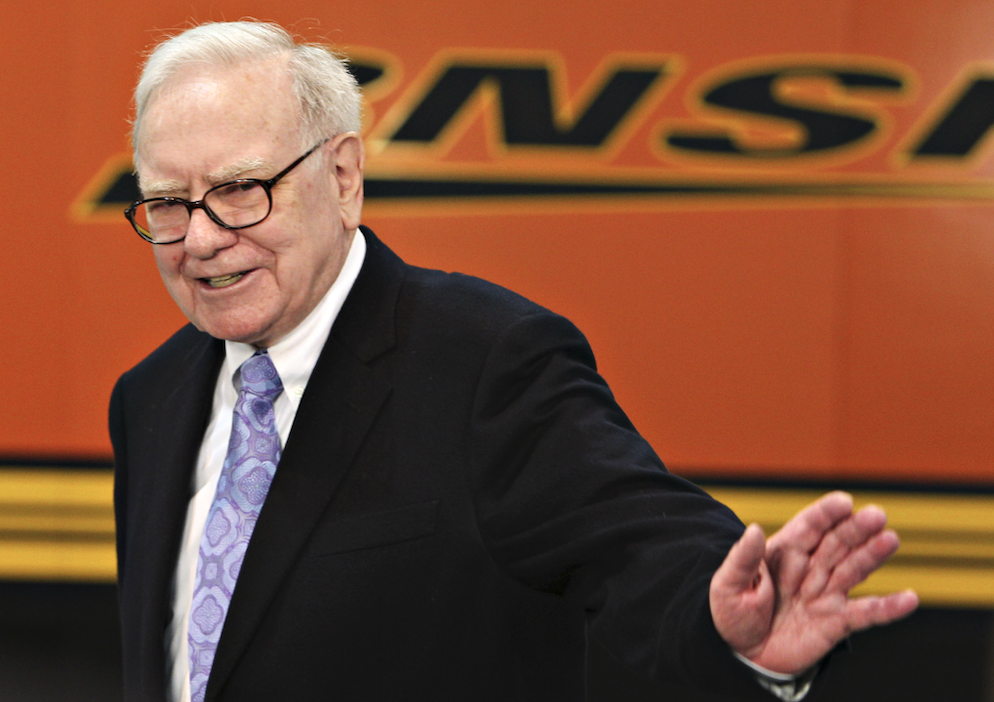
Changing CEOs won’t change the fact that the decision to pursue a merger lies with BNSF and Berkshire. Buffett and his management team are unlikely to be impressed by threats of proxy fights nor shareholder-activist bullies.
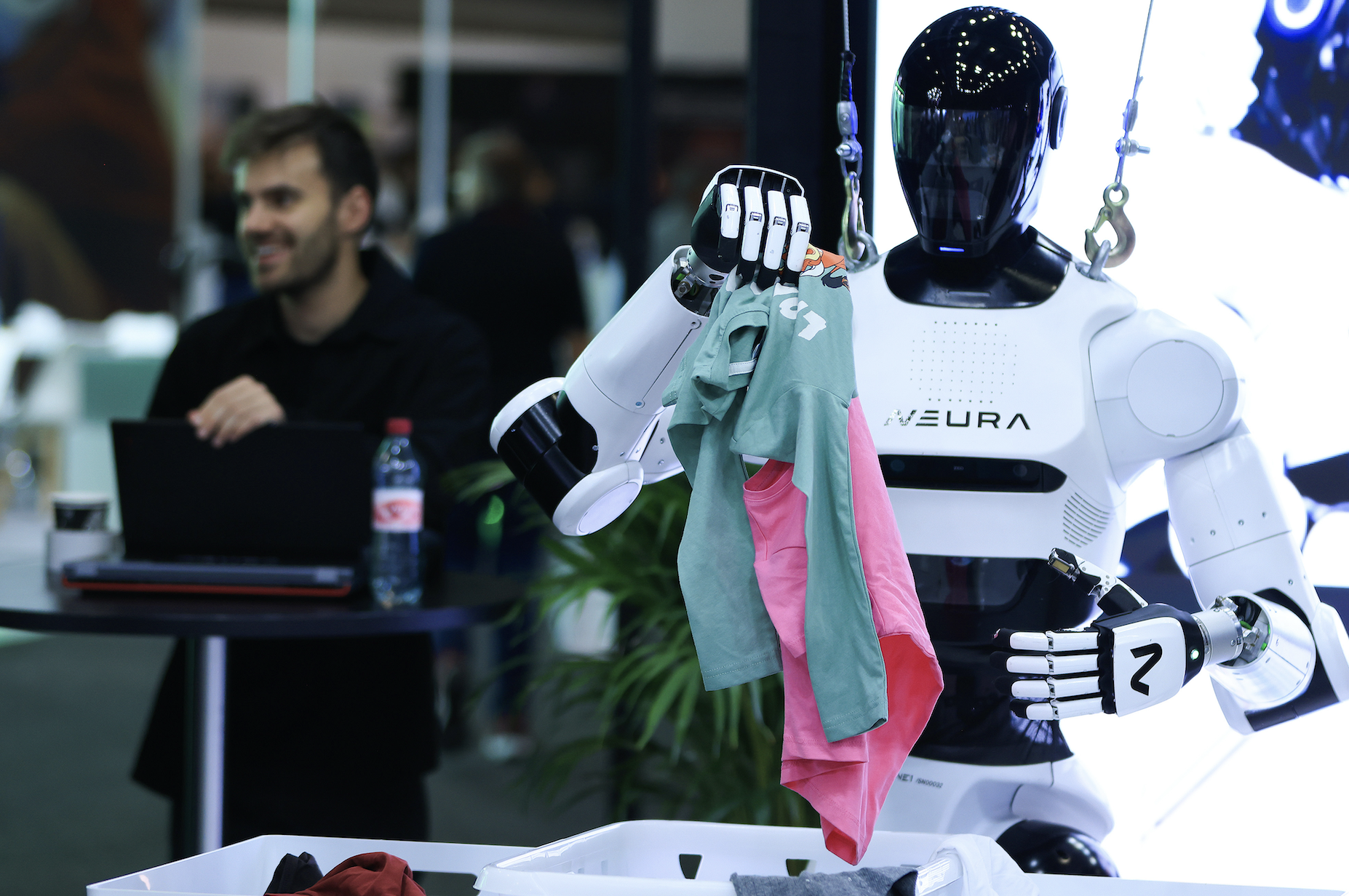
For an industry that’s only just getting started, there’s a lot of hype around humanoid robots.
After FedEx Corp. and Amazon.com Inc. went through a noisy divorce in 2019, it was a bit jarring to hear Brie Carere, FedEx’s chief customer officer, welcome back volume from the e-commerce giant with such open arms.
It’s tough being a SpaceX competitor no matter if you are building rockets, providing satellite internet or seeking to enter the nascent direct-to-mobile-phone industry.
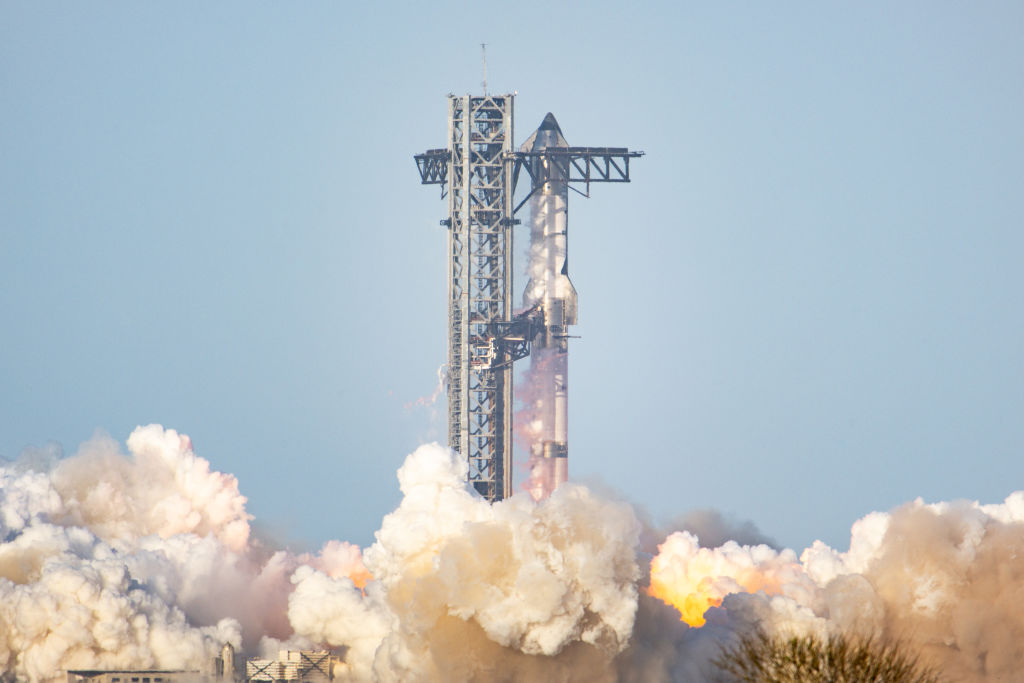
If there were any doubts about SpaceX’s dominance in space, they were swept away after the company pulled off a near-flawless test of its massive Starship rocket late Tuesday.
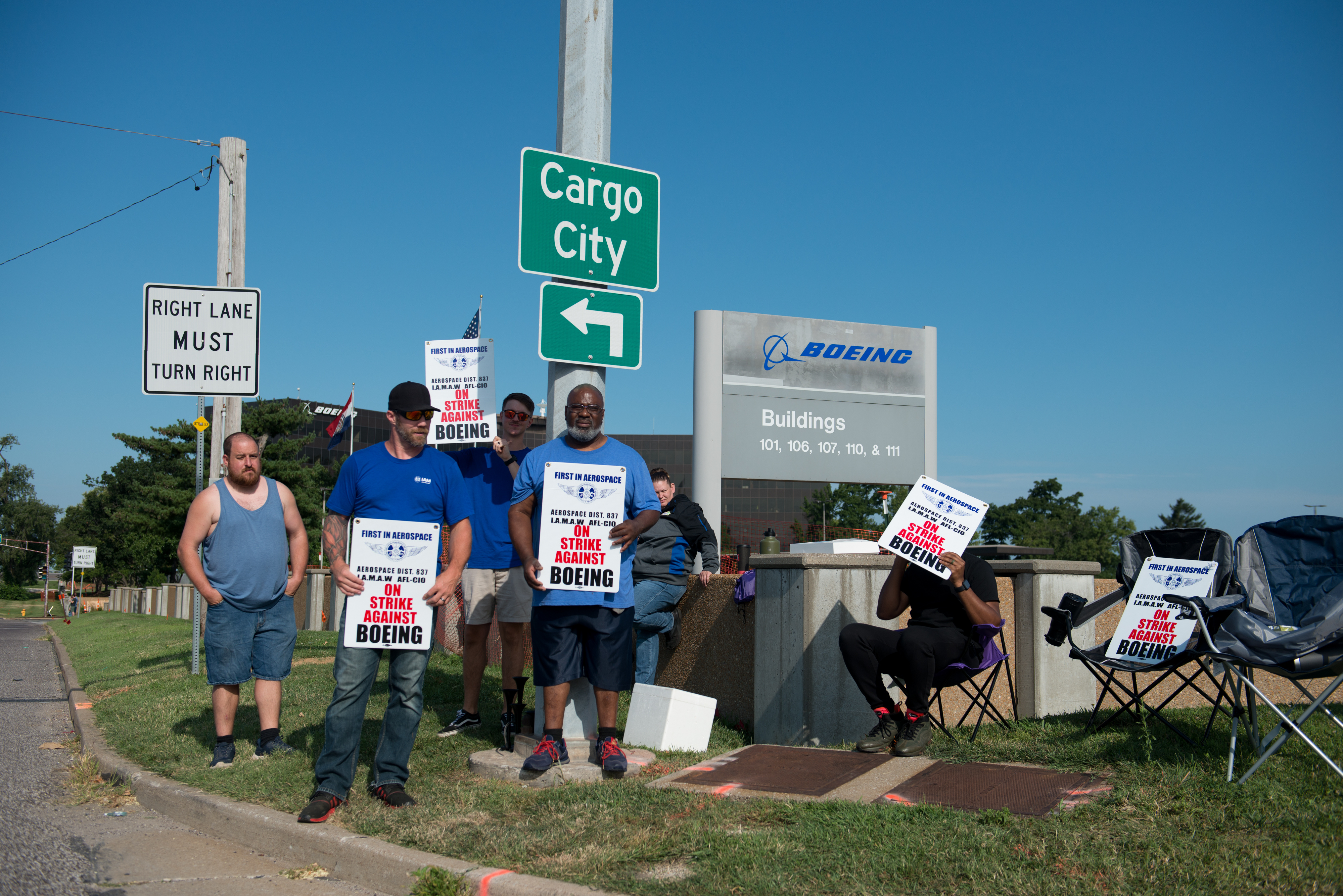
Boeing Co. resumed talks on Monday with union leaders to end a strike that most investors aren’t paying much attention to.
The AI hyperscalers that are spending hundreds of billions of dollars on data centers have dropped a windfall into the laps of the manufacturers, construction firms, building-materials makers and energy companies that make the build-out possible.
The nimbleness of corporate America is on full display this earnings season, with a little assist from fiscal policy.
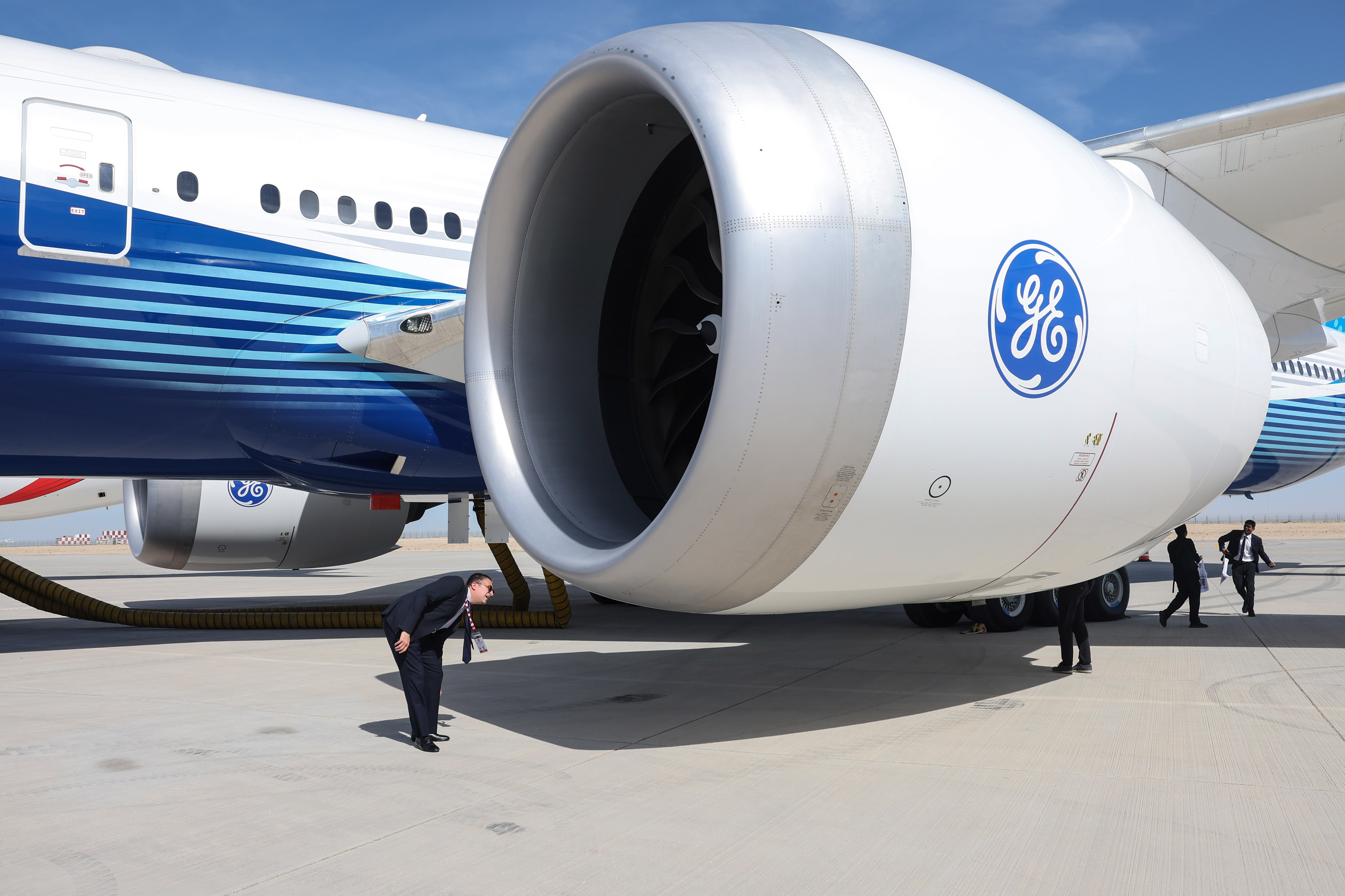
GE Aerospace just hit it out of the park on earnings.
In a new Siemens AG factory that makes large switchboards for data centers in Fort Worth, Texas, artificial intelligence is doing a lot of work.
You have to give credit to JetBlue Airways Corp. for doggedly pursuing a deal to expand its scale.
Rising imports of glass containers are just one sign of how the US lost its manufacturing culture.
To understand the origin of the free-trade excesses that created record trade deficits and set in motion President Donald Trump’s tariff storm, consider the so-called de minimis exemption.
Carol Tomé, chief executive officer of United Parcel Service Inc., is ripping off a Band-Aid in one excruciating shot of pain to fix the courier’s post-pandemic problem with depressed profit margins.
Boeing Co. reported on Tuesday that it burned through $14 billion of cash in 2024 and is likely to post negative cash flow this year as well. Regardless, its shares jumped as much as 7.6%.
General Electric Co., known now as GE Aerospace, has reclaimed its position as the largest industrial company by market value as jet engine production and after-market service both ramp up.
A contestant could be forgiven for guessing Boeing Co., but the correct answer would be General Electric Co., and the talented executive is Larry Culp.
The new year will start with plenty of intrigue, especially in manufacturing, aerospace and logistics, the area where I hunt for interesting storylines about how companies navigate opportunities and pitfalls.
Alphabet Inc.’s Google has reanimated excitement over quantum computing with an announcement about how its new chip, Willow, trounced a classical computer to solve a mathematical equation much faster.
While space startup Rocket Lab USA Inc. prepares to test-launch its new medium-sized rocket next year, its shares have already blasted into orbit.
A true win-win-win situation doesn’t come along often. One could be brewing with a Boeing Co. decision to look at a potential sale — or perhaps more realistically a spinoff — of its space business.
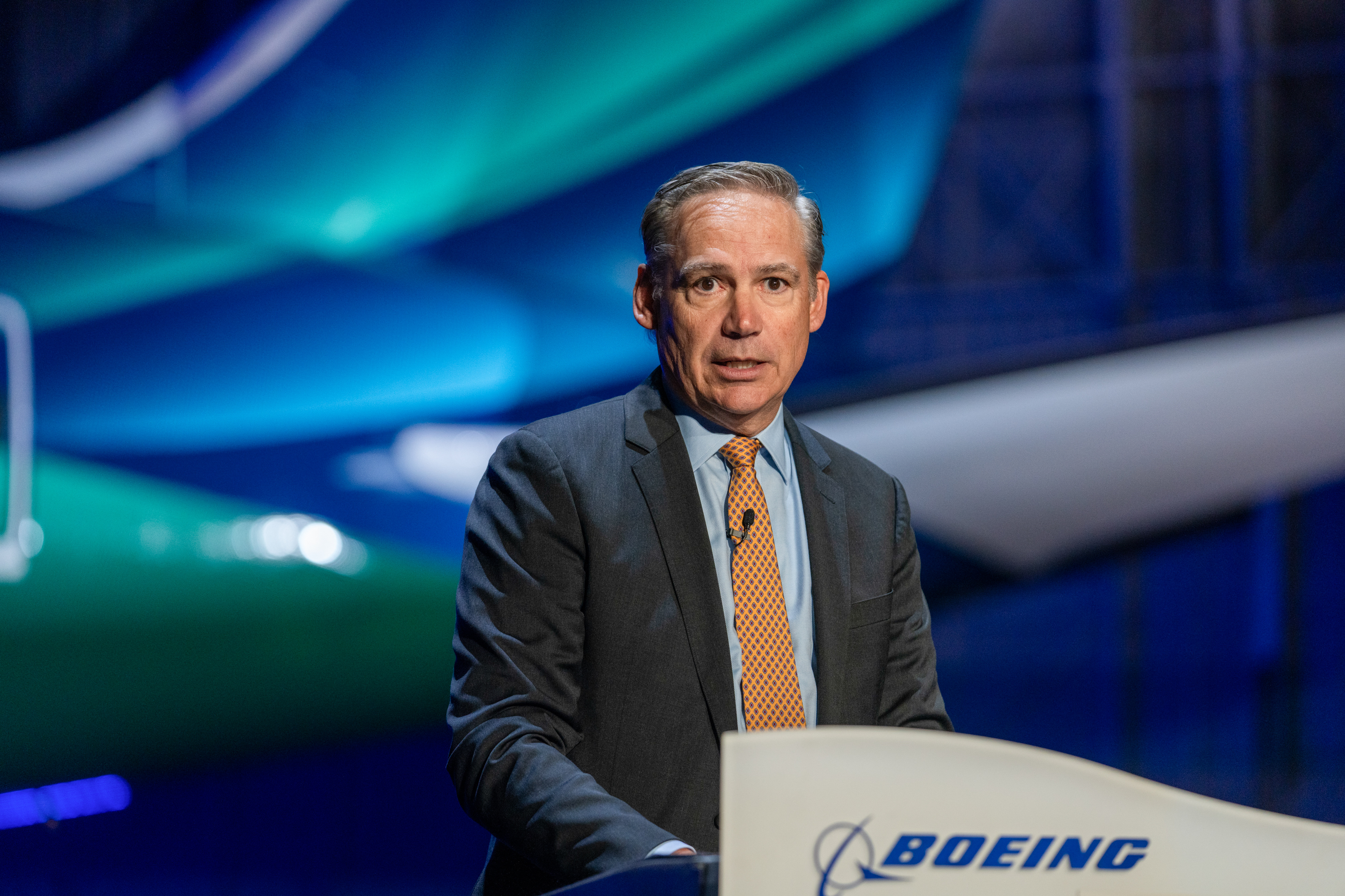
A dark cloud will be hanging over Boeing Co. when it releases its third-quarter earnings report Wednesday morning and Chief Executive Officer Kelly Ortberg, who has only been in the job since August, presides over his first quarterly conference call with analysts for the storied planemaker.
Boeing Co. is flexing its financial muscle even in light of a crippling labor strike and a disgraceful period of execution that resulted in two deadly plane crashes, the near-disaster of a midair door-panel blowout and whistleblowers who have detailed a culture of putting profit over quality.
It’s almost always bad news when a statement from a prominent company hits late on Friday. For those who missed Boeing Co.’s release at 4:30 p.m. New York Time ahead of a three-day weekend for the bond market, Boeing laid out the ugly truth of blowout operating losses at its commercial aircraft and defense businesses during the third quarter, which combined for about $6.4 billion.
While a strike by East Coast port workers is strangling the flow of goods from Maine to Texas and grabbing headlines, news of machinists at Boeing Co. about to enter their fourth week of picketing near Seattle has receded a bit into the background.
The much-anticipated labor strike at ports along the East and Gulf coasts has begun, and the impact is a bit anticlimactic — for now.
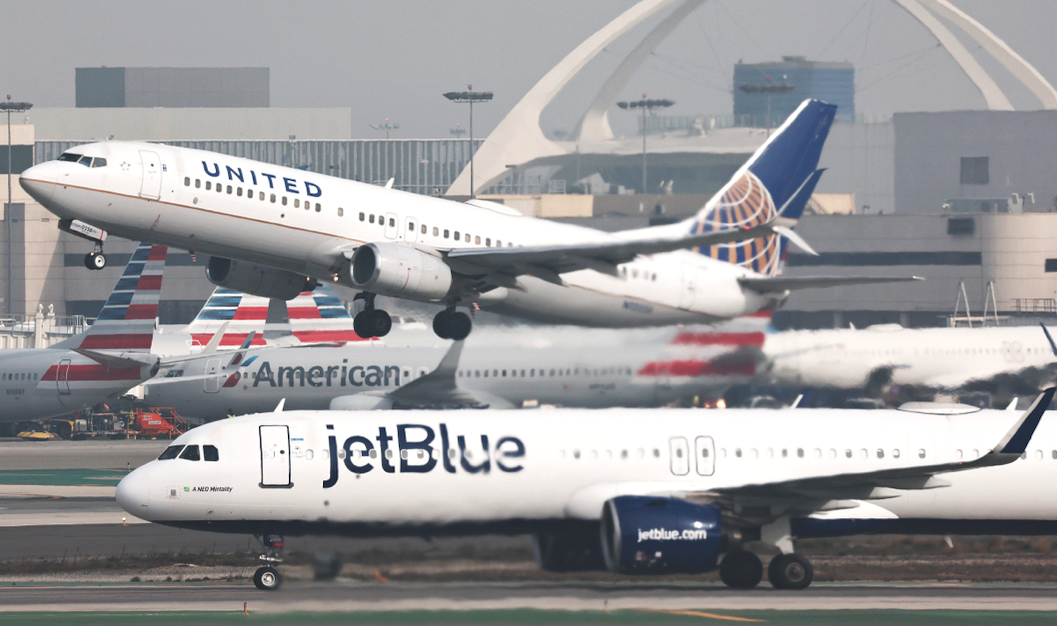
There’s a new-found religion in the US airline industry, and investors should be thrilled. It’s called discipline.
The fallout keeps coming from a door plug that blew off a Boeing Co. 737 Max plane in midair during an Alaska Airlines flight in January.
The US trucking market, which has been in recession for more than a year now, is poised to recover … at some unknowable point in the future.
FedEx Corp. dropped a bomb on the market Tuesday afternoon with the announcement that it will do an “assessment” of its freight unit. Investors seemed to like the move, pushing up the shares as much as 15%, on the possibility of a windfall and a more pure-play package delivery and logistics company.
Artificial intelligence is sweeping across the economy. It’s showing up in the stock market with Nvidia’s meteoric rise, and the marketing blitz around AI is inescapable, whether from software providers peddling the promise of harnessed data to golf-club makers trumpeting an AI design. Narrow AI is now a real tool, and companies are figuring out how to deploy it.
Most people have seen robots in human form. The Hollywood version has starred in movies for decades. Now there are videos on the internet of real bipedal robots, whether it’s Elon Musk’s Optimus or the incredibly flexible two-legged robot from Boston Dynamics. Agility Robotics has one with legs that bend back at the knees like a flamingo.
Here’s a conversation starter ahead of Berkshire Hathaway Inc.’s annual meeting on Saturday: Warren Buffett should buy Boeing Co.
The artificial intelligence craze has driven Nvidia Corp. to a $2.3 trillion market value from about $360 billion at the beginning of last year, which means the chipmaker is trading at a price that’s 75 times higher than earnings. It is also taking some industrial companies along for the ride with a lot of room to run.