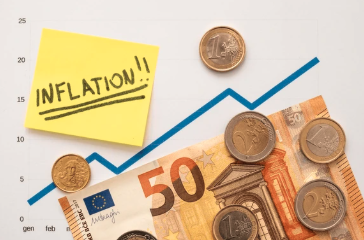
The headline annual CPI came in at 3 percent, according to BLS data. That was up from 2.9 percent in August and 2.7 percent in July. It was the highest print since January, and up from a low of 2.4 percent in March.
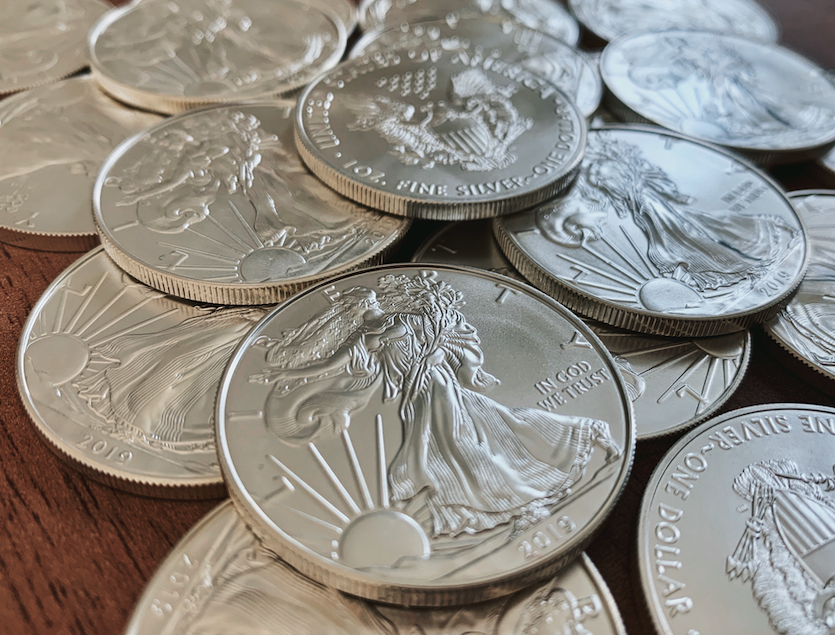
In a nutshell, the price of silver is rising because there simply isn’t enough metal to meet demand.
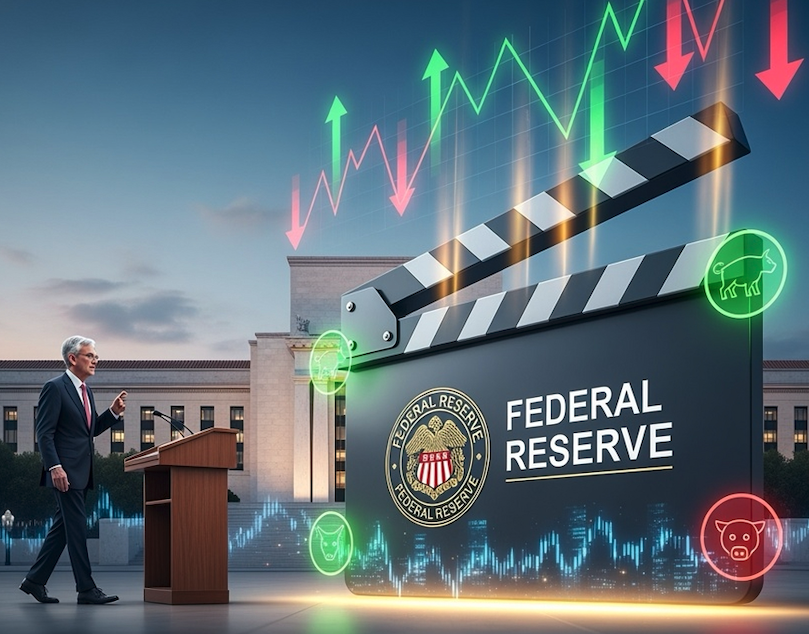
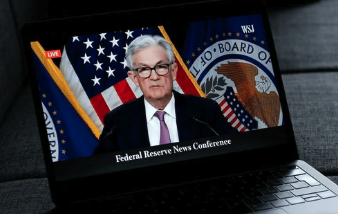
In another sign that we are entering an era of even looser monetary policy, Federal Reserve Chairman Jerome Powell hinted that balance sheet reduction is about to come to an end.
There has been a lot of hype surrounding artificial intelligence, and AI stocks have helped propel the stock market to record highs. Meanwhile, gold stocks have quietly outperformed AI chip stocks.
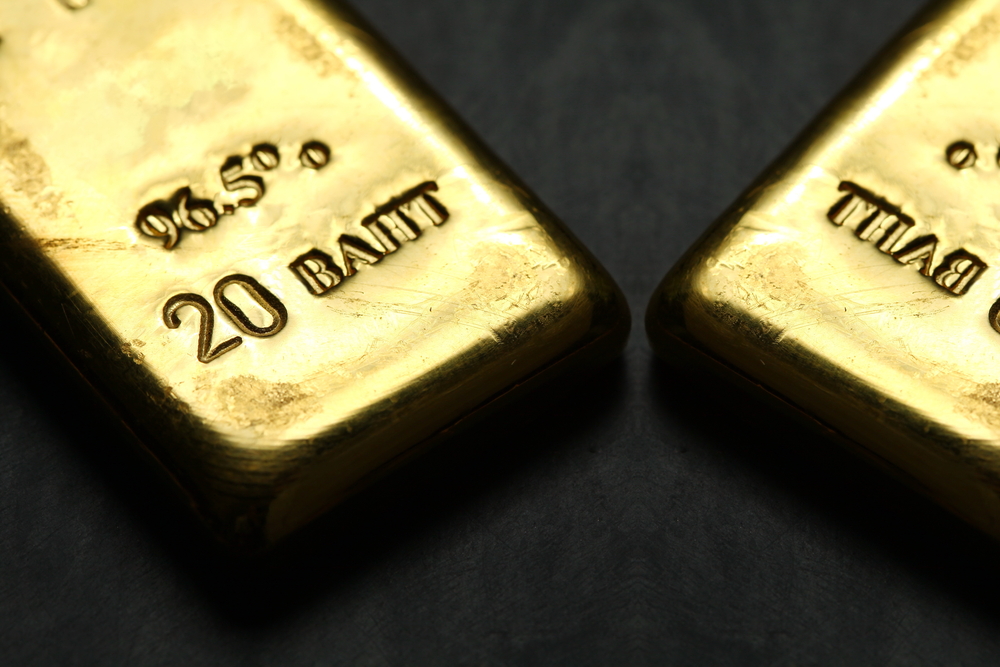
For years, mainstream investment gurus have steered clients away from gold. But with the yellow metal gaining more than 87 percent since January 2024, it’s getting hard to ignore the yellow metal.
It will depend on how long the budget stalemate drags out, but from a historical perspective, the impact of government shutdowns has been relatively short-lived and contained.
Federal Reserve Chairman Jerome Powell and his fellow central bankers are stuck between a rock and a hard place – and he knows it.
As expected, the Federal Reserve cut interest rates by 25 basis points last week. How will this impact the gold market?
Every time the mainstream declares price inflation dead and buried, new data comes out and rains on the funeral.
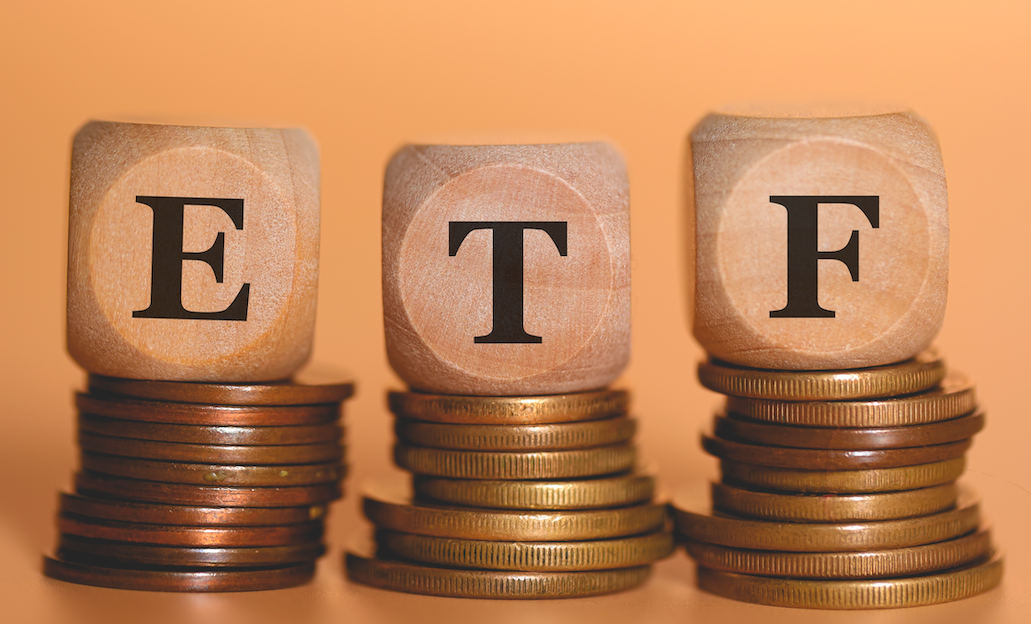
Assets under management (AUM) by ETFs globally closed at another month-end peak and is now just 6 percent below the all-time high reached during the pandemic.
Higher gold prices have put a damper on central bank gold buying, but the World Gold Council still categorized August purchases as “firm.”
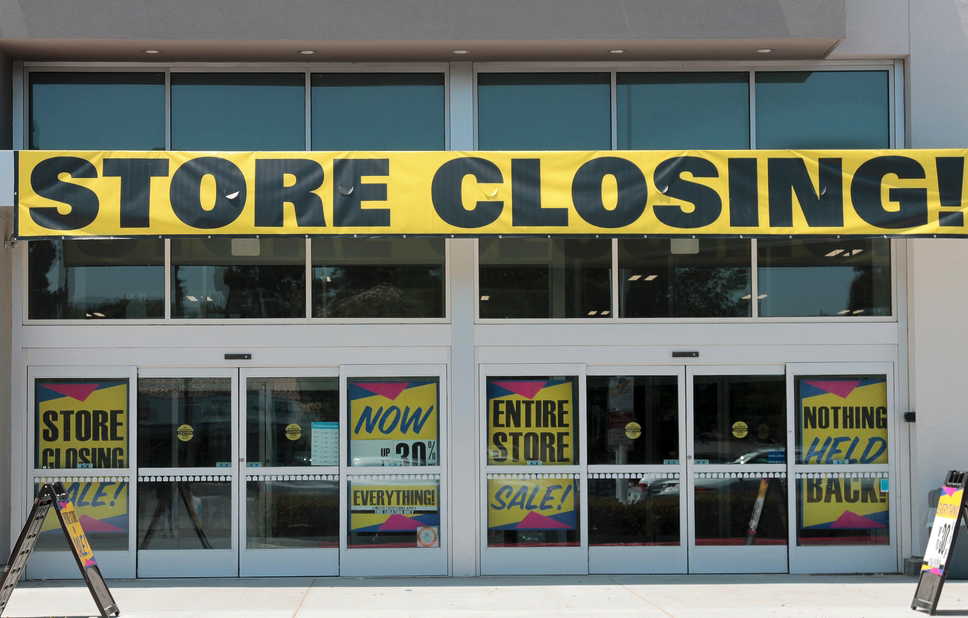
Corporate bankruptcies hit a 14-year high in 2024, and the pace continued through the first seven months of 2025.
Producer prices rose significantly more than expected in July, throwing markets into turmoil and calling into question what seemed like an almost certain Federal Reserve interest rate cut in September.
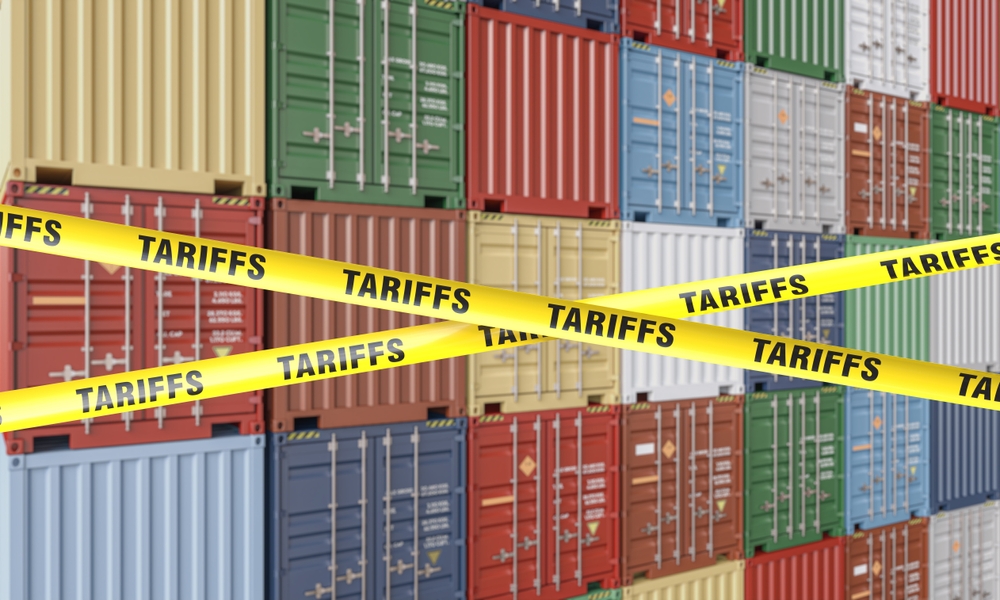
Despite triple the amount of tariff income, the July budget deficit surged to $294.14 billion, 19 percent higher than a year ago, according to the Monthly Treasury Statement.
The July CPI data indicated moderate price inflation and boosted optimism for a September interest rate cut, even though monetary inflation is on the upswing.
For the second straight month, consumer borrowing was weak, indicating Americans might be close to their credit limits.
Gold inflows into ETFs through the first half of 2025 hit levels not seen since the pandemic, and that trend continued through July.
President Donald Trump made headlines when he fired Bureau of Labor Statistics Commissioner Erika McEntarfer after a particularly bad July jobs report, calling it rigged.
Platinum charted a 49.8 percent gain through H1, rising from around $900 an ounce in January to $1,360 at the end of June. That compares with a 25.9 percent increase in the price of gold and a 24.9 percent rise in silver.
Women love gold! The popularity of gold jewelry makes this pretty apparent.
Gold was up nearly 26 percent through the first six months of 2025, ranking as the top-performing asset class.
As central banks scramble to increase their gold reserves, many are turning to domestic mine production to save money, support local industry, and expand their reserves.
Are interest rates too high? A lot of people think they are, and a growing chorus of voices is calling on Federal Reserve Chairman Jerome Powell to cut rates.
Do you feel like you spend more and more money every month but get less and less for it? That’s because you are.
Powell & Company at the Federal Reserve sees an elevated stagflation threat. In response, they decided to do nothing.
After running a surplus in April thanks to tax day, the federal government was back to business as usual in May, spending massive amounts of money and charting another big budget deficit.
Supporters of tax cuts argue that they eventually "pay for themselves" and lower deficits through economic growth and increased revenue, even without significant spending cuts.
For the first time in five months, gold-backed ETFs globally reported modest outflows in May as investors took profits.
Over the past four months, the price of gold in yuan terms has climbed by 24 percent, the strongest January to April performance on record. The Shanghai Benchmark Gold Price rose 6.9 percent in April alone. It was the fifth consecutive monthly gain.
While the CPI has dipped close to the mythical 2 percent target, core CPI remains elevated.
Flows of gold into Asian ETFs exploded in April, driving global ETF gold holdings higher for the fifth straight month.
In a rare moment of honesty, Federal Reserve Chairman Jerome Powell admitted he and his fellow central bankers don’t know what they’re doing as they wrapped up the May Federal Open Market Committee (FOMC) meeting.
China drove the surge in retail investment demand, charting the second strongest quarter on record.
Central banks continued to stockpile gold in the first quarter.
Record gold prices drove first-quarter demand in 2025 to the highest level since 2016.
Conventional wisdom is that investors should hold gold as an inflation hedge. Over the long term, this is a wise strategy.ok,
While most market watchers have focused on the wildly yo-yoing stock market over the last few weeks, the Treasury bond market has been flashing warnings.