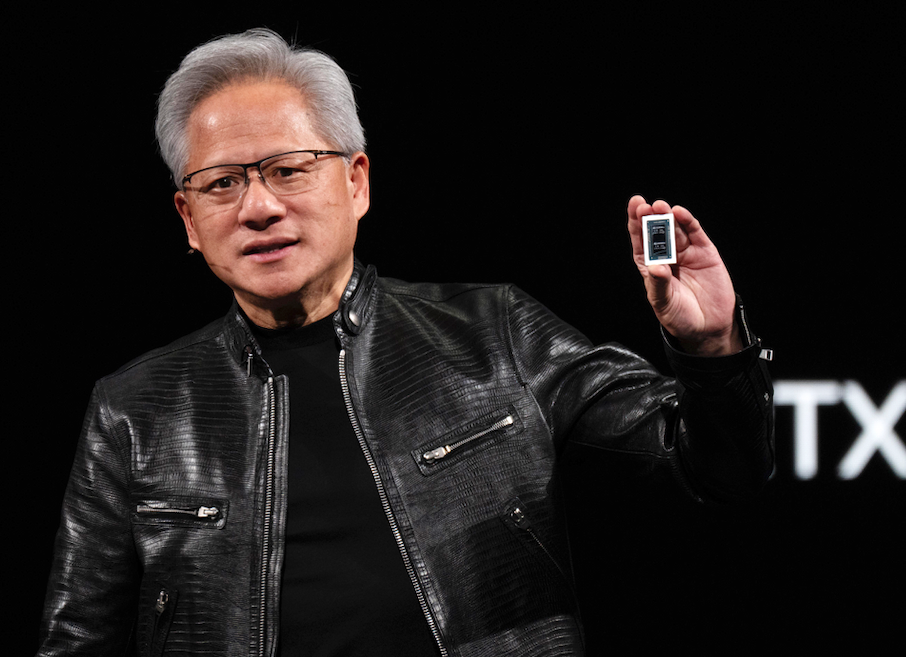
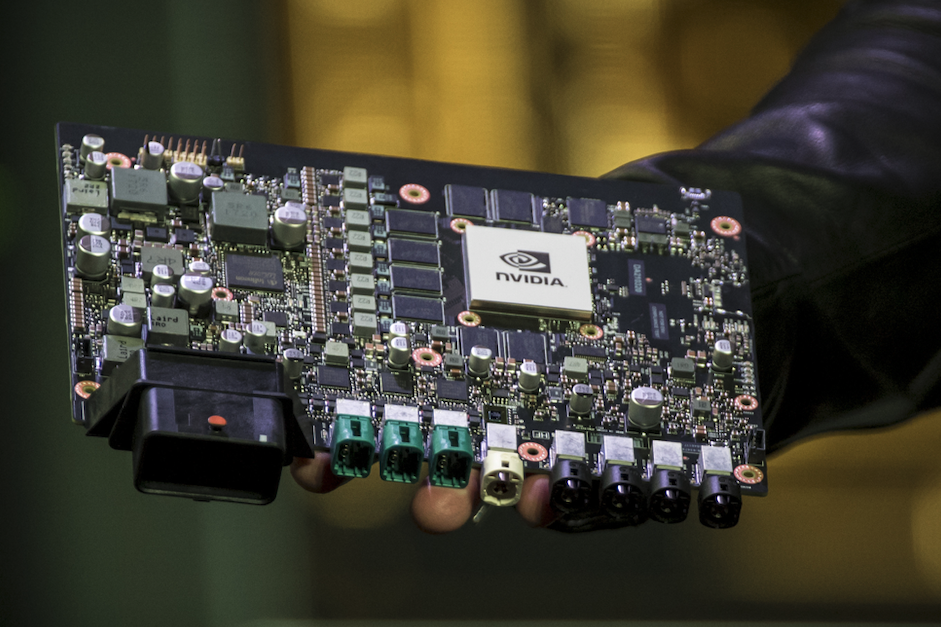
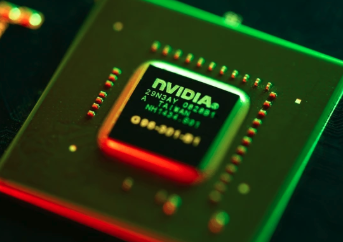
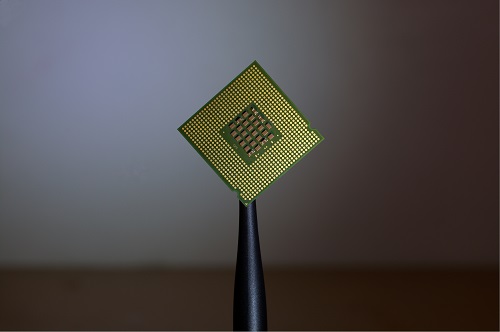
Nvidia Corp. is entering the PC market with a new chip aimed at loosening the stranglehold of Intel Corp. technology in that arena and modernizing the machines for the AI era.
Nvidia Corp., facing more investor skepticism, used its latest quarterly report to tout progress in diversifying the company, which aims to rely less on the giant data center operators that have fueled its runaway growth.
Intel Corp. shares are on track to hit their highest level ever after the chipmaker delivered a sales forecast that shattered Wall Street expectations.
Google has emerged as one of the most successful makers of in-house AI chips in an industry dominated by Nvidia Corp. TPUs have become a hot commodity in Silicon Valley in recent months, and the company is looking to build on that momentum with the latest versions.
Nvidia Corp.’s latest sales forecast drew a lukewarm response from investors, signaling that concerns over a potential bubble continue to weigh on the dominant maker of artificial intelligence processors.
The semiconductor industry will reach $1 trillion in revenue this year for the first time ever, fueled by artificial intelligence and the spread of computer chips to virtually every part of the economy.
Nvidia Corp. plans to invest $1 billion over five years in a new laboratory with Eli Lilly & Co., aiming to speed up the use of artificial intelligence in the pharmaceutical industry.
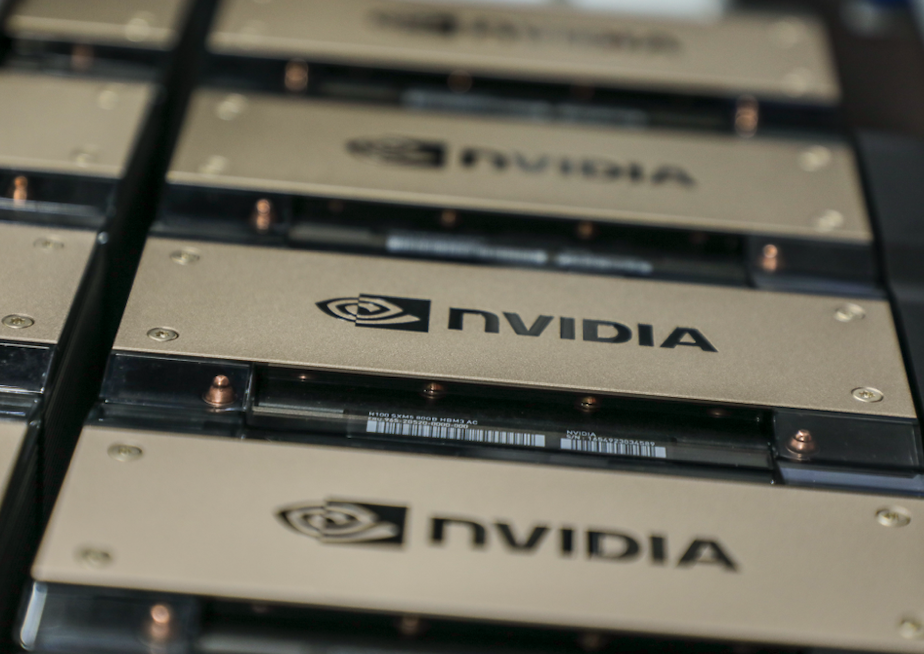
Nvidia Corp. Chief Executive Officer Jensen Huang said that the company’s highly anticipated Rubin data center processors are in production and customers will soon be able to try out the technology.
Nvidia Corp. agreed to a licensing deal with artificial intelligence startup Groq, furthering its investments in companies connected to the AI boom and gaining the right to add a new type of technology to its products.
Oracle Corp. shares fell the most in more than 24 years after the company reported a jump in spending on AI data centers and other equipment, rising outlays that are taking longer to translate into cloud revenue than investors want.
President Donald Trump has authorized Nvidia to export its H200 AI chip to China in exchange for a 25% tariff payment to the U.S. government, a decision that could potentially allow the company to regain billions in lost revenue from the Chinese market.
Nvidia Corp. delivered a surprisingly strong revenue forecast and pushed back on the idea that the AI industry is in a bubble, easing concerns that had spread across the tech sector.
Advanced Micro Devices Inc. shares surged after the chipmaker signed a deal with OpenAI for AI infrastructure that could generate tens of billions of dollars in new revenue.
Nvidia Corp. will invest as much as $100 billion in OpenAI to support new data centers and other artificial intelligence infrastructure, a blockbuster deal that underscores booming demand for AI tools like ChatGPT and the computing power needed to make them run.
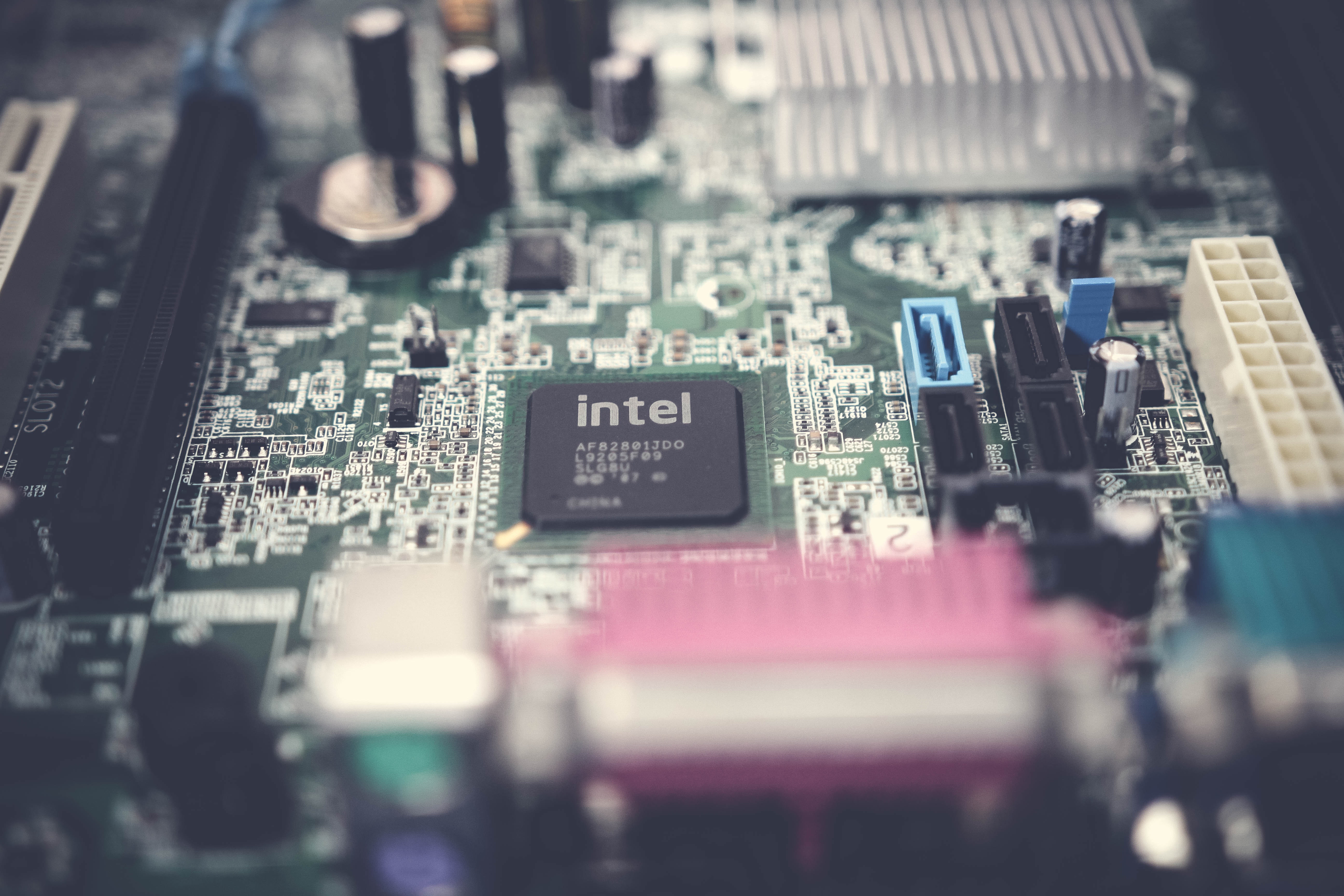
Nvidia Corp. agreed to invest $5 billion in Intel Corp. and said the two will co-develop chips for PCs and data centers, a surprise move to help prop up an ailing archrival that sent Intel shares soaring.
Nvidia Corp., the world’s most valuable company, gave a tepid revenue forecast for the current period, signaling that growth is decelerating after a staggering two-year boom in artificial intelligence spending.
Beijing has urged local companies to avoid using Nvidia Corp.’s H20 processors, particularly for government-related purposes, complicating the chipmaker’s attempts to recoup billions in lost China revenue after the Trump administration reversed an effective US ban on such sales.
Nvidia Corp. and Advanced Micro Devices Inc. agreed to pay 15% of their revenues from Chinese AI chip sales to the US government in a deal to secure export licenses, an unusual arrangement that may unnerve both US companies and Beijing.
Broadcom Inc. shares jumped after the chip supplier for Apple Inc. and other big tech companies gave an upbeat forecast, reassuring investors that spending on artificial intelligence computing remains healthy.
Nvidia Corp., the chipmaker at the center of an AI spending boom, delivered good-but-not-great quarterly numbers on Wednesday, drawing a muted response from investors accustomed to blowout results.
Broadcom Inc., a chip supplier for Apple Inc. and other big tech companies, rallied in premarket trading after predicting a boom in demand for its artificial intelligence chips.
Nvidia Corp. assured investors that its new product lineup can maintain the company’s artificial intelligence-fueled growth run, though the rush to get the chips out the door is proving more costly than expected.
Nvidia Corp., the chipmaker at the center of a boom in artificial intelligence use, is teaming up with Alphabet Inc.’s Google to pursue another technology once relegated to science fiction: quantum computing.
Nvidia Corp. has expanded a partnership with technology consultant Accenture as part of an effort to drive adoption of artificial intelligence within businesses and boost orders for the chipmaker’s products.
Nvidia Corp. failed to live up to investor hopes with its latest results on Wednesday, delivering an underwhelming forecast and news of production snags with its much-awaited Blackwell chips.
Nvidia Corp., the chipmaker at the center of an artificial intelligence boom, jumped in premarket trading after a bullish sales forecast showed that AI computing spending remains strong.
US chip production is poised to explode in coming years, helping ease a risky dependency on East Asia, according to a projection by the Semiconductor Industry Association.
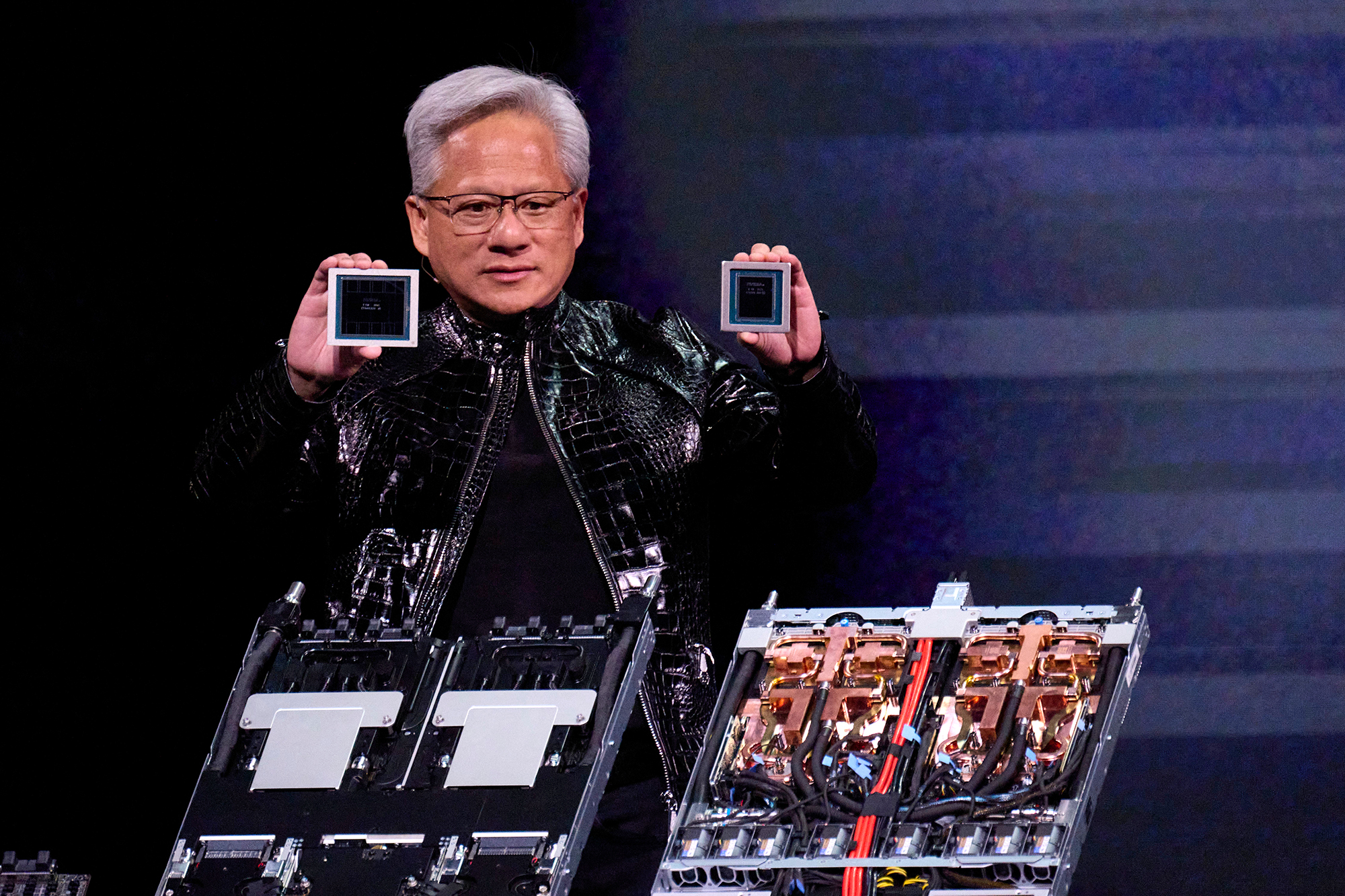
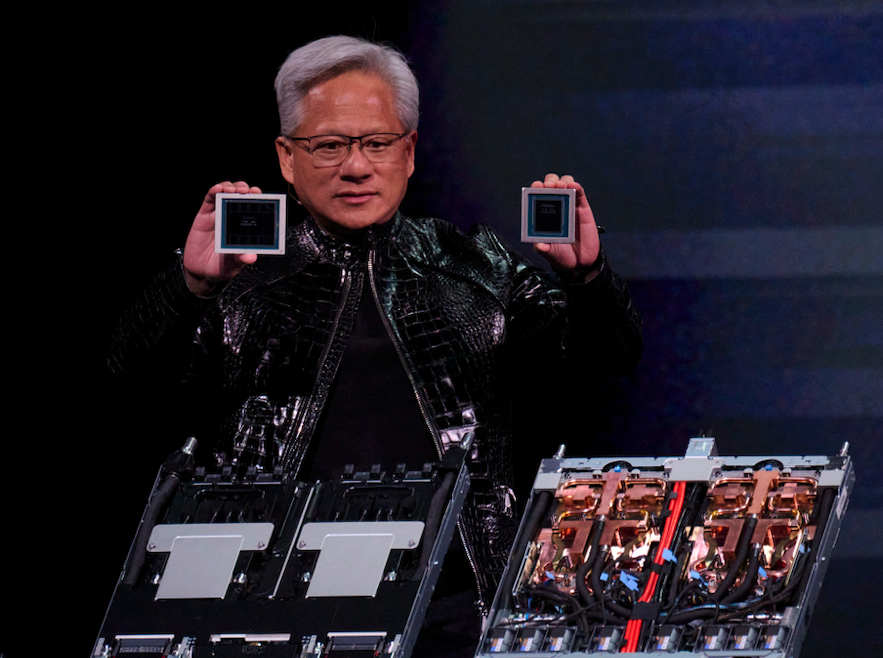
Nvidia Corp. Chief Executive Officer Jensen Huang showed off new chips aimed at extending his company’s dominance of artificial intelligence computing, a position that’s already made it the world’s third-most-valuable business.
Microsoft Corp., Alphabet Inc.’s Google and Advanced Micro Devices Inc. — three companies working harder than nearly anyone to weave artificial intelligence into their products — are finding that investor expectations for the technology are hard to meet.
Nvidia Corp. investors gave a cool reaction to its latest quarterly report, which blew past average analysts’ estimates but failed to satisfy the loftier expectations of shareholders who have bet heavily on an artificial intelligence boom.
Nvidia Corp. is poised to become the world’s first chipmaker with a $1 trillion market capitalization, joining an exclusive club of American companies with a valuation that high.
With the most sell ratings in the Nasdaq 100 Stock Index, Intel Corp. is running ever lower on fans. Things have gotten so bad that even analysts brave enough to recommend buying are striking a cautious tone.
As President Joe Biden’s administration prepares to accept requests for $39 billion in funding to jumpstart US production of microchips, his commerce chief emphasized the program’s focus is strengthening national security rather than boosting struggling chipmakers.
Brookfield Infrastructure Partners LP’s $15 billion commitment last year to help finance Intel Corp.’s giant new semiconductor complex in Arizona, the first deal of its kind, sent investors and bankers racing to find similar opportunities.
The memory-chip sector, famous for its boom-and-bust cycles, had changed its ways.
In the weeks since the ChatGPT artificial intelligence tool took the world by storm, Nvidia Corp. has emerged as Wall Street’s preferred pick for traders seeking to profit from its potential.
The US government is blacklisting Yangtze Memory Technologies Co., Shanghai Micro Electronics Equipment Group Co. and dozens of other Chinese tech companies, ratcheting up a trade conflict between the world’s two largest economies.
Texas Instruments Inc. and SK Hynix Inc. offered a gloomy view of the chip market in their latest quarterly reports, dashing hopes of a quick rebound for the $550 billion industry.
Micron Technology Inc., the leading US maker of memory semiconductors, became the latest chipmaker to declare that demand is falling off rapidly. It warned investors that revenue won’t meet projections, sending industry stocks tumbling.
The CHIPS and Science Act, which President Joe Biden is poised to sign into law next week, was pitched as a once-in-a-lifetime chance to revitalize the US semiconductor industry and counter Asia’s manufacturing power.