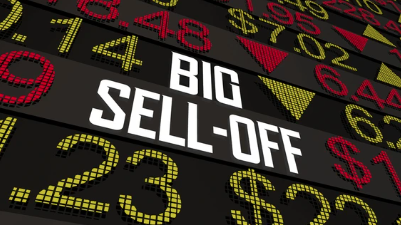
The first half of 2026 was shaped by market-moving headlines. The conflict in the Middle East was the most significant story, triggering a short-term market sell-off.
Equity markets should remain supported by strong earnings and capital investment trends through 2026, but market concentration and macro risks leave less room for error.
Stocks have been on a bit of a rollercoaster over the past two months. If your nature is to tune out the noise and check in occasionally, you might have missed it. After a 9 percent sell-off earlier in the year, markets quickly rebounded and have recently traded at all-time highs.
Ongoing military actions in the Middle East have increased investor uncertainty. Of course, geopolitical risk has always existed, and this time is no different.
On Friday, the Supreme Court struck down most of the tariffs the Trump administration had imposed over the past year. The question before the court was not whether the tariffs themselves were illegal, but whether the mechanism by which they were enacted was legal.
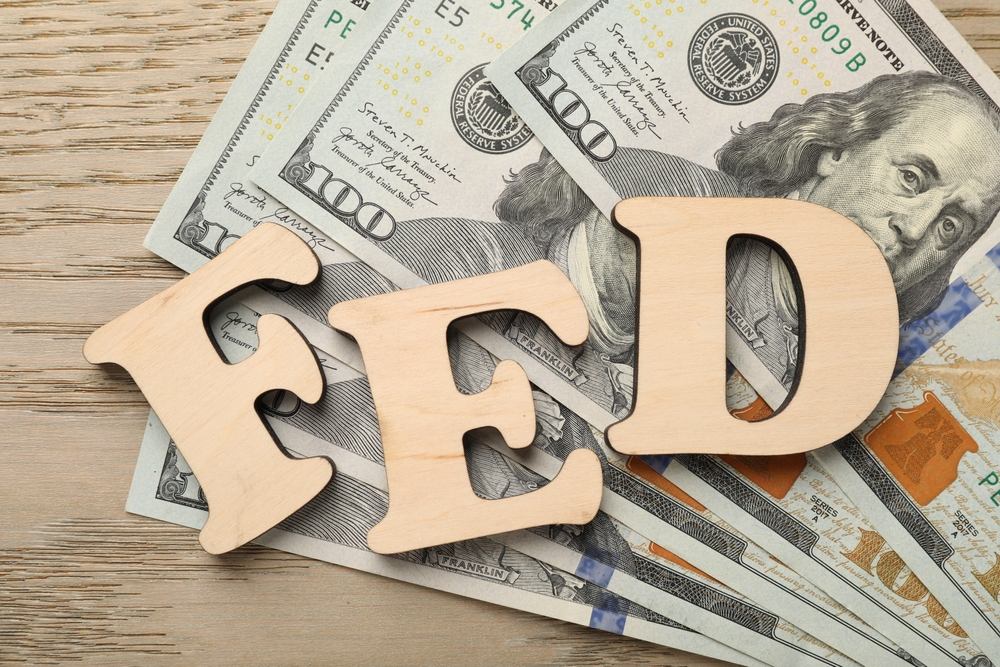
After much speculation and wild swings in market expectations, President Trump has nominated Kevin Warsh as his Fed chairman. If confirmed, he is expected to replace current Chair Jerome Powell in May at the end of his term.
There is always uncertainty about the most likely path forward for the economy and markets — and now is no different. We will continue to watch the headlines and data to see the ultimate impact on the consensus view.
Economists have company when it comes to being upbeat. The consensus economic outlook has led to optimism from analysts, who are forecasting strong earnings growth.
Each December, those of us in the investment business lay out our expectations for the coming year. We do so with the knowledge that no one has a clear crystal ball (it’s one of the reasons I like Oprah’s quote).
The government shutdown came to an end last night after 43 days, making it the longest shutdown in history. We will leave it to the political commentators to pass judgment on what it means for the decision-makers in Washington.
As of midnight Tuesday, the U.S. government shut down, as lawmakers couldn’t reach an agreement on a short-term bill to continue funding government expenditures. Currently, none of the 12 appropriations bills have been passed.
Last week’s Fed meeting resulted in a much-anticipated interest rate reduction of 25 bps, to a range of 4 percent to 4.25 percent. This move followed a nine-month pause in its rate-cutting cycle, which began a year ago.
After a volatile first four months of 2025, it was a good summer for investors to go on vacation, as markets, for the most part, went up weekly.
As July gave way to August, an eventful news week moved markets. Corporate earnings continued to surprise to the upside.
Last week, I returned to the small Maine town I mentioned in my Independence Day post.
The first half of the year has left investors with many questions about the path ahead for the economy and markets. Unfortunately, there haven’t been many concrete answers. Tariff announcements and trade negotiations have commanded the room.
Markets have recovered from their post-Liberation Day sell-off. Investors are feeling better about the outlook. But there are still clouds on the horizon.
The recent rally began when Treasury Secretary Scott Bessent struck a more conciliatory tone with China, saying he expected a de-escalation shortly.
As investors wait for updates on trade deals during the pause in tariff implementation, the focus for many has turned to economic growth and the conflicting data surrounding it.
During periods of market volatility and declines, investors get concerned. They question their long-term objectives and whether they have more risk in their portfolios than they can tolerate. These are reasonable thoughts to have at times like these.
Last week, the S&P 500 was up 5.7%, the strongest week for the market since November 2023.
At the start of last week, the S&P 500 rallied three days in a row, with investors believing that the tariffs announced on Wednesday would be targeted.
The first quarter of 2025 took investors on a rollercoaster, driven by on-again, off-again tariff policy announcements.
Last week, I had the pleasure of presenting at a Commonwealth conference. I love spending time and sharing ideas with our advisors. They are the best in the business.
As of the end of trading on Thursday, March 13, the S&P 500 closed down 10 percent from its all-time high, marking an official correction. It was the first correction since October 2023—17 months ago.
As the consumer goes, so goes the U.S. economy. Consumers make up roughly 70 percent of U.S. GDP.
Like most incoming administrations, President Trump entered office with a desire to do things differently than his predecessor, and he is certainly doing that.
From beginning to end, the 2024 election cycle will be looked back on as historic
People who are affiliated with the party that is represented in the White House always think the economy is better than those in the party not represented. Somehow, those opinions tend to change around elections. People’s views of the economy change very quickly if there is a change in control of the White House.
After months if not years of investors asking when the Fed would cut rates, we finally got our answer.
Noble Prize winners and “Modern Portfolio Theory” pioneers Harry Markowitz and William Sharpe developed what we know today as the 60-40 portfolio. This strategy consisted of a hypothetical 60 percent allocation to equities and a 40 percent allocation to fixed income.
1969 is often remembered as one of the biggest years in pop culture history.