U.S. Sequester: How Significant is it for the Global Economy?
Since the U.S. has been one of the brightest spots in the current global economic environment, any negative development that restricts activity in the U.S. could have a magnified impact on the economic prospects for the rest of the world.
What is sequestration?
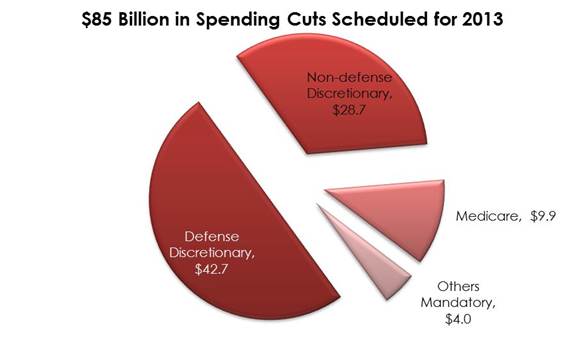
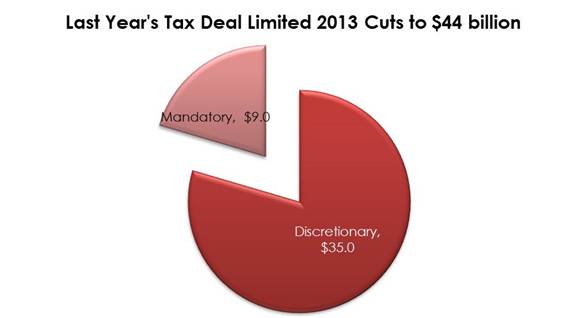
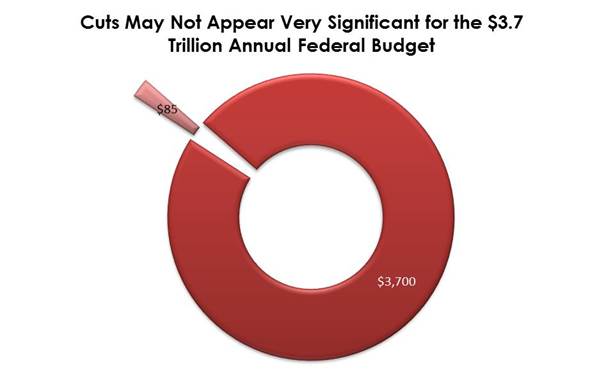
Sequestration, in the current U.S. fiscal context, refers to a series of automatic cuts to federal government spending, spread over nearly a decade from now. These reductions were proposed during the negotiations between the Obama administration and Congressional leaders in 2011, as part of a broader deal to increase the federal government’s borrowing limit. The Budget Control Act passed that year decreed that, if the proposals of the Joint Select Committee on Deficit Reduction set up by Congress failed to achieve $1.2 trillion in deficit reductions, federal government spending would be cut by more than $1 trillion over the period 2013 through 2021. The automatic cuts are to be spread evenly between defense and non-defense budget outlays. Originally scheduled to kick in from the beginning of this year, the American Tax Payer Relief Act of 2012 delayed the sequestration by two months to March 1, 2013. The Congressional Budget Office estimates that measures included in the Tax Payer Relief Act reduced the cuts for current year to $44 billion, thereby limiting the potential damage to the economy. After the failure of last minute bipartisan efforts in the Congress, the spending cuts will now proceed as scheduled.
What happens now?
Unlike a government shutdown, the sequestration will not result in sudden disruptions to federal government services. However, the consequences would build up gradually over a period of time. Most federal government departments are expected to temporarily furlough their employees, which could lead to service delays. Furloughs would lead to lower income for these employees, which could moderately limit consumer spending. In addition, cuts to defense spending could lead to job losses in the defense contracting industry and potentially weaken the ongoing labor market recovery.
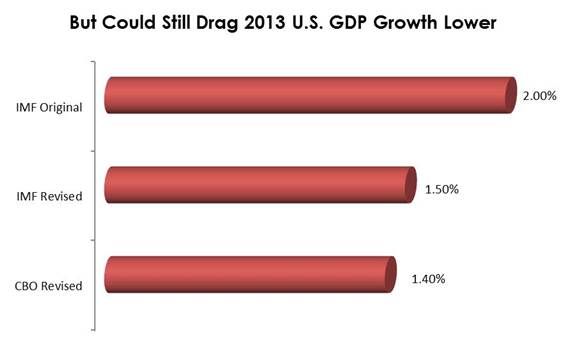
The International Monetary Fund (IMF) has said that sequestration would lower U.S. economic growth for the current year by 0.5 percentage points to 1.5 percent. The Congressional Budget Office (CBO) has pegged its GDP growth forecast for 2013 at 1.4 percent.
Effect on Global Economy
Since the U.S. has been one of the brightest spots in the current global economic environment, any negative development that restricts activity in the U.S. could have a magnified impact on the economic prospects for the rest of the world. As European demand remains weak, the export-oriented economies in Asia and Latin America have been counting on U.S. demand to lift their exports. Some of these countries could see a moderate decline in GDP expansion if U.S. demand growth falters as a result of the government spending cuts.
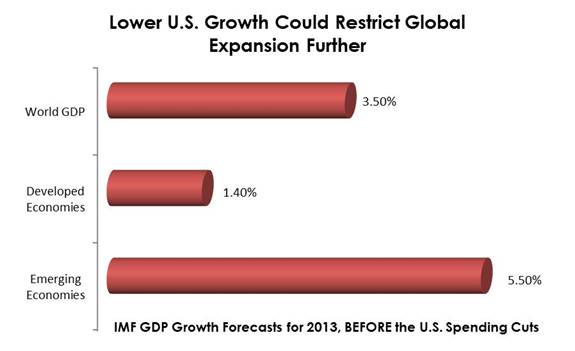
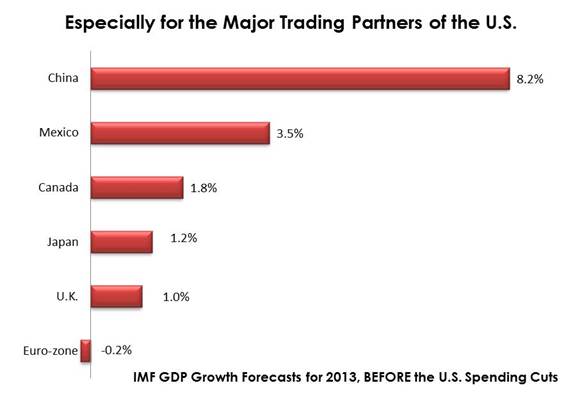
Healthier trends in the rest of the U.S. economy could cushion sequestration impact
The steady improvement in U.S. economic trends since the second half of 2012 possibly mean that the negative impact of lower government spending will not be as calamitous as it may have been. The housing market continues to see a healthy recovery, underpinning the slow but steady revival in the labor market. The increase in payroll taxes since the beginning of this year has not hurt consumer spending as much as feared and consumer sentiment surveys have shown improved optimism in February. Had these trends been weaker, sequestration may have been a bigger shock for the U.S. economy.
The spending cuts mandated by the Budget Control Act are set to rise further from next year, when discretionary outlays would have to be reduced by $76 billion, and the Congressional Budget Office estimates that these cuts would further limit economic growth through 2021. However, to correct the long term deficits, some fiscal tightening is probably unavoidable and the sequestration only forces these cuts to be implemented now rather than later. In other words, the pace of government spending growth would likely decline in the future, sequester or no sequester.
FORWARD LOOKING STATEMENTS
Certain statements made in this article may be forward looking. Actual future results or occurrences may differ significantly from those anticipated in any forward looking statements due to numerous factors. Thomas White International, Ltd. undertakes no responsibility to update publicly or revise any forward looking statements.
© Thomas White International












